

We may earn a commission when you buy through links on this page, at no extra cost to you. Learn more.
Does resin jewelry last? Well-made resin jewelry can last two to five years with regular wear, according to Grise NYC, and often longer when it stays out of sunlight and away from water and harsh chemicals. IntoResin says proper care lets resin jewelry last a very long time, and it notes that the quality of the resin brand matters. No source gives one fixed lifespan, so your materials and habits shape how the piece ages. Professional makers commonly allow pieces to cure for 24 to 72 hours before finishing.
If you make or buy resin jewelry, you probably want to know how long it will look good and stay wearable. The answer depends on the resin type, how fully it cured, where you store it, and how often you wear it. This guide explains what sources say about lifespan, what causes yellowing and cracks, and which habits help a piece last.
What Resin Jewelry Is Made Of
Resin jewelry is built from synthetic polymers that start as liquid and harden into a solid, glass-like material. Epoxy, UV resin and polyurethane are the common types, and each one behaves a little differently once cured.
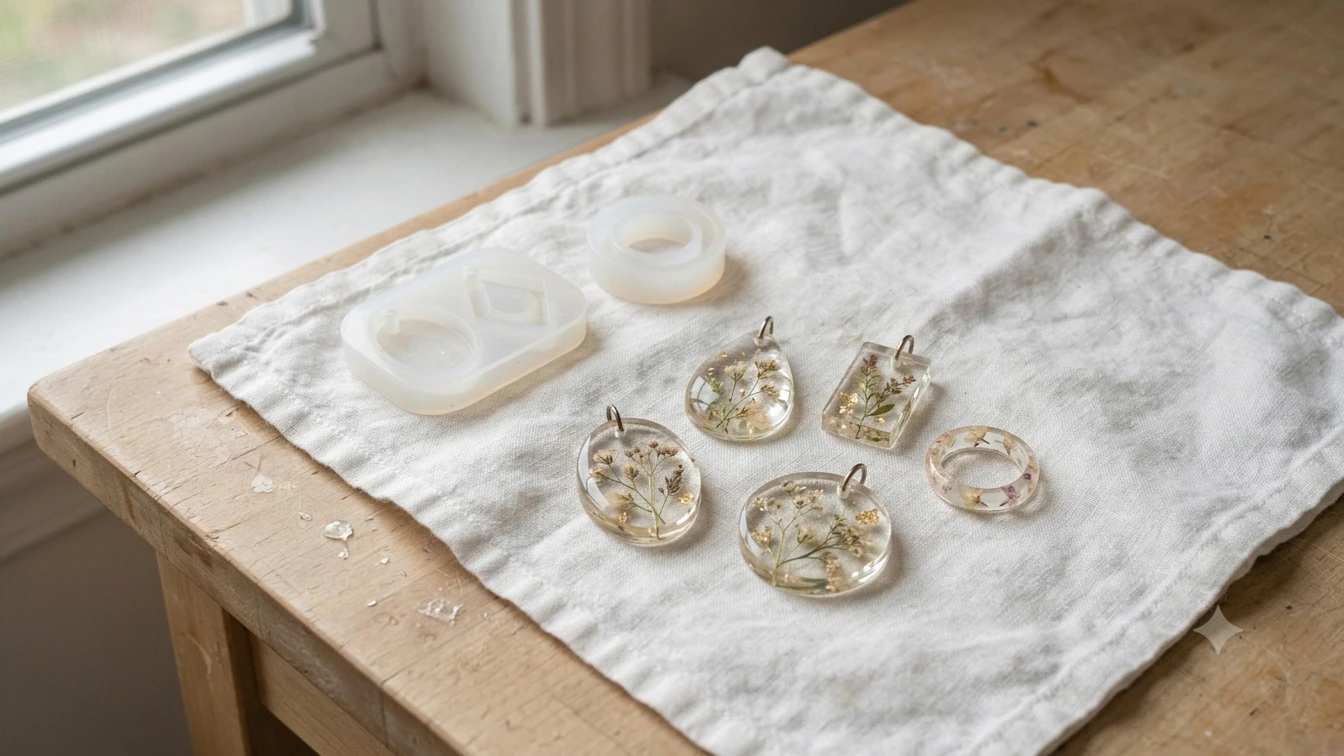
Epoxy is the resin most jewelry makers use for pendants and rings. According to All Things Jewelry, epoxy turns clear, shiny and water-resistant when it hardens, and makers often suspend dried flowers, feathers or charms inside it. Grise NYC says epoxy typically outlasts UV resin in longevity, keeping its clarity and structure longer.
UV resin hardens under ultraviolet light rather than through a chemical reaction alone. Grise NYC notes that UV resin tends to age faster than epoxy, so it suits small, lightly worn pieces better than heavy daily-wear items. Check the manufacturer’s data sheet for the exact product you are using, since formulations vary.
| Resin type | What sources say about durability | Typical use in jewelry |
|---|---|---|
| Epoxy | Generally holds clarity longer than UV resin, per Grise NYC | Pendants, rings, earrings with embedded items |
| UV resin | Tends to show aging sooner, per Grise NYC | Small charms and lightly worn pieces |
| Polyurethane | Named as a common type; durability depends on the product | Less common in jewelry; check the product data |
How Long Resin Jewelry Typically Lasts
Most sources avoid a single number, but Grise NYC says well-made resin jewelry can last two to five years with regular wear. That range assumes the piece was cured properly and is not exposed to constant harsh conditions. Smarva adds that there is no universal lifespan, because resin quality, curing, sunlight, heat, chemicals, scratches and wear frequency all play a role.
Exposure changes the timeline. Grise NYC says pieces worn often outdoors or stored in sunny spots may show aging signs within one to two years. Pieces kept out of direct sunlight often keep their appearance much longer, so storage habits matter as much as the resin itself.
Wear pattern also matters. IntoResin says resin jewelry will last a very long time with proper care, and it names three main factors that influence durability. Smarva lists the same general drivers: material quality, curing, UV, heat, chemicals, scratches and physical impact. A ring that gets bumped daily will age differently from a pendant worn for a few hours a week. For more detail on timelines, read our guide on how long resin jewelry lasts.
What Causes Yellowing, Cracking, and Clouding
Yellowing is the most common change owners report. Smarva says resin can develop a warmer or yellowish look over time, and no clear resin should be assumed to stay perfectly clear forever. Grise NYC links yellowing and brittleness to UV radiation from sunlight, which slowly breaks down the polymer.
Resin quality is the next factor. IntoResin says some resin brands tend to turn yellow after a period, so the resin you choose matters. Smarva notes that some resins contain UV stabilizers meant to slow yellowing, but those additives reduce the risk rather than remove it.
Cracks and clouding usually come from stress, temperature swings and chemicals. Grise NYC says extreme heat can soften resin, while very cold conditions can make it more brittle. All Things Jewelry warns that acetone, alcohol and harsh chemicals can damage the surface, and Grise NYC lists chlorine, saltwater and cleaning products as causes of clouding. Thin sections and delicate designs break more easily than thick, solid pieces, according to Grise NYC. For a closer look at the material itself, the IntoResin resin jewelry guide explains how the resin’s quality and environment affect long-term appearance.
Tip: Put on lotion, perfume and hairspray first, then add your jewelry once those products dry. Sources say these products can dull the finish over time.
How Curing Time Affects Longevity
Curing is the step that most affects how a piece ages. Grise NYC says professional jewelry makers typically allow resin to cure for 24 to 72 hours, depending on the resin type and conditions. Temperature, humidity and layer thickness all change the timing, so follow the manufacturer’s instructions rather than a fixed rule.
A piece that feels tacky or smells strongly of chemicals may not be fully cured. Grise NYC says uncured resin can cause skin sensitization and allergic reactions, and Smarva says a finished, fully cured piece is very different from the liquid used in manufacturing. Partly cured resin also tends to yellow and soften sooner, so giving it full time is good for both safety and appearance.
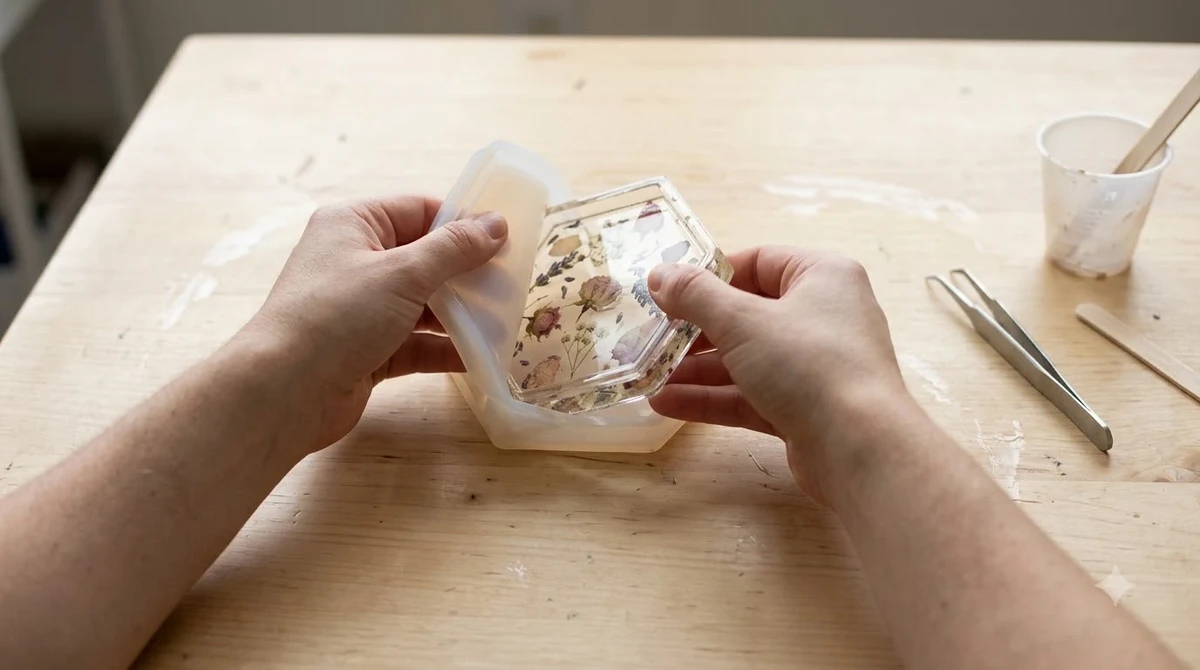
Layering affects timing too. All Things Jewelry advises waiting for the first layer to solidify before pouring another, and it suggests using a hair dryer to pop bubbles from that first layer. Thick castings can take longer to cure through the center, which is one reason Grise NYC lists thickness as a durability factor. Read more about the process in our guide on how to make resin jewelry.
Caring for and Storing Resin Jewelry
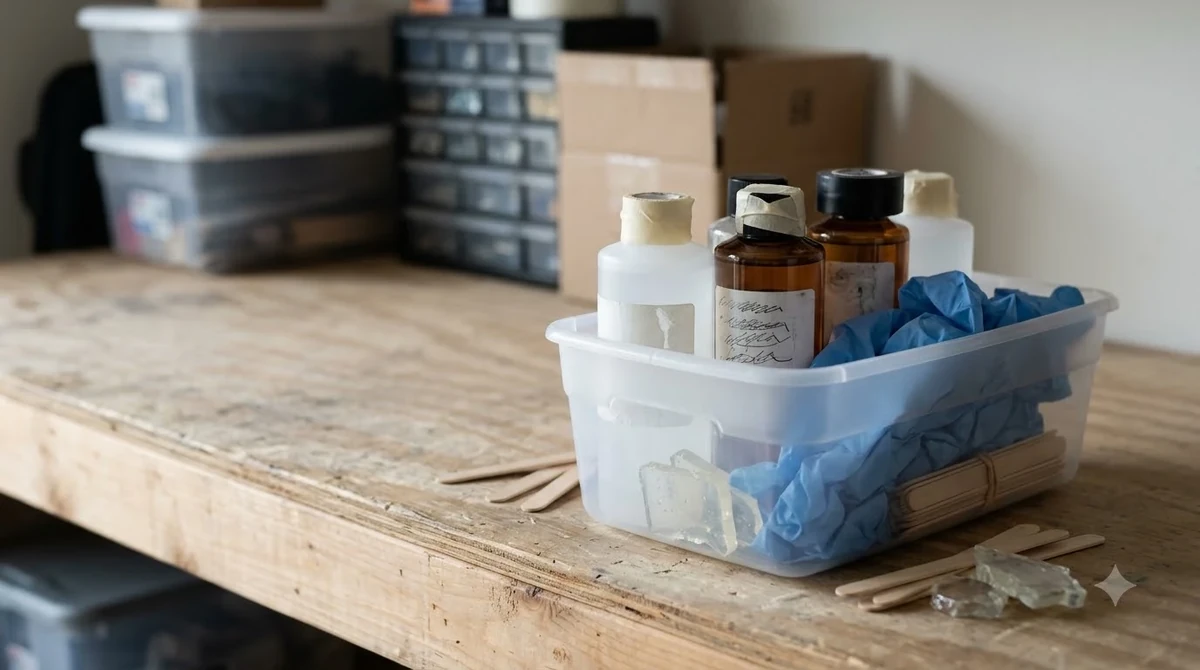
Good habits are the main way to extend lifespan. Store pieces in a cool, dry place, away from direct sunlight. IntoResin suggests a jewelry box, a sealed bag or an ordinary box, and it says a dark, cool place helps preserve both the resin and any dried flowers inside.
Remove jewelry before swimming, showering, washing dishes or sleeping. IntoResin says resin jewelry is water-resistant rather than waterproof. Smarva points out that metal findings, chains, clasps and adhesives can be affected by water even when the resin is not. Clean gently with mild soap and lukewarm water, then dry with a soft cloth.
Keep pieces separated in a soft pouch so they do not scratch each other. All Things Jewelry says resin scratches easily, even though it is harder than many plastics. Smarva says minor scratches or dullness may sometimes be improved by professional polishing, but deeper UV yellowing may not be reversible. Polishing can use fine sandpaper up to 20000 grit followed by a polishing compound, according to All Things Jewelry, but test on a hidden spot first and avoid aggressive scrubbing.
Safety: Wear nitrile gloves and work in a ventilated area when handling liquid resin. Check the kit safety data sheet, since uncured resin can irritate skin. Fully cured jewelry is generally safer to wear.
Repairs depend on the damage. Smarva says a damaged piece may be repairable depending on the type and severity of the problem, and it advises prevention over restoration. For casting basics and supplies, see the Jewelry, Casting & Small Makes category.
Frequently Asked Questions
How long does resin jewelry last with normal wear?
Grise NYC says well-made resin jewelry can last two to five years with regular wear. Pieces stored away from sunlight and kept out of water and chemicals often last longer. Heavy daily use or sun exposure can shorten that time.
Does resin jewelry turn yellow, and how can I prevent it?
Yes, Smarva says clear resin can develop a warmer or yellowish look over time. UV exposure is the main driver, so keep pieces out of direct sunlight and away from hot cars. Choosing a quality resin and storing it in a cool, dry place also helps.
Is resin jewelry waterproof, or can I shower in it?
No, IntoResin says resin jewelry is water-resistant, not waterproof. All Things Jewelry advises against showering or swimming in it. Remove pieces first, since metal chains and clasps can tarnish or be affected by water.
Can resin jewelry be repaired if it cracks or chips?
Smarva says repair depends on how severe the damage is. Minor scratches or dullness may sometimes improve with professional polishing, but cracks and deep damage may not be fixable. Thin pendants and small charms need extra care because they chip more easily.
Resin jewelry can last years with normal wear when you choose quality resin, cure it fully and store it away from sun, water and chemicals. Start with the habits in the care section, and check the product data sheet for the exact resin you use.
More in Jewelry, Casting & Small Makes
 How to Make Resin Bookmarks: Materials, Steps and Cure TimesUpdated Nov 26, 2026
 How to Make Resin Knife Handles That Cure Clear and Polish WellUpdated Nov 26, 2026
 Resin Casting for Beginners: Pick the Right Resin and Pour Clean CastingsUpdated Nov 26, 2026
 How to Resin Jewelry Without Bubbles, Cloudy Spots, or Failed CuresUpdated Nov 26, 2026
 Popular Designer Keychains in Resin: Styles, Resins and Steps to Make Them at HomeUpdated Nov 26, 2026
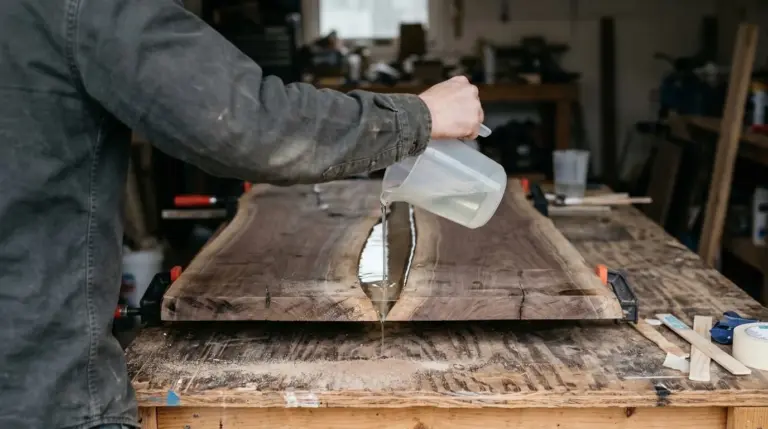
 River Table Mold: How to Choose, Seal and Release Your Epoxy PourUpdated Nov 26, 2026