

We may earn a commission when you buy through links on this page, at no extra cost to you. Learn more.
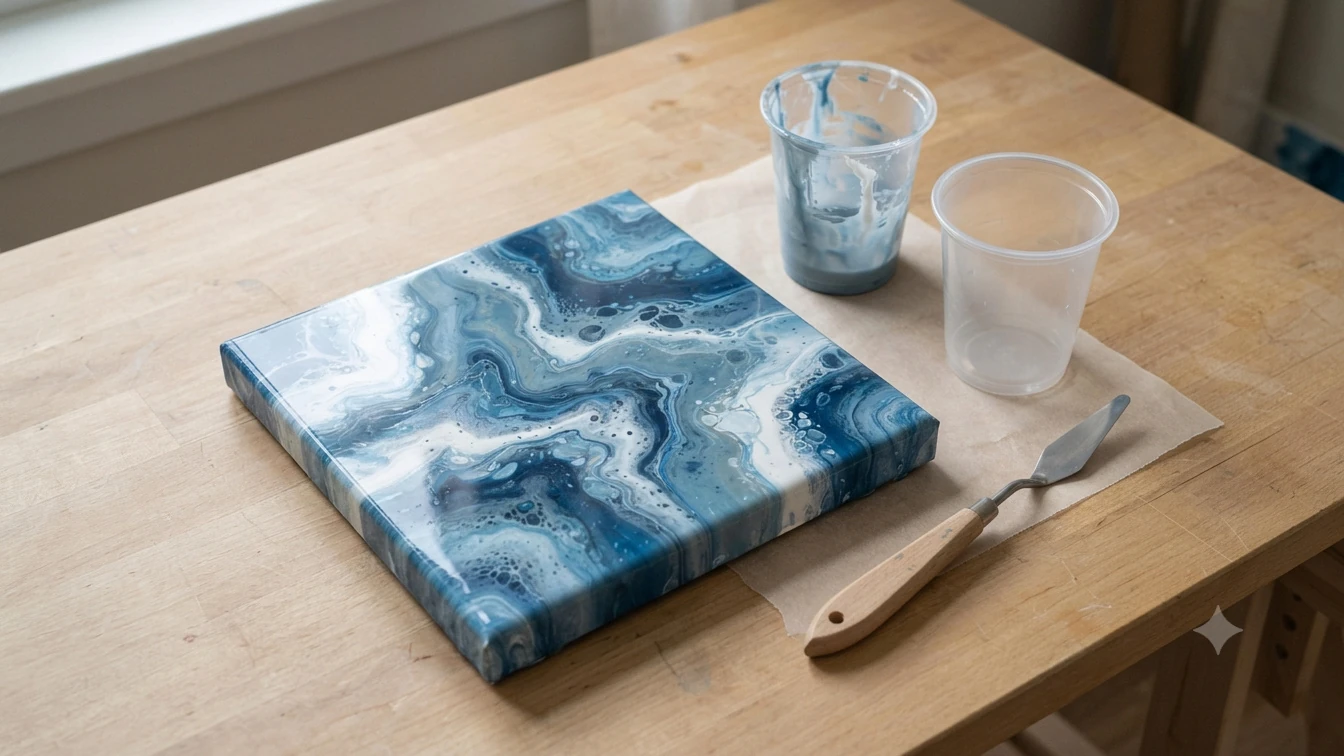
What is resin art? Resin art is a craft where you pour or embed a liquid resin, usually a two-part epoxy, that cures into a clear, hard, durable finish. According to My Modern Met, resin is a synthetic material that begins as a viscous liquid and becomes rigid once cured. Two-part epoxy casting resin is mixed in a ratio set by the manufacturer, and a catalyst triggers the hardening. UV resin is a different type that cures in minutes when placed in sunlight or under a UV lamp.
If you are curious about this craft, this guide explains what the material is, how it compares with painting and casting, what supplies you need, and how to handle it safely. It also points you to projects that suit a first attempt.
What Is Resin Art?
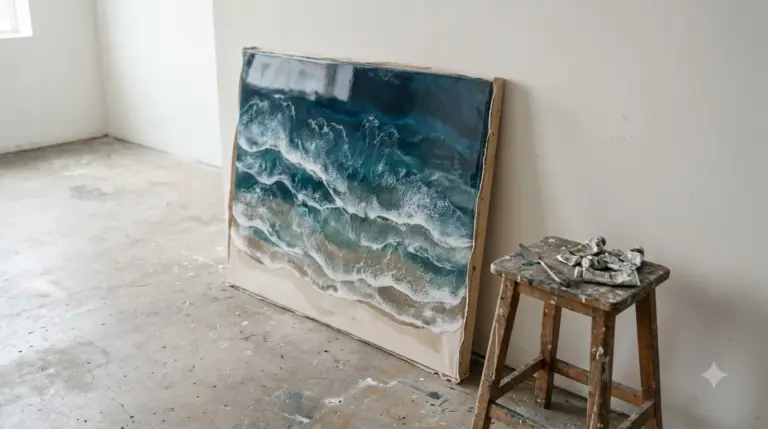
Resin art uses a clear synthetic liquid as the main material, often with pigment, dried flowers, sand or small charms added before it hardens. The finished piece looks glossy and glass-like, but the material is closer to plastic in its makeup. Makers use it for jewelry, small sculptures, coasters, trays and tabletops.
Most art-grade resin falls into two families. Epoxy or casting resin is a two-part system that cures over hours and can be poured in thicker layers. UV resin stays liquid until light hits it, which suits small pieces like pendants. Knowing which family your product belongs to helps you plan your timing. According to My Modern Met’s resin art overview, epoxy casting resin usually comes as a two-part pack with a catalyst that triggers hardening.
How Resin Art Differs From Painting and Casting
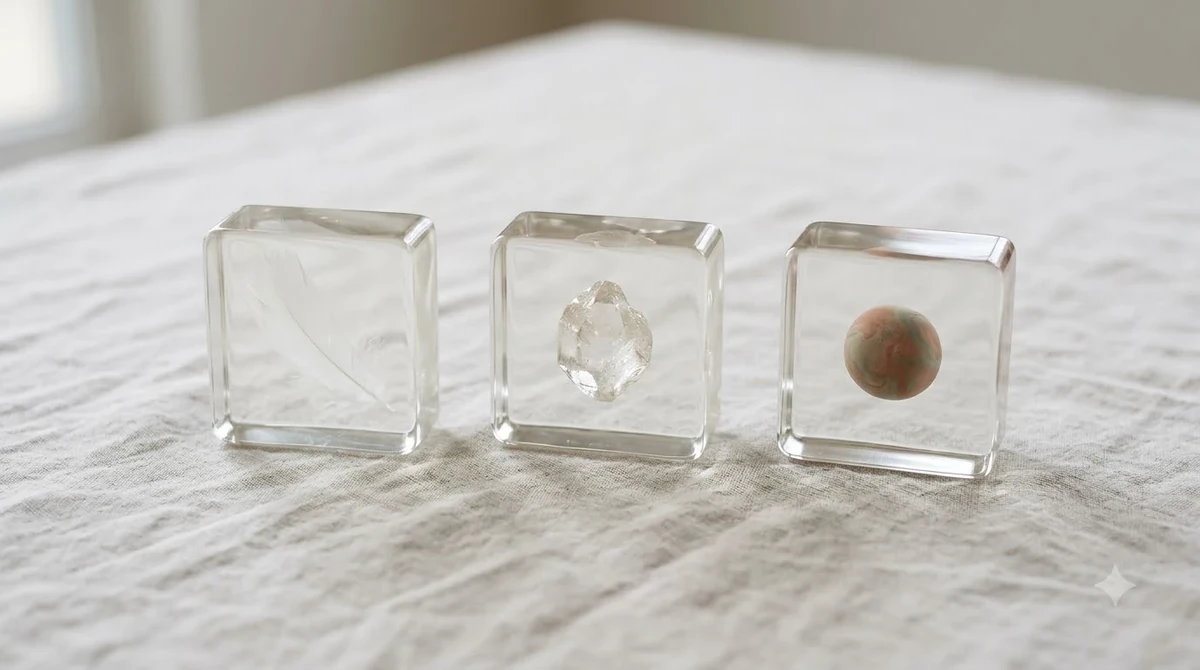
Resin art sits between painting and casting. Like painting, you can add color and layer effects by hand. Like casting, the work starts as a liquid poured into a form and sets as a solid object. The result is a single, sealed surface rather than paint that sits on top of a canvas.
| Feature | Painting | Resin art | Casting |
|---|---|---|---|
| Main material | Paint on a surface | Clear liquid resin that hardens | Molten or liquid material in a mold |
| Finish | Matte or glossy film | Glossy, glass-like surface | Depends on the mold and material |
| Curing | Drying or curing of paint | Chemical cure, often hours for epoxy | Set time varies by material |
| Typical beginner start | Canvas and brushes | Small jewelry or coasters | Simple silicone molds |
The main difference from painting is the cure. Paint dries on the surface, while resin hardens through a chemical reaction. Casting is closer to resin art in method, but many casting projects focus on the shape of the object. Resin art usually focuses on color, depth and the look of the layers.
Common Resin Art Techniques
Most beginner projects use one of a few simple methods. Each one suits a different kind of piece and a different level of control. Starting with one method keeps your first projects manageable.
- Casting into a mold: you pour mixed resin into a shaped form and let it set.
- Embedding: you place dried flowers, leaves, sand or small charms into resin layers.
- Pigment swirling: you add colorant to the mixed resin and drag a stick through it to create patterns.
- Layering: you pour thin coats one at a time, letting each set before the next.
According to Wood–epoxy resin artifacts on Wikipedia, makers also use casting and embedding with wood. Wood and resin combine in river tables, where clear or colored resin fills the gap between slabs. Turning hardened resin-wood blanks on a lathe is another method, but it comes after you have basic skills. For a wider range of ideas, see resin art ideas.
Materials You Need to Get Started
A basic setup for resin art is small and inexpensive to assemble. You need the resin, a way to measure and mix it, and protection for your hands. The list below matches what art-focused sources describe for beginners.
| Supply | Why you need it |
|---|---|
| Epoxy or casting resin (two-part) | The main material that hardens with its catalyst |
| UV resin (optional) | Cures in minutes in sun or under a UV light, good for small pieces |
| Disposable cups with graduated markings | Measuring and mixing in a container you can throw away |
| Wood sticks | Stirring the mixture thoroughly |
| Disposable gloves | Keeping resin off your skin |
| Epoxy resin pigment | Adding color for swirls and solid tints |
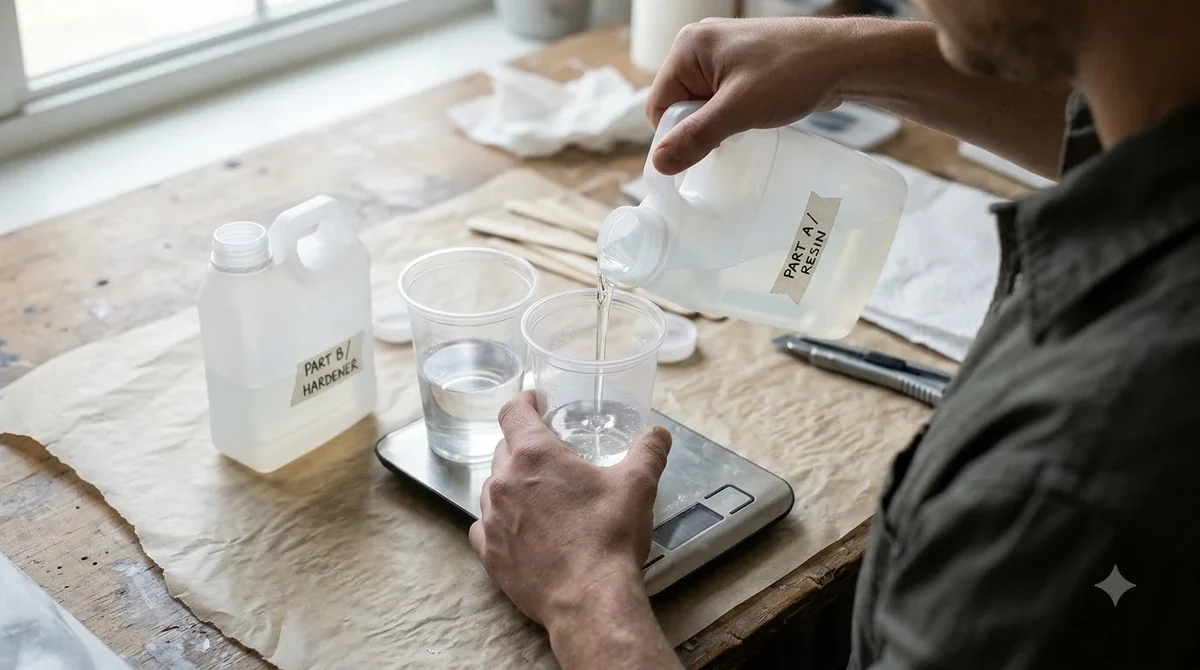
Check the mix ratio on your product’s label or technical data sheet and measure exactly. Mixing the wrong amount is one of the most common reasons a batch stays soft. Keep a clean, level, well-lit work surface before you open any bottle.
Is Resin Art Good for Beginners?
Resin art can be a good first craft if you start small and accept a learning curve. Jewelry such as pendants, rings and dried-flower inserts is recommended as a first project. These pieces need little material, so a mistake costs you less time and money.
The skills are mostly about measuring, timing and patience. You must wait for the piece to cure fully before handling it. Bubbles, cloudiness and tacky spots are common early on. Many makers find the process rewarding once they learn how their specific product behaves. For a structured start, see resin art for beginners.
Resin art also has a market among hobbyists and home decor buyers. The Wood–epoxy resin artifacts article notes that wood-and-resin pieces have grown in popularity online and in custom work. That does not mean every project will sell, so think of your first pieces as practice.
Safety and Ventilation Basics
Resin is a chemical product, so treat it with respect. Read the safety data sheet for your specific product before you start. Work in a room with good airflow, and keep food and drinks away from your work area. Store the products sealed and out of reach of children and pets.
Safety: wear disposable gloves, work with ventilation, and follow the respirator guidance on your product’s SDS if it recommends one. Keep the resin away from your eyes and skin.
Epoxy mixing produces heat as it reacts, so avoid mixing large batches in one cup. Uncured resin can be cleaned with isopropyl alcohol, but use that solvent carefully and only in a ventilated space. Fully cured resin does not rust or corrode, which is one reason it holds up well on finished pieces.
Troubleshooting Common Beginner Problems
Most first-batch problems come from the mix, the temperature or the cure time. Identifying the cause is faster than guessing. Use the table below as a starting point.
| Problem | Likely cause | What to check |
|---|---|---|
| Sticky or soft surface | Ratio off or not stirred enough | Measure by the label’s ratio and stir the sides and bottom |
| Bubbles | Air stirred into the mix | Stir slowly and let the piece rest before it sets |
| Cloudy finish | Moisture or cold work area | Keep the room dry and at the temperature the product lists |
| Resin on a surface | Spill before cure | Wipe with a solvent such as isopropyl alcohol while still uncured |
If a piece stays soft, do not force it. Check the label for cure time and give it the full period before judging. Changes in room temperature can slow the process noticeably.
Where to Go Next With Resin Art
Once you understand the basics, you can move on to larger projects. Practice with pendants and small trays first, then try a river table or a casting project. The Resin Art & Decor section groups projects by type so you can pick what fits your space.
For more inspiration after your first pieces, browse Resin Art & Decor projects. Keep notes on each batch: ratio, temperature and cure time. Those notes will help you repeat good results.
Frequently Asked Questions
What is resin art made of?
Most resin art uses epoxy or casting resin, a synthetic material that starts as a liquid and cures into a rigid, durable solid. Some makers use UV resin, which hardens when exposed to sunlight or a UV lamp. Pigments, dried flowers and small charms are often added.
What is the difference between epoxy resin and UV resin for art?
Epoxy resin is a two-part product that hardens through a chemical reaction after you mix the parts. UV resin is solar activated and cures in minutes under sunlight or a UV light. Epoxy suits thicker pours, while UV resin is common for small pieces.
Is resin art safe, and do I need gloves or a mask?
Resin should be handled with care, so wear disposable gloves and work with good ventilation. Check the product’s safety data sheet for any respirator recommendation. Keep uncured resin away from skin and eyes, and keep food away from your work area.
Can you remove resin if a project goes wrong?
Uncured resin can be removed with a solvent such as isopropyl alcohol, used in a ventilated space. Once resin has fully cured, it is much harder to remove, so catching spills early matters. Always follow the safety guidance on your product’s data sheet.
Resin art rewards patience and careful measuring more than artistic talent alone. Start with a small project, follow your product’s label, and keep your workspace ventilated. From there, you can explore the wider range of projects and techniques.
More in Resin Art & Decor
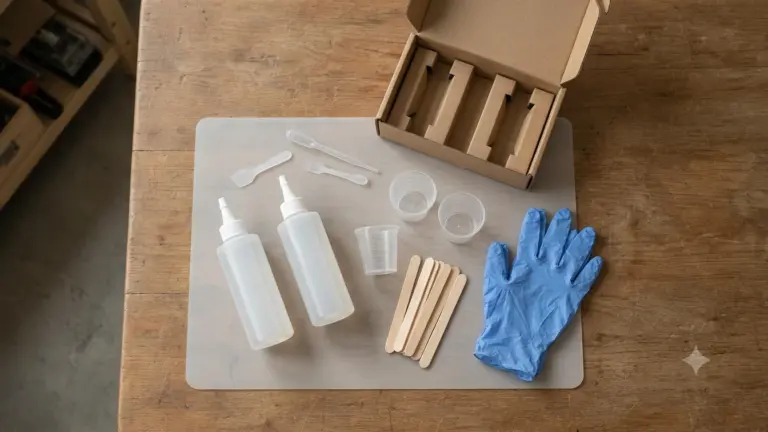 What Is a Resin Art Kit? What It Includes and How to StartUpdated Nov 26, 2026
 Resin Lamp Ideas and How to Build a Glowing Piece at HomeUpdated Nov 26, 2026
 Resin Coasters for Beginners: Mix, Pour, and Cure a Glossy First SetUpdated Nov 26, 2026
 How Much Epoxy for a Tumbler? Measure by Ounces and Avoid WasteUpdated Nov 26, 2026
 Resin Over Watercolor Without Bleeding: How to Seal and Pour SafelyUpdated Nov 26, 2026
 Ocean Resin Art Tutorial: Make Realistic Waves on Canvas or WoodUpdated Nov 26, 2026