


We may earn a commission when you buy through links on this page, at no extra cost to you. Learn more.
Here is how to remove epoxy from skin: act fast, wipe off the wet resin, then wash with warm soapy water. Sources say uncured epoxy is much easier to remove than epoxy that has set, so timing matters. If soap alone does not work, vinegar, citrus-based hand cleaner and, as a last option, acetone or rubbing alcohol may help soften the residue. Wash the area afterward and moisturize.
Epoxy is a useful adhesive, but it is messy and it can irritate skin. This guide walks through the gentlest methods first, explains the cured-epoxy problem, and lists the warning signs that mean you should stop and get medical help. Knowing how to remove epoxy from skin before it sets is the best way to avoid a longer cleanup.
Why Epoxy Sticks to Skin and What It Does
Epoxy comes as two parts, a resin and a hardener, and it bonds tightly once mixed. On skin, that same bond makes it hard to wipe off. Bob Vila notes that the two-part application makes epoxy one of the messier adhesives to work with.
Skin contact is not always dramatic, but it should not be ignored. Loctite says that if epoxy stays on skin, it can cause irritation as it cures, and some people have had allergic reactions. Resin-expert.com adds that epoxy on skin can lead to contact dermatitis or skin inflammation in some people.
The practical rule is simple: the sooner you remove it, the easier the job. Resin-expert.com states that removing epoxy before it cures is much easier than removing it afterward.
What You Need Before You Start
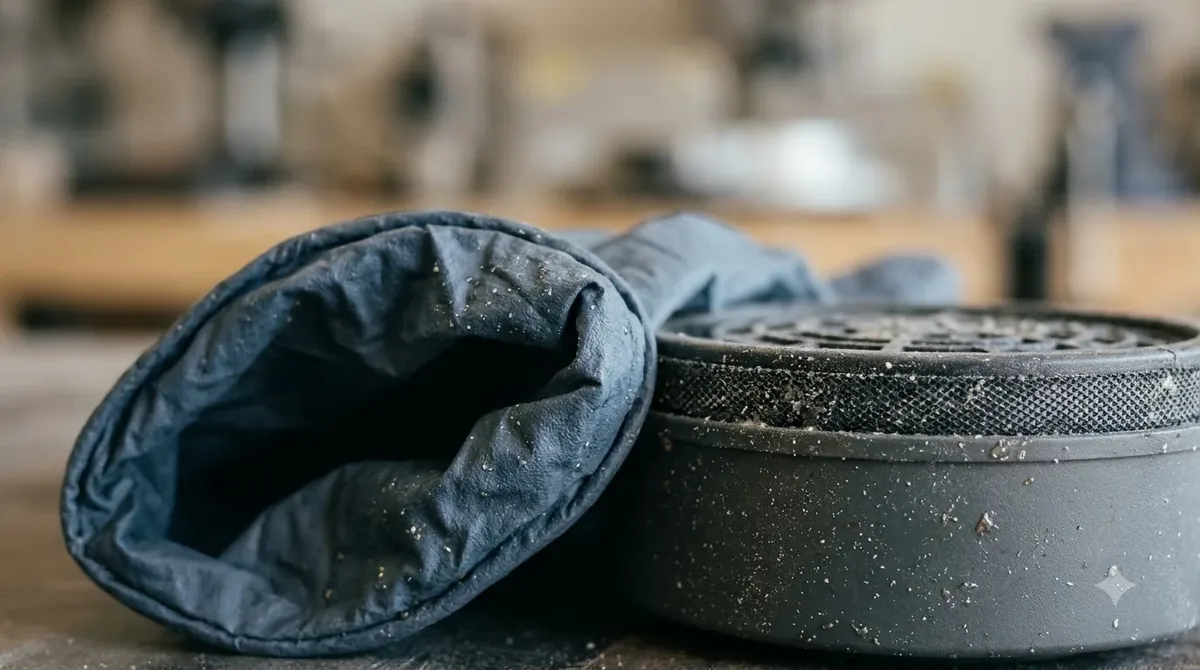
Gather basic supplies before you touch any residue. Most of the gentle methods need only items you likely already have in the kitchen or bathroom.
| Item | Why you need it |
|---|---|
| Paper towels or a clean cloth | Wipes off wet epoxy and applies vinegar |
| Warm water and liquid soap | First-line cleaning, and the follow-up wash |
| White vinegar | Softens the epoxy so it can be peeled or scraped away |
| Cotton balls | Hold vinegar or alcohol on a small area |
| Citrus-based hand cleaner | Softens residue; Loctite suggests scrubbing with a wet washcloth |
| Isopropyl alcohol (rubbing alcohol) | Backup option for stubborn residue |
| Nitrile or latex gloves | Protects your hands while you work and during cleanup |
| Unscented hand lotion | Replaces moisture after solvents or washing |
Immediate Steps for Uncured Epoxy on Skin
Uncured epoxy is the easiest case. Work through the steps in order and stop as soon as the skin is clean. Gentle methods should always come before stronger ones.
The sources do not agree on the first move. Loctite recommends warm soapy water as the simple first step, while Bob Vila leads with vinegar. Either order works when the residue is still wet, so start with the gentlest option you have on hand.
- Wipe off the wet epoxy. Loctite advises simply wiping wet epoxy away with a cloth or paper towel before anything else.
- Wash with warm soapy water. Use liquid soap and rub the area. Loctite says liquid soap or citrus-based hand cleaner may work best.
- Try vinegar. Soak a paper towel or cotton ball with vinegar and stroke it on the spot until the epoxy softens enough to peel off.
- Use a citrus hand cleaner if residue remains. Apply a small amount, rub it in, then wipe or rinse under warm water. Repeat if needed.
- Scrape gently. Once the residue is soft, use a fingernail or a washcloth. Do not dig into your skin.
- Wash again. Use soap and water to remove tiny particles. Loctite recommends following up every method this way.
- Moisturize. Bob Vila suggests hand lotion to soothe and help heal skin after removal.
Removing Cured Epoxy from Skin Safely
Cured epoxy is harder to remove, and you should expect more than one round of softening. Resin-expert.com says removing cured epoxy from skin is harder than removing it while it is still wet. Be patient and avoid forcing it off.
Start with the gentlest softening method. Loctite describes soaking a cotton ball in vinegar, applying it for several minutes, then scraping with a fingernail or washcloth. Resin-expert.com says vinegar can remove hardened epoxy glue when the area is soaked until the resin softens.
If vinegar is not enough, try citrus-based hand cleaner. Loctite suggests leaving a generous amount on the spot for several minutes before scrubbing with a wet washcloth. Resin-expert.com describes a waterless citrus foam as gentler on skin, though less effective, so rub it on and rinse with water.
For the stubbornest residue, Loctite lists isopropyl alcohol as effective, followed by acetone as the last option. Use the smallest amount possible and keep contact with skin brief. Wash thoroughly with soap and water afterward.
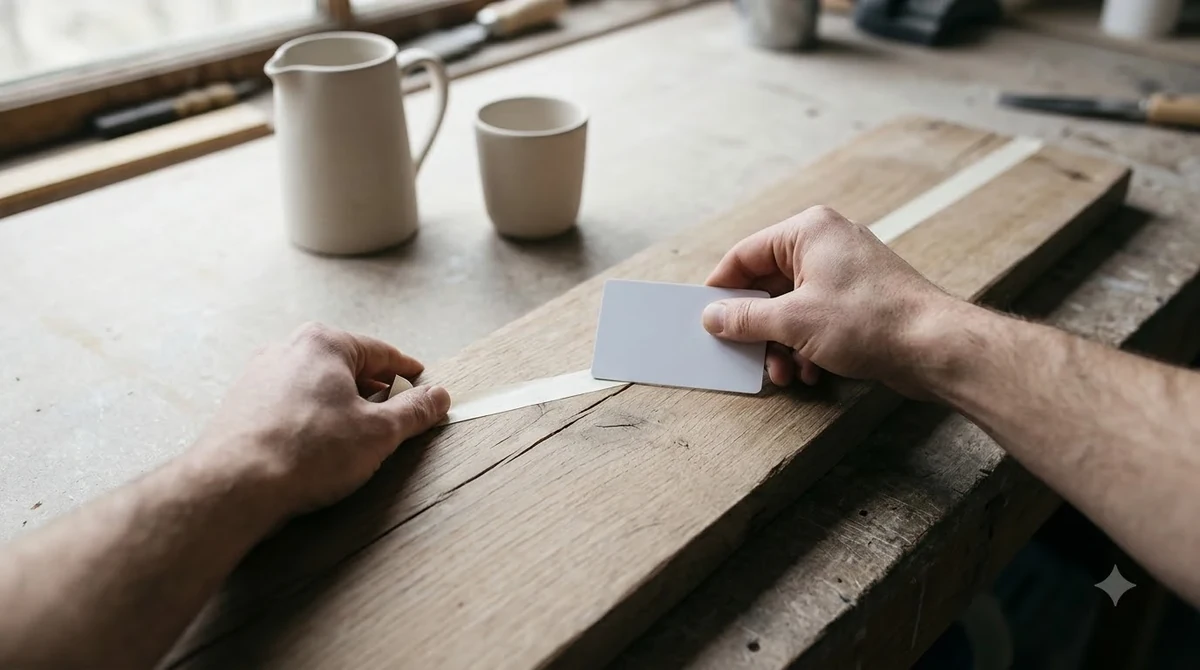
Tip: Soften the residue first and scrape second. Pulling at dry epoxy usually irritates skin more than the resin itself.
What to Avoid: Solvents and Common Mistakes
Some household products can remove epoxy but are wrong for skin. Choosing the wrong one can make irritation worse, so know what to skip before you reach for it.
Loctite warns that paint thinner (mineral spirits) and commercial cleaning solvents pose health risks and should not be applied to skin. It also says methylene chloride stripper and acetone carry health risks, so avoid them on skin when possible. Bob Vila advises against harsh solvents generally, since they can dissolve or discolor materials.
Acetone needs extra care. Resin-expert.com says to use it only in well-ventilated rooms, away from open flames. It also says acetone draws moisture from skin, so wash and moisturize afterward. If you have no pure acetone, nail polish remover, which is mostly acetone, is the substitute the source mentions.
- Scrubbing with abrasives or a sharp tool, which can scratch and irritate the skin.
- Using paint thinner, mineral spirits or denatured alcohol on skin.
- Using acetone in a closed room or near a flame.
- Skipping the soap-and-water wash after a solvent.
- Forgetting gloves on the next mixing session.
Protecting Skin While Mixing and Pouring
Prevention saves you from cleanup. The Harvard GSD FabLab safety procedure for epoxy lists the protection it requires, and those same habits work well at home.
The FabLab procedure calls for nitrile gloves, safety goggles or a face shield, and disposable long sleeves covering the skin on your arms. Loctite also recommends latex or nitrile gloves and long sleeves. Work in a well-ventilated area, and cover the surfaces around your project.
Read the manufacturer’s instructions before you mix. The FabLab procedure says to mix only the amount you need and to wash your hands thoroughly after use. Always consult the product’s safety data sheet (SDS) for the recommendations that apply to your specific epoxy. Check the Harvard GSD FabLab epoxy safety procedure for the full list of protective steps.
When a Skin Reaction Needs a Doctor
Most epoxy contact is a nuisance, but some reactions need professional care. Knowing the warning signs helps you decide quickly and calmly.
The FabLab procedure says to remove contaminated clothing, wash affected areas with soap and water for at least 15 minutes, and seek medical attention if irritation persists. It also says that a person with a history of skin sensitization, asthma or respiratory disease should not use the product at all.
If epoxy gets in your eye, the same procedure says to flush with water for at least 15 minutes and seek immediate medical attention. Contact a doctor if you have redness, swelling, rash, or irritation that keeps going after washing. This is general guidance, not medical advice for your situation.
Safety: Do not wait out a reaction that is spreading or getting worse. Wash with soap and water first, then contact a doctor if the skin stays irritated.
Frequently Asked Questions
How do I get epoxy off my skin?
Wipe off wet epoxy with a paper towel, then wash with warm soapy water. If residue remains, try vinegar, then citrus hand cleaner, and wash again. Loctite says to follow up each method with soap and water.
Does vinegar remove epoxy from skin?
Yes, according to Resin-expert.com, vinegar can remove hardened epoxy glue from skin when you soak the area until the resin softens. Bob Vila recommends vinegar as a first method for epoxy on skin. Let it sit for several minutes, then scrape gently.
Can I use nail polish remover to remove epoxy from my hands?
Resin-expert.com says nail polish remover, which is largely acetone, is an option when pure acetone is not available. Use it only in a well-ventilated room, away from flames. Wash your hands with soap and water and apply lotion afterward, since acetone dries skin.
How long do I have to remove epoxy from skin before it cures?
The sources do not give a set time. They say to remove epoxy as soon as possible, because it is much easier before it cures. Check the manufacturer’s label or data sheet for the working time of your product, and wipe off any contact right away.
Start with the gentlest method and move to stronger options only when needed. For spills on other materials, read our guide on how to remove epoxy from wood, and if the surface is cloudy, see how to remove amine blush from epoxy. You can also browse our Troubleshooting & Fixes section for more help.
More in Troubleshooting & Fixes
 How to Fix Scratches in Epoxy Tables Without Redoing the Whole TopUpdated Nov 26, 2026
 How to Remove Amine Blush From Epoxy Without Starting OverUpdated Nov 26, 2026
 What Will Remove Epoxy from Wood, Metal, Skin and Hair SafelyUpdated Nov 26, 2026
 Paint and Epoxy Remover: Which Type Strips Cured Epoxy and Paint SafelyUpdated Nov 26, 2026
 Resin Sticking to Mold? Causes, Release Fixes and Safe RemovalUpdated Nov 26, 2026
 Why Is My Epoxy Bumpy? Causes and Fixes for a Smooth FinishUpdated Nov 26, 2026