

We may earn a commission when you buy through links on this page, at no extra cost to you. Learn more.
Here is how to remove amine blush from epoxy: wash the cured surface with clean water and an abrasive pad, then dry it with paper towels. Amine blush is a waxy film that forms as the hardener reacts with carbon dioxide and moisture in the air. According to WEST SYSTEM, you should use water rather than solvent, and you should dry the surface before the dissolved film dries back on. If glossy areas remain, sand them with 80-grit sandpaper before recoating.
This guide explains what amine blush is, how to recognize it, and how to clean it off step by step. It also covers when sanding helps, how to protect your project before the next coat, and when starting over makes more sense than rescuing the surface. If you want to learn how to remove amine blush from epoxy on a project you have already cured, the steps below will walk you through it.
What Amine Blush Is and Why It Forms
Amine blush is a film that appears on the surface of cured epoxy as it cures. It is a byproduct of the curing reaction, not a sign that the whole pour has failed. Most of the time it is a fixable surface problem.
The film forms when amines in the hardener react with water and carbon dioxide from the air. Amines are hygroscopic, meaning they pull moisture from the air. Epoxyworks describes the same chain of reactions, and it notes that the blush tends to be more noticeable in cool, humid conditions.
How to Tell Amine Blush From Other Epoxy Problems
Amine blush usually looks sticky, oily, or waxy, and it can appear cloudy, milky, hazy, or slightly yellow. Some surfaces show greasy white spotting or a salt-like crust. Other surfaces show only a dull patch that is easy to miss.
Blush can also be uneven. Sherwin-Williams notes that one area of a floor may look fine while another area a short distance away has blush. That is why you should inspect the whole surface before you add another coat.
If you are unsure, you can use two simple checks. KTA says amine blush is alkaline, so pH paper may show an elevated reading. The reading is not conclusive, because surface contamination can also raise pH. Field test kits such as the Elcometer 139 Amine Blush Swab Test Kit or the TQC Amine Blush Kit are designed to detect carbamates on the surface. A related explanation is in How to Remove Epoxy From Wood.
Tools and Materials You Need
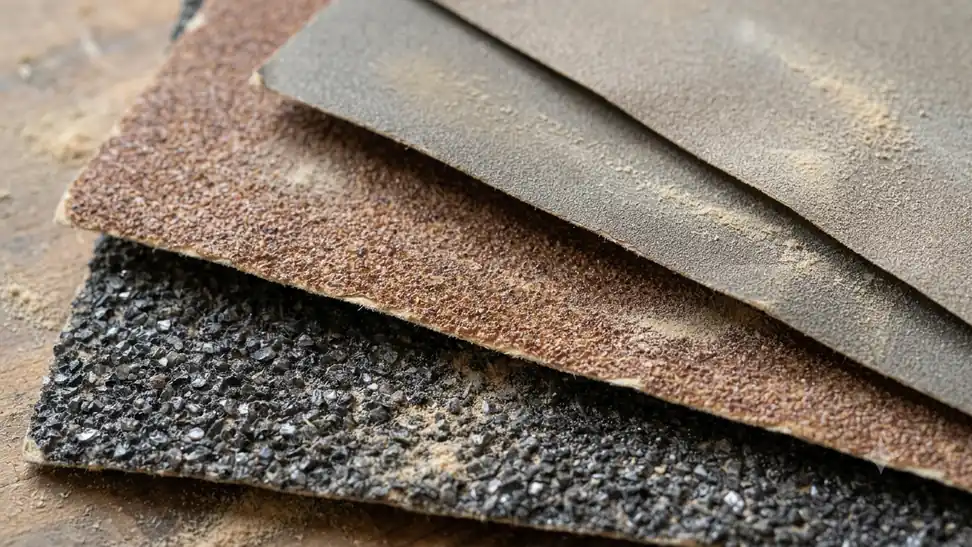
You need only basic supplies for most blush cleanup. The main items are clean water, an abrasive pad, paper towels, and sandpaper for any glossy spots that remain after washing.
| Item | Purpose | Notes from the sources |
|---|---|---|
| Clean water, warm if possible | Dissolves the blush film | WEST SYSTEM says to use clean water, not solvent |
| Scotch-Brite 7447 General Purpose Hand Pad | Scrubs and dulls the surface | Named by WEST SYSTEM; Epoxyworks says similar pads also work |
| Stiff bristle broom or scrub pad | Works the cleaner into the surface | Recommended by Sherwin-Williams for larger areas |
| Paper towels | Wipe the surface dry | Dry before the dissolved blush dries on the surface |
| 80-grit sandpaper or waterproof wet/dry paper | Removes remaining glossy areas | WEST SYSTEM recommends 80-grit for glossy spots |
| Gloves and ventilation | Protects skin and airways | Check the product SDS for specific guidance |
Tip: Avoid using soapy water, ammonia, or bleach unless your product instructions call for them. WEST SYSTEM says these are unnecessary and may leave their own residue.
Amine Blush in Epoxy: Step-by-Step Removal
Removal works best once the epoxy has cured hard and the blush is visible. Work in a space with steady temperature and fresh air. Follow the steps in order, and do not skip the drying and inspection stage.
- Confirm the epoxy is fully cured. Blush removal by washing is meant for hard, cured surfaces. Check the cure time on your product data sheet.
- Dampen the surface with clean water. Use water, not a solvent. WEST SYSTEM states that many organic solvents are ineffective on amine blush.
- Scrub with an abrasive pad. Use a Scotch-Brite pad or similar hand pad in light, even strokes across the whole area.
- Rinse and repeat if needed. Sherwin-Williams recommends repeating the cleaning once or twice for heavier blush, then rinsing thoroughly with warm water.
- Wipe the surface dry. Use fresh paper towels so the dissolved film does not dry back onto the epoxy.
- Let the surface dry completely. Look for any remaining haze, shine, or tackiness before you move on.
- Check for remaining blush. Use a pH check or a swab test kit if you are unsure the surface is clean.
- Sand any glossy spots. Use 80-grit sandpaper on areas that still look shiny, and remove the dust before recoating.
Epoxyworks author Tom Pawlak describes a similar process for a mahogany plywood kayak paddle. He removed the blush with water, dulled the surface with an abrasive pad, and dried it with paper towels before bonding. For cured-epoxy repairs, the same sequence applies. For the next step after this check, see Resin Pulling Away From Edges.
Sanding and Recoating a Blushed Surface
Sanding and recoating are the final steps, and the order matters. Sanding a surface with blush on it clogs the paper and can push the film deeper into the epoxy, so wash first and sand second.
WEST SYSTEM says that wet-sanding with waterproof wet/dry sandpaper also removes amine blush. KTA adds that gentle abrasion may work better than washing when the blush is a light haze rather than a heavy film. Light sanding is usually enough for a hazy surface, while a thick, sticky film needs washing first.
Before recoating, KTA advises that you check the coating manufacturer’s instructions. It also says that rinsing away all cleaners is important, because leftover detergent can interfere with adhesion. Wipe the surface clean and let it dry before the next coat.
Tip: If you want to avoid washing between coats, recoat while the previous layer is still tacky. Epoxyworks says this window can run from about 15 minutes to several hours, depending on the hardener and temperature.
Preventing Amine Blush on Your Next Pour
You cannot fully stop amine blush, but you can reduce it. Control the temperature, the humidity, and the mix ratio. Those three factors make the biggest difference in most shops.
- Keep the work area warm. Epoxyworks recommends working above 65°F (18°C). It also says blush is most evident when a coating cures while the temperature is dropping.
- Use a faster hardener in cool shops. Epoxyworks suggests 205 Fast Hardener when the temperature is below 72°F (22°C), but notes that pot life will be shorter in warm conditions.
- Stay above the dew point. KTA advises keeping the surface at least 5°F above the dew point to avoid condensation during cure.
- Measure the mix carefully. Too much hardener increases blush and can weaken the cured epoxy, according to Epoxyworks.
- Choose a blush-resistant hardener for clear work. Epoxyworks says 207 Special Clear Hardener is formulated for clear coating and resists blushing well.
Release fabric is another option. Epoxyworks notes that a release fabric applied over uncured epoxy leaves a blush-free surface once peeled. WEST SYSTEM 879 Release Fabric, a finely woven nylon peel ply, is designed so the blush forms on the fabric rather than the epoxy.
Heating method matters too. Sherwin-Williams says fuel-burning heaters can add moisture and carbon dioxide to the air, which increases blush risk. KTA also warns that poorly ventilated heaters can cause the same problem. For a wider view of the same system, see How to Release Resin From Mold.
Safety When Cleaning Cured Epoxy
Cleaning cured epoxy is low-hazard work, but you should still protect your skin and work in good air flow. Check the product SDS before you start, and follow the gloves and ventilation guidance it lists.
Wear gloves during scrubbing and sanding. Keep the area ventilated, especially when you use cleaners or sand in an enclosed space. If you get uncured epoxy on your skin, follow the steps in this guide on how to remove epoxy from skin.
Safety: Wear nitrile gloves and eye protection, and ventilate the room. Follow the SDS for your specific epoxy and any cleaner you use.
Frequently Asked Questions
What is amine blush on epoxy and what causes it?
Amine blush is a waxy or greasy film that forms on cured epoxy. It results when amines in the hardener react with carbon dioxide and moisture in the air. Cool, humid conditions make it more noticeable.
Can I remove amine blush with soap and water?
Yes, warm soapy water with a Scotch-Brite pad can remove blush, according to Epoxyworks. Sherwin-Williams lists Dawn dish soap as one option for heavier blush. Rinse thoroughly afterward so no cleaner stays on the surface.
Can I use acetone or alcohol to remove amine blush?
Solvents are generally not recommended for blush. WEST SYSTEM says many organic solvents are ineffective because blush is water-soluble. Use water and an abrasive pad first, then check the surface before recoating.
Does amine blush affect new epoxy coats or bonding?
Yes, blush can act as a bond breaker between layers. KTA says it can decrease adhesion and lead to coating failure. It can also affect gloss, yellowing, and chemical resistance, so clean it off before you bond or recoat.
Once the surface is clean, dry, and lightly sanded where needed, you can recoat with confidence. For a fuller walk-through of the chemistry, read the KTA technical article on amine exudate in epoxy coatings. For more repair steps, visit Troubleshooting & Fixes to compare other common epoxy problems.
More in Troubleshooting & Fixes
 How to Fix Scratches in Epoxy Tables Without Redoing the Whole TopUpdated Nov 26, 2026
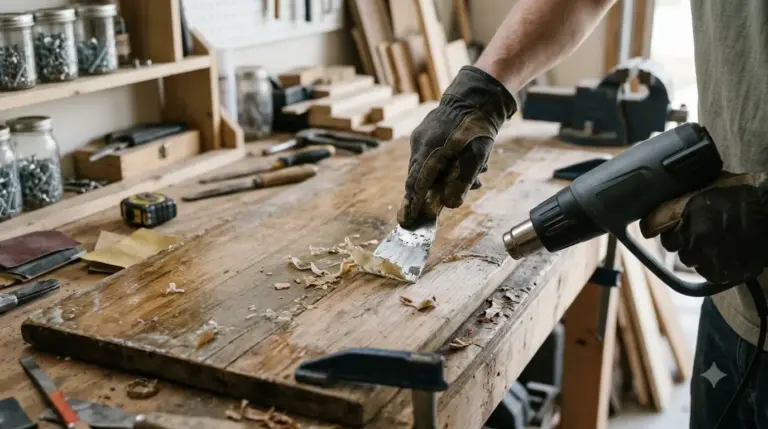 What Will Remove Epoxy from Wood, Metal, Skin and Hair SafelyUpdated Nov 26, 2026
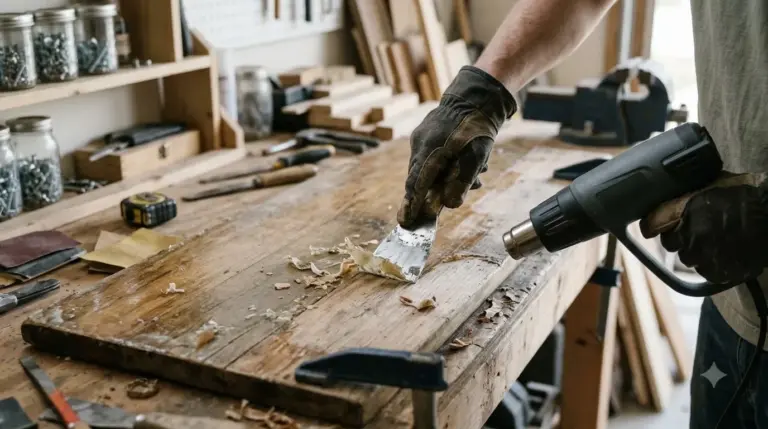 Paint and Epoxy Remover: Which Type Strips Cured Epoxy and Paint SafelyUpdated Nov 26, 2026
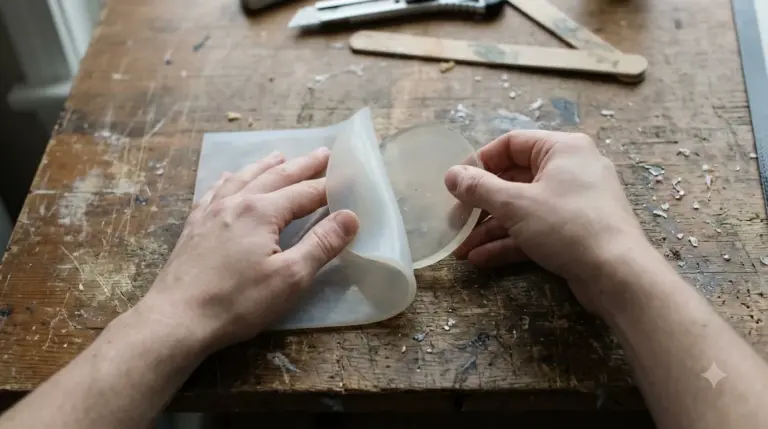 Resin Sticking to Mold? Causes, Release Fixes and Safe RemovalUpdated Nov 26, 2026
 Why Is My Epoxy Bumpy? Causes and Fixes for a Smooth FinishUpdated Nov 26, 2026
 Why Is My Epoxy Separating? Causes and How to Fix ItUpdated Nov 26, 2026