

We may earn a commission when you buy through links on this page, at no extra cost to you. Learn more.
Yes, can epoxy be used outside, but only if you choose a UV-stable formula and protect the surface with a UV-stable topcoat. Most epoxy is not UV resistant on its own, and continuous sun exposure can turn it yellow, hazy and less glossy. Outdoor work also depends on conditions at application: resiners recommends surface temperatures between 60 and 80 degrees Fahrenheit. Wood should be under 15 percent moisture content before you coat it.
Epoxy handles rain, humidity and temperature swings well once it is fully cured. The real threat is sunlight. This guide explains why epoxy changes color outdoors, which products and topcoats manufacturers describe for exterior use, and how to decide whether an outdoor table or countertop is a good fit.
Why Standard Epoxy Yellows and Breaks Down in Sunlight
Standard epoxy starts to degrade when ultraviolet light hits it for long periods. Manufacturers describe the damage as a chemical breakdown that shows up as yellowing, haziness and lost gloss.
Unprotected epoxy in direct sun can change within months. Resiners notes that regular indoor epoxy often starts yellowing after a few months outside, and the surface can become chalky and brittle. Rain itself is rarely the main problem once the coating is cured.
Sun exposure also depends on where you live. TotalBoat says 10 minutes of Florida summer sun may equal a full month of winter sun exposure in Maine. A piece that looks fine in a northern winter can age quickly in a southern summer.
Outdoor-Rated Epoxies and UV-Stable Topcoats
Outdoor performance comes from two layers: a base epoxy with UV-stabilizing additives and a clear topcoat that filters light. Resiners describes marine-grade and UV-resistant epoxies as containing UV absorbers and stabilizers, but notes that even these will eventually yellow after a few years in direct sun.
Smooth-On takes a stricter view in its exterior use FAQ. Its fully cured, unmodified epoxy is suitable for exterior use but is not UV resistant, so it needs priming and painting. Castings can be displayed outdoors after a clear coat of aliphatic urethane, which the company specifically recommends for exterior work.
| Option | What the source says | Typical outdoor use |
|---|---|---|
| Standard indoor epoxy | Yellows in months outside | Indoors or fully shaded spots |
| UV-resistant epoxy | Lasts about 2 to 3 years with minor yellowing | Furniture and decor with some sun |
| Marine-grade epoxy | Lasts about 3 to 5 years with regular care | Wet, humid or coastal locations |
| UV epoxy plus clear topcoat | Estimated 5 to 7 years or more | Tables and countertops in sun |
| Painted epoxy with aliphatic urethane | Recommended by Smooth-On for castings outdoors | Sculptures and display pieces |
Those lifespans are estimates from individual manufacturers and blogs, so treat them as rough planning figures. Always check the technical data sheet for the exact product you buy.
Temperature, Humidity and Curing Limits Outdoors
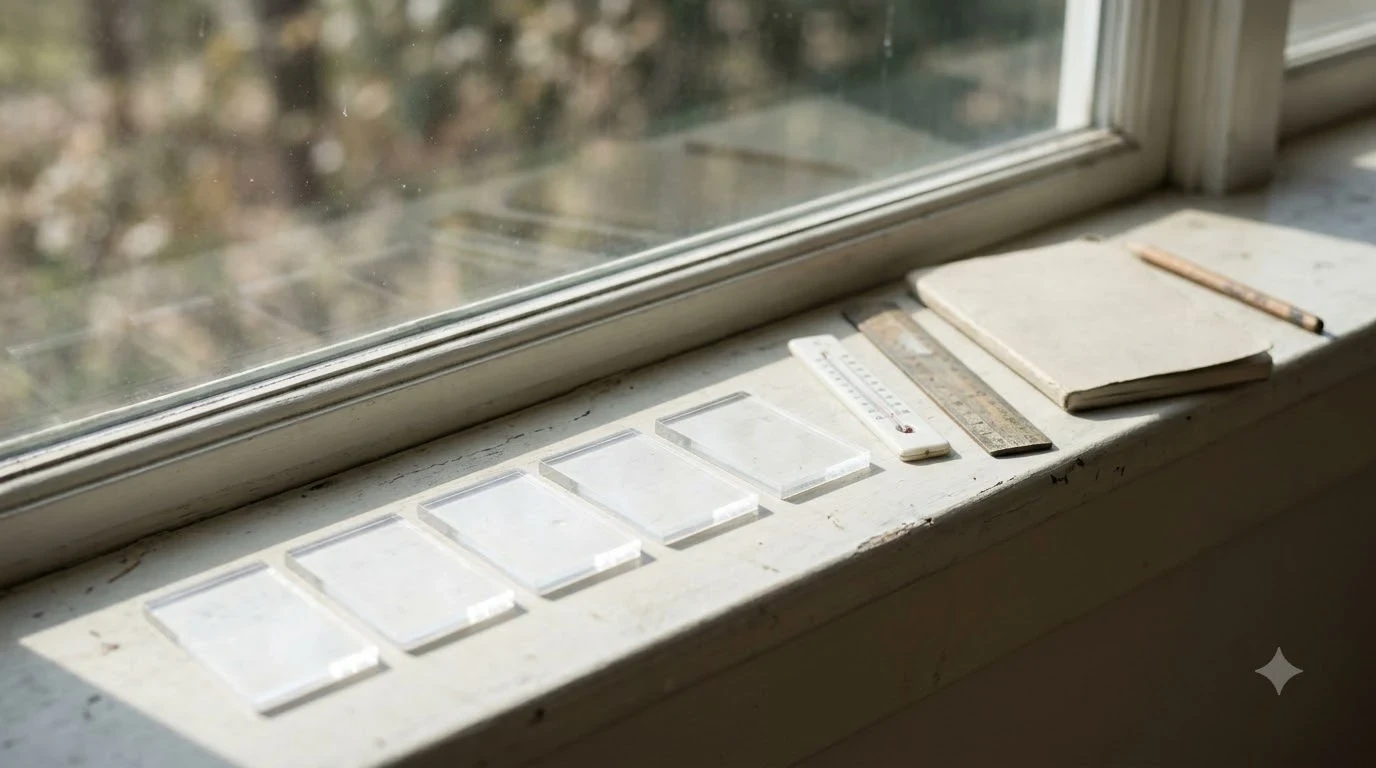
Outdoor epoxy must cure properly before sun or weather can do its work. Resiners recommends applying it at surface temperatures between 60 and 80 degrees Fahrenheit. Below 50 degrees, the epoxy may never fully harden, and above 90 degrees it can cure too fast and end up weak or uneven.
Humidity matters as well. Resiners warns that trapped moisture can leave a cloudy or sticky finish, and it advises avoiding rain within 24 hours of application. Check the forecast before you mix anything.
Direct sun on the surface can cause bubbles and uneven curing. Resiners suggests keeping the surface temperature within 10 degrees of the air temperature and working in shade when you can. Smooth-On adds that outdoor parts should be closed off so moisture cannot get inside, since freeze and thaw cycles can crack a piece over time.
Outdoor Projects: Tables, Countertops and Wood Furniture
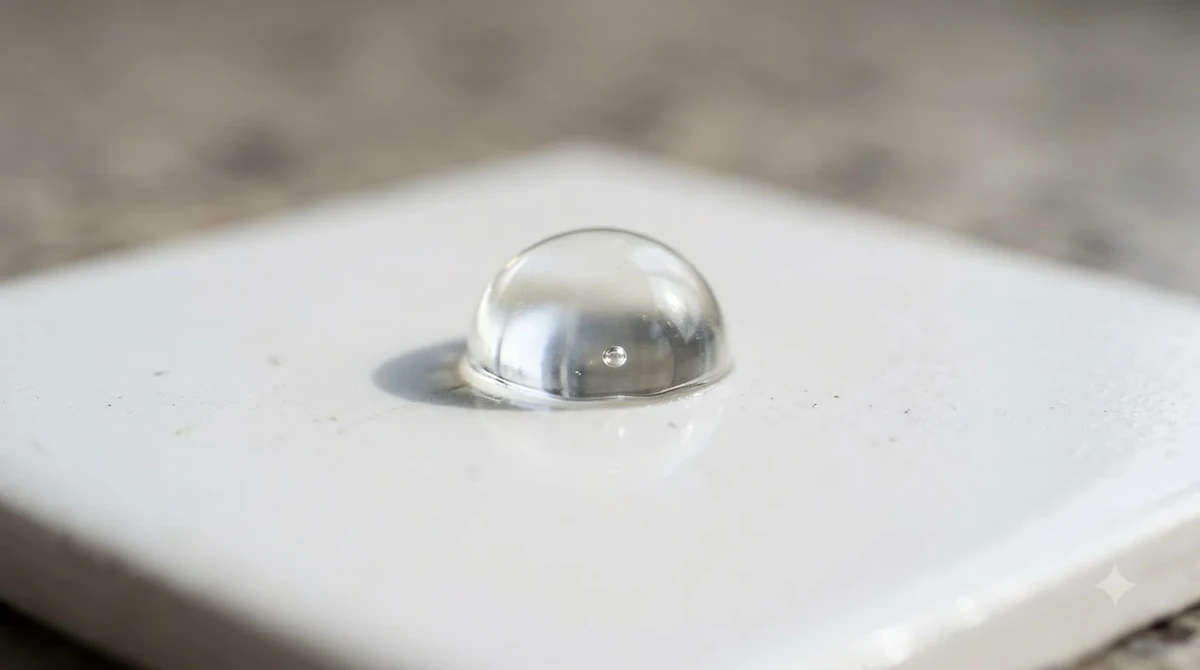
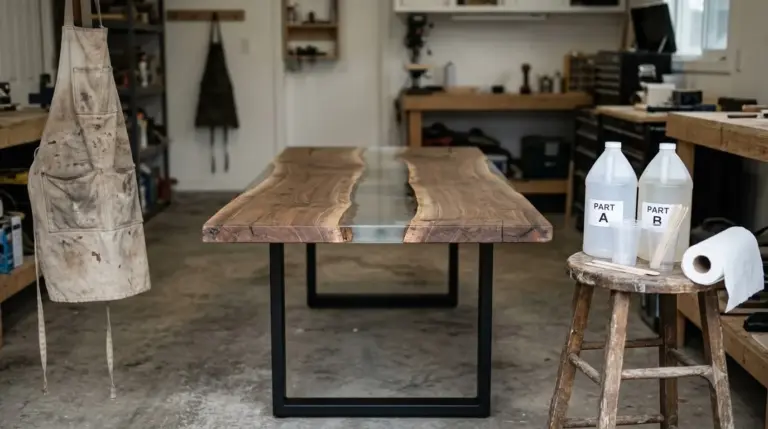
Outdoor tables and countertops are where most problems show up. Epoxy can be used on wood outdoors, but the wood and the coating both need preparation. If a surface will see any sun, plan for a UV-stable topcoat from the start.
Wood must be dry before coating. Resiners says it should be under 15 percent moisture content, and TotalBoat’s UV protection article notes that trapped moisture can make wood expand and contract with temperature swings, which can crack the epoxy. Cedar and teak carry natural oils, so Resiners recommends wiping them with acetone before coating.
A reader comment on TotalBoat’s page describes a redwood outdoor table that yellowed under spar varnish and then needed recoating after an epoxy finish proved not UV stable. The lesson is simple: sort out the finish plan before you pour. For a deeper look at thickness and pour planning, see how thick should a river table be, and for indoor-style surfaces that get regular use, read about diy epoxy countertops.
Surface Prep, Mixing and Application Tips for Exterior Use
Good prep helps the topcoat bond and keeps the finish clear. TotalBoat’s protection steps start with making sure the epoxy is fully cured, then scuff-sanding lightly, then wiping the surface with a dewaxing and surface prep solvent. Let the surface dry completely before the next coat.
- Confirm the cure. Make sure the epoxy is fully hard before you sand or coat it.
- Scuff-sand lightly. Use an abrasive pad so the topcoat has tooth to grip.
- Wipe clean. Use a clean, lint-free rag dampened with a surface prep solvent recommended by the maker.
- Let it dry. Allow the solvent to flash off fully before recoating.
- Apply thin topcoats. Resiners says two light coats usually beat one thick coat.
- Recoat on time. Apply the UV topcoat within three days of the epoxy curing, following the label’s recoat window.
Thin layers matter outdoors. Resiners warns that thick epoxy can cure poorly and crack or bubble in the heat. For exterior castings, Smooth-On specifies a minimum thickness of 3/8 inch and warns that rigid epoxy can crack or shatter in high wind unless it is reinforced.
Safety Gear and Ventilation When Working Outside
Working outdoors does not remove the need for protection. Wear nitrile gloves and eye protection, and keep the area ventilated while you mix and apply. Read the product’s safety data sheet for the exact respirator and ventilation guidance for the resin and topcoat you choose.
Safety: Keep epoxy and solvents away from children and pets, and dispose of rags used with solvent according to the label. Follow the safety data sheet for your specific products.
Wind can also blow dust and debris onto wet resin. Resiners notes that debris can scratch the surface, especially once the finish starts to soften from sun damage. Cover the work area or choose a calm day for pouring.
Troubleshooting Clouding, Tackiness and Peeling
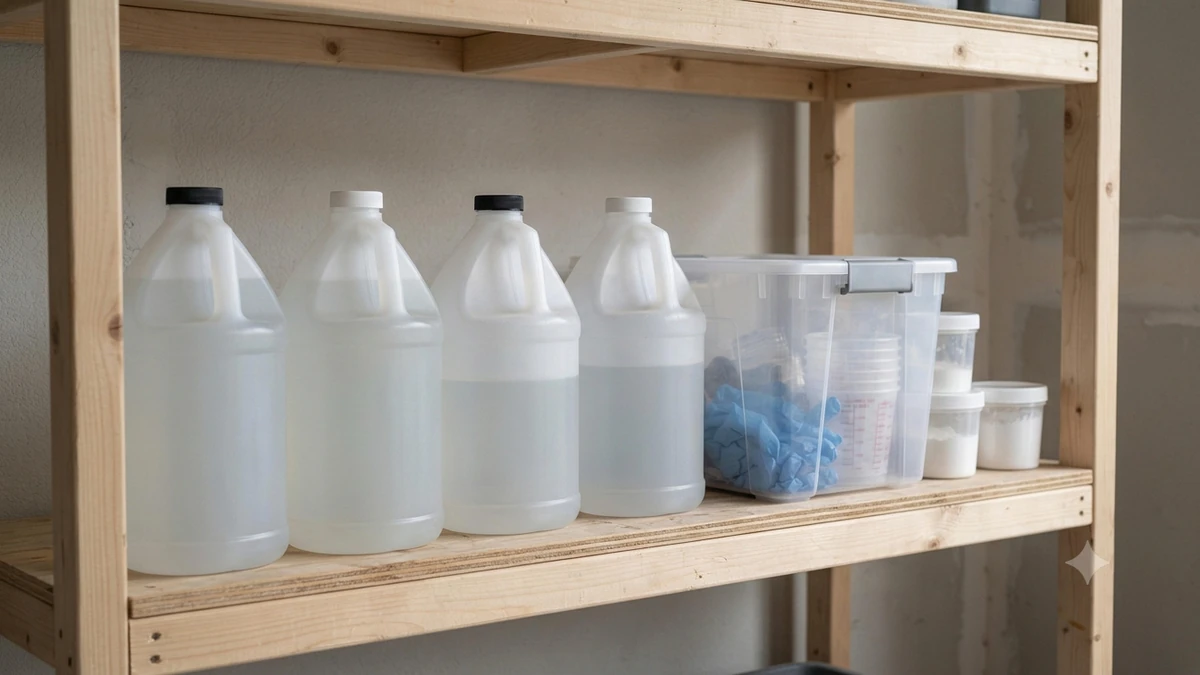
Most outdoor finish problems trace back to moisture, temperature or skipped prep. Clouding and tackiness often point to humidity or rain during cure. Peeling usually means the surface was not cleaned or sanded enough before coating.
| Symptom | Likely cause | Fix |
|---|---|---|
| Cloudy or sticky finish | Moisture or humidity during cure | Wait for dry weather, then sand and recoat |
| Yellowing or haze after months | Sun exposure without UV protection | Sand lightly and apply a UV-stable topcoat |
| Cracks along a wood surface | Wood too wet or expanding with temperature | Confirm wood is under 15 percent moisture before coating |
| Peeling or lifting | Poor prep or trapped moisture | Remove loose coating and reprep the surface |
Check the cure timing before you blame the product. If a surface stays tacky, the mix ratio, temperature or humidity during curing is the first place to look. Your product’s data sheet lists the cure and recoat windows.
Frequently Asked Questions
Can epoxy be used outside in direct sunlight?
Yes, but only with a UV-stable formula and a UV-stable topcoat. Unprotected epoxy in direct sun can yellow, haze and lose gloss. Impact Flooring also notes that epoxy is often installed in shade or covered with a UV-stable sealer.
How often should you reapply UV topcoat on outdoor epoxy?
TotalBoat suggests reapplying every one to three years, depending on sun exposure. Full year-round sun calls for refreshing closer to one year. Resiners suggests every year or two in sunny spots and a longer interval in shade.
What temperature is needed to apply epoxy outdoors?
Resiners recommends surface temperatures between 60 and 80 degrees Fahrenheit. Below 50 degrees, epoxy may never fully harden, and above 90 degrees it can cure too quickly. Keep the surface within 10 degrees of the air temperature.
Can epoxy be used on outdoor wood tables or countertops?
Yes, if the wood is dry, under 15 percent moisture content, and sealed with a UV-stable topcoat. Cedar and teak should be wiped with acetone first because of their natural oils. Once sealed, wood is as exposed to UV as any other coated surface.
Outdoor epoxy works when you match the product to the sun and weather it will face. For most tables and countertops, plan on a UV-stable topcoat and a recoat schedule from day one. Dry wood, a clean surface and the right temperature matter as much as the resin you choose.
More in Wood, Tables & Countertops
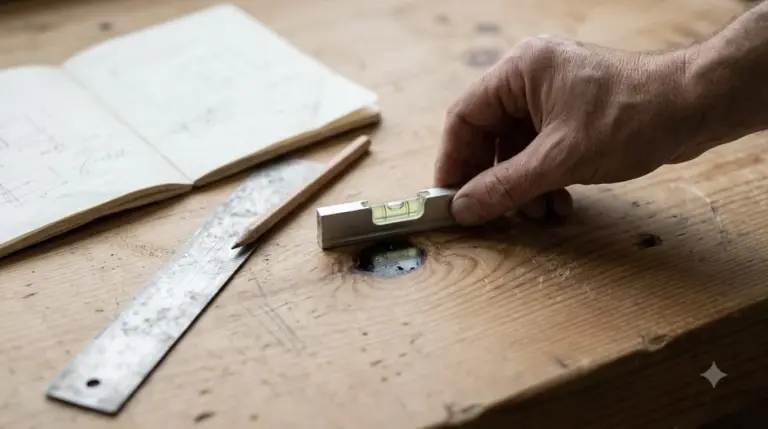 How to Fill Knots with Epoxy for a Smooth, Durable Wood SurfaceUpdated Nov 26, 2026
 How to Epoxy Live Edge Wood: A Step-by-Step Guide to a Flat, Durable TabletopUpdated Nov 26, 2026
 Outdoor Bar Top Epoxy: How to Pick a UV-Resistant Resin and Cure It RightUpdated Nov 26, 2026
 How to Make an Epoxy River Table: Step-by-Step Build for BeginnersUpdated Nov 26, 2026
 Pine Epoxy Table Guide: How to Prep Softwood for a Clean River PourUpdated Nov 26, 2026
 Spalted Maple Epoxy Table: How to Stabilize, Pour, and Care for OneUpdated Nov 26, 2026