

We may earn a commission when you buy through links on this page, at no extra cost to you. Learn more.
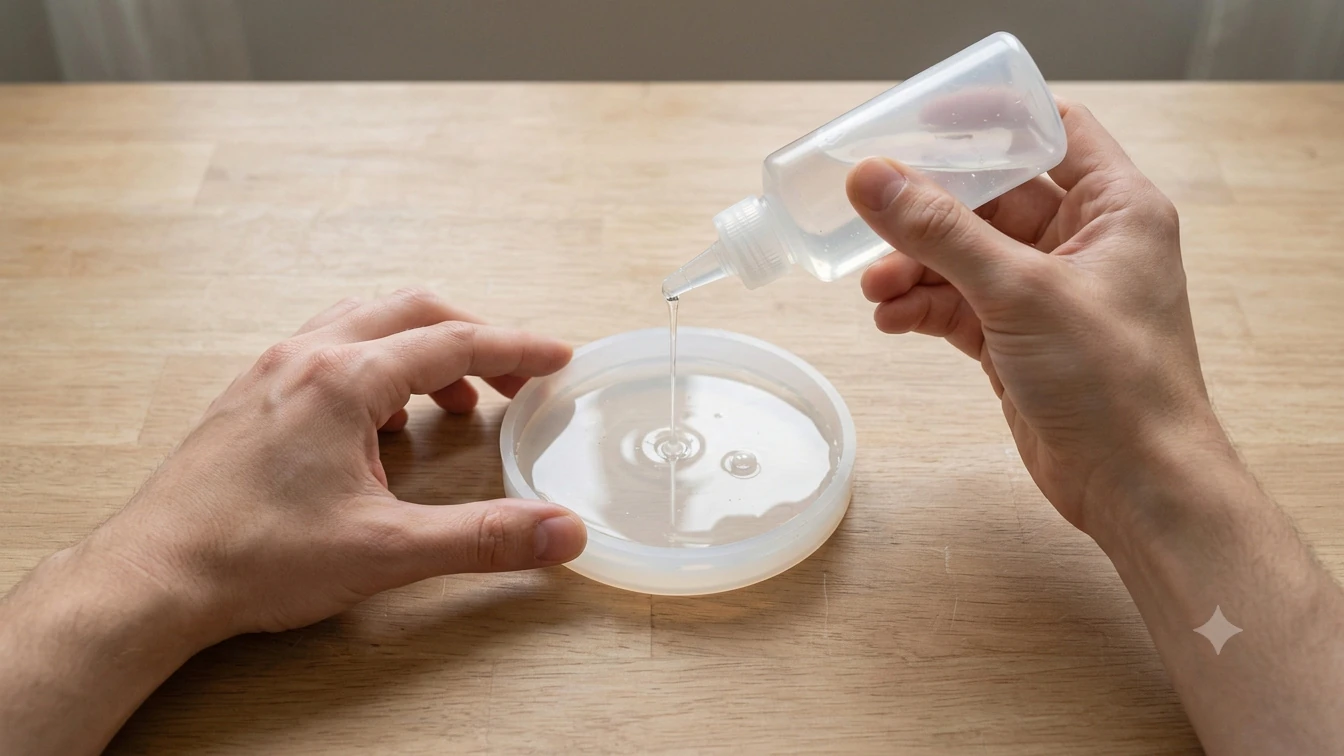
Yes, in most cases you should grease a silicone mold before you do you need mold release for silicone molds with epoxy resin, because the hardening resin can otherwise bond to the mold. Resin-expert advises that you should always grease the silicone mold you use, and that this applies to small castings as well as to larger embedded pieces. Release sprays are typically applied from 20 to 30 cm away and left two to three minutes before optional polishing. A new mold should be treated about three times, with the mold allowed to flash off overnight between coats.
If you cast epoxy or UV resin in silicone, you have probably wondered whether the step is optional. The short answer is that the sources recommend treating the mold, and a small test piece will show you whether your particular setup needs it. This guide explains which resins stick anyway, which release types suit different molds, and how to check before you commit a full pour.
Short Answer: Do Silicone Molds Need Mold Release?
Yes, the safe default is to grease the mold. Resin-expert’s mold release guide states that the hardening epoxy should not be allowed to stick to the mold, and that the same logic applies to furniture or embedded work where resin meets other materials. Meridian Adhesives makes a related point: release agents exist to prevent adhesion where bonding is not wanted.
Silicone is flexible, so a clean, fully cured casting may sometimes pull free without help. You should not rely on that. Treating the mold costs a few minutes, while a casting that bonds to the mold can damage both the mold and the piece. Think of release as cheap insurance rather than a guaranteed requirement.
When Resin Still Sticks to Silicone Molds
Some situations defeat a silicone mold even when the surface looks clean. The most common causes are residue, the wrong release product, and certain resin chemistries. Knowing these cases helps you decide what to check before you mix.
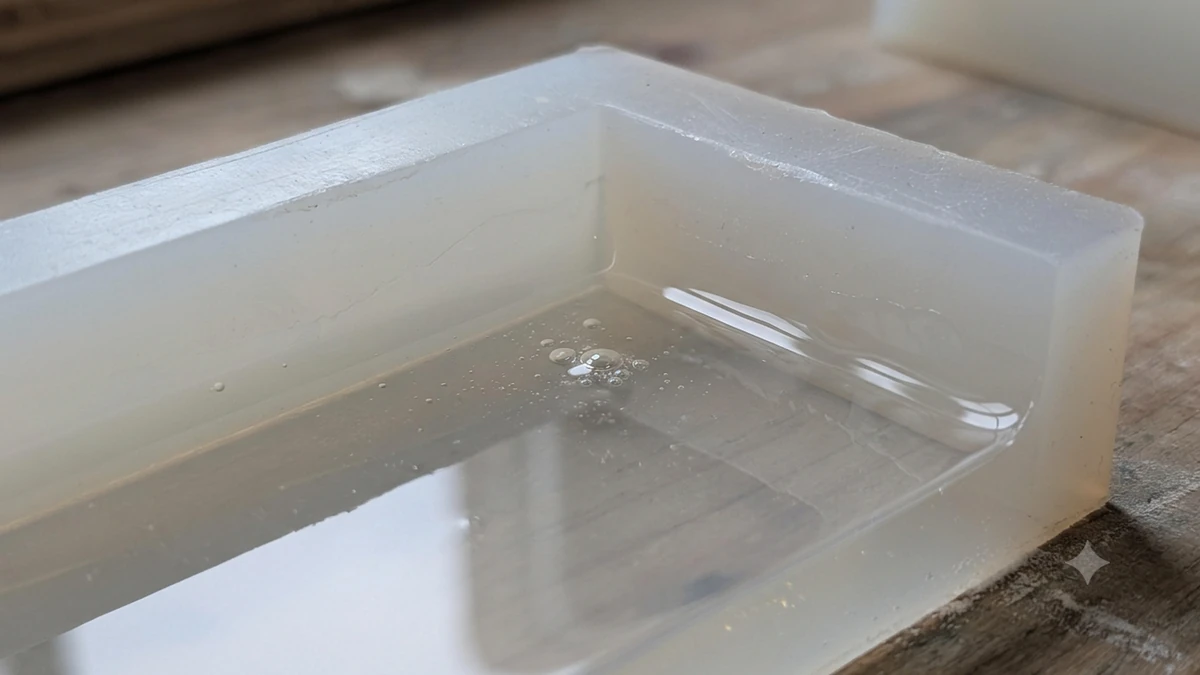
Grease, oil and dirt are the first suspects. Resin-expert explains that these substances stop a release agent from adhering, so it sits on top like an oil slick. The mold must be fully cleaned before any release product goes on. Silicone residue is a separate problem. Meridian Adhesives explains that silicone creates a very low-energy layer that epoxy cannot wet, so the epoxy may cure but bond only to the contaminant.
Cationic-curing systems, including some UV formulations, deserve extra caution. Meridian notes that these resins are highly sensitive to alkaline contaminants, and silicone residue can neutralize the acid catalyst. The result is a tacky, uncured interface. If you have silicone residue anywhere near your UV resin work, clean it before you pour.
Types of Mold Release That Work With Epoxy and UV Resin
Three common release families cover most epoxy casting work. Each suits different mold shapes, and the right choice depends on whether you need a clean, shiny surface or a fast, simple release. The table below summarizes what the sources say about each type.
| Release type | Best suited for | What the sources note |
|---|---|---|
| Release spray (wax with carrier aerosol) | Small, detailed molds with many edges and corners | Sprayed thinly from 20 to 30 cm, then left two to three minutes before optional polishing |
| Release wax | Large, flat surfaces | Shake well, apply with a clean lint-free cloth, polish after about five minutes, and give new molds a second coat |
| PVA release lacquer | Final layer over wax for a glossy finish | Flash off five to ten minutes between applications, and no polishing is needed |
| Silicone-free agents (wax, PTFE, soap-based) | Work where later bonding or coating is planned | Meridian Adhesives recommends these for most applications where downstream bonding matters |
| Petroleum jelly or release wax | Separating silicone from silicone | Resin-expert notes that the Stoner spray is not suitable for silicone on silicone |
Release spray is the most forgiving option for intricate molds because it reaches corners without rubbing. Release wax is better for broad, flat faces. PVA lacquer is commonly used over wax as the last layer before epoxy. Resin-expert also explains that release agents made for epoxy are generally suitable for polyester resin and sometimes polyurethane, but you should always check the product label for your exact resin.
Tip: Use a silicone-free agent whenever you plan to glue, coat or bond the finished casting later. Silicone-based products can interfere with that step.
How to Test Whether Your Mold Needs Release
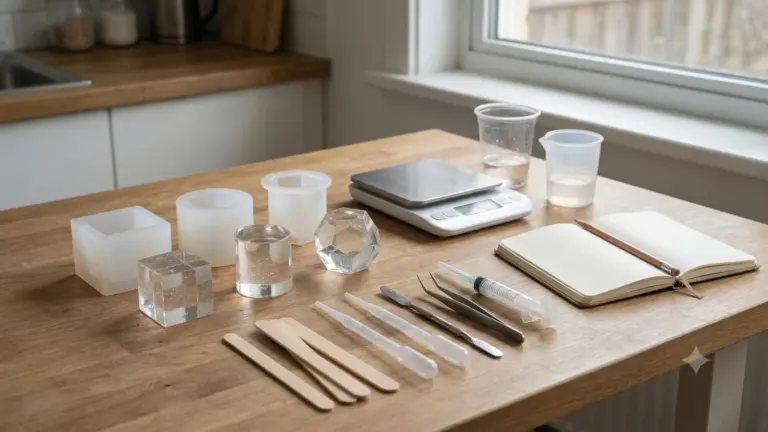
A short test piece tells you more than any rule. Run the test on the same mold shape and resin you plan to use, so the result matches your real project. Give the test the full cure time on the resin label before judging the release.
- Clean the mold thoroughly. Remove grease, oil, dirt and any silicone residue before you test anything.
- Pour a small, untreated sample. Use a corner of the mold and a small amount of resin, and let it cure fully.
- Try a gentle release. Lift the piece slowly. If it comes out cleanly, the mold may tolerate a light release layer or none for that shape.
- Check for tackiness. A sticky or uncured surface points to contamination or a chemistry problem, not a release issue.
- Repeat with a released sample. Apply your chosen agent, follow its flash-off time, and compare. Pick the approach that releases cleanly without clouding the surface.
How to Apply Release Agent Without Clouding Your Casts
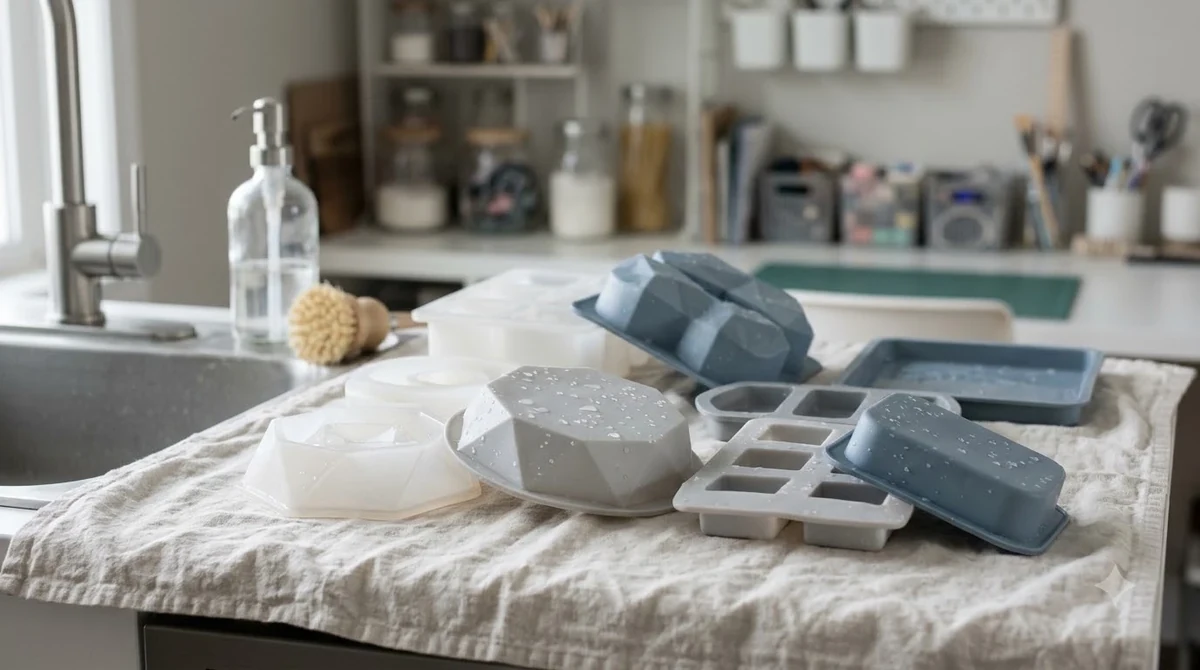
Application technique matters as much as the product you choose. Thin, even coats with proper flash-off times give the cleanest results. Heavy coats are a common reason for haze, buildup and surface defects.
- Clean the mold fully. Remove all dirt, oil and grease before the first coat, as the sources stress.
- Shake the product well. Release wax and spray should be shaken so the components recombine.
- Apply a thin coat. For spray, keep the can 20 to 30 cm from the mold and cover every edge.
- Wait for flash-off. Allow two to three minutes for spray, or about five minutes for wax, before polishing with a soft, lint-free cloth.
- Repeat on new molds. Treat a new mold about three times for spray, with overnight flash-off between coats, and give wax a second coat.
- Add PVA last if you want gloss. Apply it thinly with a sponge, brush or foam, and let it flash off for five to ten minutes.
- Confirm the film is set. For wax, pour only after a tack-free film has formed, which prevents wax and resin from mixing.
Some agents require a specific interval rather than a fixed time. CHILL RELEASE 110, a silicone-based product, lists two to three layers with 15 minutes between coats in one section of its page and 2 to 3 minutes at 22°C in another. Check the instructions for your product and follow the one that matches your conditions.
Safety: Wear nitrile gloves, work in a ventilated space, and read the product safety data sheet before spraying. Keep sprays away from open flame.
Common Mistakes That Cause Sticky or Cloudy Casts
Most release failures come from a short list of errors. Fixing these usually solves the problem without changing your resin. Review this list before blaming the product.
- Skipping the cleaning step, so grease or oil stops the agent from adhering.
- Applying heavy coats, which can leave residue and cloudiness on the cast.
- Pouring resin before wax or spray has formed a tack-free film.
- Using a silicone-based agent when you plan to bond or coat the piece later.
- Using petroleum jelly or wax for silicone-on-silicone work, but expecting a spray that the source says is unsuitable.
Cooking spray is not covered by the sources, so this guide cannot confirm how it performs with epoxy. Test any household product on a small sample before using it on a real mold. Petroleum jelly is mentioned by Resin-expert as an option for separating silicone from silicone, not as a general epoxy release.
Frequently Asked Questions
Can you use epoxy directly in a silicone mold without release agent?
You can try, and some clean silicone molds may release a cured piece without help. The sources recommend greasing the mold anyway, because resin can bond to it. Run a small test first so you know how your mold behaves.
Does silicone mold release work for silicone on silicone?
Resin-expert says the Stoner release spray is not suitable for separating silicone from silicone. The same source suggests a release wax or petroleum jelly instead. Test the chosen product on a scrap piece before relying on it.
How long should release agent dry before pouring epoxy?
Spray usually needs two to three minutes before optional polishing, and wax needs about five minutes. Wax requires a tack-free film before you pour, and PVA needs five to ten minutes of flash-off. Always follow the label for your specific product.
Why does epoxy stick to my silicone mold even after using release?
Common causes include leftover grease, oil or silicone residue, and an insufficient or uneven coat. Meridian Adhesives also notes that cationic UV systems can cure tacky when silicone contaminates the surface. Clean the mold thoroughly and reapply a thin, even layer.
Once your mold is ready, store it flat and clean so the release layer stays even between projects. For more on keeping molds in good condition, read how to store silicone molds. If you are still deciding on a mold for your next project, the guide on how to make a silicone mold for resin covers the mold-making side. You can also browse the Molds & Mold Making section for related gear.
More in Molds & Mold Making
 What Kind of Resin for Molds Gives You Clean, Detailed CastsUpdated Nov 26, 2026
 How to Make Resin Molds for Beginners: Materials, Steps and FixesUpdated Nov 26, 2026
 How to Store Silicone Molds So They Last Through Many PoursUpdated Nov 26, 2026
 How to Make Resin Bowl Molds at Home, Step by StepUpdated Nov 26, 2026
 Can You Use Resin Molds for Candles? What Holds Up to Hot WaxUpdated Nov 26, 2026
 How to Make Resin Keychains with Molds, Step by Step for BeginnersUpdated Nov 26, 2026