

We may earn a commission when you buy through links on this page, at no extra cost to you. Learn more.
How long do epoxy countertops last? Most sources put a DIY epoxy top at 5 to 10 years with careful use. SlabWise’s quick definition gives that range, while its longer guide says 10 to 15 years in low-traffic spots and 2 to 5 years before visible wear in a busy kitchen. Heavy cooking, heat above 150°F, and strong sunlight shorten that window. Correct mixing and a full cure schedule set the baseline for everything that follows.
If you are planning a DIY epoxy countertop, the lifespan question matters as much as the look. This guide explains what changes the number, what the manufacturers and reviewers say, and which habits and repairs keep a surface looking good for years.
What Affects How Long Epoxy Countertops Last
Four factors drive most of the difference between a surface that lasts a decade and one that looks worn in a few years. They are the product type, the quality of the mix and cure, the heat and light in the space, and how you treat the surface every day.
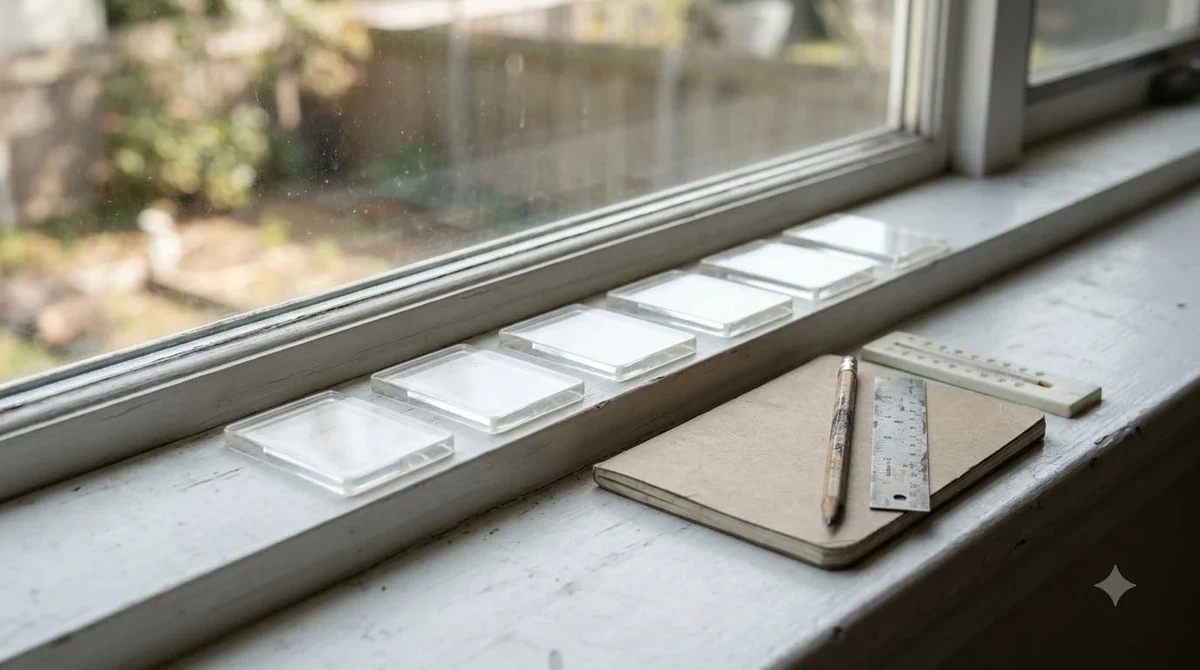
Product type comes first. Standard epoxy is more prone to yellowing than UV-stabilized formulas. TotalBoat’s pros and cons article notes that standard resin tends to yellow with consistent UV exposure, especially near windows. Quality also varies between brands, so the product’s technical data sheet is worth reading before you buy.
Location matters just as much. A bar top, a bathroom vanity, or a craft room counter sees less heat and fewer knife cuts than a kitchen prep area. SlabWise says epoxy does much better in those lower-stress spots. Your countertop’s real lifespan depends on how hard it works, not just on the calendar.
Typical Lifespan by Epoxy Type and Use
Lifespan estimates range widely because there is no peer-reviewed longevity data for countertop epoxy. The numbers below come from the sources, and each one reflects a different use case or a manufacturer’s claim.
| Use or product | Lifespan stated in source | Who gives the figure |
|---|---|---|
| Low-traffic spot, careful use | 10 to 15 years | SlabWise guide |
| Busy kitchen, visible wear | 2 to 5 years | SlabWise guide |
| General epoxy countertop, careful use | 5 to 10 years | SlabWise quick definition |
| Heavy kitchen use | 3 to 5 years | SlabWise quick definition |
| Premium bar and table top resin | At least 7 years without recoating | Primaloc, manufacturer marketing |
The gap between the rows is the lesson. A surface in a quiet room with gentle habits can reach the upper end of the range. The same product on a busy prep counter next to a range may show wear much sooner. Treat the manufacturer’s seven-year claim as a marketing statement, not a guarantee.
UV stability is the other variable. SlabWise says standard epoxy can yellow within one to two years near windows without a UV-stabilized formula. Even UV-stabilized products can yellow eventually, so a sunny kitchen should be planned around, not ignored. Primaloc also advises limiting sun exposure because prolonged direct sunlight can yellow epoxy.
Why Curing and Mixing Ratios Matter for Durability
Mixing and curing set the foundation for the entire lifespan. A surface with a wrong ratio or a rushed cure can fail early, even if the product itself is good. Follow the manufacturer’s ratio exactly and respect each cure stage.
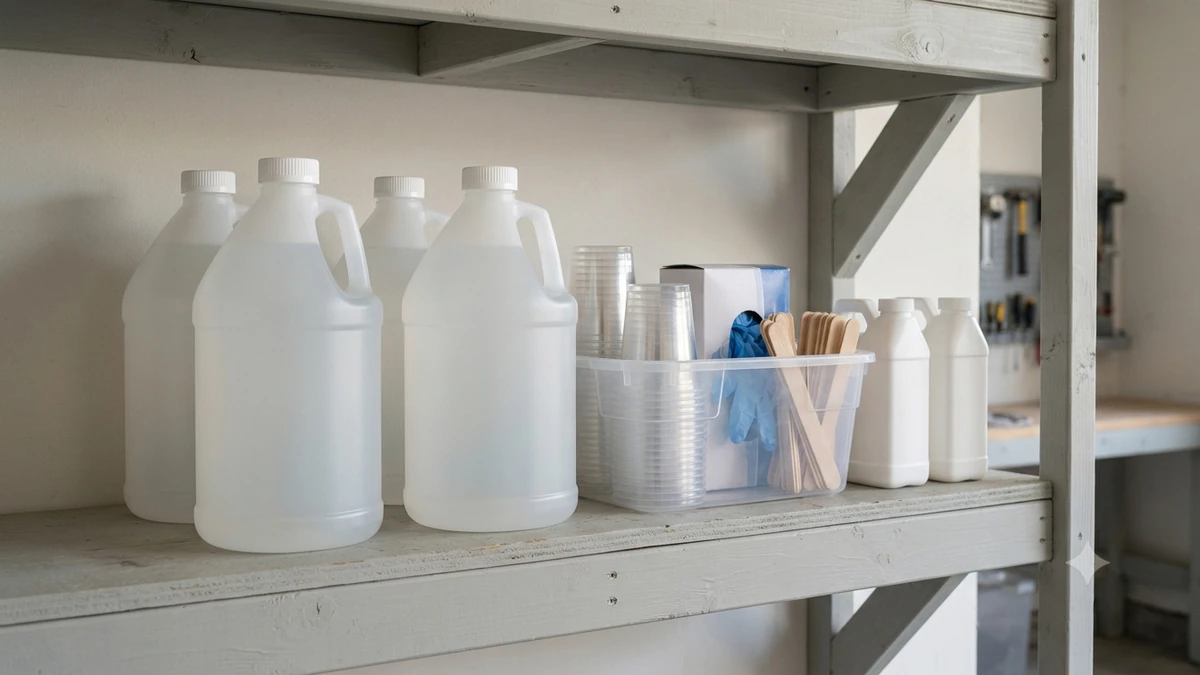
Most countertop kits are mixed at 1:1 or 2:1 by volume, according to the guides reviewed here. SlabWise notes that wrong ratios or lazy mixing can leave a surface that stays tacky. Use graduated mixing cups, scrape the sides and bottom, and mix for the full recommended time. Keep your working time in mind, because most countertop epoxies give you about 20 to 45 minutes before they start to set.
Cure timing is the next stage. The SlabWise epoxy countertop guide recommends a cure schedule that builds in stages. Plan around the room temperature too, since 65 to 85°F is the range the guide gives for curing.
- Hold for 24 hours. Allow light use only after this point, and keep the surface undisturbed.
- Wait 72 hours. Heavier use and placing items on the surface should wait until this stage.
- Allow up to 30 days. Full chemical cure takes this long, so avoid heavy loads and harsh cleaners until then.
Safety: Epoxy resin releases volatile organic compounds while it cures. Wear nitrile gloves, ventilate the room, and check the product’s safety data sheet for how long to keep the space closed. Depending on the product, that can range from 24 hours to a full week.
Daily Care and Damage Sources That Shorten Life
Most long-term wear comes from a short list of habits: hot cookware, knife cuts, abrasive cleaners, and sunlight. Changing these habits does more for lifespan than any single product choice. The surface is durable, but it is not heat-proof or scratch-proof.
Heat is the biggest threat. SlabWise says epoxy softens around 150°F, while the bottom of a hot pan can reach 400 to 500°F. Set hot cookware on a trivet every time. A warm mug is generally fine, but prolonged high heat can cause discoloring, softening, or warping, according to TotalBoat.
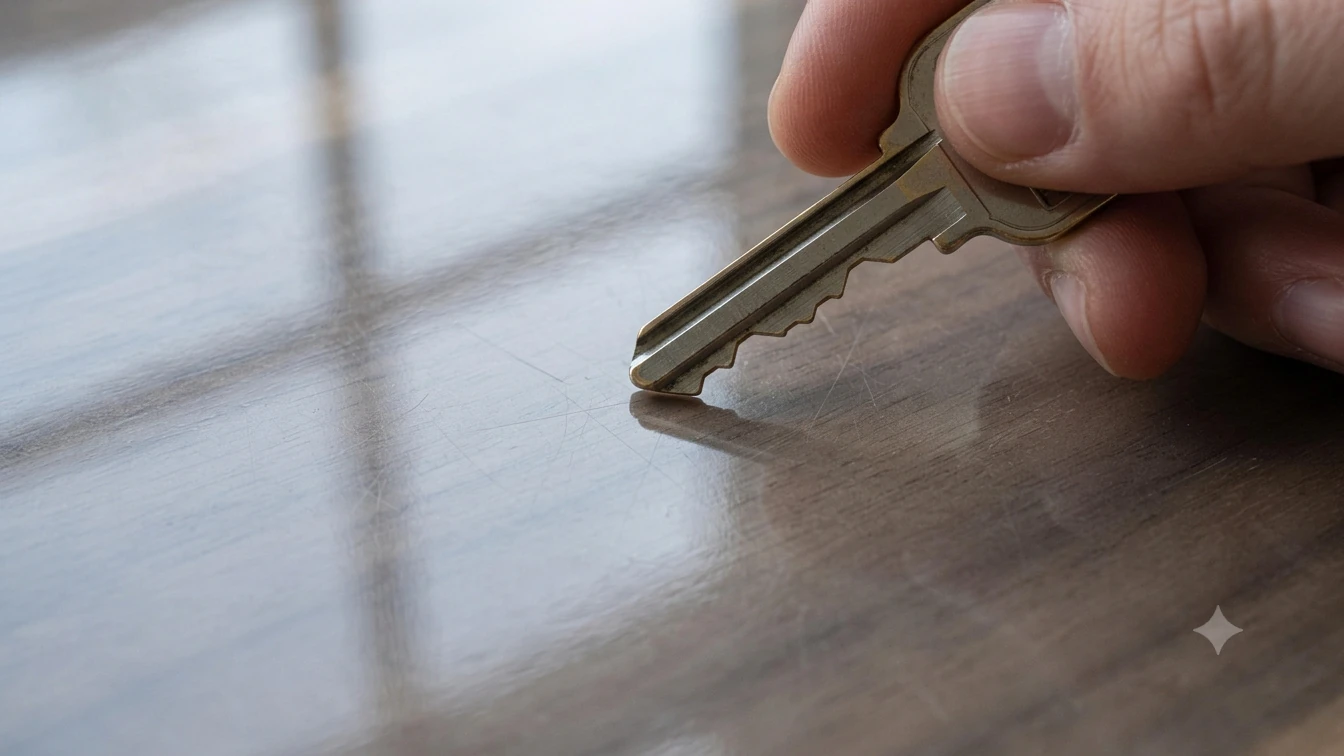
Knives are the second threat. Epoxy measures about 3 to 4 on the Mohs hardness scale, while granite measures 6 to 7. Kitchen knives are harder than epoxy, so cutting on the surface leaves marks that are difficult to hide. Always use a cutting board.
- Use warm water and mild soap for routine cleaning.
- Skip scrubbing pads and powdered cleaners, which dull the gloss.
- Use trivets or pot holders under anything from the stove or oven.
- Limit direct sunlight, and consider pigments that may hide yellowing.
Tip: Keep a dedicated set of cutting boards and trivets near the counter. Removing the habit of setting things down directly is easier than repairing the surface later.
Signs Your Epoxy Countertop Needs Repair or Resurfacing
Watch for changes in gloss, color, feel, and edges. Early signs are usually cosmetic, while soft or tacky spots may point to a curing problem. Catching these changes early gives you more repair options.
Common warning signs include the following:
- Dull patches or a hazy film that does not wipe away
- Accumulated micro-scratches that show in raking light
- White marks or a softened area where something hot sat
- Yellowing near a window or skylight
- Chipped or lifting edges
- Any area that feels tacky or dents under light pressure
A tacky or dented area often points to a mix or cure problem, not normal wear. Deep damage may require a full re-pour, since SlabWise notes that epoxy is repaired by re-pouring the entire surface. Check the product’s data sheet for recoat windows before you start.
How to Repair Scratches, Yellowing, and Dull Spots
Small surface problems can often be improved, but yellowing and deep scratches are harder to reverse. Start with the gentlest method and move to heavier work only if needed. Always read the manufacturer’s instructions first.
- Clean the area. Use warm water and mild soap, then dry the surface fully to see the true damage.
- Assess the damage. Light haze may be a cleaning residue, while cuts or heat marks may need more work.
- Address dull spots. Check the product’s instructions for approved polishing or abrasive steps before using any compound.
- Handle yellowing. Yellowing is difficult to reverse. Many DIYers add a UV-resistant polyurethane topcoat during the finishing stage, which SlabWise lists as an extra layer of UV protection.
- Re-coat or re-pour when needed. Deep scratches and heat damage often require sanding and a fresh layer, following the recoat window on the data sheet.
Set realistic expectations. Scratches that cut into the surface are hard to hide invisibly, according to SlabWise. Prevention through cutting boards and trivets is far more effective than repair after the fact.
Frequently Asked Questions
How long do epoxy countertops last in a kitchen?
SlabWise gives 2 to 5 years before visible wear in a busy kitchen and 3 to 5 years under heavy use. Careful use in a lighter-traffic kitchen can stretch that toward 10 years. The main factors are heat, cutting, and cleaning habits.
Do epoxy countertops yellow over time?
Yes, standard epoxy can yellow, and SlabWise says it may do so within one to two years near windows. UV-stabilized formulas resist yellowing better but do not eliminate it. Limiting direct sunlight slows the process.
How much heat can an epoxy countertop handle?
SlabWise says epoxy softens around 150°F, depending on the formulation. A hot pan bottom can reach 400 to 500°F, so trivets are essential for anything from the stove or oven. A warm mug is generally fine.
Can epoxy countertops be repaired or refinished when they wear out?
Light dullness and surface haze can sometimes be improved, but deep scratches and heat damage are harder to fix. SlabWise notes that epoxy repairs often mean re-pouring the entire surface. Check the manufacturer’s data sheet for approved recoat and sanding steps.
Plan for a realistic lifespan of several years rather than a permanent finish. Read the product’s technical data sheet, follow the cure schedule, and protect the surface from heat and knives. For the full project steps, see our guide on how to epoxy countertops, and compare options in DIY epoxy countertops projects.
More in Wood, Tables & Countertops
 How to Fill Knots with Epoxy for a Smooth, Durable Wood SurfaceUpdated Nov 26, 2026
 How to Epoxy Live Edge Wood: A Step-by-Step Guide to a Flat, Durable TabletopUpdated Nov 26, 2026
 Outdoor Bar Top Epoxy: How to Pick a UV-Resistant Resin and Cure It RightUpdated Nov 26, 2026
 How to Make an Epoxy River Table: Step-by-Step Build for BeginnersUpdated Nov 26, 2026
 Pine Epoxy Table Guide: How to Prep Softwood for a Clean River PourUpdated Nov 26, 2026
 Spalted Maple Epoxy Table: How to Stabilize, Pour, and Care for OneUpdated Nov 26, 2026