

We may earn a commission when you buy through links on this page, at no extra cost to you. Learn more.
How to get resin off hands fastest: wipe off the excess, wash with soap and warm water, then scrub gently before the resin cures. Uncured resin is far easier to remove than cured resin, so speed matters. One DIY Craft Club recipe uses about 1 tbsp of baking soda and about 1 tbsp of liquid soap. IntoResin calls a baby wipe the best and safest first option for most wet resin. Avoid vinegar and alcohol on skin, and wear gloves before you start.
Getting resin on your hands is common, even for careful makers. This guide walks through what to do right away, how to handle resin that has already hardened, which solvents to avoid on skin, and how to recognize a reaction that needs medical care.
What Happens When Resin Touches Your Skin
Resin on skin is usually a nuisance, but it can irritate skin and, in some people, trigger an allergy. Speed is the main factor you can control.
Hirosart describes epoxy as a strong adhesive, so it grips skin and can feel tacky or uncomfortable, especially after it hardens. The site notes that brief contact is usually harmless for most people, while prolonged or repeated contact may cause irritation, rashes or allergies.
Epoxy and hardener are the parts that matter most. Hirosart warns that once mixed, they can emit fumes and cause skin irritation, even when a product is marketed as non-toxic. IntoResin adds that direct contact can cause inflammation similar to allergy or eczema, especially for people with sensitive skin.
Remove Uncured Resin from Hands Right Away
Uncured resin comes off most easily in the first few minutes. Start with the gentlest method and work up to a scrub only if needed.
- Wipe off the excess. IntoResin describes a baby wipe as the best and safest option for removing most wet resin, so start there before touching water.
- Wash with soap and warm water. UltraClear says warm water is best if you have it. Hirosart lists liquid soap as taking about 3 to 10 minutes, depending on how wet the resin is.
- Scrub with baking soda and dish soap. Put about 1 tbsp of baking soda on dry hands with about 1 tbsp of liquid dishwashing soap. IntoResin says not to add water until you finish scrubbing.
- Rinse and check. Rinse with water, then look closely at your fingers, nail beds and the creases between them, where resin often hides.
- Repeat with a sugar or salt scrub if it is still tacky. UltraClear suggests rubbing a mix of 2 tablespoons sugar and 4 tablespoons carrier oil, or 3 tablespoons coarse salt and 1 tablespoon carrier oil, for at least 20 to 30 seconds without water.
- Finish with soap and water and moisturizer. Wash off the scrub completely, pat dry, and apply moisturizer, since scrubbing can dry out skin.
If you have sensitive skin, IntoResin advises diluting any citrus-based cleaner, because concentrated citrus may irritate skin. Stop if your skin starts to burn, itch or redden.
How to Get Cured Epoxy Off Skin
Cured resin is much harder to remove, and it should not be forced off with harsh chemicals. Your best options are abrasion with a gentle scrub and a citrus-based hand cleaner designed for resin.
UltraClear says that if soap and water do not work, an orange hand cleaner such as Fast Orange or Gojo Natural Orange is the next step. These are described as solvent-free, heavy-duty citrus cleaners made to remove resins like epoxy from skin. You can find them at some home improvement and auto parts retailers, and in many online shops. Read the label and follow the directions on the package. UltraClear’s skin removal guide lays out this sequence in more detail.
If you use a cloth to loosen the resin, choose one you do not mind throwing away. UltraClear advises disposing of it carefully afterward. For a broader look at dissolving hardened resin on surfaces, see how to remove epoxy, but keep skin-specific steps separate from those tools.
Safe Solvents and What to Avoid
Many household products that dissolve resin on a workbench are not safe on skin. Use this table as a quick check before you reach for anything.
| Method | What the sources say | On skin? |
|---|---|---|
| Vinegar | Hirosart gives a 5 to 10 minute soak, but UltraClear warns it can make skin absorb resin chemicals | Avoid |
| Rubbing or isopropyl alcohol | DIY Craft Club advises against it on skin; IntoResin uses it on clothing | Avoid |
| Acetone | Hirosart says use 100% acetone, keep it away from fire, avoid open cuts, and ventilate | Use only with caution |
| Hand sanitizer and disinfectant wipes | UltraClear lists Purell, Germ-X and Clorox wipes among items not to use | Avoid |
| Orange citrus hand cleaner | UltraClear describes it as solvent-free and made for resin on skin | Use as directed |
| Baking soda and dish soap | Listed by Hirosart, IntoResin and DIY Craft Club | Use |
| Sugar or salt scrub | Listed by UltraClear and IntoResin | Use |
Not every blog agrees. Mouldd lists rubbing alcohol, vinegar and cooking oil as removal options, while UltraClear and DIY Craft Club warn against vinegar and alcohol on skin. When sources conflict, follow the more cautious advice. Hirosart’s comparison of 10 methods, with time estimates, is a useful reference for the scrubs and cleaners described here. Hirosart’s 10 removal methods compares each option.
Safety: Acetone is flammable and can irritate skin. Keep it away from heat, use it in a ventilated room, and wear gloves. Never use it on open cuts. Check the product SDS for specific handling advice. Background on this topic is covered in How to Get Rid of Epoxy.
Recognizing Epoxy Rash, Sensitization and When to See a Doctor
Most skin contact causes only mild irritation that clears once the resin is removed. Redness, itching or swelling that does not improve needs medical attention.
Hirosart lists redness, itching, swelling and respiratory issues as symptoms to watch for. If you suspect an allergy, the site advises stopping exposure, cleaning the area and seeking medical attention promptly. Repeated contact over time can make some people more reactive, which is why gloves matter from the start.
IntoResin notes that rare resin allergies do happen, especially among people who work with resin often. UltraClear suggests keeping the phone number of your local poison control center handy for emergencies and recommends professional health advice for suspected allergies.
Safety: Contact a doctor if a rash spreads, blisters, swelling grows, or you have trouble breathing. Do not wait for symptoms to pass on their own.
Protecting Your Hands Before You Pour
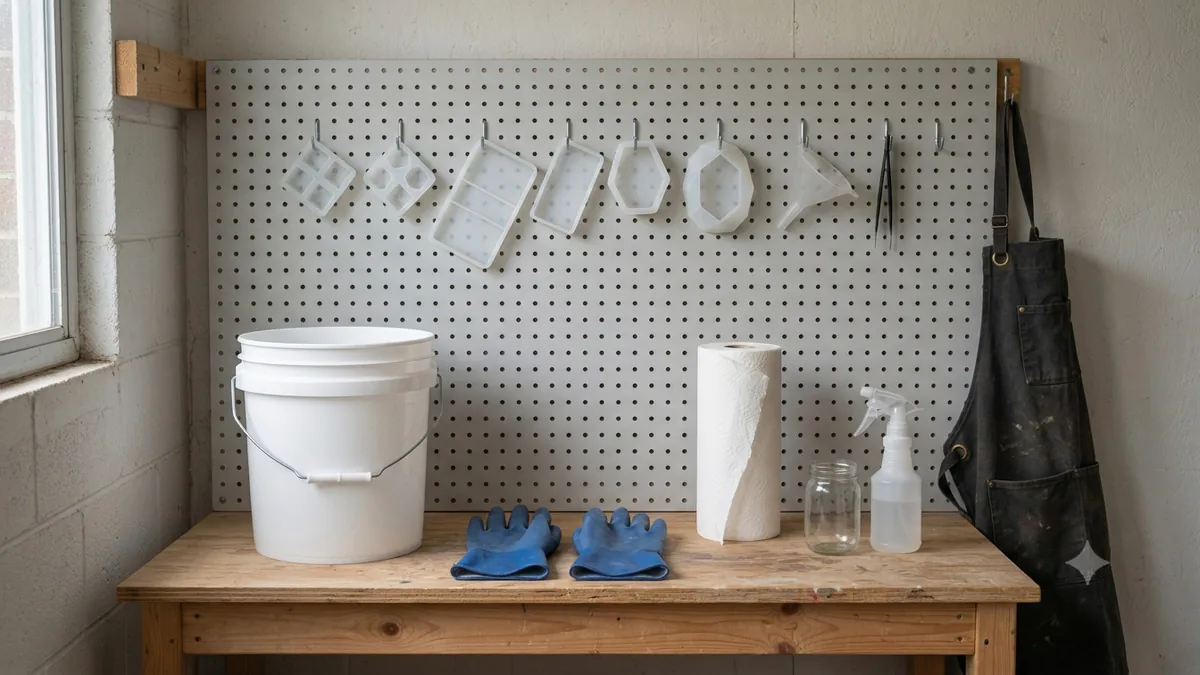
Gloves do most of the protective work, so choose the right material before you open a bottle. Prepare your cleaning supplies before you start mixing.
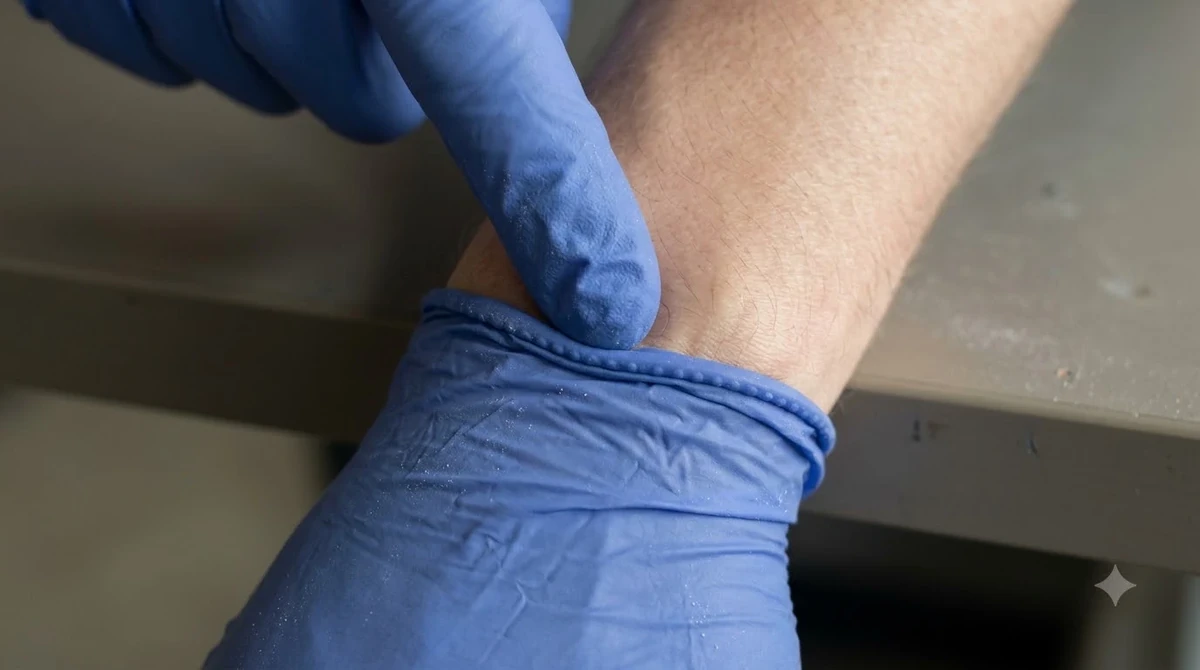
UltraClear recommends butyl or nitrile gloves for epoxy and says latex is not as chemically resistant. DIY Craft Club states that latex gloves do not provide an adequate barrier between skin and resin. The same site says its own team wears pink nitrile gloves and a respirator when working with resin. Check the SDS for the specific glove material it recommends.
Add physical protection too. UltraClear suggests a thick long-sleeve shirt and an apron, and advises organizing your workspace so bottles and cups are not easy to knock over. Keep soap, a baby wipe supply and an orange hand cleaner within reach before you pour.
Tip: Set out your wipes, soap and scrub ingredients before you mix resin. IntoResin notes that cleaning quickly, before resin turns sticky or cures, makes removal much easier.
Frequently Asked Questions
Does vinegar or rubbing alcohol safely remove resin from skin?
Neither is recommended for skin. UltraClear warns that vinegar and solvent-based cleaners can make skin absorb resin chemicals, and DIY Craft Club advises against both vinegar and alcohol. Some blogs list them as options, so use soap, a baking soda scrub or a citrus cleaner designed for skin instead.
What is orange hand cleaner and where can I buy it?
Orange hand cleaner is a heavy-duty, solvent-free citrus cleaner made to remove resin from skin. UltraClear names Fast Orange and Gojo Natural Orange as examples. Some auto parts and home improvement stores carry them, and many online shops do too. UltraClear says several brands seem about equally effective.
What do I do if resin has already cured on my skin?
Start with soap and warm water, then try a salt or sugar scrub rubbed for at least 20 to 30 seconds without water. If resin remains, use an orange hand cleaner as directed on the label. Avoid solvents not intended for skin, and stop if irritation develops.
Is epoxy resin on skin dangerous or does it cause allergies?
Brief contact is usually harmless for most people, according to Hirosart, but prolonged or repeated contact can cause irritation, rashes or allergies. Redness, itching, swelling or breathing problems need medical attention. Wearing nitrile or butyl gloves reduces the chance of repeated skin contact.
Quick removal depends on acting before resin cures, so keep wipes, soap and a citrus cleaner close to your workspace. For more troubleshooting help with sticky or stubborn resin, visit Troubleshooting & Fixes.
More in Troubleshooting & Fixes
 How to Fix Scratches in Epoxy Tables Without Redoing the Whole TopUpdated Nov 26, 2026
 How to Remove Amine Blush From Epoxy Without Starting OverUpdated Nov 26, 2026
 What Will Remove Epoxy from Wood, Metal, Skin and Hair SafelyUpdated Nov 26, 2026
 Paint and Epoxy Remover: Which Type Strips Cured Epoxy and Paint SafelyUpdated Nov 26, 2026
 Resin Sticking to Mold? Causes, Release Fixes and Safe RemovalUpdated Nov 26, 2026
 Why Is My Epoxy Bumpy? Causes and Fixes for a Smooth FinishUpdated Nov 26, 2026