

We may earn a commission when you buy through links on this page, at no extra cost to you. Learn more.
Is resin jewelry safe? Yes, once it is fully cured, most resin jewelry is considered non-toxic and safe for normal daily wear. The risk comes from the stages before that point. Uncured resin releases volatile organic compounds during mixing, pouring and early curing. According to PlasticRanger, epoxy systems typically reach full cure within 24 to 72 hours, so timing matters as much as the product itself.
Resin jewelry is popular with makers and buyers alike, and most safety questions come down to a few details. This guide explains what changes between uncured and cured resin, why some people react to finished pieces, and how to tell whether a piece is ready to wear. It also covers the handling habits that keep you safe while you make it.
Why Some Resin Jewelry Causes Irritation
Most irritation traces back to one of three causes: uncured resin touching skin, skin sensitization built up over repeated exposure, or fine dust from sanding. Each one has different warning signs. Knowing which one you are dealing with makes the fix much easier.
Uncured resin on the skin
Liquid resin and hardener are irritants before they set. PlasticRanger notes that short-term exposure can cause eye, nose and throat irritation, plus skin rashes, especially in sensitive people. The three most hazardous components it names in epoxy systems are epichlorohydrin, bisphenol A (BPA) and amine hardeners. PlasticRanger’s safety overview of resin lists these alongside the common VOCs released during mixing.
Skin sensitization over time
Sensitization is the more serious concern. Each unprotected contact with uncured resin can increase the chance of developing a permanent chemical allergy to epoxy compounds. Once sensitized, even tiny trace amounts may trigger a reaction. The allergy is not always obvious at first, which is why consistent glove use from the first session matters.
Dust from sanding and cutting
Cured resin is generally stable, but sanding or cutting it creates fine particles. These should not be inhaled. Sanding a finished pendant or ring at the bench can put dust into the air quickly, so it is worth finishing pieces in a ventilated area.
Is Cured Resin Jewelry Safe to Wear Every Day?
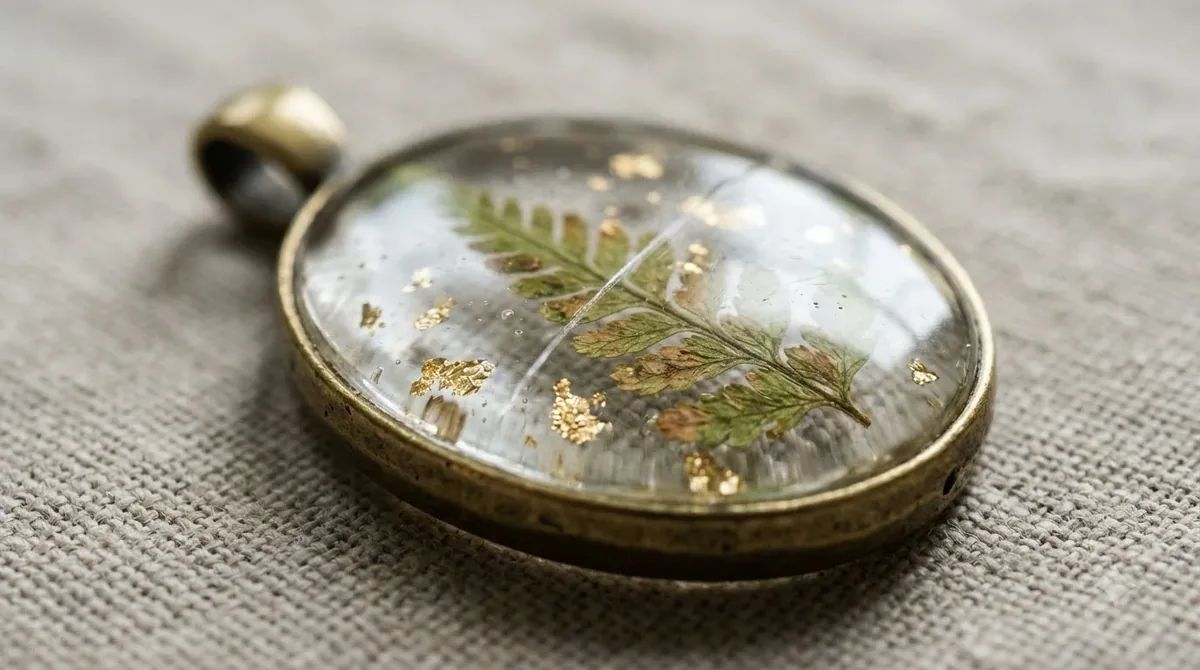
Fully cured resin jewelry is generally considered safe for skin contact and daily wear. ResinPro’s guidance says sensitivity to fully cured resin is rare but possible. Its jewelry resin FAQ also says cured jewelry resins are generally safe for necklaces and bangles that touch skin regularly.
Wear still has limits. Resin is water-resistant but not waterproof, and resin jewelry is usually attached to a metal chain that should stay dry. Prolonged sun exposure can discolor and soften resin. Many care guides also advise taking pieces off before swimming, bathing or sleeping.
If you have sensitive skin, test a new piece on a small area first. Pieces made for infants, toddlers or anyone with a history of skin sensitivity may be better made with hypoallergenic metal findings. Watch for redness, itching or swelling and stop wearing the piece if they appear.

How to Tell Which Cause You Have
Symptoms point to the cause. A sticky surface suggests incomplete cure, while a reaction that appears after weeks of wear can point to sensitization. Use the table below to narrow it down before you change anything.
| Symptom | Likely cause | What to do |
|---|---|---|
| Tacky or sticky surface | Incomplete cure, often from wrong ratio or cold room | Stop wearing it and allow more cure time per the manufacturer |
| Redness or itching right after handling | Direct contact with uncured resin | Wash the area with mild soap and water and use gloves going forward |
| Rash on a piece you wear often | Possible sensitization or metal finding reaction | Remove the piece and check the metal parts separately |
| Cloudy, dull or rough finish | Sanding residue or moisture during cure | Clean gently and polish; check the cure before wearing |
| Odor from a finished piece | Insufficient cure time or ventilation during curing | Let it cure longer in a ventilated space before wearing |
Tip: Use the touch test on a finished piece in a hidden spot. Smooth and dry is what you want. Any tackiness means the piece is not ready.
How to Fix a Tacky or Irritating Piece
Start by stopping all wear and handling. Do not try to speed up cure with heat unless the manufacturer’s instructions call for it. Work through these steps in order.
- Stop wearing the piece. A sticky piece is not fully cured and should not be worn, according to ResinPro guidance.
- Put on nitrile gloves. Use gloves at least 0.1 mm thick, since latex and household rubber can let epoxy compounds through over time.
- Check the cure window. Compare how long it has been since you poured against the 24 to 72 hour range PlasticRanger cites for epoxy.
- Let it cure longer in a ventilated room. Keep it away from living areas and out of direct sun.
- Test the surface again. It should feel smooth and dry with no tack when you touch a hidden area.
- Sand only if needed. Wet sanding reduces airborne dust. Dry sanding should be done with a mask and good airflow.
- Clean gently. Use mild dishwashing liquid and warm water, and avoid acetone and alcohol.
- Dispose of questionable pieces. If a piece still feels tacky after extended cure time or causes irritation, do not wear it. Check the resin’s safety data sheet for disposal guidance.
How to Prevent Problems Next Time
Most problems are preventable with the same habits every session. Measure carefully, protect your skin, and give the piece enough time to finish curing. Consistency matters more than any single product choice.
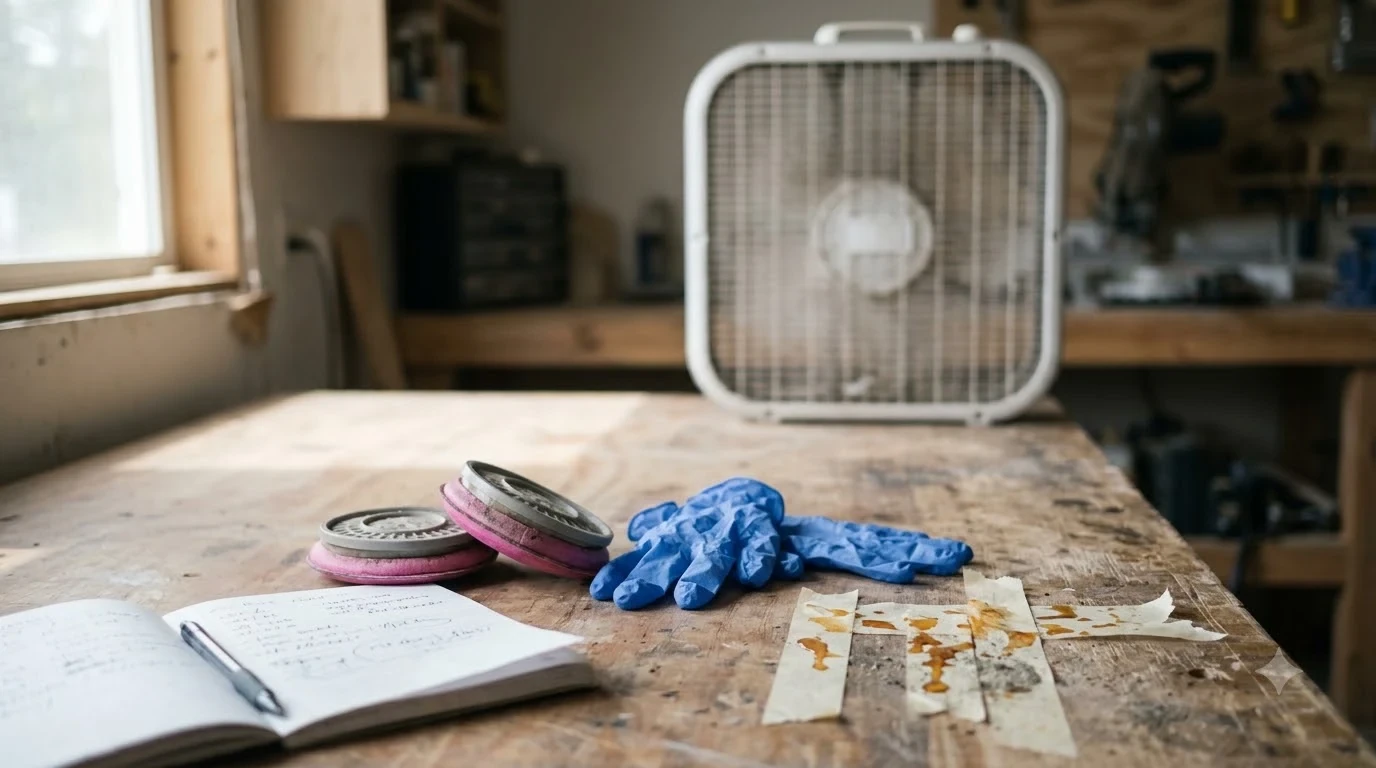
Wear nitrile gloves from the first pour through demolding, and avoid touching your face while you work. Work in a well-ventilated space with a fan moving fumes outward. Eye protection is a good idea when mixing. The PlasticRanger safety list also recommends keeping children and pets out of the workspace during mixing and early curing.
Follow the manufacturer’s mix ratio exactly. Some jewelry resins, such as ResinPro’s One-2-One epoxy, use a 1:1 mixing ratio. Other products use different ratios, so read the label every time. Our step-by-step guide to making resin jewelry covers pouring layers and demolding in more detail.
Safety: Work with gloves, ventilation and the product’s safety data sheet on hand. If you are pregnant or trying to conceive, check with a physician before handling resin.
Frequently Asked Questions
Can resin jewelry cause skin allergies?
It can, though ResinPro describes sensitivity to fully cured resin as rare but possible. The bigger risk is repeated contact with uncured resin, which can lead to a permanent allergy to epoxy compounds. Testing a new piece on a small area helps if your skin is sensitive.
How long does resin need to cure before it is safe to wear?
PlasticRanger says epoxy typically reaches full cure within 24 to 72 hours. Always follow the manufacturer’s cure time, since UV resin and other types can differ. A piece that still feels sticky is not ready to wear, regardless of elapsed time.
Is UV resin jewelry safer than epoxy?
UV resin cures faster and often produces fewer sustained fumes, according to PlasticRanger. However, uncured UV resin still contains monomers and oligomers that can be harmful if ingested or absorbed through skin. Cure thoroughly in every layer, especially in thicker pieces.
Is resin jewelry safe for kids?
Resin pieces are not typically recommended for small children. Children should not handle unmixed resin, and any resin project should happen under close adult supervision. For infants or toddlers, hypoallergenic metal parts are often suggested instead.
Resin jewelry is safe to wear when it is fully cured, kept dry, and made with careful handling. Check each piece for tackiness, protect your skin while you work, and sand in a ventilated space. For more background, see our resin jewelry ideas and the jewelry casting projects section.
More in Jewelry, Casting & Small Makes
 How to Make Resin Bookmarks: Materials, Steps and Cure TimesUpdated Nov 26, 2026
 How to Make Resin Knife Handles That Cure Clear and Polish WellUpdated Nov 26, 2026
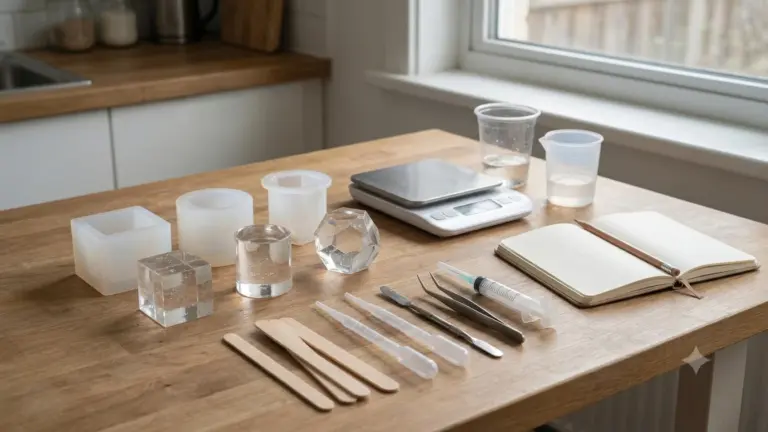 Resin Casting for Beginners: Pick the Right Resin and Pour Clean CastingsUpdated Nov 26, 2026
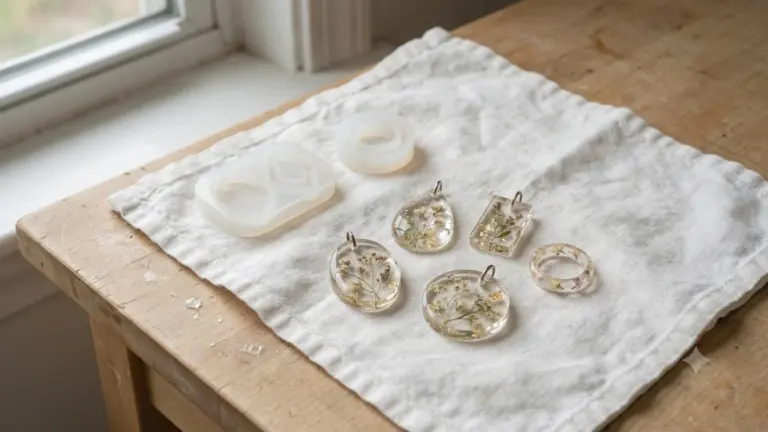 How to Resin Jewelry Without Bubbles, Cloudy Spots, or Failed CuresUpdated Nov 26, 2026
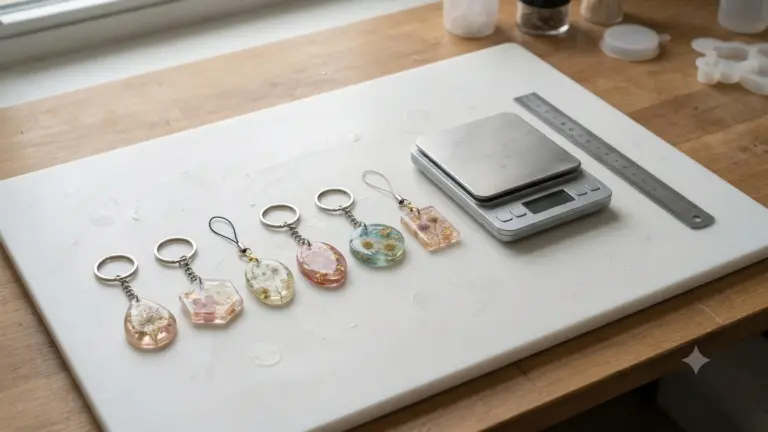 Popular Designer Keychains in Resin: Styles, Resins and Steps to Make Them at HomeUpdated Nov 26, 2026
 River Table Mold: How to Choose, Seal and Release Your Epoxy PourUpdated Nov 26, 2026