


We may earn a commission when you buy through links on this page, at no extra cost to you. Learn more.
You can use spray paint in epoxy, but many aerosols curdle, fisheye or crack under a resin coat unless you seal them and allow proper cure time first. One SWAYLOCKS forum thread describes an oil-based aerosol that beaded up under a gloss epoxy coat. Sources also point to a 12-hour window before topcoating some 2K spray systems and a general full-cure range of 24 to 72 hours for epoxy spray paints. Always test on a scrap piece before you commit a finished project.
Epoxy and resin hobbyists often want color in the layers, whether that means a metallic swirl on a countertop, a stripe on a river table or a painted accent under a clear pour. Spray paint looks like a quick way to get there. The chemistry is less forgiving than the can suggests, so the details of timing, sealing and paint type matter. This guide explains what happens when aerosol paint meets resin, the prep steps that reduce failures, and safer options if you want to add color.
What Happens When You Spray Paint Epoxy
Spraying paint onto fresh or poorly cured resin and spraying paint onto fully cured resin produce very different results. The first can lead to beading, curdling and lifting. The second is more predictable, though it still depends on the paint and the base coat.
A SWAYLOCKS forum user reported spraying Rust-Oleum Painter’s Touch, an oil-based paint, onto a surfboard before a gloss epoxy coat. According to that post, the epoxy beaded up or curdled over the painted areas while some spots stayed fine. The user had not checked compatibility beforehand, which is a common mistake with rattle cans bought on price alone.
Fisheyes are another common report. Forum members describe small craters where the resin pulls away from a contaminated or incompatible surface. Fisheyes often appear when a coating has residue, when the paint is still reactive, or when the resin cannot wet the surface evenly. Sanding and resealing usually fix the surface before you try again.
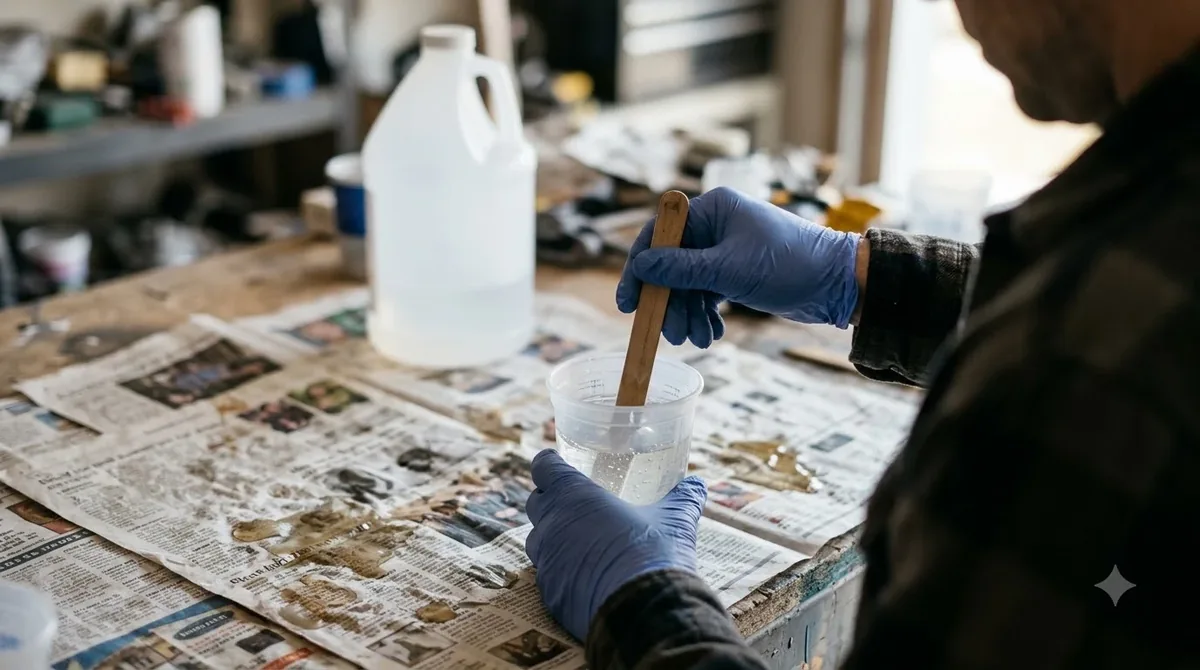
Spray Paint in Resin Versus Cured Epoxy
Mixing spray paint into resin and spraying paint onto cured resin are separate jobs. Aerosols are designed to atomize and dry on a surface, not to blend into a resin batch. Some products are marketed for use in epoxy systems, but you should still follow the maker’s instructions and confirm how the product behaves with your resin.
Xtreme Polishing Systems markets its Rockhard Metallic Spray Epoxy Paint for marbling, veining and metallic swirls on epoxy floors and epoxy countertops. The product page says the maker formulated it for blending with epoxy resin systems, and it lists applications including walls and artistic epoxy projects. That is a manufacturer claim, so read the technical information from the seller before you use it in a pour.
Spraying onto cured epoxy is a different question. ResinPro’s guidance on clear lacquer says a lacquer spray over cured epoxy or polyurethane is generally achievable once the base has hardened. The same page warns that the biggest risk is a base that is still too soft or reactive, so a tacky surface is too early to overcoat.
| Approach | What the sources say | Main risk |
|---|---|---|
| Metallic spray used for swirls on a floor or countertop | The maker says it blends with epoxy resin systems | Confirm compatibility and test first |
| Clear lacquer sprayed on cured epoxy | Generally achievable once the base is fully cured | Lifting or clouding if the base is soft or unclean |
| Standard aerosol under a resin pour | Forum reports describe curdling, fisheyes and cracking | Hard to predict without a seal coat |
For river tables and countertops, the safest path is usually to paint, let the paint cure fully, seal it, and then pour. Metallic floor paints are sold for epoxy floors, but a floor coating and a thin pour over a painted pinline place different loads on the paint. Check the maker’s cure guidance for your specific product.
Why Solvent-Based Aerosols Cause Problems
Solvent-based and oil-based aerosols are the main source of trouble in forum reports. Some of these paints can react with the resin, soften under it or fail to bond. The problem is not always visible until the epoxy goes on and starts to pull away.
The Protek Paint product page for its 2K Epoxy Reusable Spray Paint warns that alkyd or solvent coatings may react, and it recommends a basecoat compatibility test on a dry sample surface before covering them. That advice applies to any solvent-based paint you plan to put under a clear coat. It is a useful habit even if you are not using the same brand.
Forum users reported cracking and splitting when Rust-Oleum spray paint was covered with epoxy. One member said matte finish spray paint worked better than gloss or semi-gloss. Another reported that fisheyes were common with Montana black and gold aerosols. Results varied, and members said the outcome was still unpredictable, so treat these reports as warnings rather than guarantees.
Contamination is a separate cause. ResinPro notes that the surface must be clean, dry and free from wax, silicone or release agents before you spray. Residue from hand cream, mold release or a silicone-based cleaner can cause the same craters that look like a paint failure.
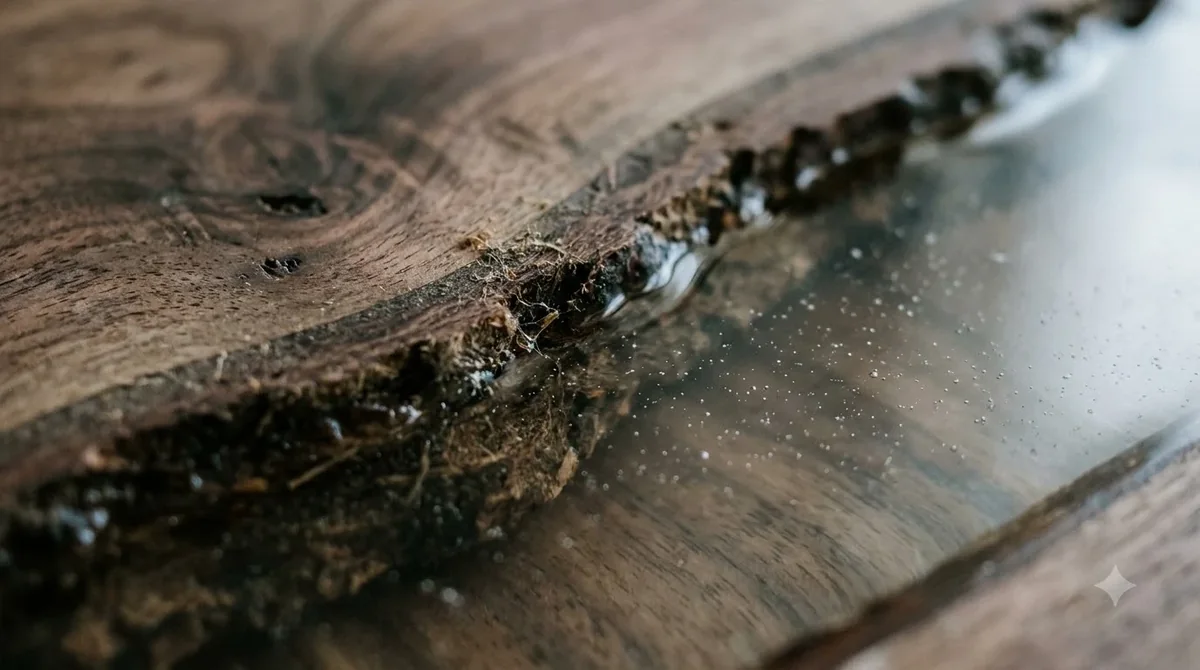
Prep and Sealing Steps Before Spraying
Good prep reduces most failures. The steps below combine guidance from a resin supplier, a spray paint maker and forum users who documented their results. Follow the manufacturer’s cure times for your exact products, because general ranges are only a starting point.
- Confirm the base is fully cured. ResinPro says a tacky or soft surface is too early to overcoat. A general epoxy spray paint guide gives a full-cure range of 24 to 72 hours.
- Clean the surface thoroughly. Remove wax, silicone, grease and release agents, then let the surface dry completely.
- Test on a scrap or a discreet patch. Spray a small area, let it dry for the time the maker lists, and check for lifting, wrinkling or clouding.
- Spray thin, even coats. The general guide advises allowing each coat to dry before the next. Heavy coats trap solvent and make fisheyes more likely.
- Seal the paint. One forum user reported sealing Duplicolor spray paint with Mod Podge, letting it dry for 24 hours, then sanding with about 220 grit before epoxy.
- Apply a thin squeegee coat of resin. Mix a small amount, spread it as thin as you can, and wait until it is tacky.
- Sand lightly, then apply the full coat. A forum user described a rough sand with 60, 80 and 100 grit before the hotcoat. Wipe away dust before you pour.
Tip: Wetsanding very fine paint before the squeegee coat is a method forum members describe. Avoid sanding through the paint, since the bare layer below may react differently.
For 2K aerosol systems, the Protek product page lists specific timing. It says to shake the can upside-down for 3 minutes and spray at about 25 cm, or 6 to 8 inches. It also says a topcoat can follow a primer after 12 hours, and that infrared drying at about 40 minutes can speed things up. Use those numbers only for that product.
Safer Alternatives: Acrylic and Water-Based Options
Many experienced hobbyists move away from aerosols and choose water-based paints. Forum members said water-based paints generally performed better under epoxy than solvent-based aerosols, and one user reported better results with MTN water-based paint than with aerosol. Water-based pens also got positive comments, though members noted that pen tips may not suit large pinlines.
If you prefer acrylic, the same basic rules apply. Let the paint cure fully, seal it, and test before the pour. You can read more about acrylic paint in resin before you decide how much color to add. Thin, well-cured acrylic layers are a common starting point for hobbyists who want to avoid the aerosol problems described above.
| Option | What users or sources report | What to check |
|---|---|---|
| Water-based paint or MTN water-based paint | Forum users report better results than aerosols under epoxy | Seal, sand and test on scrap |
| Water-based paint pens | Members report pens seem better than aerosols in general | Tip size for wide pinlines |
| Water-based clear coat spray | One forum user used a water-based clearcoat before a squeegee coat | Dry time and sealing compatibility |
| 2K epoxy spray system | Manufacturer lists cure and topcoat timing | Basecoat compatibility and dry times |
Some hobbyists also avoid color under the resin entirely. They add pigment to the pour instead, or they place colored inclusions in a clear layer. Each method has its own tradeoffs, and you can compare them with the basics on the Inclusions and Embedding page before you commit to a design.
Safety and Ventilation for Spray Projects
Spray paint and epoxy both call for good airflow and protective gear. A general epoxy spray paint guide recommends gloves, goggles and a respirator, along with a well-ventilated work area. Read the safety data sheet for each product, since the hazards and required protection can differ between a rattle can and a 2K system.
Heat and fabric limits matter too. The same general guide says standard epoxy spray paints may not withstand extreme heat, and it is not recommended for fabric or upholstery. Keep painted pieces away from heat sources until the cure is complete and the maker’s temperature guidance is clear.
Safety: Wear nitrile gloves, eye protection and a respirator rated for the product. Work outdoors or in a space with strong airflow, and follow the safety data sheet for each paint and resin.
Frequently Asked Questions
Can you spray paint epoxy without it curdling or fisheyeing?
Standard aerosols often cause problems, so the safest approach is to seal the paint first. Forum users report that a thin squeegee coat, a light sand with rough grit and then a full coat reduced fisheyes. Results still vary, so test on scrap before a finished piece.
What spray paint is safe to use under epoxy resin?
No spray paint is safe in every situation. Forum members reported better results with matte finishes and water-based paints than with some gloss aerosols. Check the safety data sheet and the maker’s compatibility notes, then run a test patch with your exact resin.
How long should spray paint cure before pouring epoxy over it?
A general epoxy spray paint guide gives a full-cure range of 24 to 72 hours, so the exact time depends on the product. Some 2K systems list a 12-hour wait before topcoating and a drying aid that can shorten the sanding step. Follow the manufacturer’s cure instructions rather than a generic number.
Is Rust-Oleum spray paint compatible with epoxy resin?
Forum users reported cracking, splitting and curdling when Rust-Oleum paints were covered with epoxy, so compatibility is not assured. One member said a matte finish performed better than gloss. Test a sample before using it under a pour, and confirm the product details on the label.
Spray paint can add color to epoxy projects, but it adds risk. Seal the paint, let it cure fully, test a small area, and consider water-based options if you want fewer surprises. Use the steps above as a starting point, then adjust them to your products and the maker’s instructions.
More in Inclusions & Embedding
 How to Mix Glitter into Resin Without Clumping or SinkingUpdated Nov 26, 2026
 Resin Projects with Dried Flowers: How to Prep, Seal and Cure Them RightUpdated Nov 26, 2026
 Hair in Resin: Why It Floats, Bubbles or Yellows, and How to Prevent ItUpdated Nov 26, 2026
 Wood in Resin: Which Woods Work and How to Seal Them for Clear, Bubble-Free ResultsUpdated Nov 26, 2026
 Can You Put Fresh Flowers in Resin? Why They Brown and How to Dry Them RightUpdated Nov 26, 2026
 How to Preserve Dried Flowers in Resin So They Stay Bright and FlatUpdated Nov 26, 2026