


We may earn a commission when you buy through links on this page, at no extra cost to you. Learn more.
You can put succulents in resin, but live succulents rarely survive being sealed inside it. A living plant keeps moving water and gas, and a cured casting gives that moisture nowhere to go. According to Promise Epoxy, live flowers can fade and release moisture that forms bubbles, so drying plant material first is the safer route. Dried or preserved pieces, placed in a resin that is mixed and cured to the label directions, are the practical choice for most encasing projects.
This guide explains why live succulents struggle in epoxy and polyester casting resin. It also covers how to choose a resin, prepare plant material, pour in safe layers, and handle curing and cloudiness. If you are new to embedding objects, the basics are covered in our Inclusions & Embedding overview.
Can You Put Succulents in Resin?
Yes, you can encase succulent pieces, but a living plant and a sealed casting seldom work well together. The outcome depends on whether the plant is alive, dried, or only a decorative replica. Each option behaves very differently once the resin cures.
Live plants need light, air exchange and a root zone that can dry out. A resin block offers none of those conditions, so the plant is effectively sealed away from its environment. Most hobbyists who want the look of a succulent use dried material or a silicone-molded resin succulent instead.
Resin succulents are a separate project. A silicone mold lets you cast leaf-shaped pieces that can be glued onto a frame or pot. One craft blog pours two colors into each mold segment, taps the mold to bring bubbles up, and pops the rest with a long arm lighter. The same blog attaches finished pieces with a high heat glue gun. If you want to color the pieces, the approach is similar to acrylic paint in resin, though pigments behave differently.
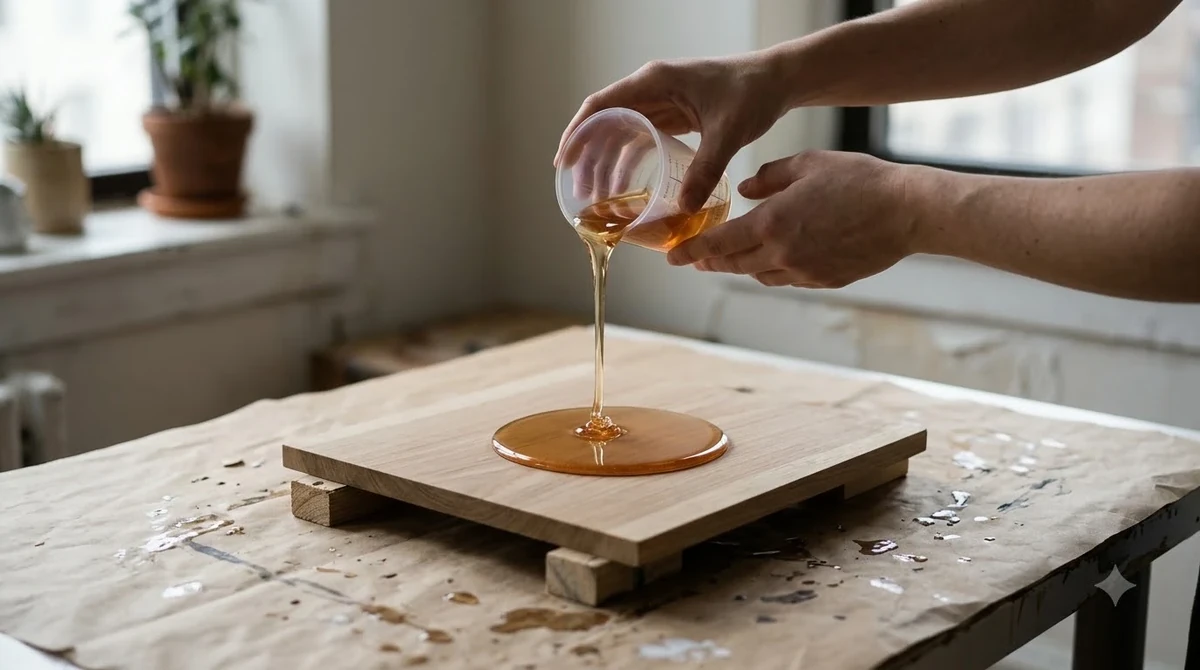
Why Live Succulents Die in Epoxy
Live succulents usually decline because moisture and air are trapped around the plant. Epoxy and polyester resins are designed to cure hard and sealed, not to let a plant breathe. The result is a slow decline that can look sudden once the damage shows.
Promise Epoxy notes that live flowers fade and release moisture that causes bubbles. The same moisture problem applies to succulent leaves and stems. A plant that is still releasing water inside a cooling casting can leave cloudy spots, bubbles or soft tissue behind.
Heat is another risk. One resin succulent tutorial author advises against baking resin, so the same caution applies to any heat step near a finished piece. Heat can also soften or distort a casting, which is why most makers keep resin pieces away from ovens and direct heat sources.
Resin planters raise a separate problem with root rot. Resin pots are usually non-porous, so water stays in the soil instead of wicking away the way terracotta does. SuccuPlant Care describes this as a common route to rotting roots. That is a planter problem rather than an encasing problem, but it explains why resin and succulents are a difficult pairing.
Choosing the Right Resin and Preparing Plant Material
The right resin depends on the depth of your pour and whether you want a clear, glassy finish. Deep pour epoxy and polyester casting resin are both used for embedding objects. Preparing the plant material before it touches resin matters more than the brand you pick.
Promise Epoxy’s flower encasing guide recommends drying flowers with silica gel. It says the process takes 2-3 days, and the flowers should be fully covered in silica beads. Drying removes the moisture that causes bubbles, so the plant is more stable in the casting. Use dry, fully cured material and keep it away from humidity before you begin.
Deep pour epoxy from Promise Epoxy uses a 2:1 mixing ratio by volume. The company recommends pouring no more than 2 inches per application for larger molds. Polyester casting resin is often poured in multiple layers, with a gel step between each one. Read the label of whichever product you buy, because mix ratios differ by brand.
Work with clean, dry tools and trim plant pieces so they fit the mold. Dust, damp soil and sap can all cause cloudiness or bubbles. Set the plant material on a stir stick or anchor so it sits where you want it before the resin sets.
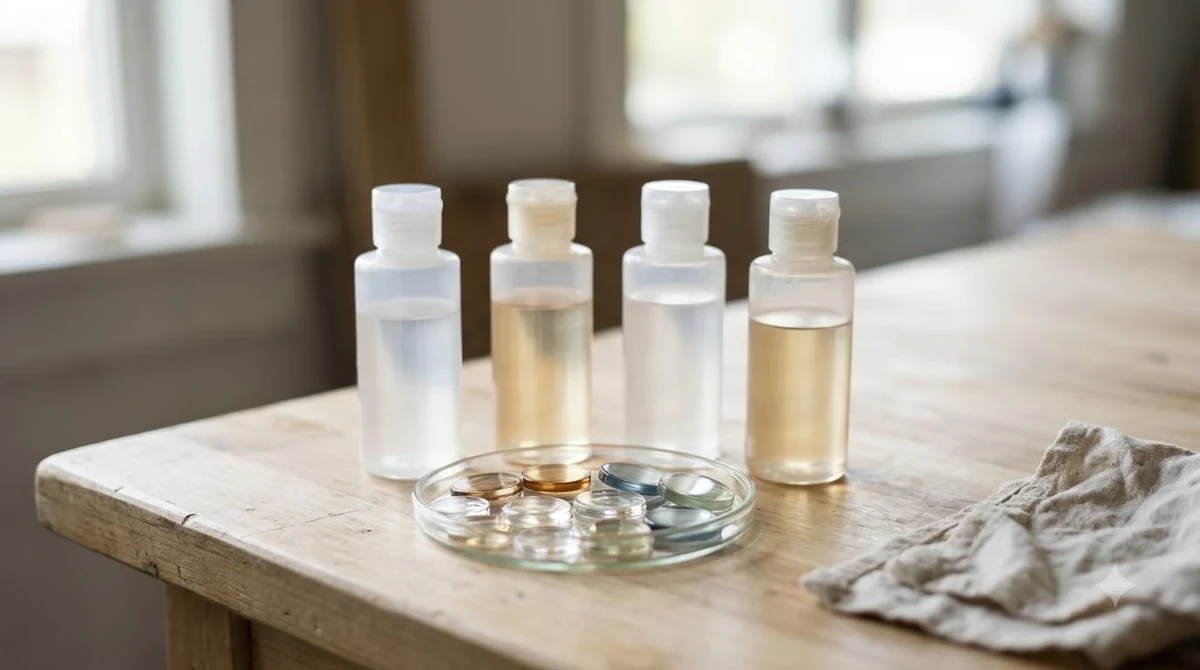
| Plant option | What happens in resin | Practical note |
|---|---|---|
| Live succulent | Moisture and air are trapped, so decline is likely | Not recommended for sealed encasing |
| Dried flowers or leaves | Less moisture to release during curing | Silica gel drying takes 2-3 days |
| Resin succulent (silicone mold) | Cast from resin, no living tissue | Reusable mold; bubbles can be popped with a long arm lighter |
| Live succulent in a resin planter | Non-porous pot holds water in the soil | Use fast-draining mix and a drainage hole |
Step-by-Step Embedding Process
A careful sequence keeps the pour clean and the plant stable. Follow the label for mixing and timing, and keep your work area ready before you open any resin. Most of the mistakes happen during the pour, not the mixing.
- Dry the plant material. Use silica gel for 2-3 days, as Promise Epoxy describes, until the material is fully dry.
- Prepare the mold. For polyester casting, spray mold release and let it dry. Check the can chart for catalyst per ounce for each layer.
- Mix thoroughly. One polyester method mixes resin and catalyst for 60 seconds, scraping the sides and bottom of the cup.
- Pour the first layer and let it gel. Gel time can run from about 20 minutes to an hour or more, depending on depth and workspace temperature.
- Position the plant. Set the dried piece in the gelled layer, then pour the next layer at the mold edge so it seeps around the plant.
- Repeat for each layer. Adjust the catalyst for every new layer, and do not wait so long that the plant forces air into hardened resin.
- Add color or glitter last. Glitter in the final layer becomes the bottom of the casting once it is demolded.
- Cure fully. The final polyester layer can take up to 2 days to finish curing.
- Release the piece. Squeeze the mold edges, then turn it over so the casting slides out.
Deep pours with a pressure pot can reduce bubbles, according to Promise Epoxy. Place the project in the pot before the open time ends and keep it there through the full cure. Pour thinner layers rather than one thick layer when the project is large.
Curing, Heat, and Troubleshooting Cloudiness
Cloudiness and tackiness usually come from measurement, mixing or moisture problems. Curing time matters just as much, and rushing a casting out of the mold can leave marks. Check the label for the cure time for your product before handling the piece.
Cloudy or hazy resin often means the two parts were not fully mixed. Scrape the sides and bottom of the cup during mixing, as the polyester method suggests. Measurement errors are another common cause, so measure by volume exactly as the label directs.
Tacky surfaces often mean the resin is still curing or was not mixed well. Give the final layer its full cure time before judging it. If a plant released moisture, expect bubbles or spots, and plan to dry the material longer next time.
Keep resin castings out of ovens and off heaters. The glowing resin succulent project author states that resin should not be baked. If you need a color effect without changing the resin itself, read about rocks in resin for tips on embedding solid objects that stay stable during curing.
Safety Gear and Ventilation Tips
Resin work needs gloves, eye protection and good airflow every time you mix or pour. Polyester casting resin has a strong acetone-like smell, so ventilation is not optional. Read the product’s safety data sheet before you begin.
Wear glasses and gloves while mixing, as the polyester casting method advises. Work in a well-ventilated space, and keep the lid on cups when resin is not in use. If you smell strong fumes, move to fresh air and check the safety data sheet for your product.
Safety: Wear gloves and eye protection, work in a ventilated room, and read the safety data sheet for your resin and catalyst before you start.
If you use a long arm lighter to pop bubbles in a silicone mold, keep it away from open containers and follow the mold maker’s instructions. Dispose of waste resin and cups as the product label directs, and never pour leftovers down a drain.
Frequently Asked Questions
Can you put real succulents in resin?
You can, but a living succulent sealed in resin is unlikely to thrive. Trapped moisture and no airflow can damage the plant. Dried plant material is the more reliable choice for encasing.
Do succulents in resin planters die from root rot?
They can, because most resin planters are non-porous and hold water in the soil. SuccuPlant Care recommends fast-draining mix and a drainage hole. Its guide also advises waiting three to five days after planting before watering.
How long does polyester resin take to cure with plants inside?
Gel time for each layer can run from about 20 minutes to an hour or more. The final layer can take up to 2 days to fully cure. Check the label for your specific product, since cure times vary.
Can you bake resin with succulents inside?
Avoid baking resin. The glowing succulent project author says resin should not be baked, and that author attached succulents to baked clay pots with super glue instead. Keep heat away from finished castings.
Start with dried plant material and a resin you can mix accurately, then practice on a small mold first. For a broader overview of embedding options, visit Inclusions & Embedding and compare the results before you commit to a large pour. For the resin planter side of the topic, the SuccuPlant Care resin planter guide covers drainage and watering in detail.
More in Inclusions & Embedding
 How to Mix Glitter into Resin Without Clumping or SinkingUpdated Nov 26, 2026
 Resin Projects with Dried Flowers: How to Prep, Seal and Cure Them RightUpdated Nov 26, 2026
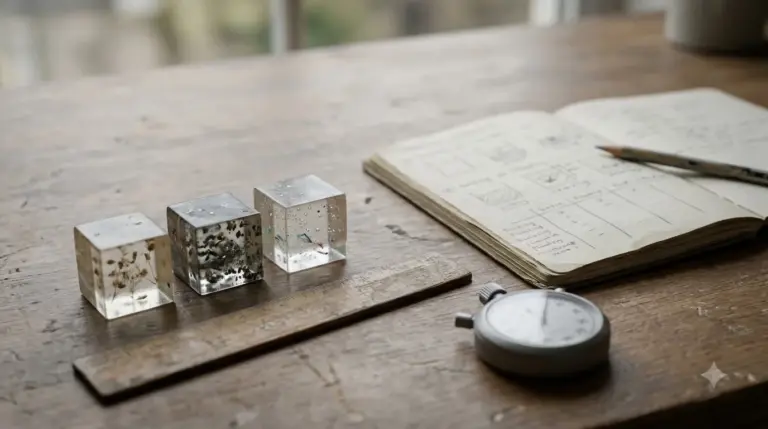 Hair in Resin: Why It Floats, Bubbles or Yellows, and How to Prevent ItUpdated Nov 26, 2026
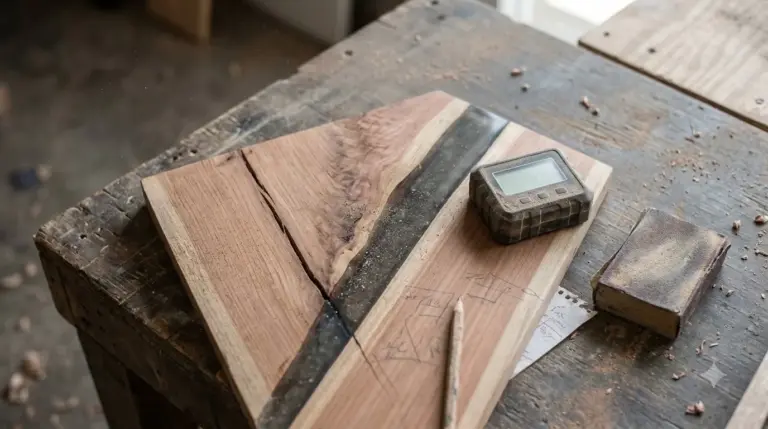 Wood in Resin: Which Woods Work and How to Seal Them for Clear, Bubble-Free ResultsUpdated Nov 26, 2026
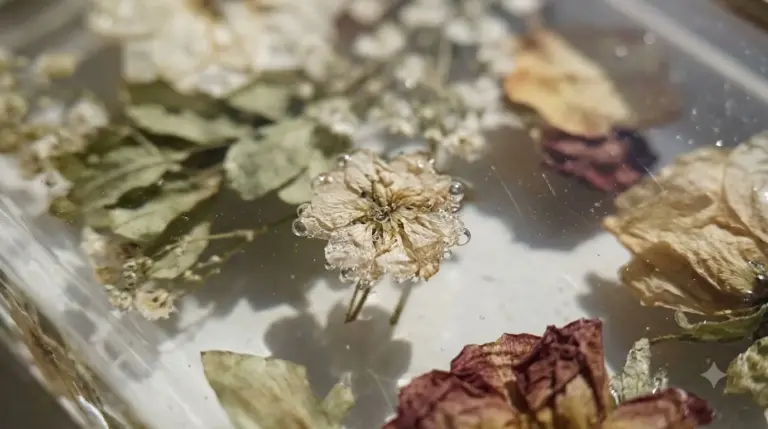 Can You Put Fresh Flowers in Resin? Why They Brown and How to Dry Them RightUpdated Nov 26, 2026
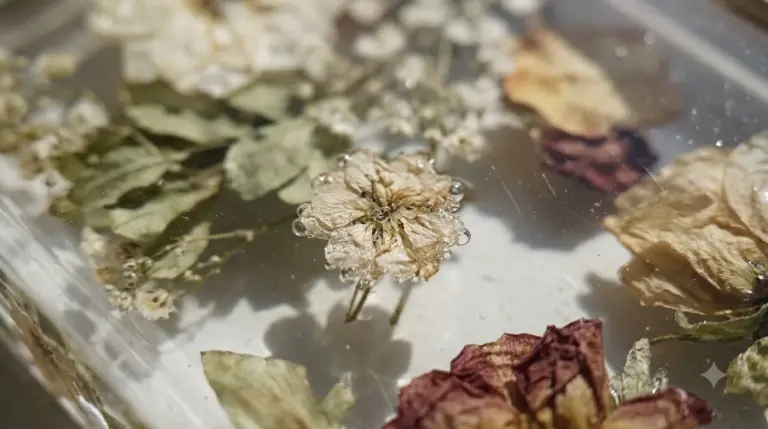 How to Preserve Dried Flowers in Resin So They Stay Bright and FlatUpdated Nov 26, 2026