

We may earn a commission when you buy through links on this page, at no extra cost to you. Learn more.
What is a resin lamp? It is a lamp with a base cast from resin, a liquid polymer poured into a mold that sets into a solid, durable form around an LED. Most resin table lamps are full-size lamps that take a shade and a standard E26 or E27 bulb, and most stand about 20 to 30 inches tall with the shade. Smaller handmade resin lamps with miniature scenes inside are often 4 to 8 inches tall. Both share the same basic material, but they are built for different jobs.
If you are new to resin, the term covers two products that people often mix up. This guide explains what the material does, how these lamps are made, where they are worth the money or the build time, and how to care for them. It is written for US readers deciding whether a resin lamp is a good first project or a good purchase.
What a Resin Lamp Is and How the Light Works
A resin lamp uses cast resin as its main body, and a small LED provides the light. The resin shapes the display, and the LED makes the details inside it visible.
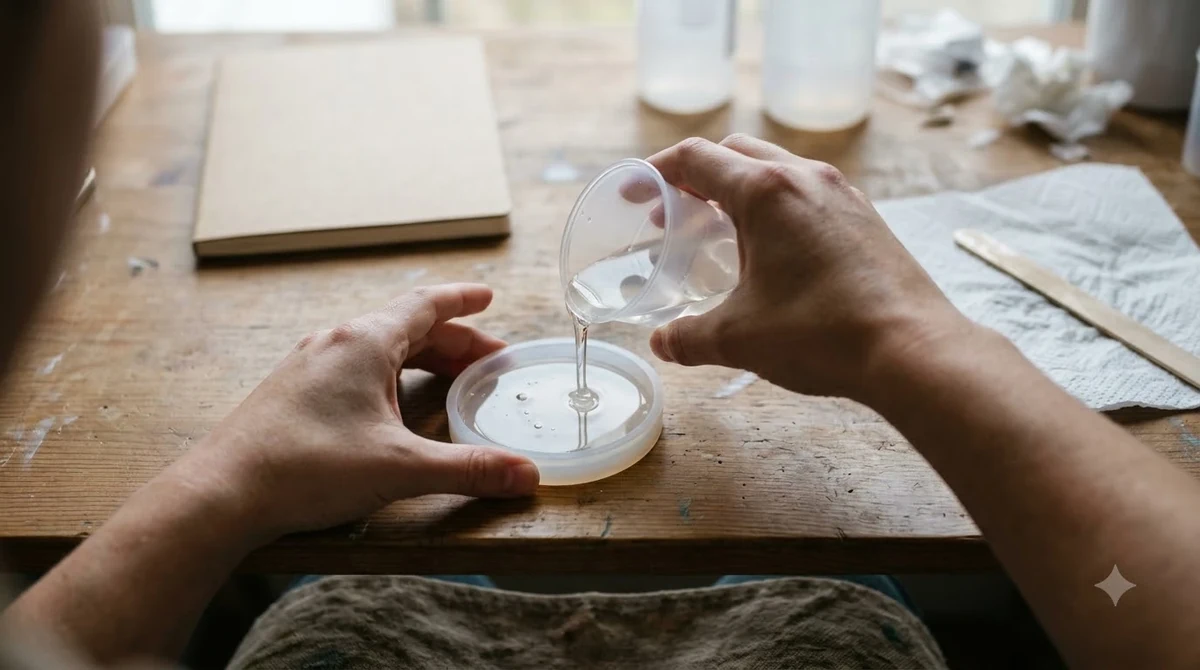
Pooky defines a resin lamp as a lamp with a base cast from resin, a liquid polymer that is poured into a mold and sets into a solid, durable form. Because the material starts as a liquid, it can be cast into almost any shape and colored all the way through, from clear to opaque.
Residence Supply describes two common material types. Cast resin lamps use polyurethane or polyester resin poured into a mold, which gives solid, opaque bases. Epoxy resin lamps use a two-part epoxy that can be clear or tinted, and the epoxy often shows more visual depth and translucency.
Lee-Area describes the LED as a tool to activate the space inside the resin rather than a source of brightness. As the light comes on, details appear depending on the angle and distance you view them from. That is why a resin lamp works more like a display piece than a reading light.
Resin Table Lamp or Epoxy Night Light?
Both products carry the resin lamp label, but they serve different purposes. A resin table lamp is designed to hold a lampshade. An epoxy night light is a small decorative piece, usually lit by a built-in LED. Knowing which one you want changes the bulb, the size and the light you get.
| Feature | Resin table lamp | Epoxy resin night light |
|---|---|---|
| Main purpose | Ambient or task light with a shade | Decorative glow on a desk or nightstand |
| Typical height | About 20 to 30 inches with shade, according to Residence Supply | About 4 to 8 inches, according to Rescene Studio |
| Light source | Standard E26 or E27 bulb, LED recommended | Built-in LED, often USB powered |
| Shade | Part of the design | Usually none |
Hirosart describes its epoxy lamps in Small, Medium and Large sizes, with listed dimensions of roughly 12 by 6.4 cm, 14 by 7.6 cm and 16 by 9 cm. The company allows a 0.5 to 1.0 inch margin for error. Its remote takes a CR2032 or CR2025 battery, which is not included, so check the listing before you order.
How Resin Lamps Are Made
Most resin lamps are made by pouring resin in layers, with a cure period between each pour. Handcrafted pieces take several days because each layer is set and each element is placed by hand.
Rescene Studio outlines the general process in five steps. The sequence matters more than the exact tools, so the list below follows that order.
- Design the scene. The maker chooses a theme and sculpts or sources miniature figures, dried flowers or other natural pieces.
- Prepare the mold. A silicone or custom mold sets the final shape, usually a cube, cylinder or block.
- Pour in thin layers. Each layer partially cures for 12 to 24 hours before the next pour, and elements are placed at set depths.
- Cure and finish. After the last pour, the piece cures for several more days, then is demolded, sanded and polished.
- Fit the LED base. The light is installed and tested before the lamp is ready.
Rescene Studio says rushing the layers can cause bubbles, cloudiness or warping. Factory versions often pour everything in one step, which can produce a flatter scene with less visible depth. Handcrafted pieces show their depth because each element sits at a different layer in the resin.
Are Resin Lamps Good?
Resin lamps are good for buyers who want a solid, sculptural piece with color and personality. They are less useful as a bright reading light, so the answer depends on what you need from the lamp.
Pooky makes the case for resin on three points: it feels solid and weighty, it can be shaped more freely than glass, ceramic or wood, and it takes color well, from soft blush tones to deep blues. Their overview of resin table lamps explains why the material suits sculptural shapes.
The trade-offs are real. Hirosart describes its epoxy lamps as giving soft light that is not strong, which suits a bedside or desk. Lee-Area says the light is meant to show the scene inside. If you need light for reading, a resin lamp may be a companion piece rather than your main source.
Rescene Studio argues that handcrafted pieces have more depth than single-pour versions. For a first purchase or a gift, a resin lamp is worth it when the theme or shape matters to you. If the lamp is only needed for task lighting, a standard table lamp with a shade may serve you better. For the next step after this check, see Resin Lamp Ideas.
Safety, Care and Bulb Choice
A well-made resin lamp is safe for everyday use when you follow the bulb limits and keep it out of harsh heat and sun. Care is simple and mostly means gentle cleaning.
Pooky advises that resin can soften or warp if it gets too hot, so use the bulb type and maximum wattage specified for the lamp. Cool-running LED bulbs are the safest choice. Residence Supply notes that most resin table lamps use a standard E26 or E27 base and work with LEDs, with a warm white LED around 2700K suggested.
Rescene Studio says fully cured epoxy resin is inert and non-toxic, and that epoxy yellows over time when exposed to direct UV light. Keeping the lamp out of direct sun is the main protection. For cleaning, Pooky recommends a soft dry cloth or a slightly damp one, and avoiding abrasive or solvent-based cleaners. Residence Supply warns against cleaning sprays that contain alcohol or acetone, and you can check its resin table lamp collection for more product notes.
Safety: Keep the bulb within the rated wattage and check the label before swapping bulbs. Look for the electrical certification the seller lists, and unplug the lamp before you clean it.
Making or Buying Your First Resin Lamp
Buying is the faster route, and making one gives you control over the theme and size. Choose based on how much time you want to spend and which LED you need.
When you buy, check the size, LED color and power source before the lamp arrives. Rescene Studio suggests warm white LEDs around 2700K to 3000K, which give a softer, amber glow than cool white light. Hirosart says most of its orders are made and shipped within 7 to 10 business days, which helps if you need a lamp on a set date.
Making your own lamp takes planning and several days of curing, but it lets you choose the scene and the shape. If you want a beginner route, start with resin lamp DIY ideas for beginners, then follow the full steps in how to make a resin lamp before you commit to a mold.
Frequently Asked Questions
Is a resin lamp safe to leave on?
Rescene Studio says the LED components run cool and use little power, typically 1 to 5 watts over USB. Use the bulb type and wattage the lamp specifies, and avoid swapping in a hotter bulb. Check the lamp for heat at the base if it has been on for a long session.
Do resin lamps yellow or fade over time?
Epoxy can yellow under direct UV light, according to Rescene Studio. Pooky notes that years of prolonged direct sunlight can also fade pigmented resin slightly. Positioning the lamp away from a window that gets harsh sun all day is the simplest way to slow both effects.
What size lampshade goes with a resin table lamp?
Pooky advises that the shade should be about three-quarters the height of the base. If you are unsure, go slightly bigger rather than smaller. Residence Supply notes that linen and fabric drum shades are the most common pairing for resin bases.
How much should I expect to pay for a resin lamp?
Prices vary widely by size, theme and how the piece is made. Rescene Studio argues that a handmade piece priced very low is usually mass-produced, since the materials and hand-finishing cost more. Compare how each lamp is made, not only the price, before you decide.
Resin lamps are a practical entry point into resin art, whether you buy one or build one. Decide between a table lamp and a night light first, then match the LED and size to the spot where it will sit. For more on the artistic side of the material, see our Resin Art and Decor projects.
More in Resin Art & Decor
 What Is a Resin Art Kit? What It Includes and How to StartUpdated Nov 26, 2026
 Resin Lamp Ideas and How to Build a Glowing Piece at HomeUpdated Nov 26, 2026
 Resin Coasters for Beginners: Mix, Pour, and Cure a Glossy First SetUpdated Nov 26, 2026
 How Much Epoxy for a Tumbler? Measure by Ounces and Avoid WasteUpdated Nov 26, 2026
 Resin Over Watercolor Without Bleeding: How to Seal and Pour SafelyUpdated Nov 26, 2026
 Ocean Resin Art Tutorial: Make Realistic Waves on Canvas or WoodUpdated Nov 26, 2026