

We may earn a commission when you buy through links on this page, at no extra cost to you. Learn more.
Can you epoxy over stain? Yes, but the stain type decides whether the epoxy bonds. Water-based and alcohol-based stains are generally ready for epoxy in about 24 hours with no extra topcoat. Oil-based stains can take a week or longer to dry enough, and the epoxy may still fail to grip. The safe path is to confirm the stain is cured with a white-cloth test, scuff it with 220-grit sandpaper, and put a barrier coat over oil-based stain before pouring.
Stain sits between the wood and the epoxy, so the epoxy bonds to the stain film rather than to bare wood. That makes the stain type and its cure time the biggest variables in the whole job. This guide explains why some stains cause peeling, how to check readiness before you mix, which sealers or barrier coats help, and how to fix the problems you are most likely to see.
Why Stain Can Cause Epoxy to Fail
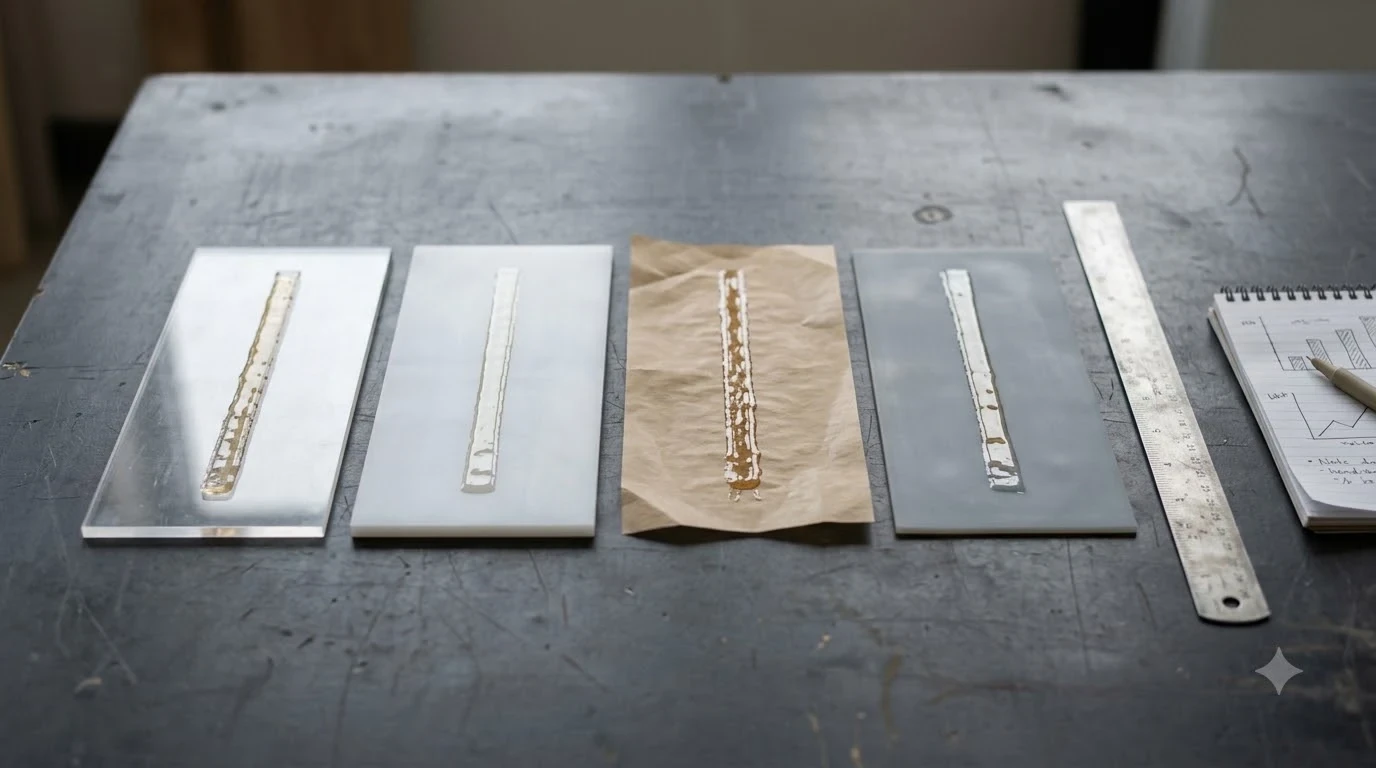
Stain type is the first thing to check. Oil-based stains penetrate deeply and can leave a film that epoxy does not grip well. Mas Epoxies reports that a stain can form an impermeable layer between the epoxy and the wood, so the resin floats on top instead of soaking in, and the bond can peel later.
Surface smoothness is another factor. Chill Epoxy notes that stains and oils fill the wood’s pores and can create a smoother surface that acts somewhat like a release agent, which weakens bonding strength. That effect is not always visible, so a surface that looks ready can still fail once the epoxy cures.
Timing matters as well. If the stain has not fully cured, solvents from the stain can react with the epoxy and cause staining, discoloration or a compromised finish. Stain that feels dry to the touch may still be soft underneath, which is why the cure check matters more than the clock.
When Epoxy Over Stain Works
Epoxy over stain works most reliably when the stain is water-based or alcohol-based and has fully dried. UltraClear, a maker of bar and table top epoxy, says these stains can take epoxy in about 24 hours with no polyurethane needed. Woodworking Advisor gives the same roughly 24-hour window for these stain types.
Oil-based stain is the harder case. Woodworking Advisor says oil-based products such as Minwax Wood Finish can take a week or longer and may never fully adhere. UltraClear goes further and says its epoxy does not adhere to oil-based stain and repels from it, and that waiting for the stain to dry does not change this, even for stains labeled fast drying.
Owners do report success in some cases. One FineWoodworking forum poster said epoxy worked well over oil-based stain after the stain dried and a few wipe downs, with no problems after about two years. Treat that as one person’s experience rather than a guarantee, and test your own piece before committing.
| Stain type | Typical wait before epoxy | Barrier needed | Adhesion outlook |
|---|---|---|---|
| Water-based | About 24 hours, per UltraClear and Woodworking Advisor | None stated by UltraClear | Generally good once fully dry |
| Alcohol-based (dye) | About 24 hours, per the same sources | None stated by UltraClear | Generally good once fully dry |
| Oil-based (for example Minwax Wood Finish) | A week or longer, per Woodworking Advisor | Three coats of clear oil-based polyurethane, per UltraClear | Risky; may never fully adhere without a barrier |
Tip: If you have not stained the piece yet, choose a water-based or alcohol-based stain. You skip the long wait and the barrier step.
How to Test Stain Before Pouring
Test before you mix. Two simple checks can tell you whether the stain is ready and whether the epoxy will hold. Both take little time and can be run on scrap or a hidden area.
Start with the white-cloth test. Woodworking Advisor says to wipe the stained surface firmly with a clean white cloth. If no color or residue transfers, the stain is cured enough for sanding and epoxy. If the cloth picks up color, keep waiting, even if the surface feels dry.
The adhesion test checks the actual bond. Mas Epoxies describes coating a sample with its seal coat, letting it cure, scoring the cured epoxy deeply in a tic-tac-toe pattern with a utility knife, pressing duct tape on it, and tearing the tape off. In its write-up of the process, the company explains that if the epoxy stays bonded to the wood, it has penetrated the oil and bonded. If it lifts clean with no wood attached, it did not adhere. The full walkthrough is in Mas Epoxies’ blog post on resin over stained wood.
- Run the wipe test. Check the whole surface with a white cloth.
- Coat a hidden spot. Apply a small test area and let it cure fully.
- Score and tape. Cut a grid into the cured sample, press tape on it and pull it off.
- Inspect before committing. Look for discoloration, fisheyes or lifting before you coat the full piece.
Chill Epoxy also recommends testing a small area or a scrap piece first, since stains and oils can interfere with bonding in ways you cannot see.
Step-by-Step Prep for Stained Surfaces
Prep decides most outcomes. Work through these steps in order, and do not skip the barrier step for oil-based stain. The sequence combines UltraClear’s barrier advice with the sanding and cleaning guidance from Woodworking Advisor.
- Confirm the stain is dry. Pass the white-cloth test. For oil-based stain, allow more time than the label suggests.
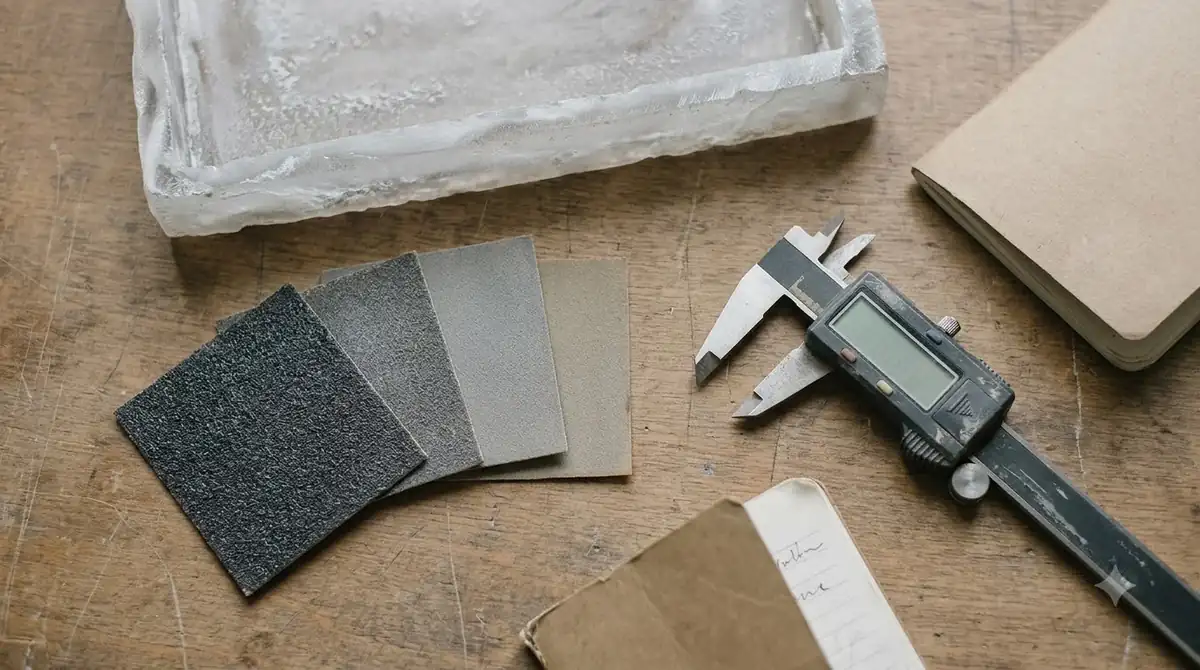
- Scuff-sand. Use 220-grit sandpaper to break the sheen and give the next layer something to grip. You are not trying to remove the stain.
- Clean the surface. Wipe with a tack cloth or a lint-free rag dampened with denatured alcohol. Leftover dust shows up as a bump under cured epoxy.
- Apply a barrier over oil-based stain. UltraClear advises a minimum of three coats of clear oil-based polyurethane, covering every bit of stained wood so bare stain is never exposed.
- Wait after the last poly coat. Allow at least 24 hours before the next step.
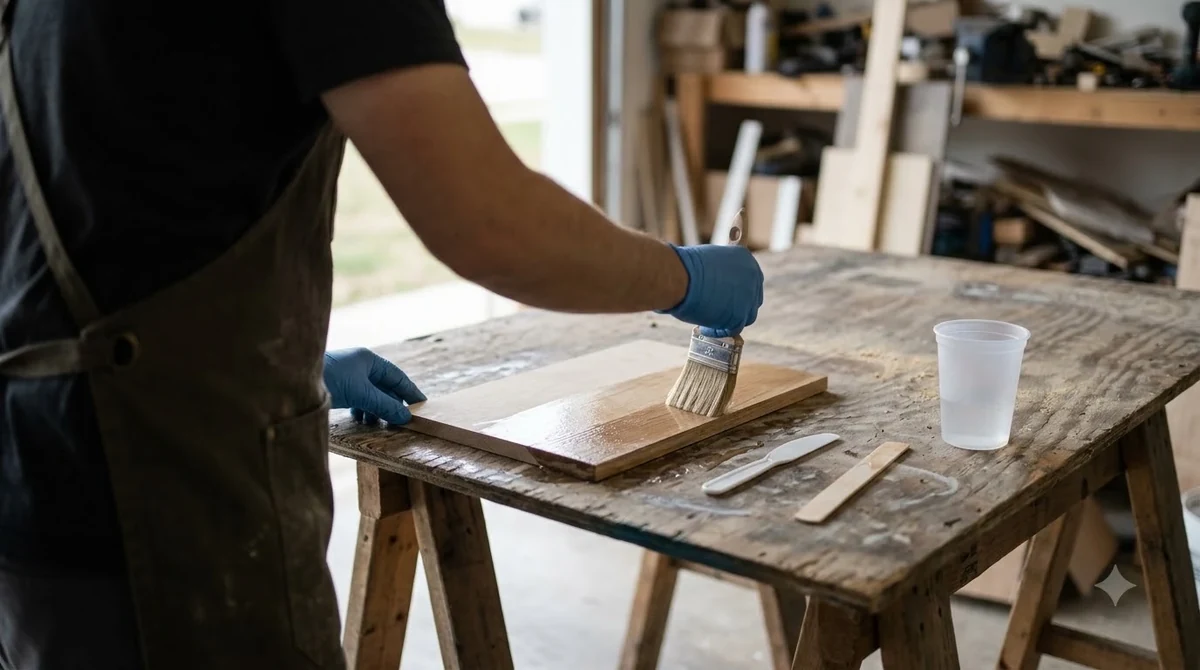
- Brush on a seal coat. Apply a thin seal coat of epoxy, working in small sections so it does not start to cure before you level it.
- Pour the flood coat. UltraClear advises pouring 4 to 6 hours after the seal coat. Mix a little extra, since Mas Epoxies notes that skimping on the final coat produces a lackluster finish.
If the epoxy pools, pulls away or pushes back from any area during the pour, UltraClear says that spot did not get enough polyurethane. Stop, sand back to a sound surface and add more barrier before trying again.
Choosing a Sealer or Barrier Coat
Pick the barrier based on the stain. According to UltraClear’s help article on stained wood, clear oil-based polyurethane is the barrier it recommends over oil-based stain, applied in at least three coats before any epoxy goes on. The same article says the epoxy bonds to oil-based polyurethane, just not to oil-based stain.
FineWoodworking forum respondents took a similar view. When one poster asked about pouring epoxy over oil-based stain, replies suggested using a catalyzed polyurethane varnish as the topcoat instead, calling epoxy over that stain at best experimental. One commenter advised allowing at least 49 hours of cure before moving forward on that schedule.
A penetrating epoxy sealer is another option. Mas Epoxies says its MAS Penetrating Epoxy Sealer can be thinned up to 50% as an alternative seal coat. Woodworking Advisor describes penetrating sealers as useful for porous or questionable oil-stained wood because they lock down the stain layer rather than sitting on top of it. Check the label of whatever product you choose.
If you thin your own seal coat, respect the limit. Mas Epoxies thinned its Tabletop Pro with 5% denatured alcohol and applied it in a 1/32 inch layer. The company warns that thinning beyond 5% can lower the physical and mechanical properties of the cured epoxy.
Common Problems and Fixes
Most failures trace back to stain readiness, surface prep or thin coats. The table below matches common symptoms to likely causes and practical fixes, using guidance from the manufacturers and woodworking sources listed in this article.
| Symptom | Likely cause | Fix |
|---|---|---|
| Epoxy peels or lifts | Oil-based stain not fully cured, or no barrier applied | Sand back to a sound surface, add barrier coats, then retest |
| Fisheyes or small craters | Dust, contamination or an oily film | Clean thoroughly and recoat; Mas Epoxies added extra epoxy to affected spots and warmed them with a heat gun |
| Ripples or uneven surface | Coat too thin, leaving peaks and valleys | Add a flood coat with more epoxy, since self-leveling has limits |
| Tacky or soft cure | Off-ratio mix | Measure exactly per the label and cure fully before recoating |
| Yellowing in sunlight | Standard epoxy can amber over time | Use a UV-stabilized formula for outdoor pieces |
If epoxy peels months after pouring, do not just add another coat. Woodworking Advisor advises re-sanding back to bare epoxy, or to bare stain if the epoxy never bonded, then cleaning thoroughly and retesting a hidden spot. Starting over from a clean surface is usually faster than patching a weak bond.
Tip: Work in small sections during the seal coat so the epoxy does not begin curing before you level it.
Safety and Curing Tips
Keep the work area controlled during cure. Woodworking Advisor advises avoiding direct sunlight and drafts while epoxy cures, since these can cause bubbling or an uneven finish. Chill Epoxy warns that rapid, extreme temperature changes after pouring can cause cracking or crazing on the surface.
Read the product’s safety data sheet and label before mixing. Wear nitrile gloves, work in a ventilated space and keep alcohol and other solvents away from open flames. If resin gets on your skin, see how to get resin off hands for gentle cleanup steps.
Safety: Wear nitrile gloves, ventilate the room and follow the safety data sheet for your epoxy and any alcohol or solvent you use.
Frequently Asked Questions
Can you epoxy over oil-based stain without sanding it off?
Sanding alone is not the fix. UltraClear advises applying at least three coats of clear oil-based polyurethane first, then waiting 24 hours. Woodworking Advisor recommends scuff-sanding with 220-grit paper to improve grip, but it does not suggest removing the stain.
How many coats of polyurethane do you need before pouring epoxy over stain?
UltraClear advises a minimum of three coats of clear oil-based polyurethane over oil-based stain. Wait at least 24 hours after the last poly coat, then brush on an epoxy seal coat and pour the flood coat 4 to 6 hours later.
How long should oil-based stain dry before applying epoxy?
Woodworking Advisor says oil-based stains can take a week or longer, and they should pass the white-cloth test before you sand and coat. Mas Epoxies let its test stain dry for five days, even though the manufacturer of that stain claims a one-hour dry time.
Does water-based stain work better than oil-based stain under epoxy?
Yes, for most situations. UltraClear says water-based and alcohol-based stains can take epoxy in about 24 hours with no polyurethane needed. Mas Epoxies also recommends a water-based stain if you have not stained the piece yet.
If the surface has already failed, removal and a clean restart are often the best path. See how to remove epoxy for removal options, or browse our Troubleshooting & Fixes section for other finish problems. Test the stain first, then pour with confidence.
More in Troubleshooting & Fixes
 How to Fix Scratches in Epoxy Tables Without Redoing the Whole TopUpdated Nov 26, 2026
 How to Remove Amine Blush From Epoxy Without Starting OverUpdated Nov 26, 2026
 What Will Remove Epoxy from Wood, Metal, Skin and Hair SafelyUpdated Nov 26, 2026
 Paint and Epoxy Remover: Which Type Strips Cured Epoxy and Paint SafelyUpdated Nov 26, 2026
 Resin Sticking to Mold? Causes, Release Fixes and Safe RemovalUpdated Nov 26, 2026
 Why Is My Epoxy Bumpy? Causes and Fixes for a Smooth FinishUpdated Nov 26, 2026