

We may earn a commission when you buy through links on this page, at no extra cost to you. Learn more.
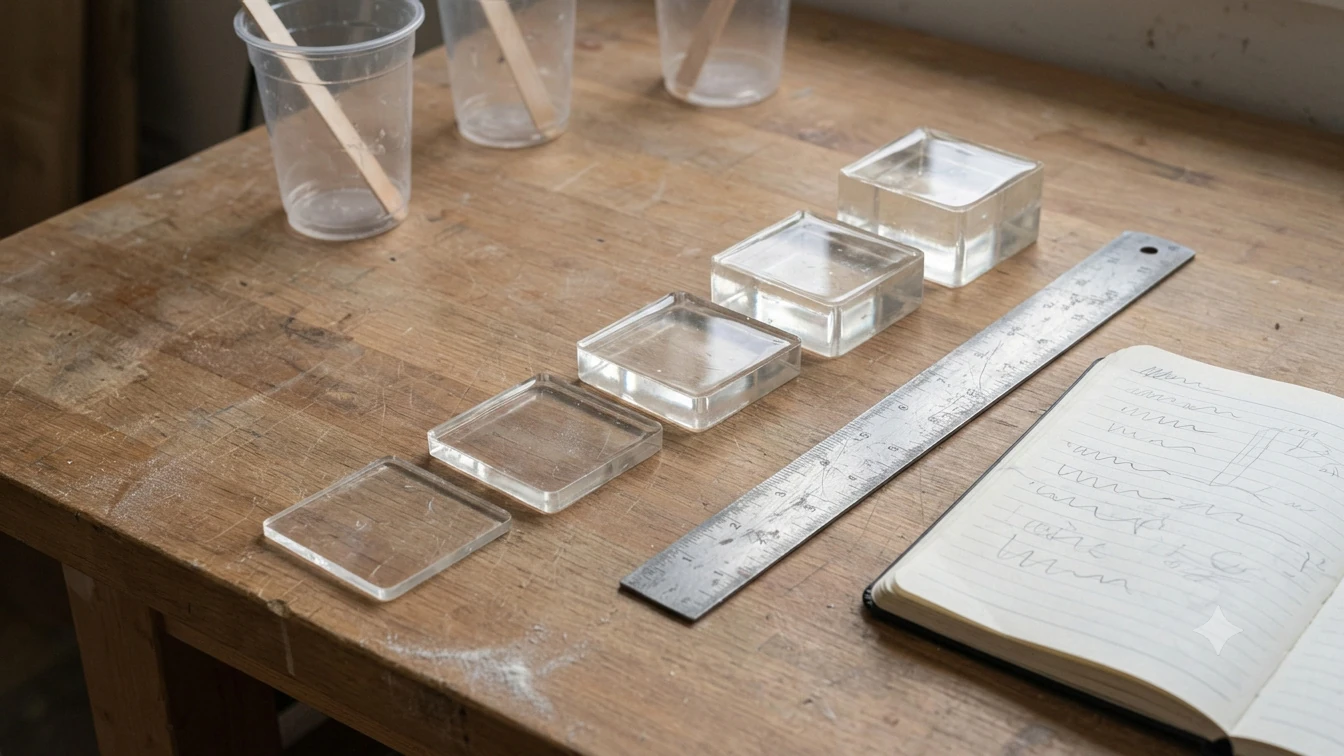
Are epoxy countertops worth it? For many budget-minded homeowners and DIYers, yes, as long as they accept a shorter lifespan and careful heat habits. Reviews in the sources put typical life at 5-10 years with regular use, compared with 20+ years for quartz and marble. The product is usually applied about 1/8 inch thick over an existing surface, and pot life is often only 20-45 minutes. Full hardness can take up to 30 days, so plan the project around that timeline.
Epoxy countertops can look like marble or granite for a fraction of the upfront cost. That price difference is the main reason people consider them. The real question is whether the lower price still makes sense once you weigh durability, heat, scratches, and maintenance. This guide compares the costs, limits, and alternatives so you can decide with the trade-offs in front of you.
What Epoxy Countertops Are and How They Differ
Epoxy countertops are a coating, not a slab. They are a two-part mixture of resin and hardener that cures into a hard, glossy, non-porous surface laid over what you already have. That is the key difference from quartz or granite, which you buy as finished slabs from a fabricator.
Because epoxy is poured and spread, it self-levels and flows toward the edges. Sources note it can be applied over laminate, wood, concrete, ceramic tile, metal, and Formica. Pigments, metallic powders, and tints let you copy stone or create an original pattern, which is why many people choose it for the look.
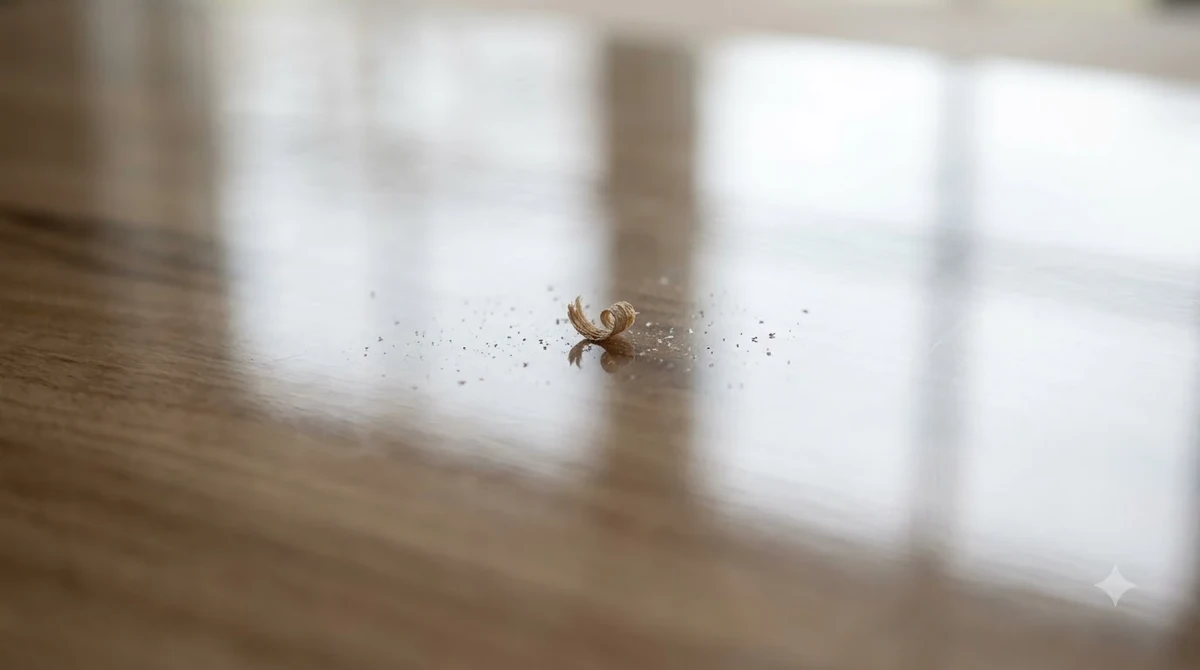
The chemistry matters for how you work. Once the two parts combine, the mixture starts to harden quickly, so you have a short window before it sets. Dust, drips, and trapped air are hard to fix after the surface cures, which makes preparation and practice important before you start.
Is Epoxy Countertops Worth It? Cost and DIY Versus Professional Install
Epoxy is usually cheaper than stone at the start, but the gap depends heavily on who does the work. Sources cite Angi’s 2025 data showing DIY kits for an average kitchen well below professional installation, which is priced per square foot. One source says epoxy costs roughly 70-80% less than granite initially, but granite lasts longer and adds more resale value.
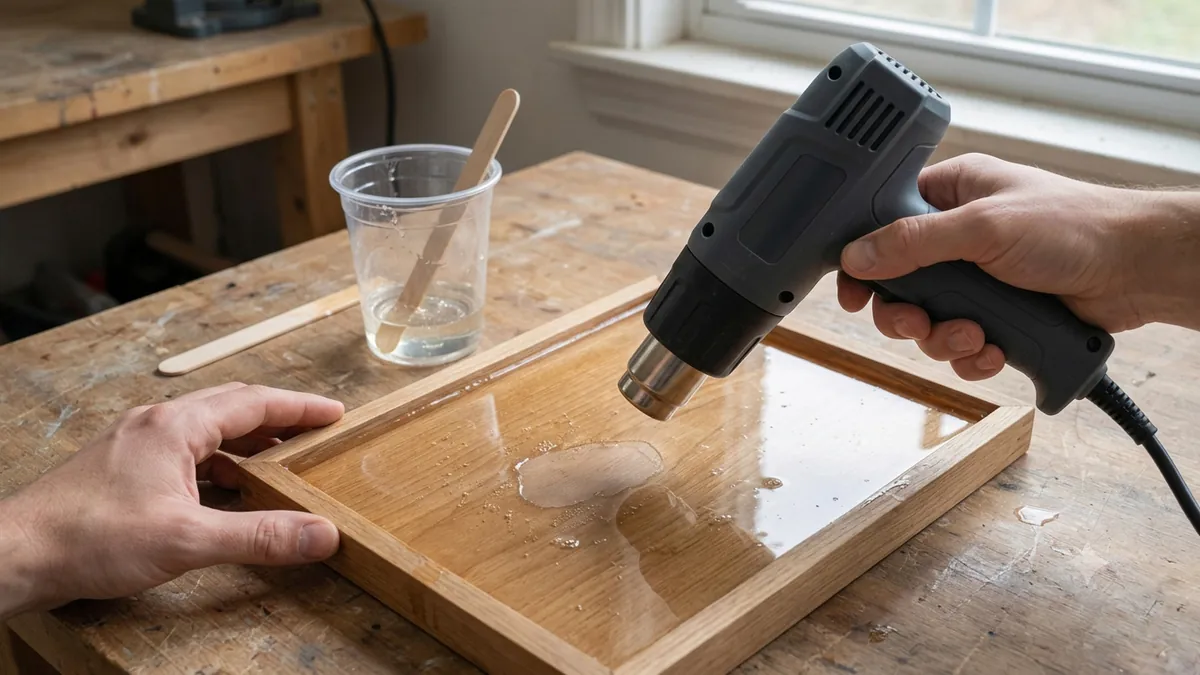
A DIY job mainly costs you materials, tools, and your time. You will need mixing buckets, spreaders, a heat gun or torch for bubbles, and extra material to cover mistakes. Professional installation adds labor, and the per-square-foot rate can climb quickly on a large counter. Get written quotes from more than one installer before you compare.
Consider the cost per year of use, not just the first bill. If epoxy lasts 5-10 years and quartz lasts 20 or more, a cheaper surface can still cost more over time if you replace it twice. Epoxy often makes the most financial sense for a rental, a temporary update, or a space you plan to remodel again soon.
| Option | Upfront cost level | Typical lifespan (per sources) | DIY friendliness |
|---|---|---|---|
| Epoxy overlay | Lowest, especially as a DIY kit | 5-10 years with regular use | Medium difficulty |
| Quartz | Higher than epoxy | 20+ years | Low, professional install |
| Granite | Higher than epoxy | Longer than epoxy | Low, professional install |
Durability, Heat Resistance, and Scratch Performance
Epoxy is hard and impact-resistant when applied and cured correctly, but it is not heatproof. Sources describe it as heat-resistant up to a point. A warm mug or a dish from the microwave is generally fine. Prolonged high heat can cause discoloration, softening, or warping, so a hot pan should always go on a trivet.
Some manufacturers make specific heat claims. Stone Coat Countertops is cited as claiming resistance up to 243°C, about 470°F, for incidental contact, according to a review of epoxy countertop experiences. Incidental contact is not the same as setting a cookware straight from the stove. Read the product’s technical data sheet before you test the limits.
Scratches are the other common complaint. Epoxy is less scratch-resistant than quartz or granite. One DIYer reported that after about 5 years, a steel wool SOS pad could mark the surface in seconds. Sliding pans, abrasive scrubbers, and knives can all leave marks. For more on heat limits, see are epoxy countertops heat resistant.
Food Safety and Curing Time
Epoxy needs time to cure, and that timeline shapes your schedule. Sources say the mixture starts hardening within 20-30 minutes, and full cure can take 24-72 hours to touch. Full hardness can take up to 30 days. Your kitchen may be out of action for days, so plan around it before you pour.
Ventilation is also part of the process. Epoxy releases volatile organic compounds while it cures. Depending on the product, you may need to keep people out of the room for anywhere from 24 hours to a full week. Open windows, run fans, and follow the label. The epoxy countertop pros and cons guide describes this as a temporary step worth planning around.
Once fully cured, sources describe epoxy as non-toxic and food-safe, and one notes that professional-grade products meet food safety standards. Check the product’s data sheet for food-contact details. Do not cut directly on the surface, because scratches are easy to make. Use a cutting board. More detail is in are epoxy countertops safe.
Safety: Wear nitrile gloves, ventilate the room well, and read the product’s SDS before mixing. Keep children and pets out of the area while the epoxy cures.
Epoxy Versus Quartz, Laminate, and Butcher Block
Each material wins in different situations. Quartz is the durability benchmark among these options. Sources describe it as highly heat-resistant and scratch-resistant, with a lifespan of 20 or more years. The trade-off is higher cost and professional installation, with limited customization compared with epoxy.
Laminate is budget-friendly and DIY-friendly, but sources describe its heat resistance as low and its design options as limited. Epoxy can be poured over laminate to change its look, though the base still matters for adhesion. Butcher block brings a warm wood look and can be sanded and refinished, but it needs regular oiling and can mark easily. Wood furniture and countertop projects are covered in Wood, Tables & Countertops.
| Material | Heat tolerance | Scratch resistance | Best fit |
|---|---|---|---|
| Epoxy | Moderate, not heatproof | Moderate, can mark | Custom look on a budget |
| Quartz | High | High | Long-term, low-maintenance use |
| Laminate | Low | Low to moderate | Quick, simple updates |
| Butcher block | Use trivets | Can mark, sand to refresh | Warm wood look and prep work |
Tip: If you cook heavily or plan to stay for decades, compare quartz or granite quotes before committing to epoxy.
Maintenance and Yellowing Prevention
Day-to-day care is simple. Sources say a damp cloth and mild soap are usually all you need. Harsh chemicals and abrasive pads can dull the gloss, so stick with gentle cleaners and soft cloths. Wipe up spills like red wine or coffee quickly, since potent liquids can stain even a non-porous surface.
Yellowing is the most common long-term concern. Standard epoxy can yellow under UV light over time, and countertops near sunny windows are most at risk. Higher-quality UV-stabilized products hold their color longer. UV inhibitors such as HALS, or polyaspartic topcoats, can improve resistance, but sources say they slow yellowing rather than stop it.
Light colors show yellowing first. Window films, curtains, or blinds can reduce sun exposure. If your kitchen gets strong afternoon light, a clear or lighter product may not be the best choice. Compare the data sheet’s UV rating before you buy the kit.
Frequently Asked Questions
How long do epoxy countertops last?
Sources report that epoxy countertops typically last 5-10 years with regular use. Heavy-use kitchens may wear out sooner because of scratches and dulling. Proper prep and a quality topcoat can help the surface hold up longer.
Do epoxy countertops yellow over time, and how can I prevent it?
Yes, standard epoxy can yellow when exposed to UV light over time. Choose a UV-stabilized product and check its data sheet. Window films or curtains reduce sun exposure, which slows the process but does not fully stop it.
Can you put hot pans on epoxy countertops?
Brief contact with warm dishes is usually fine, but epoxy is not heatproof. Prolonged or direct high heat can cause discoloration, softening, or warping. Always use a trivet or hot pad for anything coming straight off the stove or out of the oven.
How long does an epoxy countertop take to cure before use?
Epoxy can take 24-72 hours to become touch-dry, and full hardness can take up to 30 days. Ventilation guidance may call for keeping the room closed off for anywhere from 24 hours to a full week. Follow your product’s instructions for the exact timing.
Epoxy is worth it when you want a custom look on a limited budget and accept a 5-10 year horizon. It is less worth it if you want a forever surface with high heat tolerance and minimal upkeep. Compare the costs honestly, then read more about wood and countertop projects before you commit to a pour.
More in Wood, Tables & Countertops
 How to Fill Knots with Epoxy for a Smooth, Durable Wood SurfaceUpdated Nov 26, 2026
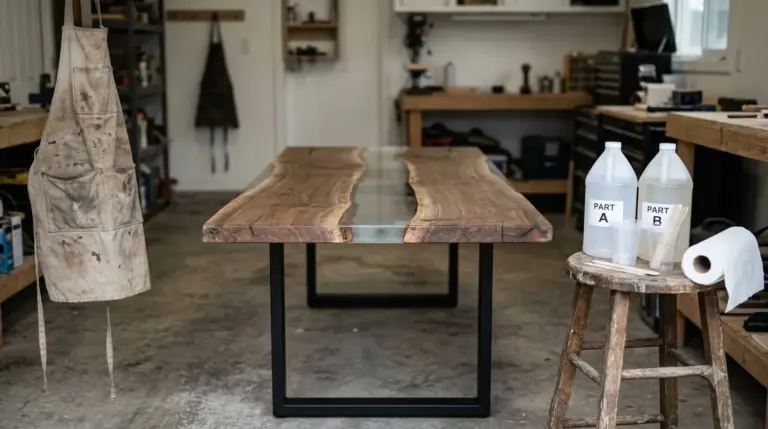 How to Epoxy Live Edge Wood: A Step-by-Step Guide to a Flat, Durable TabletopUpdated Nov 26, 2026
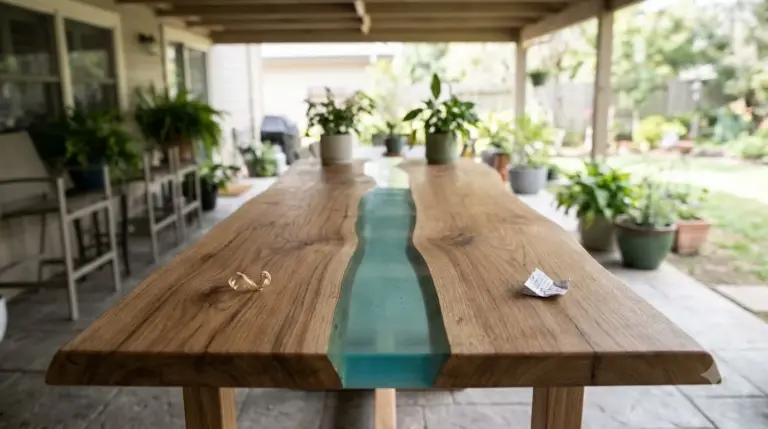 Outdoor Bar Top Epoxy: How to Pick a UV-Resistant Resin and Cure It RightUpdated Nov 26, 2026
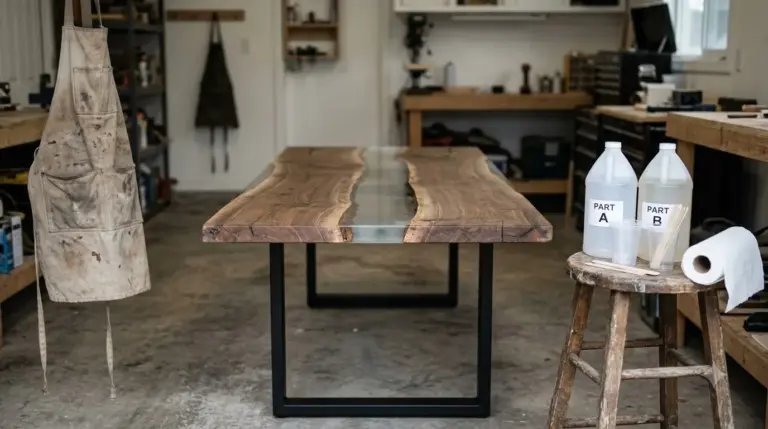 How to Make an Epoxy River Table: Step-by-Step Build for BeginnersUpdated Nov 26, 2026
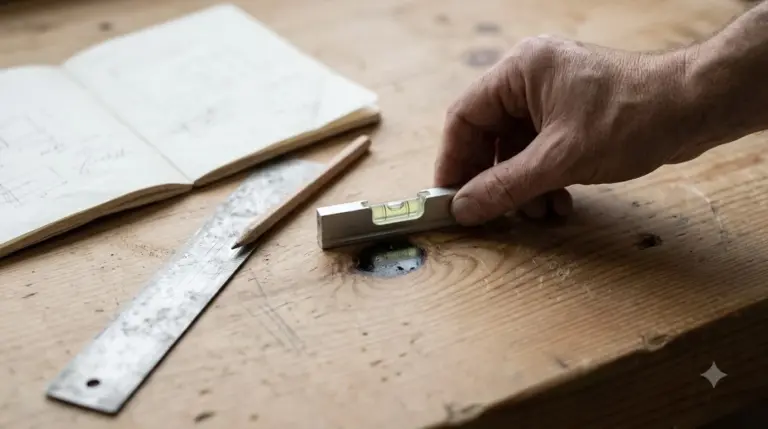 Pine Epoxy Table Guide: How to Prep Softwood for a Clean River PourUpdated Nov 26, 2026
 Spalted Maple Epoxy Table: How to Stabilize, Pour, and Care for OneUpdated Nov 26, 2026