

We may earn a commission when you buy through links on this page, at no extra cost to you. Learn more.
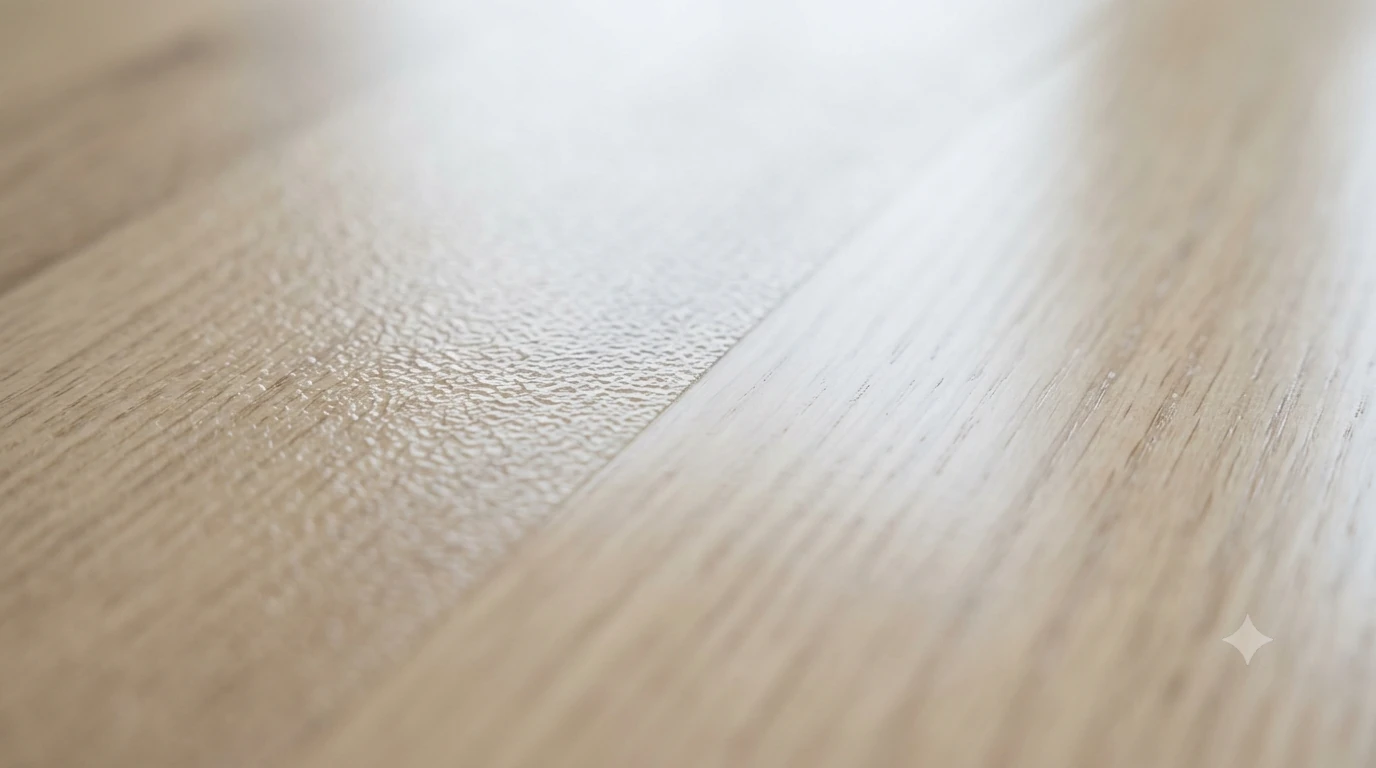
Why is my resin foggy? Most often the cause is moisture or humidity above 60%, a cold workspace, or an off-ratio mix that was not stirred long enough. Epoxy cures through a chemical reaction, so conditions during the cure shape the final clarity. Most epoxies perform best at 70 to 80°F, and humidity above 60% can cause cloudiness or amine blush. Each cause leaves a slightly different look, so matching the haze to its cause tells you which fix to use.
This guide walks through the most likely causes of cloudy, milky or hazy resin, how to tell surface haze from a cloudy cure, and what to do about each one. You will also find prevention steps for your next pour. For more general troubleshooting, see the Troubleshooting & Fixes hub.
Why Resin Turns Foggy
Fog in cured resin almost always traces back to moisture, temperature or mixing. The reaction is sensitive to all three, so a small change in the room can leave a visible mark.
Moisture is the most common culprit. Water vapor in humid air, damp wood, or wet tools can interfere with the surface as the resin hardens. Cold conditions slow the cure, which gives that moisture more time to affect the layer.
Mixing is the third cause. Resin and hardener that are not combined in the correct ratio or stirred thoroughly leave unreacted pockets. Those pockets often cure as cloudy streaks or dull patches instead of clear material.
How to Tell Which Cause You Have
Start by looking at where the haze sits and when you noticed it. A film on the surface points to a different cause than cloudiness through the whole piece.
| What you see | Most likely cause | Best first response |
|---|---|---|
| Waxy, greasy or hazy film on a hard surface | Amine blush from humidity or moisture | Wash with warm water and mild dish soap, rinse, dry, then sand lightly |
| Milky or cloudy resin in the cup before pouring | Crystallization from cold storage, or moisture in the container | Warm the sealed container in a water bath, stir until clear, then cool before mixing |
| Cloudy streaks or patches that feel soft or tacky | Incomplete mixing or an off-ratio mix | Check the cure time, then remove soft material and recast if needed |
| Haze that appears after a cold night | Low temperature slowing the cure | Move the piece into a warm room and allow extra cure time |
| White haze on a pour near damp wood | Moisture from the wood or humid air | Dry and warm the wood and workspace before the next pour |
Moisture, Humidity and Amine Blush
Moisture problems are the most frequent cause of fog. Amine blush is the most common form, and it looks like a waxy or cloudy film on the surface of the cure.
Humidity above 60% or direct moisture contact can cause cloudiness, haziness or amine blush during curing. Incure’s finish troubleshooting guide notes that condensation on a still-curing surface is a frequent trigger for this film, especially when the temperature drops during the cure.
Amine blush is water-soluble, which makes it easier to remove than most surface defects. Keep the surface at least 5°F above the dew point to help prevent it. Avoid heating a closed room with an unvented propane or kerosene heater, because those add carbon dioxide and moisture to the air. Electric heat is the safer choice for a pour space.
Cold Temperatures and Mix Errors
Cold temperatures and mixing mistakes produce a different kind of fog. The resin may stay soft, tacky or hazy long after you expected it to harden.
Most data sheets give a working range of roughly 70 to 80°F, with a floor around 60°F. Reaction speed roughly halves for every 18°F of cooling. Craft Resin’s cold-weather guidance from Jinhua Resin makes the same point, and the winter pouring guide recommends checking the stated minimum on your product’s technical data sheet.
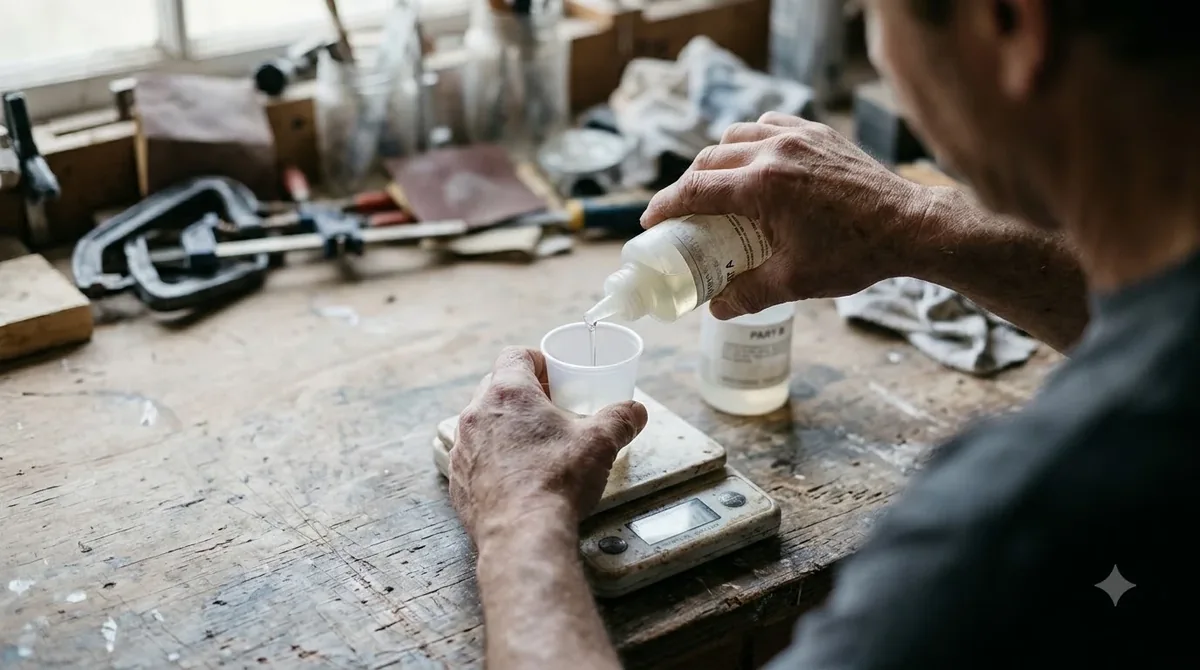
For mixing, most guidance calls for two to five minutes of continuous stirring while scraping the sides and bottom of the cup several times. Measure by the ratio on your product label. A 1:1 volume system, for example, needs equal volumes, not a guess. Unmixed pockets from a short stir or a wrong ratio will cure differently from the rest of the pour.
How to Fix Foggy Resin
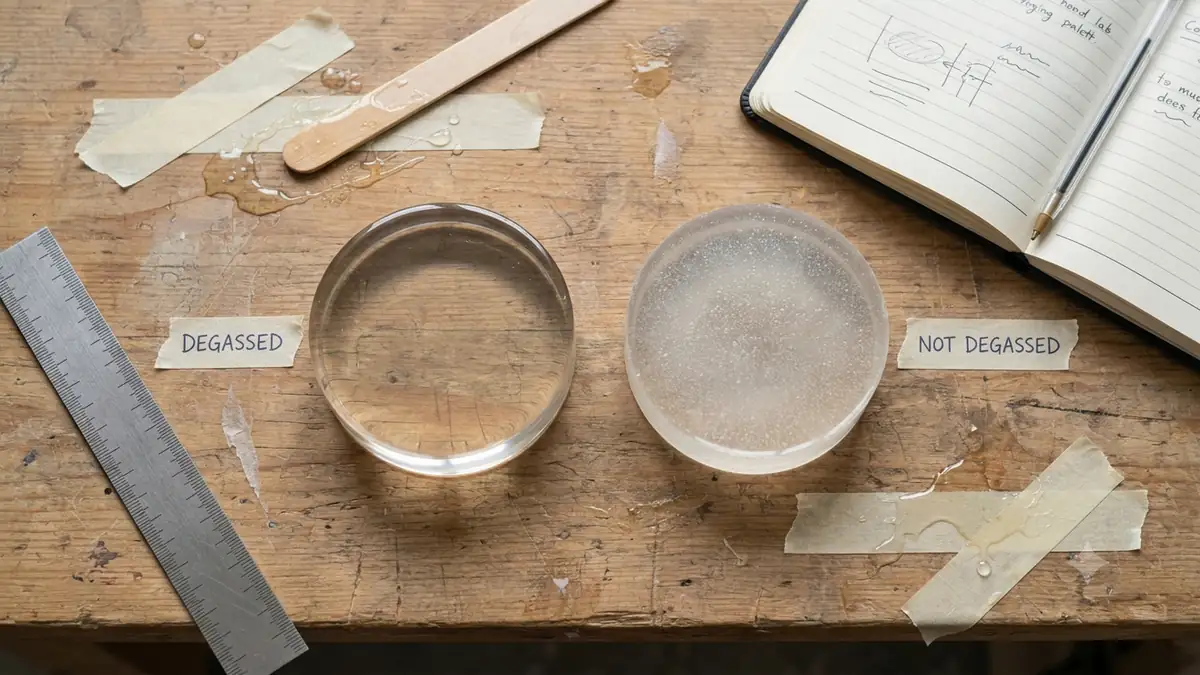
The right fix depends on whether the haze is on the surface or through the whole piece. Surface problems can often be sanded or washed away, while deep cloudiness usually means removing the material and starting again.
- Confirm the cure is complete. Check the manufacturer’s full cure time before you judge the piece. A surface that is hard may still be curing underneath.
- Wash any blush first. Use warm water with a little mild dish soap and a nylon pad. Rinse fully and dry the surface before doing anything else.
- Sand light surface haze. Use fine grit sandpaper, 800 or finer, until the surface clears. Remove all dust before the next step.
- Wipe with alcohol if needed. Use isopropyl alcohol to clean the sanded surface. Test an inconspicuous spot first.
- Warm and re-stir cloudy containers. If the resin is cloudy in the cup, warm the sealed container in a water bath at about 120 to 140°F, stir gently until clear, and let it return to room temperature before measuring.
- Remove soft or tacky resin. If the layer stays soft after a warm, full cure period, scrape out the affected material. Clean the area and recast with a fresh, correctly mixed batch.
- Recoat in stable conditions. Apply a new coat only after the surface is clean, dry and warm, and the room is within range for the entire cure.
For piece-level cleanup, see the guide on how to remove epoxy when a layer is too damaged to sand.
Safety: Wear nitrile gloves when washing, sanding or handling uncured resin, and sand in a ventilated area. Check the product’s safety data sheet for solvent and dust guidance. If resin gets on your skin, see how to get resin off hands.
How to Prevent Fog on Your Next Pour
Prevention is much easier than repair. Control the room, dry your materials and mix carefully before you pour.
- Keep the workspace between 70 and 80°F for the full cure, including overnight.
- Keep relative humidity below 60% during the cure, using a dehumidifier if needed.
- Dry tools, molds and containers completely, and remove sawdust before pouring.
- Bring resin, hardener and wood indoors so they reach room temperature before mixing.
- Stir for two to five minutes and scrape the sides and bottom of the cup several times.
Tip: Keep a short log of room temperature and humidity at each pour. A recurring haze often matches a specific season or a cold corner of the room.
Frequently Asked Questions
Why is my epoxy resin foggy or cloudy after it cured?
The most common causes are humidity above 60%, moisture contact, a cold cure, or incomplete mixing. Amine blush from moist air is a frequent cause of a waxy haze on the surface. Check your room conditions and mixing steps before the next pour.
How do I fix cloudy epoxy resin?
Start by confirming the full cure time has passed. Wash surface blush with warm water and mild dish soap, rinse and dry. Sand light haze with 800 grit or finer, and remove soft material if the layer never hardens.
Can cold temperatures cause cloudy epoxy?
Yes. Cold slows the cure and can leave resin tacky or hazy. Reaction speed roughly halves for every 18°F of cooling, so a cold room can leave a pour soft for days. Warm the room into the stated working range and allow extra time.
Can I sand out cloudy or hazy resin?
Light surface haze often sands out with fine grit, starting at 800 or finer. Deep cloudiness or soft, uncured resin usually cannot be sanded away and needs removal and recasting. Always clean dust off before you recoat.
Foggy resin is usually a sign of moisture, temperature or mixing, not a bad batch. Match the haze to its likely cause, fix the surface first, and control the room on your next pour. Most projects turn out clear once the conditions stay steady.
More in Troubleshooting & Fixes
 How to Fix Scratches in Epoxy Tables Without Redoing the Whole TopUpdated Nov 26, 2026
 How to Remove Amine Blush From Epoxy Without Starting OverUpdated Nov 26, 2026
 What Will Remove Epoxy from Wood, Metal, Skin and Hair SafelyUpdated Nov 26, 2026
 Paint and Epoxy Remover: Which Type Strips Cured Epoxy and Paint SafelyUpdated Nov 26, 2026
 Resin Sticking to Mold? Causes, Release Fixes and Safe RemovalUpdated Nov 26, 2026
 Why Is My Epoxy Bumpy? Causes and Fixes for a Smooth FinishUpdated Nov 26, 2026