

We may earn a commission when you buy through links on this page, at no extra cost to you. Learn more.
How long does resin jewelry last? Well-made pieces typically last two to five years with regular wear, according to Grise NYC, while Magnifico Resins reports 3-10+ years for jewelry made with 12H Resin. The real range depends on the resin type, how fully the piece cured, and how often you wear it. Magnifico Resins says pieces should wait the full 72-hour cure before use, and UV, heat and water can shorten a piece’s life.
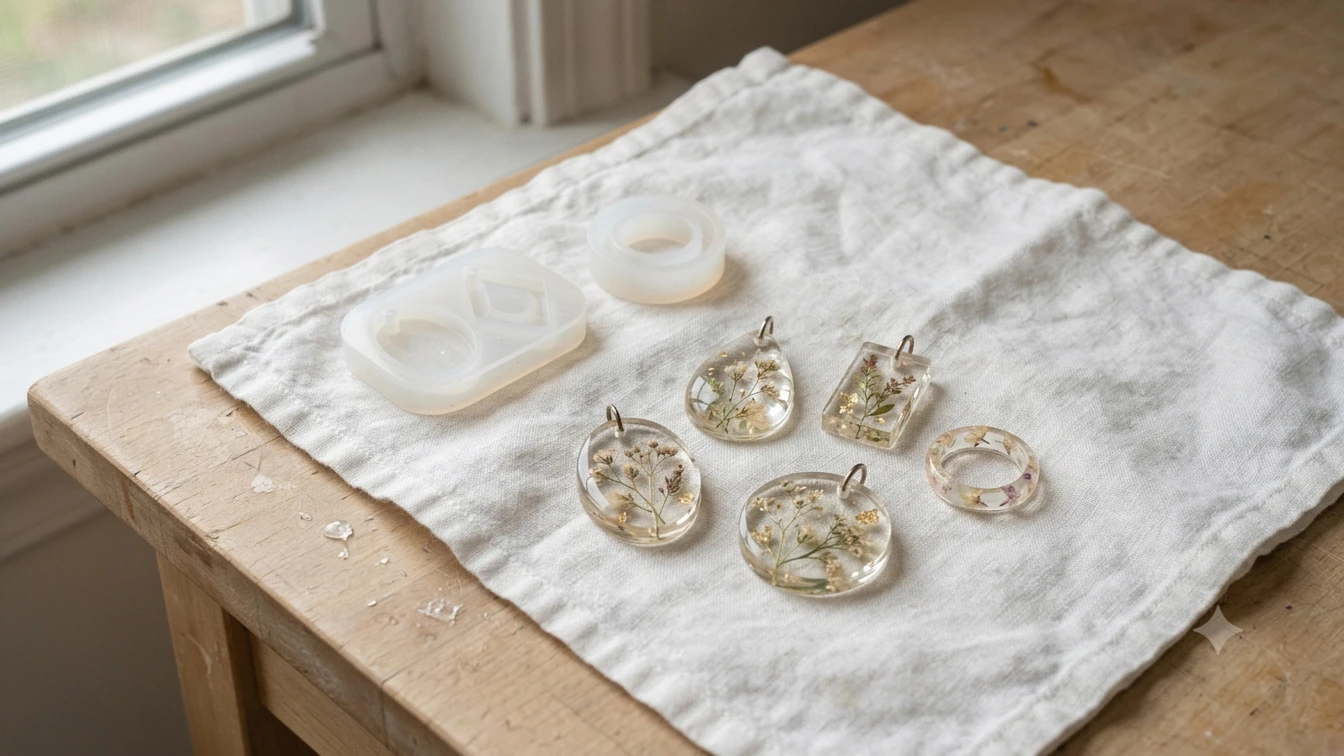
Resin jewelry is popular because it is lightweight and can hold flowers, glitter and charms. Its lifespan is not one fixed number. This guide explains what drives durability, what published sources say about different resin types, and which habits at your bench and in your jewelry box make the biggest difference.
What Affects How Long Resin Jewelry Lasts
Lifespan depends on the resin, how completely it cured, how often you wear the piece, and how you store and clean it. Smarva states there is no universal lifespan for resin jewelry for this reason, so plan around a range rather than a single number.
Resin quality comes first. Formulation affects clarity, hardness, UV stability and resistance to yellowing. Smarva notes that different resins have different recommended uses and curing requirements, so match the resin to the project and follow the manufacturer’s instructions. The Grise NYC resin jewelry care guide also explains how resin type shapes durability.
Curing matters just as much. A piece that was mixed off-ratio or demolded too early may not reach the hardness or appearance you intended. Grise NYC says professional makers typically allow 24-72 hours of cure, depending on resin type and environmental conditions such as temperature and humidity.
Wear frequency and design also count. Thin points, small charms and multi-element designs have more places to chip or crack. Grise NYC notes that thicker sections generally last longer than thin, delicate areas, which is useful when you plan a pendant or ring.
Typical Lifespan by Resin Type
Reported lifespans vary by source and by resin product, so treat any single number as a range. Sources also describe their figures as expectations under regular use, not guarantees for every piece.
| Resin type | What sources report | Main wear factor | Notes |
|---|---|---|---|
| General epoxy jewelry | Two to five years with regular wear, per Grise NYC | Scratches, UV and handling | Grise NYC says epoxy typically keeps clarity and structure longer than UV resin |
| 12H Resin (epoxy) | 3-10+ years with regular wear, per Magnifico Resins | Friction and daily handling | Magnifico lists a Shore D 80-90 hardness for jewelry use |
| UV resin | No lifespan figure given in the sources | UV and heat exposure | Grise NYC says it generally lasts less than epoxy; it is often used for small pieces |
Magnifico Resins also notes that daily-wear pieces show more wear than occasional-wear pieces. The Magnifico Resins durability guide breaks lifespans down by application, and its jewelry figure is the one to compare against your own wear pattern, since wall art and tabletops face much less handling.
Grise NYC adds a warning about storage. Pieces worn often outdoors or kept in sunny spots may show aging signs within one to two years, while pieces kept out of direct sun often look good much longer.
UV Light, Heat and Sun Exposure
UV from sunlight is one of the biggest threats to clear resin, and heat adds stress on top of it. Smarva lists prolonged sunlight and UV exposure as one of the main factors that can affect clear resin over time.
UV radiation gradually breaks down resin polymers. Grise NYC says this causes yellowing and brittleness, and that UV discoloration can be permanent. Smarva says resin may take on a warmer or yellowish appearance over time, and that no clear resin should be assumed to stay perfectly clear forever.
Magnifico Resins says even UV-resistant resins will eventually yellow with prolonged direct sun, though that takes years rather than months. Indoor pieces kept away from windows tend to hold their clarity much longer than pieces left in a sunny spot.
Heat works differently. Grise NYC says extreme heat may soften or warp resin. Smarva warns against leaving jewelry in a closed car in direct sun, and recommends a cool, dry place for storage.
Cold can also cause trouble. Grise NYC notes that very cold conditions can make resin more brittle and prone to cracking. Store pieces at moderate room temperature when you can, and avoid swinging between extremes.
Water, Sweat and Chemical Contact
Water is not the only concern. Cosmetics, cleaners, perfume and chlorine can also dull resin, and metal parts may not tolerate moisture well. Smarva advises removing resin jewelry before swimming, showering, or applying chemicals.
Grise NYC lists chlorine, saltwater and cleaning products as agents that can degrade a resin surface or cause clouding. Ennas Gifts says resin jewelry lasts several years when maintained, provided exposure to moisture and harsh chemicals is avoided.
Do not assume resin jewelry is waterproof. Smarva points out that metal findings, adhesives and dried flowers can be affected by water, even when the resin itself tolerates occasional moisture. For a broader look at how these pieces hold up, see does resin jewelry last.
Sweat and skin products matter too. Magnifico Resins lists sweat, perfume and cosmetics as exposures jewelry faces during regular wear. Put on your jewelry after lotions and perfume have dried, as both Grise NYC and Smarva advise.
Magnifico Resins also says cured resin is not affected by humidity, and only uncured resin is humidity-sensitive. A fully cured piece should not be damaged by humid air alone, but keep it dry in storage and remove it before water exposure.
Curing and Finishing Choices That Extend Life
Full cure and careful finishing give resin its best chance at a long life, and both are under your control at the bench.
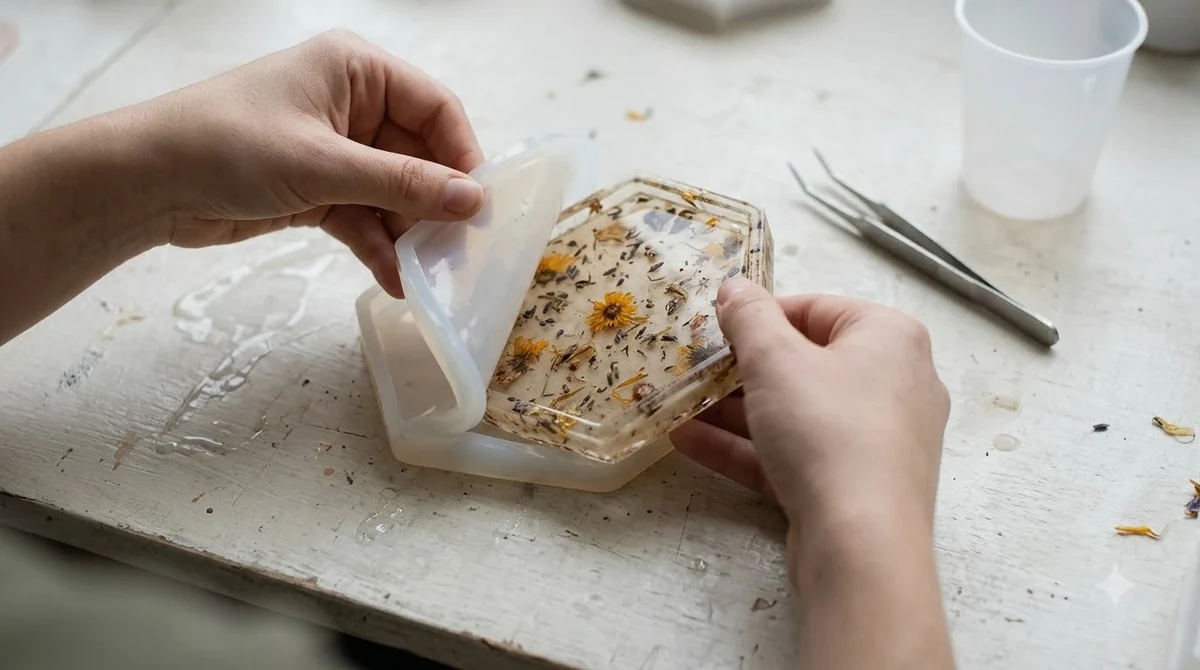
Magnifico Resins says pieces should wait the full 72-hour cure time before use or sale. Resiners describes its epoxy for jewelry as demolding in about 8 hours, reaching full cure in 24 hours, or about 2 hours with a curing machine. Those are manufacturer timings, so check your own product’s instructions.
Demolding early is not the same as fully cured. Smarva says poor or incomplete curing can leave a piece without the intended hardness or appearance. Magnifico Resins adds that pieces used before full cure stay softer and more open to scratching.
Finishing helps too. Smarva notes that minor scratches may be improved by professional polishing. Grise NYC warns that abrasive scrubbing can damage protective coatings, so clean gently with mild soap and lukewarm water, then dry with a soft cloth.
Tip: Label each batch with its mix date and cure time, so you know which pieces have had the full 72 hours before they are worn or sold.
Safety: Wear nitrile gloves, work in a ventilated space and read the product SDS before mixing. Grise NYC notes that uncured resin can cause skin sensitization and allergic reactions in sensitive people.
Signs Your Resin Piece Is Breaking Down and How to Repair It
Yellowing, clouding, cracks and sticky spots signal that a piece is aging or was not fully cured. Minor surface damage can sometimes be improved, but deep damage often cannot.
Watch for a warmer tint, cloudy or dull patches, visible cracks, and chips along edges. Grise NYC says even small visible cracks indicate structural compromise that can worsen with continued wear. Smarva adds that a tacky feel or strong chemical odor can mean a piece is not fully cured.
Repair depends on the damage. Smarva says minor scratches or dullness may be improved through professional polishing or refinishing. Deeper yellowing caused by aging or UV exposure may not be completely reversible, so prevention is generally better than restoration.
For a cracked piece, stop wearing it. Grise NYC’s guidance on retiring resin jewelry points to visible cracks as a reason to replace a piece, since cracked edges can be sharp. The sources do not describe home fixes, so ask a professional resin refinisher before attempting one on a valued piece.
Frequently Asked Questions
How long does resin jewelry last with daily wear?
Daily wear shortens lifespan compared with occasional wear. Magnifico Resins gives 3-10+ years for 12H Resin jewelry with regular wear, while Grise NYC reports two to five years. Removing pieces before showers, swimming and sleep helps them last closer to the upper end.
Does resin jewelry turn yellow, and how can I prevent it?
Yes, resin can develop a warmer or yellowish look over time, according to Smarva. Some resins contain UV stabilizers, but no clear resin should be assumed to stay perfectly clear. Store pieces in a cool, dry place away from sun, and put jewelry on after perfume has dried.
Is epoxy resin jewelry safe to wear every day?
Grise NYC says properly cured resin jewelry poses minimal health risks for most wearers. If you notice redness, itching or swelling where the piece touches skin, remove it. Check with a healthcare provider if the irritation persists or spreads.
How do I know if resin jewelry is fully cured?
A fully cured piece should feel solid, show no tackiness and have no strong chemical odor, per Grise NYC. Confirm the cure time in your product’s instructions, and use Magnifico Resins’ 72-hour benchmark as a conservative check before wear or sale.
Resin jewelry lifespan is a range shaped by resin choice, curing, sun, heat, water and daily care. Start with a fully cured piece and keep it out of direct sun and moisture. For the full build process, review how to make resin jewelry, or browse Jewelry, Casting & Small Makes for related project ideas.
More in Jewelry, Casting & Small Makes
 How to Make Resin Bookmarks: Materials, Steps and Cure TimesUpdated Nov 26, 2026
 How to Make Resin Knife Handles That Cure Clear and Polish WellUpdated Nov 26, 2026
 Resin Casting for Beginners: Pick the Right Resin and Pour Clean CastingsUpdated Nov 26, 2026
 How to Resin Jewelry Without Bubbles, Cloudy Spots, or Failed CuresUpdated Nov 26, 2026
 Popular Designer Keychains in Resin: Styles, Resins and Steps to Make Them at HomeUpdated Nov 26, 2026
 River Table Mold: How to Choose, Seal and Release Your Epoxy PourUpdated Nov 26, 2026