

We may earn a commission when you buy through links on this page, at no extra cost to you. Learn more.
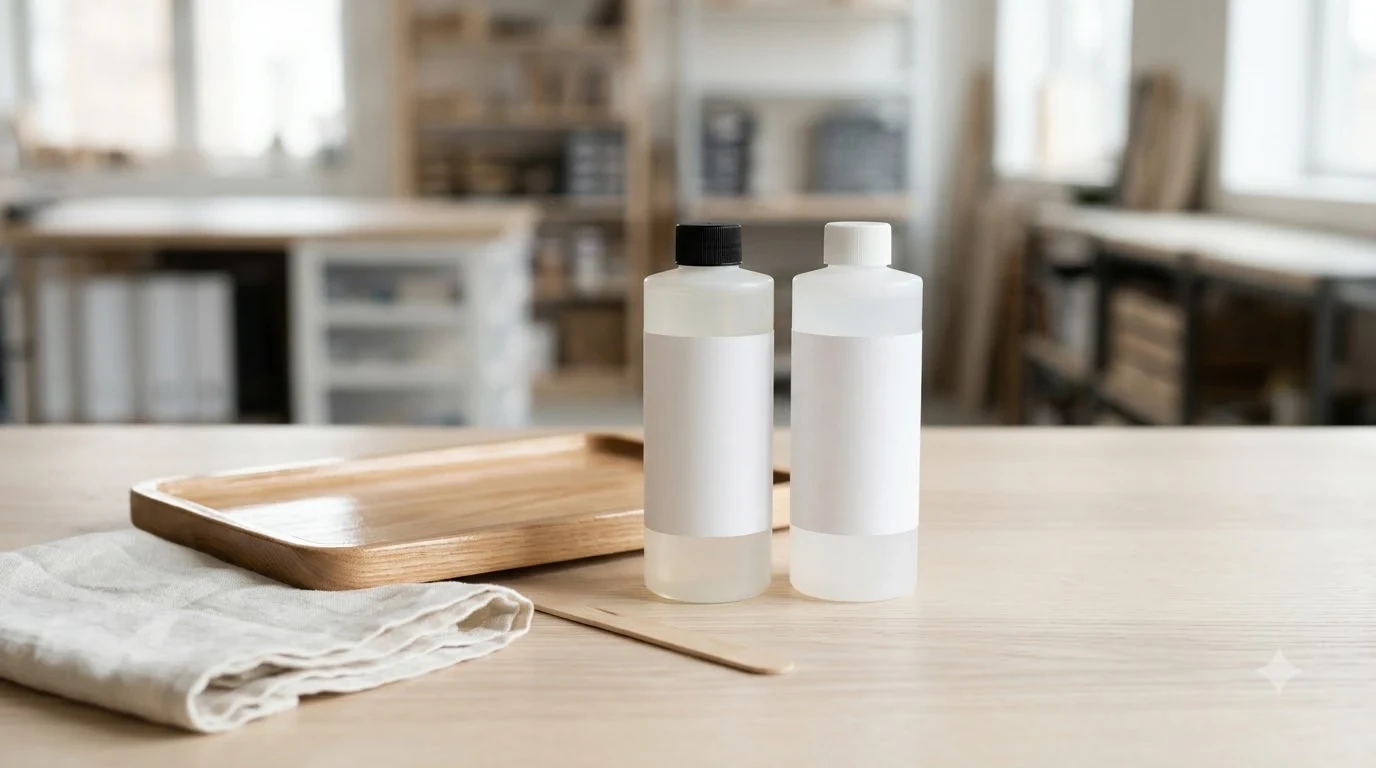
What is marine epoxy? It is a marine-grade thermosetting epoxy system made for surfaces that stay exposed to water and chemicals such as solvents and fuel. Copps Industries says these systems bond to metal, glass, ceramics, wood and several plastics. UltraClear describes marine epoxy as a medium-viscosity resin that cures in thin layers when paired with special hardeners. Working time depends on the hardener, with one UltraClear fast option giving 12 minutes and its slow option giving 30 minutes.
If you own a small boat or handle your own hull and deck work, you have likely seen the words marine epoxy on a product label. This guide explains what the term means, how it differs from standard epoxy and polyester resin, and which boat jobs it suits. It also covers hardeners, temperature and safety basics so you can plan a repair with fewer surprises.
What Is Marine Epoxy?
Marine epoxy is a resin system built for wet and chemically harsh environments. The word marine describes where the product is meant to work, not one fixed chemical formula.
Copps Industries describes marine epoxies as marine-grade thermosetting systems. A thermosetting resin cures into a solid through a chemical reaction and does not soften back into a liquid when heated. According to the same source, the marine-grade resin used in boat building, repair and restoration includes various epoxy resins as well as Novolac epoxy resins.

Manufacturers position marine epoxy for five main jobs: bonding, filling, lamination, waterproofing and coating. Copps notes that it adheres to metal, glass, ceramics, wood, plastics, concrete and fiberglass. That wide adhesion is one reason boat builders use it on mixed-material projects.
How Marine Epoxy Differs from Standard Epoxy and Polyester
Marine epoxy is aimed at wet, solvent-exposed work, so its differences show up in water resistance, strength and repair behavior. Check each product’s technical data sheet for the exact ratings before you buy.
UltraClear states that marine epoxy has better moisture resistance and a higher flexural strength rating than polyester resin. Flexural strength describes how much force the cured material can take before it bends or breaks. Copps adds that marine epoxy does not shrink when exposed to water and can be machined and sanded easily.
Standard casting and coating epoxies are often formulated for dry, indoor surfaces. The sources used for this guide do not compare them directly, so read the label for water and solvent ratings. If your project is a table top rather than a hull, the steps differ; see total boat table top epoxy instructions for that kind of work.
| Property | Marine epoxy | Polyester resin |
|---|---|---|
| Water exposure | Resistant to water and solvents, per Copps | Lower moisture resistance, per UltraClear |
| Flexural strength | Higher rating, per UltraClear | Lower rating by comparison |
| Shrinkage in water | Does not shrink when exposed to water, per Copps | Not stated in the sources; check the data sheet |
| Bonding to the other | Bonds to cured polyester | Struggles to bond to cured epoxy |
Common Marine Epoxy Uses on Boats
Marine epoxy shows up most often in hull protection, structural bonding and repairs to damaged fiberglass or wood. The product’s job is to seal and protect surfaces that stay in contact with water.
UltraClear explains that epoxy barrier coats are commonly applied to fiberglass hulls before any bottom paint goes on. The same source says these coats help provide the moisture resistance a hull needs over many years. It also lists hull repair and fairing, which means smoothing a damaged surface, as common jobs.
Copps lists these typical marine uses:
- Filling cracks and voids in hull and structural parts
- Making underwater repairs on submerged equipment
- Bonding and laminating fiberglass and other materials
- Protective coatings on decks, ballast tanks and hulls
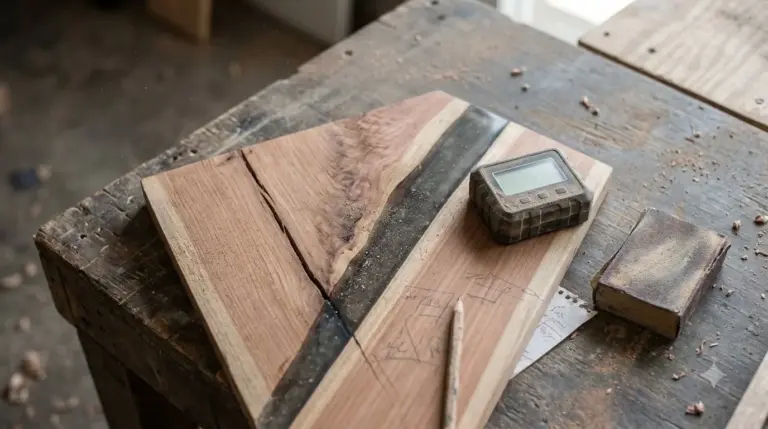
For softer or cracked wood, the same resin family is used to fill and seal damaged areas. Read how to fill cracks in wood with epoxy for the prep steps that matter most before you pour or brush.
Types of Marine Epoxy: Resins, Hardeners and Fillers
Marine epoxy is a resin paired with a hardener, and the hardener mainly controls your working time and cure behavior. Choosing the right hardener for your air temperature matters more than most buyers expect.
Copps names various epoxy resins and Novolac epoxy resins as the base materials in marine-grade systems. Your product’s label will show which resin family it uses. Matching the hardener to that system is the manufacturer’s responsibility, so always use the pairing listed on the data sheet.
UltraClear says marine epoxy is generally used with one of two hardener types: a fast hardener or a slow hardener. The differences are easiest to compare side by side.
| Hardener type | Working time | Temperature guidance | Finish notes |
|---|---|---|---|
| Fast (UltraClear) | 12 minutes | Recommended range 60°F to 70°F | Fully settles about 6 hours after mixing; slightly less translucent |
| Slow (UltraClear) | 30 minutes | Can cure at 80°F or above | Slightly more translucent; usually fine for its intended projects |
Fillers are not covered in the sources used for this guide. Before you mix any filler into a marine resin, check the manufacturer’s data sheet for approved additives, because mixing in the wrong material can change the cure.
Mixing, Curing and Temperature Tips
Mixing and curing go well when you pick the hardener for your temperature, measure exactly and work in thin layers. Most problems that show up later start at the mixing bench.
- Read the data sheet first. Confirm the mix ratio, working time and recommended temperature for your exact product.
- Choose the hardener for your shop temperature. The fast option suits the 60°F to 70°F range UltraClear lists, and the slow option suits 80°F or above.
- Measure by the label. Do not estimate. Use clean, marked containers and the measuring tools the manufacturer recommends.
- Mix thoroughly. Scrape the sides and bottom of the container so unmixed resin does not stay on the walls.
- Apply in thin layers. UltraClear notes that marine epoxy cures in thin layers when used with the right hardener.
- Plan the final finish. If you add a gelcoat, use an epoxy gelcoat rather than polyester.
Tip: Work in a space that stays within the temperature range on your hardener’s data sheet. A cold garage in winter may call for a different hardener than a warm shop in summer.
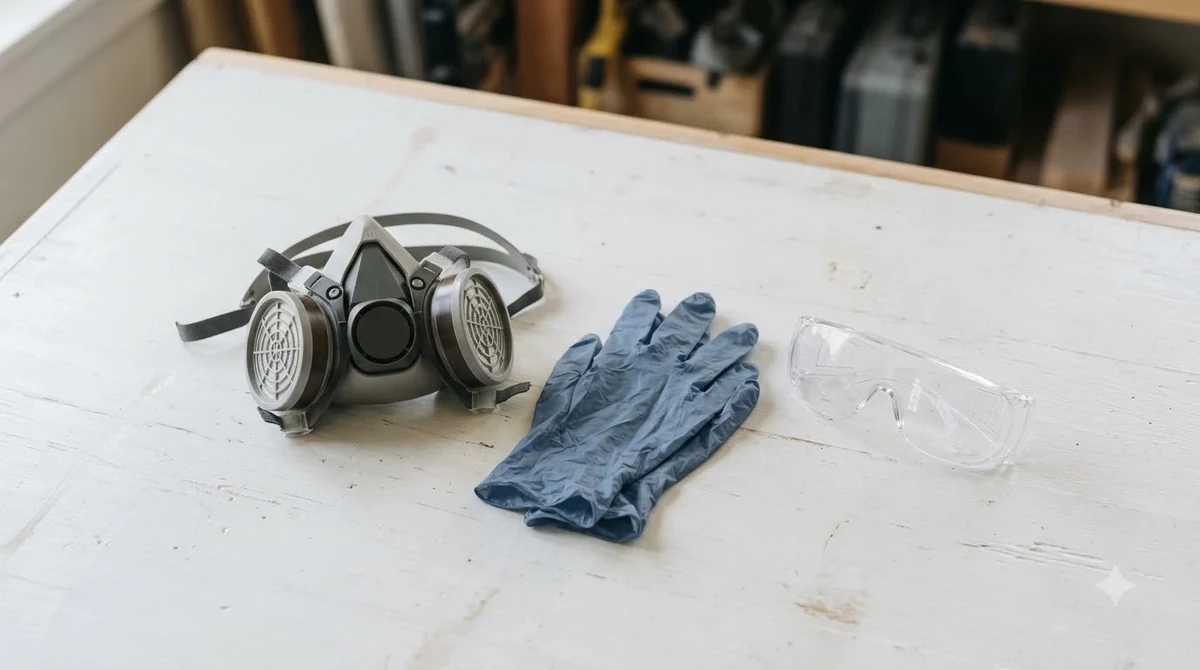
Safety: Wear nitrile gloves, keep the area ventilated and read the product’s safety data sheet (SDS) before you open any container. Follow the SDS for eye and skin protection.
Common Mistakes and Troubleshooting
Most marine epoxy problems come from the wrong hardener for the temperature, a mismatched topcoat or skipped surface prep. Catching these early saves sanding and rework.
- Using the wrong hardener. A fast hardener in a cold space or a slow hardener in a cool shop can leave the cure out of step with your schedule.
- Putting polyester gelcoat over cured epoxy. UltraClear notes that cured epoxy does not properly support a polyester gelcoat. Use an epoxy gelcoat as the final finish.
- Expecting a water-white finish. Marine epoxy can cure with a subtle yellow-orange hue. UltraClear says this is usually painted over or concealed, so it matters most on clear projects.
- Mixing too much at once. A large batch can reach its working time before you finish spreading it.
If a cured surface feels tacky, first check your measuring and mixing steps, then the room temperature during cure. Consult the manufacturer’s technical support before you sand off a large area.
For a deeper look at the manufacturer’s advice on hardeners and boat use, read UltraClear’s marine epoxy guide, which covers hardener choice and hull barrier coats.
Frequently Asked Questions
Is marine epoxy waterproof?
Copps describes marine epoxy as resistant to water and solvents, and says it does not shrink when exposed to water. Waterproofing is one of its listed uses. Still, the sealed result depends on surface prep and full cure, so follow the data sheet closely.
Can marine epoxy be applied underwater?
Copps states that marine-grade epoxy can be applied underwater and is suited to equipment that is submerged. Underwater work is a specialized job, so confirm the product’s submerged-use instructions on the data sheet first.
Can marine epoxy be used as a gelcoat finish?
Marine epoxy can serve as the base, but UltraClear advises using an epoxy gelcoat as the final layer over cured epoxy. Polyester gelcoat does not bond properly to cured epoxy, so keep the finish system matched.
Which hardener should I use in cold or warm weather?
UltraClear’s fast hardener is recommended in the 60°F to 70°F range and settles about 6 hours after mixing. Its slow hardener can cure at 80°F or above. The sources do not cover the gap between those ranges, so ask the manufacturer.
Marine epoxy is a marine-grade resin for surfaces that meet water and fuel. Start with the data sheet, match the hardener to your shop temperature and keep your gloves and ventilation in place. For related jobs, browse Boats, Repairs & Bonding projects on this site.
More in Boats, Repairs & Bonding
 TotalBoat Tabletop Epoxy Cure Time: When to Sand, Recoat and Use ItUpdated Nov 26, 2026
 TotalBoat Tabletop Epoxy Instructions: Mix, Pour and Cure Your Table RightUpdated Nov 26, 2026
 How to Fix Epoxy Countertop Ripples, Cracks and Dull Spots Without Starting OverUpdated Nov 26, 2026
 How to Fill Cracks in Wood with Epoxy Without Bubbles or SinkingUpdated Nov 26, 2026