

We may earn a commission when you buy through links on this page, at no extra cost to you. Learn more.
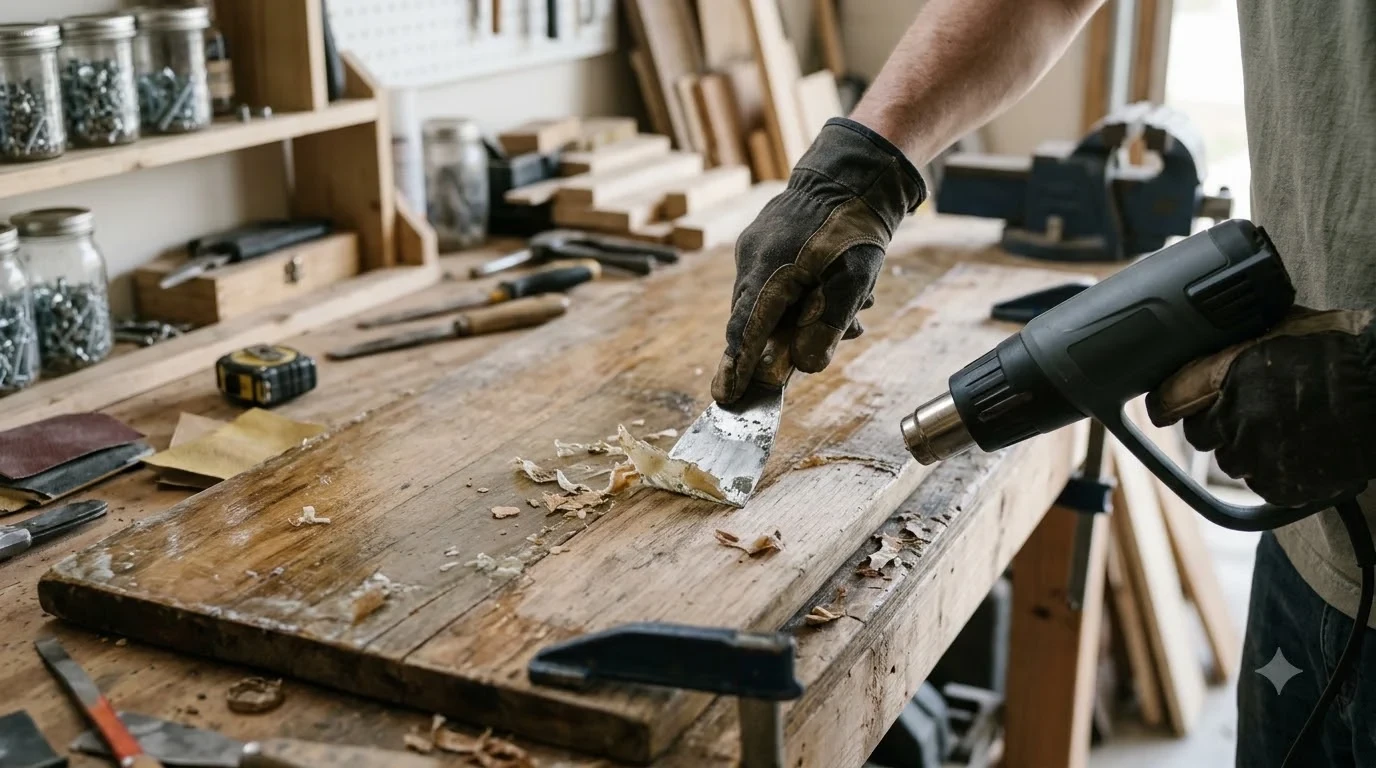
What will remove epoxy depends on whether it has cured. Uncured epoxy wipes off with straight solvents like acetone or isopropyl alcohol, while cured epoxy usually needs heat, scraping or sanding. Entropy Resins describes household vinegar as a very mild solvent that takes more product than stronger options. For cured material, Dustless Blasting describes heat guns at 300°F to 500°F (150°C–260°C) to soften epoxy for scraping. Chemtronics notes that a soldering iron set to 500-600°F can soften cured epoxy on metal or glass.
Epoxy can be stubborn once it sets, and the right method depends on the surface and the state of cure. This guide compares solvents, heat and mechanical tools, and flags what can damage wood, circuit boards, or your skin. If you are still sorting out the cause of a bad finish, the Troubleshooting & Fixes hub covers related problems.
Removing Uncured or Wet Epoxy
Uncured epoxy is much easier to remove than hardened epoxy, so act quickly. Wipe up the bulk first with a plain white paper towel, then switch to a solvent to clear the residue.
Entropy Resins notes that smooth surfaces such as glass or plastic make cleanup fairly simple. Textured or absorbent surfaces like raw wood may never be fully clear. Loctite makes the same point, saying uncured epoxy is best removed while it is still soft and has not set into place.
Chemtronics states that straight solvents such as acetone, MEK and methylene chloride quickly dissolve uncured conductive epoxy paste. Stronger solvents, including isopropyl alcohol, denatured alcohol, acetone and lacquer thinner, work faster than vinegar. Milder concentrations work too, but they may need more product and more wiping.
Why wet epoxy is easier to lift
Liquid resin has not bonded to the surface yet. Solvent only has to break the film and lift it off. Once the film thickens, the same solvent takes much longer and may leave a tacky haze behind.
Heat Methods That Soften Cured Epoxy
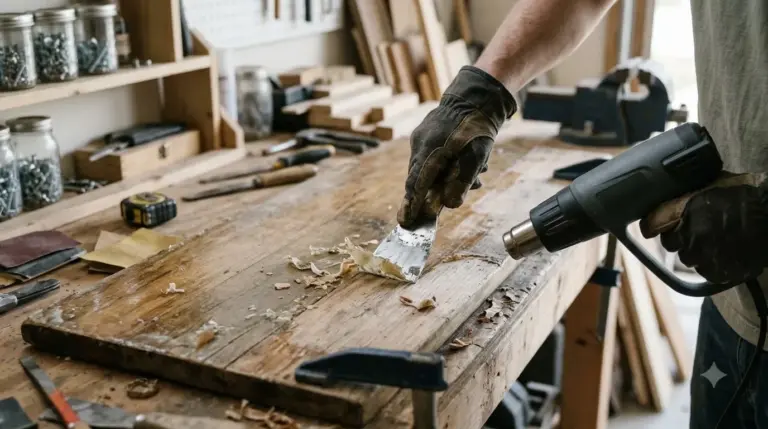
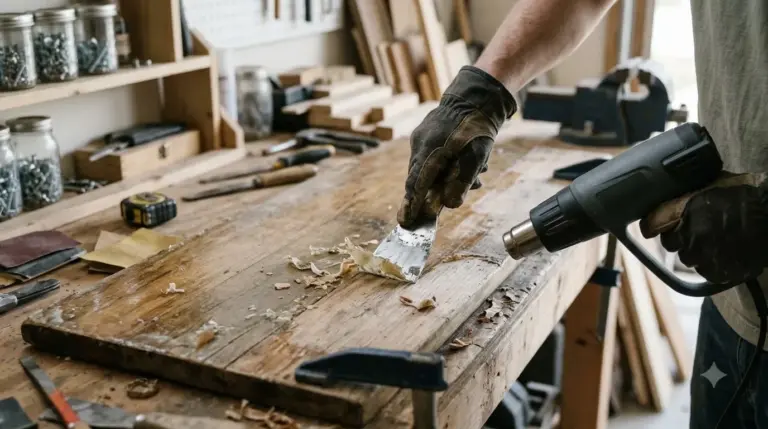
Heat is the most common way to soften cured epoxy without chemicals. Epoxy typically starts to soften once its temperature rises above 180°F, according to Entropy Resins. Softened material can then be scraped off with a plastic or metal tool.
A heat gun is the usual choice for small patches. Dustless Blasting describes heat guns typically applied at 300°F to 500°F (150°C–260°C). The company also notes that a heat gun is slow over large areas, so you work in small sections.
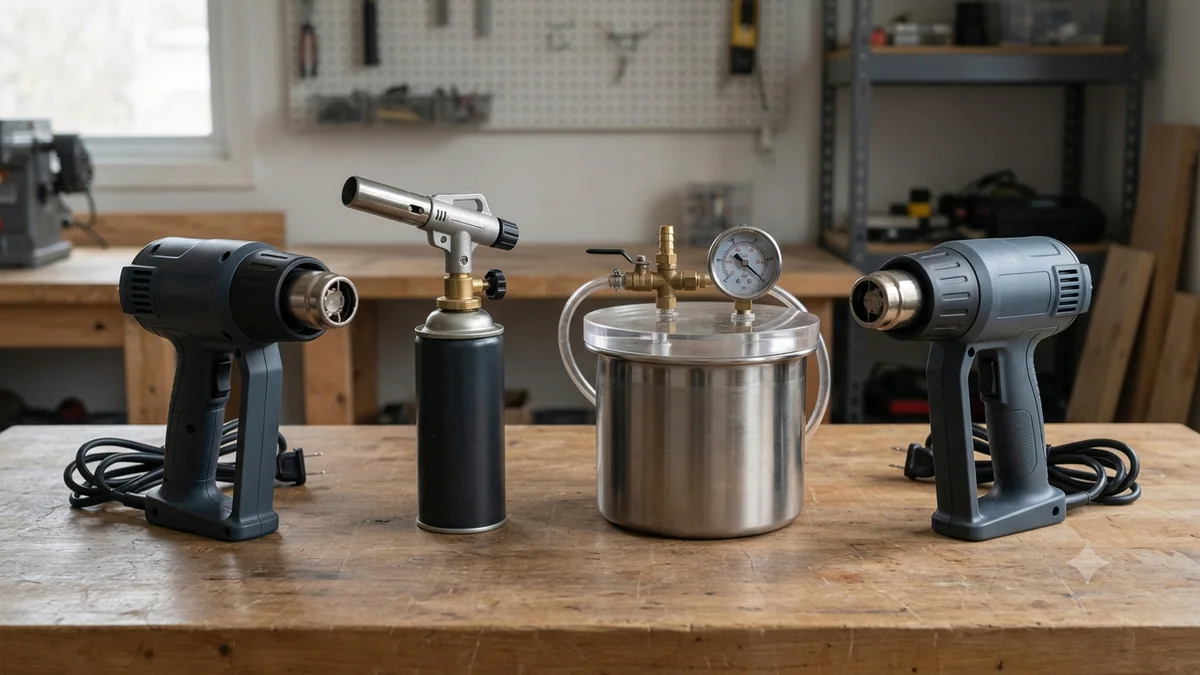
| Heat source | Stated temperature | Best use |
|---|---|---|
| Heat gun | 300°F to 500°F (150°C–260°C), per Dustless Blasting | Small patches on wood, concrete or metal |
| Soldering iron | 500-600°F, per Chemtronics | Metal or glass only, not circuit board material |
| Any heat source | Softening begins above 180°F, per Entropy Resins | Checking whether the epoxy will release at all |
Safety: Never use a heat gun on a surface that has acetone, paint thinner or denatured alcohol on it. The combination can be a fire hazard, according to Dustless Blasting. For the next step after this check, see What Solvent Can Remove Epoxy.
Chemical Removers and Solvents That Work
Solvents work best on soft epoxy and on thin residue. They are much less effective on fully cured material, and Chemtronics says cured epoxy resists solvent attack for hours or even days. Choose the mildest option that does the job.
Dustless Blasting lists solvents in increasing aggressiveness: acetone, toluene, MEK, sulfuric acid and methylene chloride. The company recommends testing any stronger solvent on a small hidden area first. Acetone is the common starting point.
For porous materials, Loctite recommends acetone, and it warns that paint thinners and alcohol can damage wood finishes. For non-porous hard surfaces like metal, Loctite suggests a chemical adhesive remover because those surfaces do not soak up acetone. Soak a soft cloth, rub gently, then scrape.
Chemtronics also warns that strong epoxy removers using methylene chloride, NMP or organic acids are toxic. Those products can attack circuit board resins and some metals such as aluminum. Chemtronics also says the same strong solvents may need heat and can take hours or days. For a broader overview of removal options, the Chemtronics guide on removing conductive epoxy mistakes explains why physical removal is preferred for cured material.
Mechanical Removal: Scraping and Sanding
Physical removal is the most dependable answer for cured epoxy. Entropy Resins calls sanding or grinding the best, most efficient way to remove cured epoxy. Chemtronics also recommends sanding, scraping or chipping as its preferred method.
Use a plastic scraper on delicate surfaces to reduce gouging. Start with a coarser abrasive to take off the bulk, then move to a finer grit to smooth the surface. Dustless Blasting notes that a scarifier or floor scraper suits large flat areas, while shot blasting works on hardened epoxy but less well on pliable epoxy. For more on this topic, see Will Any Uv Flashlight Cure Uv Resin.
Tip: Scrape at a low angle and keep the blade moving. Digging in tends to gouge wood and concrete faster than the epoxy lifts.
Removing Epoxy From Specific Surfaces
Each surface reacts differently to solvents, heat and abrasion. Match the method to the material before you start. When in doubt, test a small hidden spot first.
Wood and concrete: Loctite recommends acetone for porous materials. Soak a clean cloth, let the surface absorb it, then scrape gently so you do not damage the grain or finish.
Metal and glass: Heat from a soldering iron set to 500-600°F can soften cured epoxy, according to Chemtronics. Do not use that method on circuit board material.
Skin: Entropy Resins advises against solvents on skin because they can drive epoxy deeper. Scrub with a gritty hand cleaner until the epoxy softens or peels, and read more in how to remove epoxy from skin. Hardener alone washes off with soap and warm water.
Hair: Entropy Resins reports that soaking in isopropyl alcohol for about 6-8 hours was suggested for softening cured epoxy in hair. It warns that alcohol can damage hair, so check with a stylist before trying it.
Clothing: Acetone or denatured alcohol on a dampened paper towel can lift resin from fabric. Remove the garment first, then rinse with warm soapy water. Solvents can stain or damage delicate fabrics such as silk or wool.
Safety Gear and Ventilation During Removal
Every solvent and heat method carries some risk. Read the product SDS before you start, and keep the work area open to fresh air. Loctite advises a mask, safety glasses and gloves when using chemical solvents.
Chemtronics advises proper PPE and ventilation when handling acetone, MEK and methylene chloride. Dustless Blasting adds that mechanical removal creates dust, so wear a dust mask, gloves and goggles, and use a vacuum or water attachment when possible.
Safety: Keep solvents away from heat sources and open flames. Use nitrile gloves and ventilation, and follow the SDS for each product you use. If you want to go deeper, What Can I Use to Remove Epoxy covers a connected topic.
Frequently Asked Questions
What solvent removes uncured epoxy?
Acetone, isopropyl alcohol and denatured alcohol are common choices, according to Entropy Resins and Loctite. Chemtronics says straight solvents such as acetone and MEK dissolve uncured paste quickly. Use ventilation and gloves.
Will acetone remove cured epoxy?
Acetone can soften thin cured residue, but Chemtronics says cured epoxy resists solvents for hours or longer. Loctite recommends acetone mainly for porous materials like wood. For hardened layers, plan on scraping or sanding.
Can heat soften cured epoxy?
Yes. Entropy Resins says epoxy typically starts to soften above 180°F. Dustless Blasting describes heat guns at 300°F to 500°F for scraping. Keep heat away from solvents and check that the underlying material tolerates it.
Is isopropyl alcohol effective for epoxy in hair?
Entropy Resins reports that a soak of about 6-8 hours was suggested for softening epoxy in hair. It also warns the alcohol could damage hair. Trim or consult a stylist if the clump is large.
Start with the mildest method that fits the surface, and work up only if needed. For more background on fixing sticky or stubborn finishes, see the Troubleshooting & Fixes section. Remember that some epoxy is simply easier to replace than to remove.
More in Troubleshooting & Fixes
 How to Fix Scratches in Epoxy Tables Without Redoing the Whole TopUpdated Nov 26, 2026
 How to Remove Amine Blush From Epoxy Without Starting OverUpdated Nov 26, 2026
 Paint and Epoxy Remover: Which Type Strips Cured Epoxy and Paint SafelyUpdated Nov 26, 2026
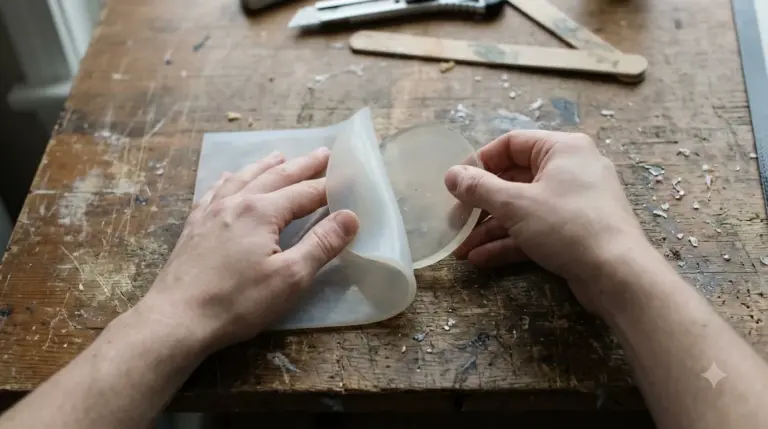 Resin Sticking to Mold? Causes, Release Fixes and Safe RemovalUpdated Nov 26, 2026
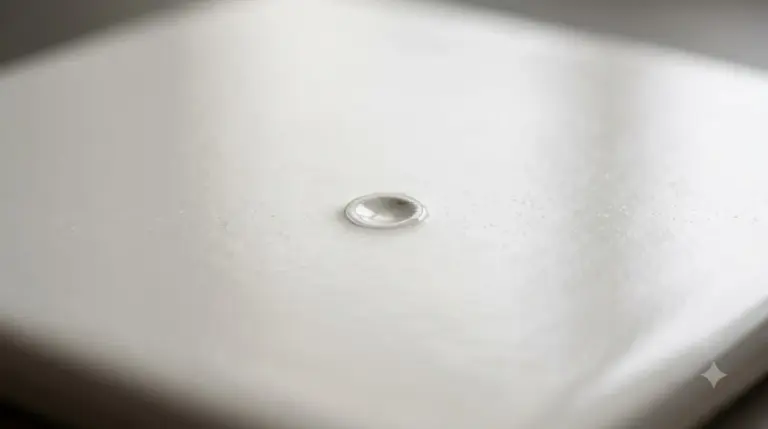 Why Is My Epoxy Bumpy? Causes and Fixes for a Smooth FinishUpdated Nov 26, 2026
 Why Is My Epoxy Separating? Causes and How to Fix ItUpdated Nov 26, 2026