


We may earn a commission when you buy through links on this page, at no extra cost to you. Learn more.
What kind of resin for molds works best? For most silicone molds, a clear epoxy resin made for casting is the usual choice. Resin-Pro says silicone moulds are reliable for epoxy, polyester, polyurethane and acrylic resins. EnvironMolds lists epoxy, polyester and UV resin as common casting resins for silicone. Pour depth limits matter, so check the maximum layer thickness on the resin label before you mix.
This guide helps you match the resin to your mold material and your project. It also covers the compatibility problems that cause sticky, cloudy or cracked casts, so you can choose with fewer surprises. Read the whole page before you mix, because the order of steps affects the final surface.
Choosing the Right Resin for Your Mold Type
Most people casting in silicone use an epoxy resin, and the material is widely described as a good match. The right choice depends on the silicone, the pour thickness and how much detail you need to capture. Start with the mold first, then pick the resin that fits it.
Silicone is flexible and non-stick, so it helps you release delicate pieces. That property is the main reason silicone molds are popular for resin work. According to EnvironMolds, silicone molds work exceptionally well in resin casting, whether the resin is epoxy, polyester or UV. Compatibility still depends on the specific products you pick, so check the data sheet for each one. The EnvironMolds guide on casting resin, plaster and polyurethane in silicone molds covers these material differences in more detail.
Think about the finished piece before you buy. A thin jewelry casting has different needs than a deep decorative block. Thin pieces benefit from a softer mold that flexes around fragile edges. Deep or heavy pieces need a resin rated for that depth and a mold that holds its shape under weight. If this section raised more questions, What Kind of Epoxy for Table Top may answer them.
Epoxy, UV, and Polyurethane Resin Compared
Each resin type behaves differently in a mold. Epoxy is the most commonly named option for silicone casting. UV resin cures under light, and polyurethane needs extra attention with some silicones. Use the table below as a quick guide, then confirm details on the product label.
| Resin type | Typical use in silicone molds | What to watch |
|---|---|---|
| Clear epoxy | Jewelry, coasters, decorative casts and detailed pieces | Follow the maximum pour depth and full cure time on the label |
| UV resin | Small, thin castings that cure under UV light | EnvironMolds names UV resin among casting resins used with silicone, so check the mold maker’s notes for your specific product |
| Polyurethane | Casting where the silicone maker says it is compatible | EnvironMolds says some formulations can shorten mold life or cause surface inhibition |
Epoxy is the simplest starting point for beginners. It is well documented for silicone molds across several sources. If you choose polyurethane, plan for a mold release and a high-durometer silicone, as EnvironMolds recommends. UV resin suits small, thin pieces, but you should still confirm that your silicone is listed for it.
A common mistake is choosing a resin only by price or color. Compatibility with the mold matters more than the resin’s appearance. Read the mold maker’s notes before you buy a large batch. A small test cast will show you more than any general chart.
Matching Resin to Silicone, Rubber, and Plastic Molds
Silicone molds are the best-documented option for resin casting. Rubber and plastic molds are not covered by the sources used here, so treat them with caution. Always check the mold maker’s compatibility notes first, and run a test cast before a full project.
For silicone, Pure Mould is listed as a translucent liquid silicone with a 1:1 mixing ratio. Resin-Pro says it is compatible with epoxy, polyester, polyurethane and acrylic resins. Liquid Mould is a bi-component silicone rated 5-40 Shore that works with resin, soap and polymer pastes. I-Gum is a non-toxic putty mixed 1:1 by hand that suits resin, polyurethane, cement and wax, according to the same retailer.
Silicone hardness changes how the mold behaves. Resin-Pro notes that softer molds may release fragile castings more easily, while firmer molds hold sharp edges. For thin or detailed work, a softer silicone may suit you better. For heavier casts, a firmer mold may hold its shape. Some softer silicones may need a supporting box or shell for heavy materials like concrete.
Translucent silicone has a practical benefit. You can see trapped air more easily during the pour. That helps when you fill narrow lettering or small cavities. Resin-Pro describes this advantage for epoxy casting in translucent molds, so it is worth considering for detailed work.
Tip: If you are unsure which silicone to buy, read the product data sheet for resin compatibility before you commit to a full project. Look for the mixing ratio, the Shore hardness and any stated pour limits. For the next step after this check, see How to Use Silicone Molds for Resin.
Pour Depth, Cure Time, and Demolding
Pour depth and cure time control how safely you can release a cast. Resin-Pro lists Trasparente epoxy for pours up to 2 cm and Icrystal for layers up to 1.5 cm. Pouring deeper than the limit can trap heat and affect the finish. Always check the maximum layer depth before you order a large amount.
Icrystal uses a 2:1 mixing ratio and is described as odourless. ICreation offers 6-hour demolding and a 12-hour full cure, according to the listing. Pure Mould has a 3-8 hour cure time, per the same retailer’s description. These numbers come from product listings, so your product’s own sheet controls the final timing.
Resin-Pro advises demolding after full cure, not just when the surface feels hard. Release the edges first and flex the mold lightly to break the surface contact. Do not pull from one corner, because that can tear fine detail or distort the cast. For the full reasoning behind this step, the Resin-Pro page on using epoxy with silicone moulds lays out its demolding advice.
- Check the resin label. Confirm the maximum pour depth and the full cure time.
- Keep the mold clean and dry. Remove dust and old release residue before mixing.
- Degas when possible. EnvironMolds recommends removing bubbles from the resin to reduce surface defects.
- Avoid excess heat. Do not overload the mold with a single deep pour.
- Wait for full cure. Do not demold on surface hardness alone.
- Release the edges first. Flex the silicone gently and lift slowly.
If a cast sticks, stop pulling and check cure first. A piece that is not fully cured can deform or tear. Give it more time before you try again. Patience at this step saves the mold for future projects.
Safety, Ventilation, and Mold Care
Resin work calls for basic protection. Wear nitrile gloves and work in a well-ventilated area. Read the safety data sheet for your exact resin before you start, since products differ in handling requirements. Keep a clean work surface and cover it before pouring.
Silicone molds last longer with simple care. Resin-Pro recommends storing them flat to avoid warping. Wipe them with a dry microfibre cloth after each cast, and avoid abrasive cleaners that can dull fine detail. Clean, dry molds also give more consistent results from one batch to the next.
Safety: Use gloves and good airflow when mixing. Follow the safety data sheet for your resin, and keep uncured resin away from skin and eyes. Do You Need Mold Release for Silicone Molds explains a closely connected part of this problem.
Frequently Asked Questions
What kind of resin works best with silicone molds?
Clear epoxy casting resin is the most commonly named choice. Resin-Pro lists Trasparente for pours up to 2 cm and Icrystal for layers up to 1.5 cm. Match the resin’s pour depth to your mold design.
Is epoxy resin safe to use in silicone molds?
Epoxy is widely described as compatible with high-quality silicone molds. Work with gloves and good ventilation, and read the resin’s safety data sheet. Silicone is non-stick, so cured epoxy usually releases cleanly.
Does epoxy resin stick to silicone molds?
Cured epoxy does not readily adhere to silicone, according to Resin-Pro. A light dusting of release agent can help on very fine or deep cavities. Adhesion is still not guaranteed for every product, so test a small piece first.
How long should resin cure before demolding from a silicone mold?
Wait for full cure, not just a hard surface, according to Resin-Pro. Some listings give 6 hours for demolding and 12 hours for full cure, while silicone cure times vary. Check your product’s label for exact times.
Start with a clear epoxy suited to your pour depth, a silicone made for resin contact, and a clean, dry mold. For more on the basics, read how to use resin molds before your first pour. If you are considering wax or soap in the same mold, see can you use resin molds for candles for the material limits.
More in Molds & Mold Making
 How to Make Resin Molds for Beginners: Materials, Steps and FixesUpdated Nov 26, 2026
 How to Store Silicone Molds So They Last Through Many PoursUpdated Nov 26, 2026
 How to Make Resin Bowl Molds at Home, Step by StepUpdated Nov 26, 2026
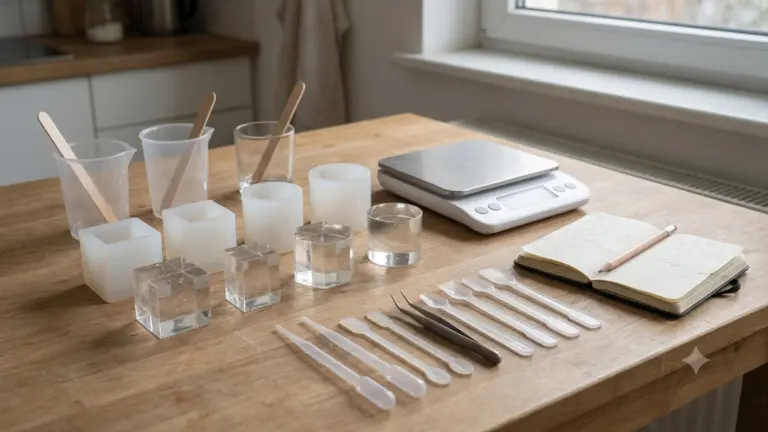 Can You Use Resin Molds for Candles? What Holds Up to Hot WaxUpdated Nov 26, 2026
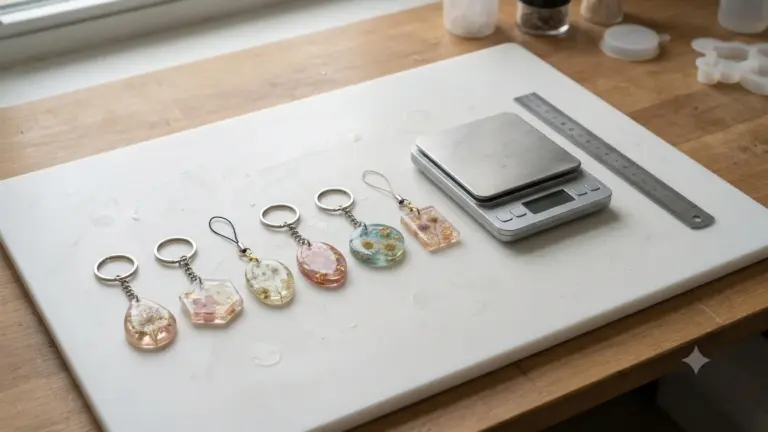 How to Make Resin Keychains with Molds, Step by Step for BeginnersUpdated Nov 26, 2026
 How to Release Resin from Mold Without Cracking Your PieceUpdated Nov 26, 2026