

We may earn a commission when you buy through links on this page, at no extra cost to you. Learn more.
Does epoxy stick to wax paper? No, epoxy does not bond to wax paper, which is why wax paper is a common release surface for resin projects. The wax coating acts as a release agent, so cured epoxy usually peels away without a strong bond. Wax paper is coated on both sides with a thin layer of wax, and that layer can transfer into the resin. If you later need to recoat a cured piece, one source recommends sanding the surface with 180-grit sandpaper and cleaning it first.
This guide explains why epoxy won’t stick to wax paper, how the paper behaves during a pour, and how to remove cured pieces without leaving residue. It also covers the cloudiness and shifting problems that catch many makers off guard.
Does Epoxy Stick to Wax Paper?
Epoxy does not bond to wax paper, so the paper works as a temporary release surface. The wax layer is what blocks the bond from forming.
Wax paper has a thin layer of wax on both sides. According to House Trick’s wax paper and epoxy guide, that coating is what makes the paper non-stick, and it is also what can contaminate the resin. The same page notes that the paper can shift while the resin cures, which can leave a piece misshapen.
Because the wax stops a strong bond, epoxy also cannot be used to glue wax paper to other materials. Custom Wax Paper’s explanation of the release effect makes the same point: a project that depends on structural attachment needs a different adhesive. Treat wax paper as a liner, not as a part of the finished piece.
Does Resin Stick to Wax Paper?
Resin does not stick to wax paper, so it is widely used to line work surfaces and molds. The same release behavior applies to the epoxy casting resins most hobbyists use.
Resin-expert.com states that resin does not stick to parchment or wax paper, which makes the paper useful for many DIY projects. The same article points out that wax paper is cheap and easy to handle, so it is often used to cover a live edge or to form a simple mold for a small table. That low cost is a large part of its appeal.
Will Resin Stick to Wax Paper?
No, resin will not bond to wax paper in normal use. The practical risk is not adhesion but the wax itself, which can get into the mix and leave the surface cloudy. Keep the paper clean and dry before you pour.
The paper can also move while the resin is still liquid. If the sheet slides, the edges of your piece may cure uneven. Securing the edges with tape placed outside the pour area helps keep the sheet in position.
Wax Paper vs. Parchment Paper for Resin Work
Wax paper and parchment paper are often grouped together, but they are not the same. Wax paper has a wax coating, while parchment paper has a thin silicone coating and handles heat better. For most resin work, the difference that matters most is cloudiness risk.
Housetrick.com describes parchment paper as heat-resistant and more expensive than wax paper. Its comparison also notes that parchment may still shift during curing, the same problem wax paper has. Because the sources disagree on whether parchment sticks to epoxy, you should check that point with a small scrap before using it on a finished piece. For a closer look at that question, read our page on does resin stick to parchment paper.
| Feature | Wax paper | Parchment paper |
|---|---|---|
| Coating | Thin wax on both sides | Thin silicone coating |
| Heat behavior | Can melt when heated | Heat-resistant |
| Cost | Lower | Higher |
| Cloudiness risk | Higher, because wax can transfer | Lower according to some sources, but not guaranteed |
| Stays in place | May shift during cure | May shift during cure |
Tip: Pour a small test puddle on a scrap of the same paper and wait for full cure before committing to a large piece.
Using Wax Paper for Pours, Molds and Embedding
Wax paper works best as a disposable liner for a flat work surface or a simple mold. It is less suited to large or precise shapes. Plan the setup before you mix so the paper stays flat and smooth.
Resin-expert.com lists several alternatives for work surfaces. It suggests covering the area with plastic sheeting about 3 mm thick, which can be removed after cure. The same source warns that plastic sheeting can melt if a hot mixing cup sits on it too long. For a reusable option, it describes coating a melamine board with 2 or 3 coats of automotive paste wax that contains carnauba.
If you are placing objects into a pour, the paper’s shifting becomes more important. Read more about placing items in a cast on our page about paper in resin, which covers the sealing and layering steps. Choose a mold material that fits the size of the piece, since silicone molds are generally used for small items rather than desks or tables.
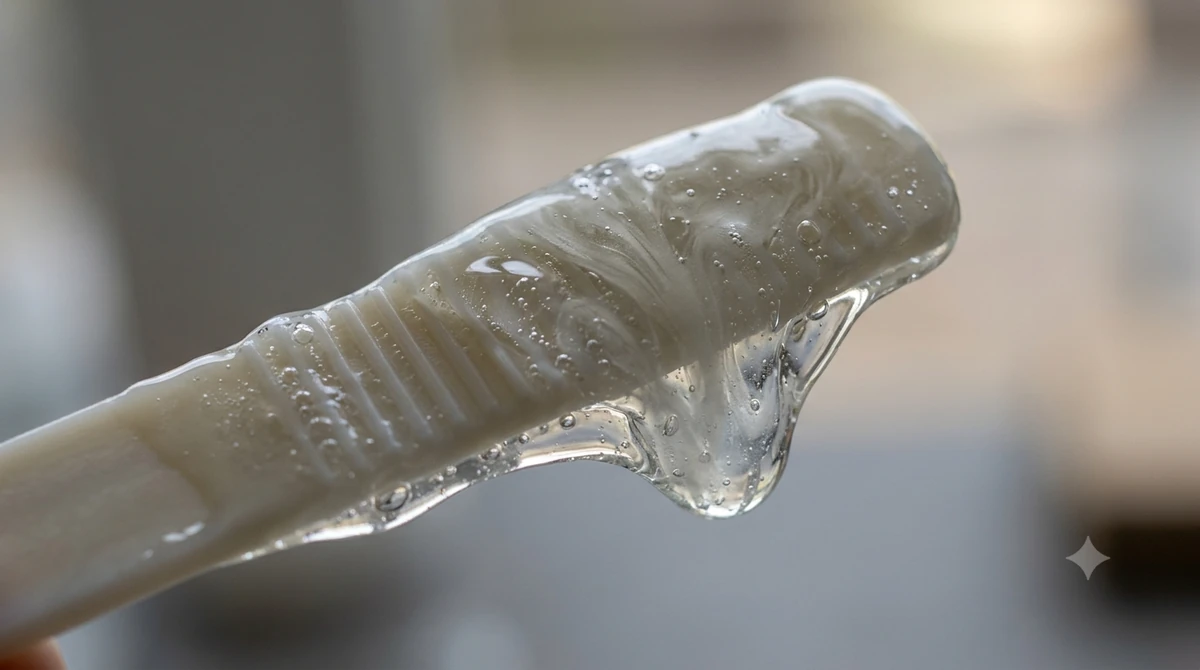
| Surface option | Best use | Main limitation |
|---|---|---|
| Wax paper | Flat work surface, simple small mold | Wax can cloud the resin and the paper may shift |
| Plastic sheeting (about 3 mm) | Covering a large work area | Can melt under a hot mixing cup |
| Melamine board with paste wax | Reusable work surface | Needs 2 or 3 coats of carnauba-containing paste wax |
| Silicone mold | Small items like jewelry and coasters | Not suited to desks or tables |
Getting Cured Pieces Off Cleanly
Clean release depends on full cure, a smooth paper surface and patience during removal. Rushing the peel is the most common reason for torn edges or leftover fibers on the finished piece.
- Confirm full cure. Check the cure time on the resin maker’s data sheet before you touch the piece.
- Check the edges. Look for any lifting paper or drips that may have fused to the surface.
- Peel slowly. Lift one edge at a time and keep the paper low to the surface to avoid pulling on the cast.
- Clean the surface. Wipe away any loose wax or fibers with a cleaner the resin maker recommends.
- Sand before recoating. If you plan another layer, sand with 180-grit sandpaper, clean the surface, and then pour.
Safety: Wear nitrile gloves, work in a ventilated space and follow the resin’s safety data sheet for handling and cleanup.
Troubleshooting Cloudy or Sticky Results
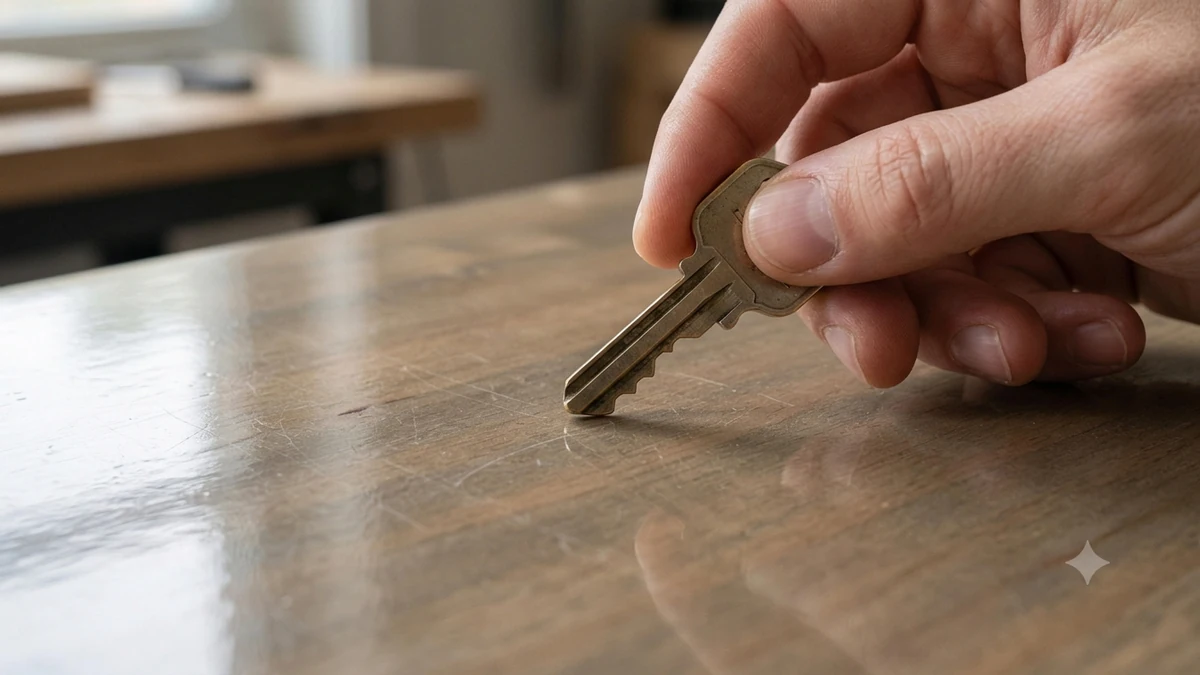
Most problems with wax paper come from wax transfer, shifting sheets or incomplete cure. Matching the symptom to the cause makes the fix faster.
| Symptom | Likely cause | What to do |
|---|---|---|
| Cloudy finish | Wax from the paper got into the resin | Switch to a different release surface and test on a scrap first |
| Uneven or misshapen edges | Paper moved during cure | Secure edges with tape outside the pour area |
| Surface stays tacky | Incomplete cure or off-ratio mix | Check the mix ratio and cure time on the data sheet |
| Residue on the finished piece | Wax or fibers left after peeling | Clean the surface, then sand with 180-grit if recoating |
| Resin sticks to a silicone mold | Overheated silicone or low-quality mold | Keep the curing area cool and use a better mold |
For large molds, the sources mention a mold release and conditioner that can be sprayed into the mold before pouring. One source says it helps with removing cast resin from large molds. Apply it according to the product’s own instructions, and keep the mold ventilated while spraying.
Tip: Keep a labeled scrap of each release surface you use, so you can compare cloudiness across batches.
Frequently Asked Questions
Does epoxy stick to parchment paper?
Sources disagree on this point. Resin-expert.com says resin does not stick to parchment, while House Trick says parchment will stick to epoxy. Parchment has a silicone coating and is heat-resistant, so test a scrap before relying on it.
Can I use wax paper as a work surface for epoxy resin?
Yes, many makers use it because resin does not stick to it. Keep the sheet flat and secure its edges so it does not shift during cure. Be aware that wax can transfer into the resin and leave the surface cloudy.
Why does my epoxy look cloudy after using wax paper?
Wax paper is coated on both sides with a thin layer of wax, and that wax can contaminate the resin. Sources describe this as the main drawback of the paper. A different release surface often gives a clearer finish.
Will epoxy stick to Teflon or silicone mats?
Epoxy does not stick to Teflon, which is known for its heat-resistant properties and is used in frying pans. Epoxy also bonds poorly with silicone, but overheating silicone or using a low-quality mold can cause sticking. Check the mold’s quality and keep the curing area cool.
Wax paper is a practical release surface because epoxy does not bond to it, but its wax coating can cloud the finish and the sheet can shift during cure. Choose the surface based on the size of your piece and the finish you want. For more on what to place inside a pour, see Inclusions & Embedding.
More in Inclusions & Embedding
 How to Mix Glitter into Resin Without Clumping or SinkingUpdated Nov 26, 2026
 Resin Projects with Dried Flowers: How to Prep, Seal and Cure Them RightUpdated Nov 26, 2026
 Hair in Resin: Why It Floats, Bubbles or Yellows, and How to Prevent ItUpdated Nov 26, 2026
 Wood in Resin: Which Woods Work and How to Seal Them for Clear, Bubble-Free ResultsUpdated Nov 26, 2026
 Can You Put Fresh Flowers in Resin? Why They Brown and How to Dry Them RightUpdated Nov 26, 2026
 How to Preserve Dried Flowers in Resin So They Stay Bright and FlatUpdated Nov 26, 2026