

We may earn a commission when you buy through links on this page, at no extra cost to you. Learn more.
How to store silicone molds well comes down to cleaning them with a soap solution, wiping them fully dry, and keeping them on a level surface in a cool, dry place. Smooth-On’s product information for its Mold Max, Smooth-Sil and Dragon Skin silicones gives this same basic routine. Multi-part molds should be assembled before they go on the shelf. Keeping the mold clean, dry and supported is what protects its detail between sessions.
Silicone molds are a real investment of time and material, so how you put them away matters as much as how you make them. The steps below cover cleaning, drying, checking the cure, and choosing a storage spot. They also explain how to avoid the heat, moisture and contamination problems that shorten a mold’s working life.
Why Proper Storage Extends Silicone Mold Life
Good storage keeps a mold ready for the next pour without extra repair work. The physical life of a mold depends on how you use it, including the materials you cast and how often you cast. Storage is the part of that life you control between sessions.
Smooth-On notes that casting abrasive materials such as concrete can quickly erode mold detail, while non-abrasive materials like wax do not affect detail. Storage cannot undo that wear. It can, however, prevent dust, residue and deformation from adding damage on top of normal use.
What Damages Silicone Molds in Storage
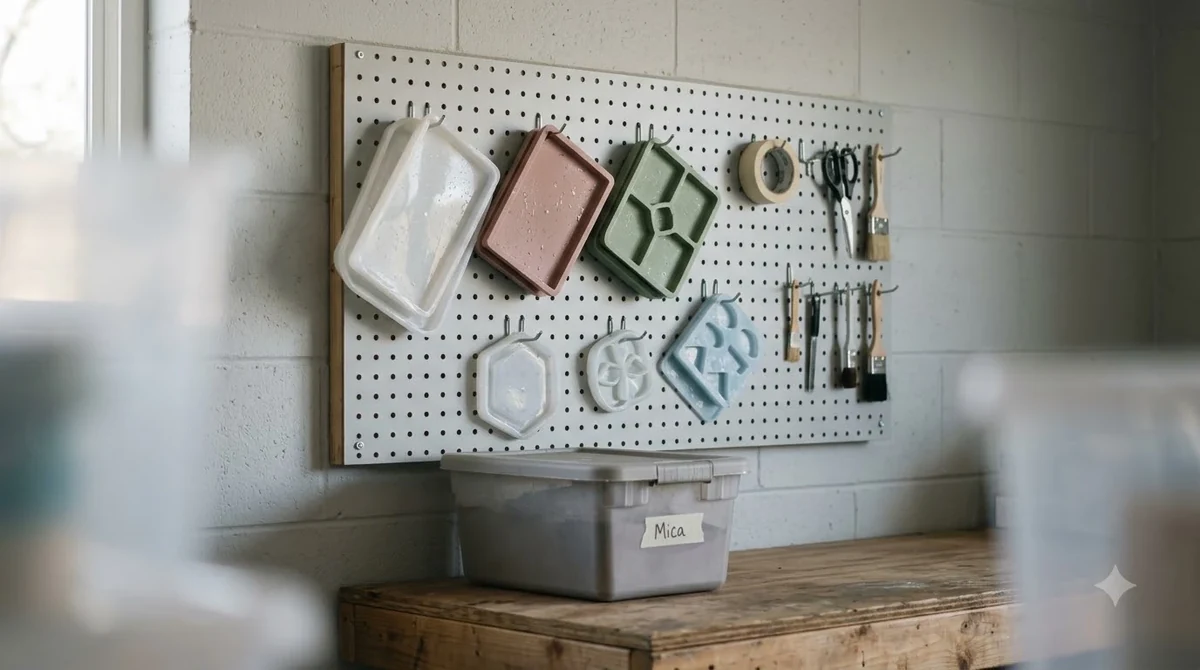
Most storage damage comes from three sources: residue left on the surface, moisture or heat, and mold walls that are left under load or out of shape. Each one can be prevented with a simple habit.
Residue matters because uncleaned resin, pigment or release agent can build up and affect the next pour. Heat is a concern because warm storage can shorten the shelf life of unused silicone base, and a hot garage can be hard on finished molds too. Shape matters because a mold that sits on an uneven surface or stacks under pressure can warp, so the rubber may not seat correctly when you close it. To understand the system behind this, read How to Use Silicone Molds for Resin.
How to Clean Silicone Resin Molds Before Storing
Cleaning is the first step, and it should happen before the mold goes into storage. Residue left in the cavity can stay there and cause problems at the next pour.
Follow this routine after each casting session:
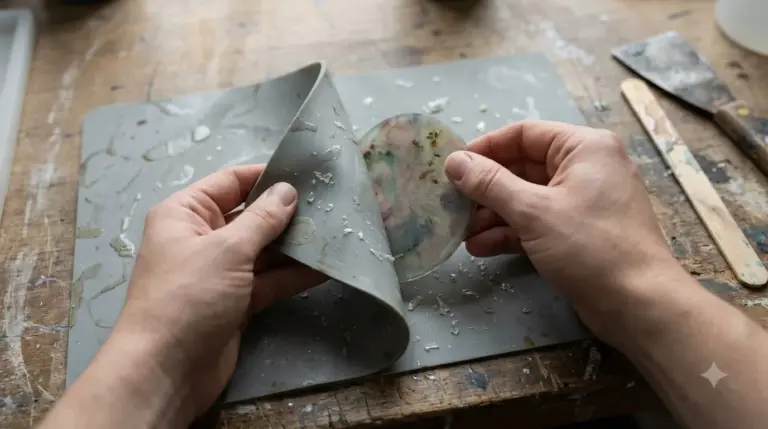
- Remove the casting. Demold gently, pulling the rubber away from the part rather than tearing it.
- Wash with a soap solution. Smooth-On’s instructions call for a soap solution, so use a mild dish soap and warm water.
- Rinse and inspect. Look into the cavities for any leftover resin film, pigment or dust.
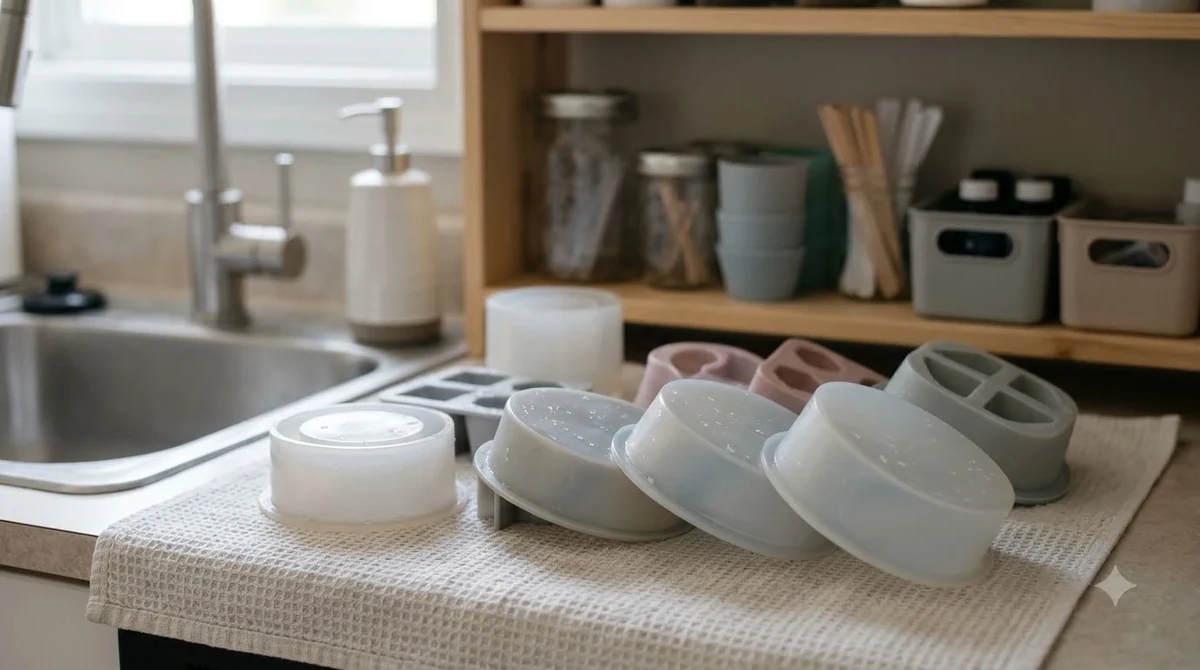
- Wipe fully dry. Use a clean, lint-free cloth and let the mold air dry completely before you store it.
Dry the mold completely before wrapping or boxing it. Trapped moisture is the thing you want to avoid, because it can affect the mold’s cure and surface.
Tip: Wipe out any dust from the mold surface right before you pour next time. A quick dry wipe removes particles that a long storage period can collect.
Drying and Curing Checks Before Putting Molds Away
Before a mold goes on the shelf, confirm that it has fully cured and that any post cure was completed. A mold that is still tacky or holding moisture is not ready for storage.
Smooth-On’s Mold Max 40 instructions call for a 24-hour room temperature cure before demolding, with an optional post cure of 4 hours at 150°F (65°C). The post cure is meant to remove residual moisture and alcohol, and the mold should cool to room temperature before use. Mold Max 60 uses a similar 4 to 5 hour post cure at the same temperature. Platinum-cure Smooth-Sil 940 lists a different optional schedule, 2 hours at 176°F (80°C) and 1 hour at 212°F (100°C), after the room temperature cure. Check the Mold Max 40 product information or your rubber’s technical bulletin before you post cure.
Do not put a mold away while it is still warm from a post cure. Let it come fully back to room temperature first.
Safety: Wear vinyl gloves when handling silicone and cleaning molds. Smooth-On warns that latex gloves can inhibit the cure of its rubber. Work in a ventilated area and check the product SDS for specific handling steps. A closely related guide is Do You Need Mold Release for Silicone Molds.
Best Storage Methods for Silicone Molds
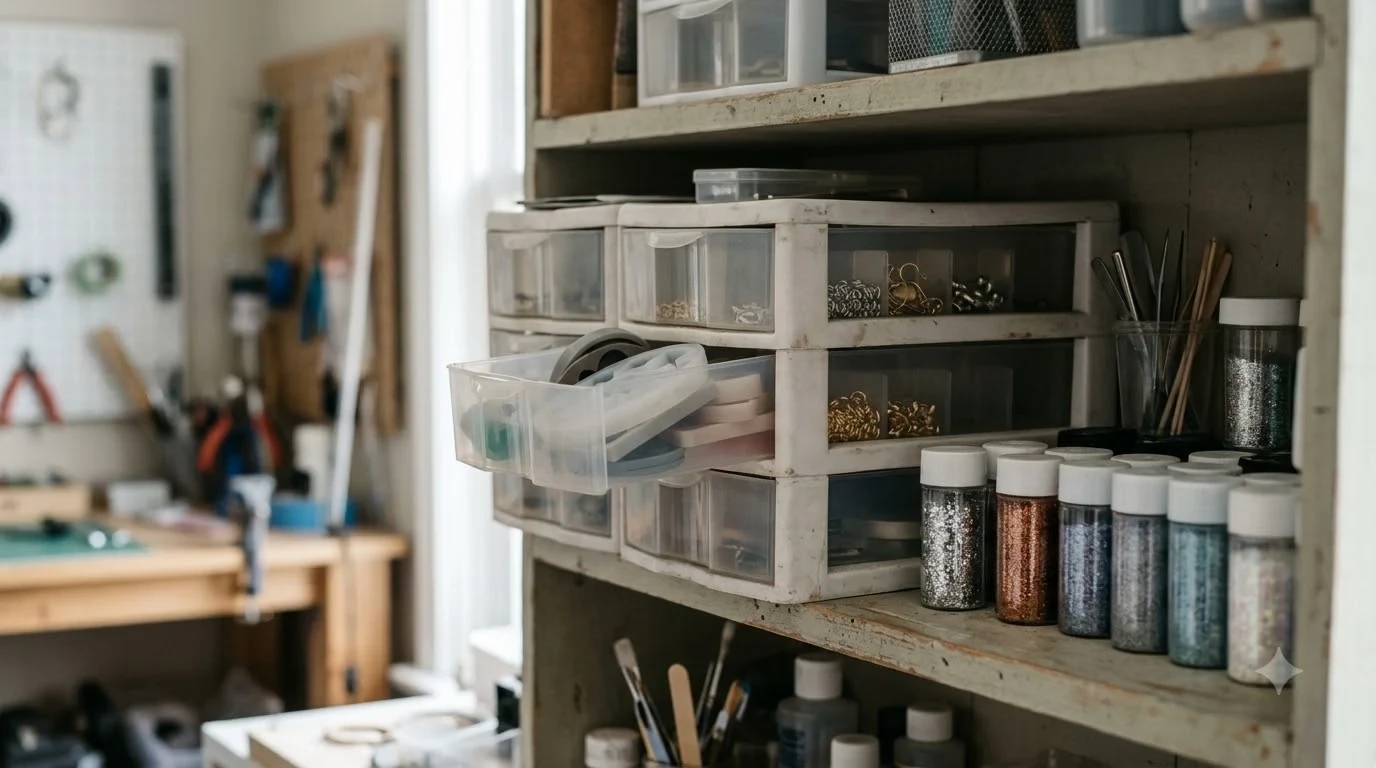
The best storage method is a level, cool, dry surface with the mold supported so it keeps its shape. Smooth-On’s instructions for its molds say to store them on a level surface in a cool, dry environment, and they say to assemble two-part or multi-part molds first.
Assembling the mold keeps the halves aligned and reduces the chance of warping. You can also keep the mold in a closed shelf container that protects it from dust. Avoid stacking heavy objects on top of it, since pressure can distort the walls over time.
Storage spots to avoid include a hot garage, a sunny window, and any place with high humidity. Smooth-On notes that humidity has little effect on platinum silicones but makes tin-cure silicones cure faster, so the material type matters for your uncured stock. For finished molds, a stable, dry shelf indoors is the safest choice.
| Storage factor | Better choice | Why it matters |
|---|---|---|
| Surface | Level shelf | Prevents the mold from sagging or warping |
| Temperature | Cool, stable room | Avoids heat that can affect the rubber |
| Moisture | Dry area | Keeps residual moisture from affecting the mold |
| Assembly | Multi-part molds assembled | Keeps parts aligned and supported |
| Cleanliness | Sealed or covered | Blocks dust from settling in the cavity |
Storing Molds Safely Around Resin and Pigments
Keep finished molds separate from open resin, hardener, pigments and fillers. Contamination from nearby materials can affect the surface and the next pour, so a dedicated storage area helps.
Pigments need special care. Smooth-On advises that Part B be pre-mixed to re-disperse pigments that have settled, which shows how easily pigments separate in the product. Store pigments and resin containers tightly closed, and clean any spills off the mold area right away. Smooth-On also warns that materials stored at warm temperatures lose usable shelf life, so keep raw materials cool and out of direct sun. A related explanation is in How to Make Resin Keychains with Molds.
Common Storage Mistakes and Troubleshooting
Most storage problems come from skipping one of the basic steps. Storing a mold before it is fully dry, leaving it on an uneven surface, or keeping it in a hot space are the most common errors.
If a mold feels tacky or shows uncured spots when you pull it out of storage, check whether it was fully cured and dry before it was put away. If a mold has warped, check whether it was stacked or left unsupported. If the surface looks dusty, clean it with a soap solution, dry it fully, and then cast. Smooth-On’s guidance on cure inhibition also applies here: contaminants can prevent a cure, so keep the mold and your work area free of latex, tin-cure residue and sulfur clays.
Frequently Asked Questions
Should silicone molds be stored assembled or in separate pieces?
Smooth-On says two-part or multi-part molds should be assembled before storage. Assembling keeps the halves aligned and helps the mold hold its shape on the shelf.
What temperature and humidity are best for storing silicone mold rubber?
Smooth-On recommends storing and using its silicone products at room temperature, around 72 to 73°F. Storing material at warmer temperatures reduces the usable shelf life of unused product. Humidity has little effect on platinum silicones but makes tin-cure silicones cure faster.
Does storing a silicone mold in a hot garage damage it?
Smooth-On’s guidance focuses on keeping materials cool and dry, and a hot garage works against that goal. Heat is more of a concern for unused silicone base, since warm storage shortens its shelf life. Store finished molds in a cool, dry indoor spot instead.
How long does a silicone mold last when stored properly?
The physical life of a mold depends on how you use it, including the materials you cast and how often you cast. Storage cannot prevent wear from abrasive materials like concrete, but it prevents extra damage. Check the manufacturer’s product information for guidance on your specific rubber.
Clean, dry, fully cured and supported molds store best. Follow the same routine after every session, and check the technical bulletin for your rubber before you post cure. For more on mold care, see Molds & Mold Making, and if you are planning a new mold, read how to make a silicone mold for resin.
More in Molds & Mold Making
 What Kind of Resin for Molds Gives You Clean, Detailed CastsUpdated Nov 26, 2026
 How to Make Resin Molds for Beginners: Materials, Steps and FixesUpdated Nov 26, 2026
 How to Make Resin Bowl Molds at Home, Step by StepUpdated Nov 26, 2026
 Can You Use Resin Molds for Candles? What Holds Up to Hot WaxUpdated Nov 26, 2026
 How to Make Resin Keychains with Molds, Step by Step for BeginnersUpdated Nov 26, 2026
 How to Release Resin from Mold Without Cracking Your PieceUpdated Nov 26, 2026