

We may earn a commission when you buy through links on this page, at no extra cost to you. Learn more.
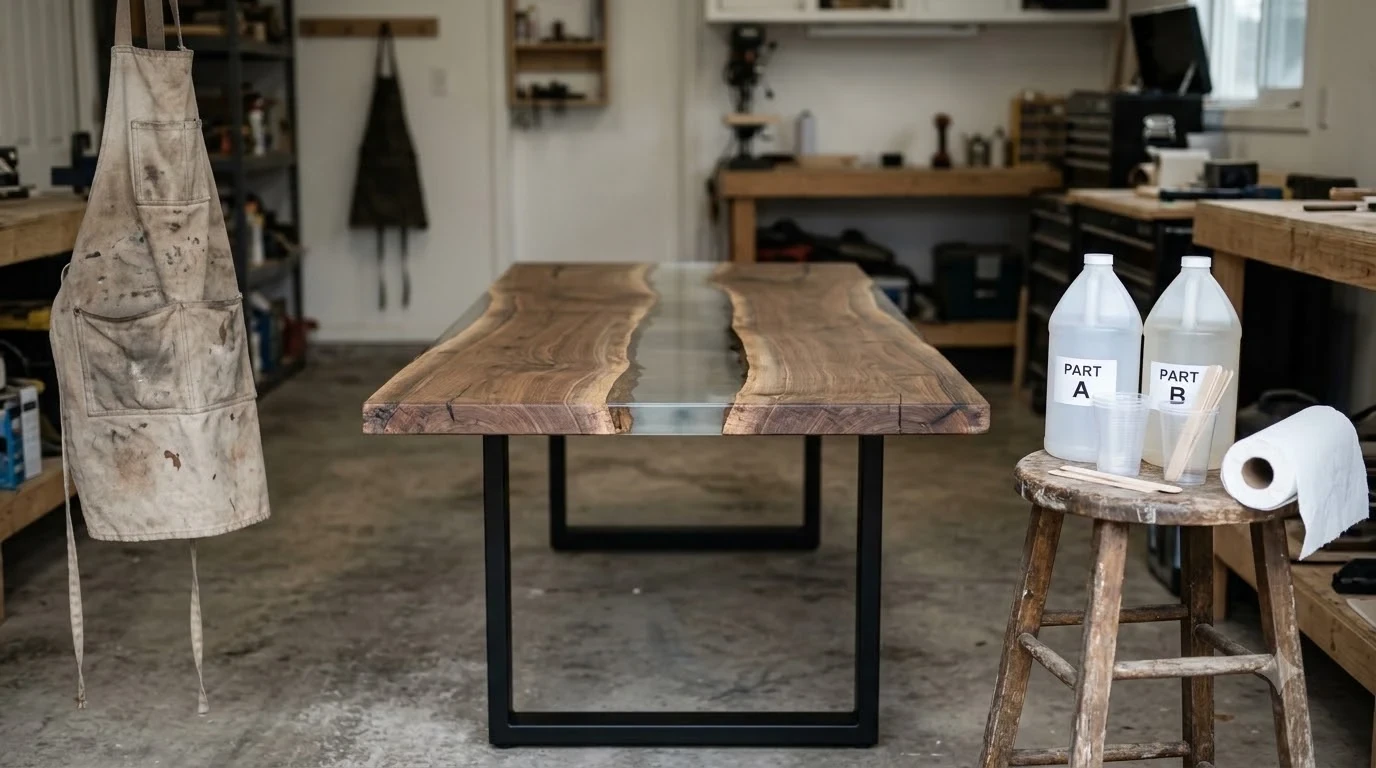
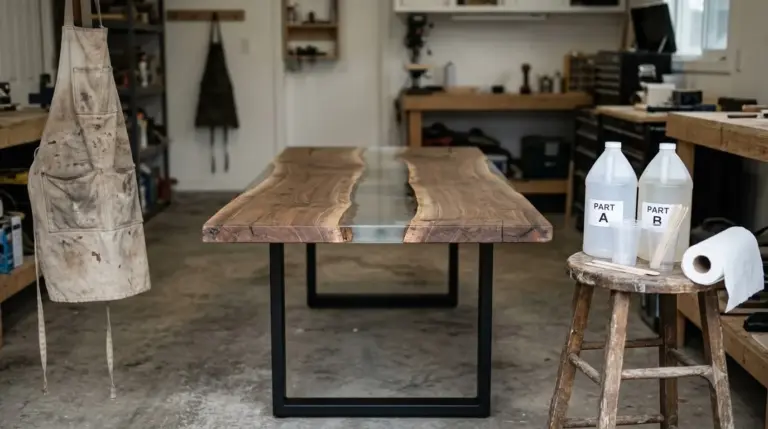
An ash epoxy table is a live edge table made from ash wood, with clear or colored epoxy resin filling a river channel, gap or pour in the top. Ash has a pale, open grain, so the resin often shows more contrast than it does on darker species. Maker listings describe standard tabletops about 2 inches thick, legs 28 inches tall and an overall height of 30 inches. Custom build times quoted by sellers run from about 30 to 35 business days to 9 to 11 weeks after design approval.
If you are weighing an ash epoxy table against other live edge options, this guide explains how ash behaves under resin. It also covers sealing, how many resin layers to expect, cure times, and the warranty and care terms sellers publish. The figures come from maker product pages and specifications, so confirm them with the resin’s own data sheet before you commit.
What Is an Ash Epoxy Table?
An ash epoxy table pairs a slab of ash with a resin-filled channel, usually running down the center. The wood keeps its natural edge, and the resin fills voids, cracks or a shaped river cut. Makers offer clear, tinted and black resin in many styles.
Two parts drive the final look: the wood and the resin. Ash has a light, creamy tone with visible grain. Transparent resin lets that grain show through, while colored resin creates a bold stripe. Sellers describe both options in their listings.
Custom tables and in-stock tables are different buys. A custom order starts with a drawing you approve. In-stock pieces are already built, but listings change, and some ash models appear as sold out. Check dimensions and finish on each listing before you assume a size is available.
The table below compares published terms from three custom makers. Read them before you pay a deposit, because each company words its coverage differently.
| Maker | Build time after approval | Warranty | Shipping |
|---|---|---|---|
| SeawaveTable | 9 to 11 weeks after approval | One year from delivery for manufacturing defects | Complimentary shipping within the continental U.S. |
| Woodzio | 9 to 11 weeks after shop drawings are approved | 1-year limited for tabletops, 2-year limited for bases and legs | Free ground shipping to the lower 48 states |
| Usatabletops | About 30 to 35 business days after design approval | 12 months from delivery | Free curbside shipping in the continental U.S., excluding Hawaii, Alaska, Puerto Rico, Canada and remote areas |
Why Ash Takes Epoxy Differently
Ash is a pale, open-grained hardwood, and that combination changes how epoxy looks and behaves. The light base makes clear resin nearly invisible over the wood, while tinted resin stands out sharply. The open grain can draw resin into its pores, so sealing matters more than it does on tight-grained wood.
Compared with black walnut, which has a darker, richer tone, ash gives a brighter background. Ash’s open grain is similar to oak’s, so both species call for careful sealing before a pour. Kazanahome’s FAQ names Black Walnut, Beech and Poplar as commonly used for epoxy tables, and ash is not on that list. Ask any maker why they recommend ash for your design.
In practice, expect the resin to pick up the pale wood tone, and expect more absorption into the pores. Ask your maker how they seal the wood before the pour and how many coats they apply.
Ash River Table Designs and Options
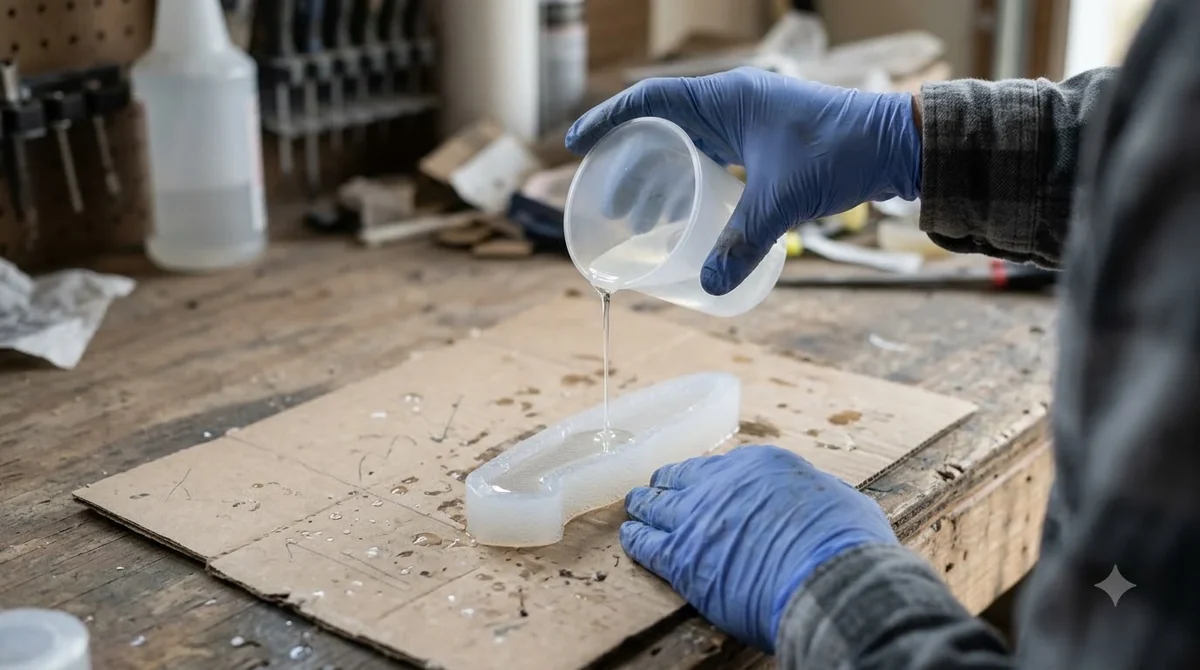
An ash river table is the most common style: a live edge slab with a resin channel running through the middle. Designers vary the channel width, color and edge profile, so compare several listings before you choose.
Seller listings describe several looks. Some use a black river for high contrast, others use blue or ocean tones for a wave effect, and clear resin lets the grain show through. Finishes also differ, with some makers offering high-gloss tops and others matte. Edge choices can include live edge, bevel and straight.
Think about the base too. Usatabletops says leg width is matched to the tabletop width, and its standard legs are 28 inches tall. Woodzio uses triangular legs with no screws and includes spacers to fix wobble. Kazanahome says tables up to 118 inches long include one pair of legs, and longer tables include two pairs.
If you want a darker, more dramatic top, the black walnut epoxy table guide shows how darker wood changes the look. The contrast works differently on ash, so compare samples in your room’s light.
Preparing Ash Lumber and Sealing Before the Pour
Preparation sets the final result. Clean and dry the slab, then seal the open pores before the resin goes in. The sources do not give a moisture limit, so check your resin’s data sheet for that number.
SeawaveTable’s production steps say the wood is cleaned to remove impurities, and natural edges may be lightly scorched during cutting unless you request otherwise. The same steps say resin is applied to lock in dust and reduce bubbles. Those steps matter more on ash, because open pores trap dust and air.
Sealing is the step many first-time builders underestimate. SeawaveTable describes repeated sanding and lacquer coats that seal gaps, and it says that cycle repeats five to six times. Confirm how many sealing coats your piece will get. For a broader look at prep, read how to epoxy a table top before buying materials.
- Clean the slab and remove loose debris from cracks and bark edges.
- Let the wood dry fully before sealing, following the resin maker’s instructions.
- Apply a thin sealing coat, sand lightly, and repeat until the maker’s process is complete.
Pouring and Curing Epoxy on Ash
Plan for several thin layers instead of one deep pour. Each layer needs days to cure, and the final layer can take longer. The table below lists the figures published in one maker’s production process.
| Stage | What the published process says |
|---|---|
| Bubble removal | A vacuum machine removes air bubbles, usually taking 30 to 60 minutes |
| Layers | Typically 3 to 5 layers, with extra layers for wave effects |
| Cure time | About 2 days per layer, with the final layer possibly needing longer |
| Sealing cycles | Sanding and scratch-resistant lacquer repeated 5 to 6 times |
Read the table as a timeline, not a fixed schedule. A thicker build adds layers and days. SeawaveTable’s custom ash epoxy listing describes the layered process in detail, and it is a useful model for questions to ask any maker.
Pour depth matters too. The sources do not give a maximum depth per pour for every resin, so check the product data sheet. Pouring too much at once can trap heat and bubbles, so follow the depth the manufacturer lists.
Tip: Ask your maker for photos at each layer. Owners of custom pieces often find it easier to spot problems early when they can see each stage.
Finishing, Safety, and Maintenance
Finish with the coating your maker specifies, then clean the surface with gentle methods. Usatabletops advises wiping the table with a wet towel for routine care. For deeper cleaning, it recommends hot soapy water and a sponge to remove buildup.
Usatabletops’ ash live edge river table page lists a 12-month warranty from delivery. The same page says the warranty excludes normal abrasion, damage from poor care, external damage and pet-related damage. Keep records of your care routine in case a claim comes up.
Safety: Wear nitrile gloves, work in a ventilated space and read the resin’s safety data sheet (SDS) before you mix or sand. Use a respirator when the SDS calls for one.
Frequently Asked Questions
How much does an ash epoxy table cost?
Price depends on maker, size, resin color, edge style and finish. Listings change often, and some ash models show as sold out. Compare the current listing and what the warranty covers, not just the headline figure.
How long does it take to get a custom ash epoxy table?
Timelines differ by maker. Two custom sellers quote 9 to 11 weeks after approval, and another quotes about 30 to 35 business days after design approval. The clock usually starts once you sign off on the drawing, so review quickly.
Do ash epoxy tables ship free within the continental US?
Often, yes. Usatabletops offers free curbside shipping in the continental U.S., excluding Hawaii, Alaska, Puerto Rico, Canada and remote areas. Woodzio lists free ground shipping to the lower 48 states, and SeawaveTable offers complimentary shipping with extra fees for some areas.
What warranty do ash epoxy tables come with?
Most custom makers offer about one year on the tabletop from delivery. Woodzio lists a 2-year limited warranty on bases and legs. Warranties usually exclude improper care and normal wear, so read the exclusions before you buy.
Before you order, compare build times, warranty terms and shipping rules side by side. If you want more background on the wood itself, browse Wood, Tables & Countertops for related project ideas.
More in Wood, Tables & Countertops
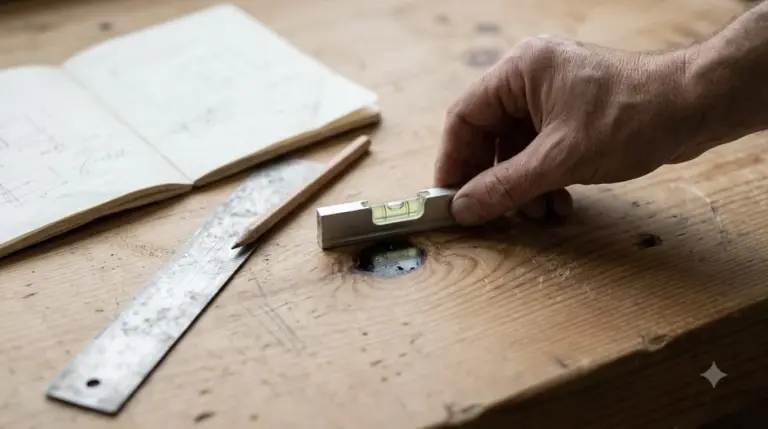 How to Fill Knots with Epoxy for a Smooth, Durable Wood SurfaceUpdated Nov 26, 2026
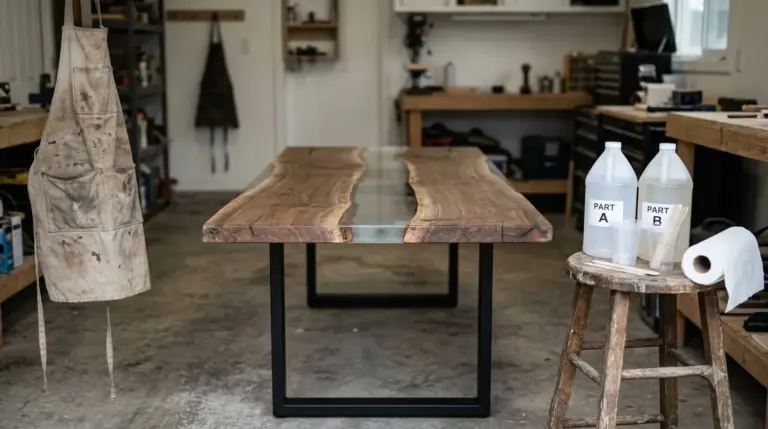 How to Epoxy Live Edge Wood: A Step-by-Step Guide to a Flat, Durable TabletopUpdated Nov 26, 2026
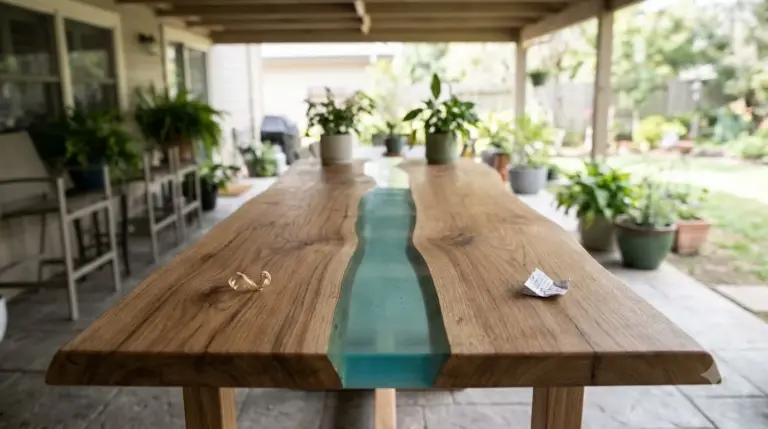 Outdoor Bar Top Epoxy: How to Pick a UV-Resistant Resin and Cure It RightUpdated Nov 26, 2026
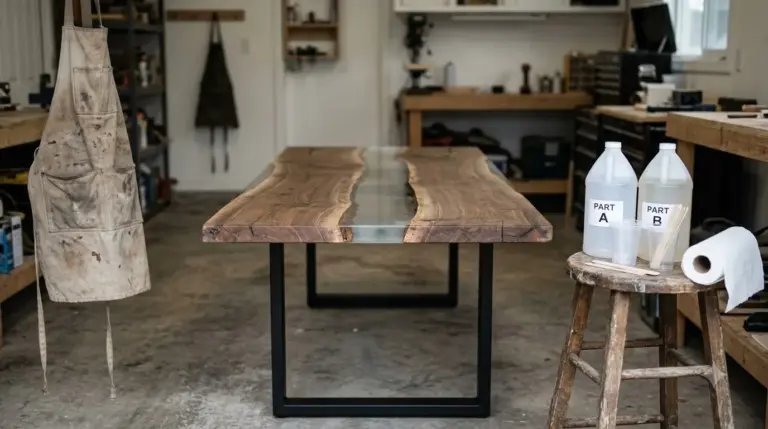 How to Make an Epoxy River Table: Step-by-Step Build for BeginnersUpdated Nov 26, 2026
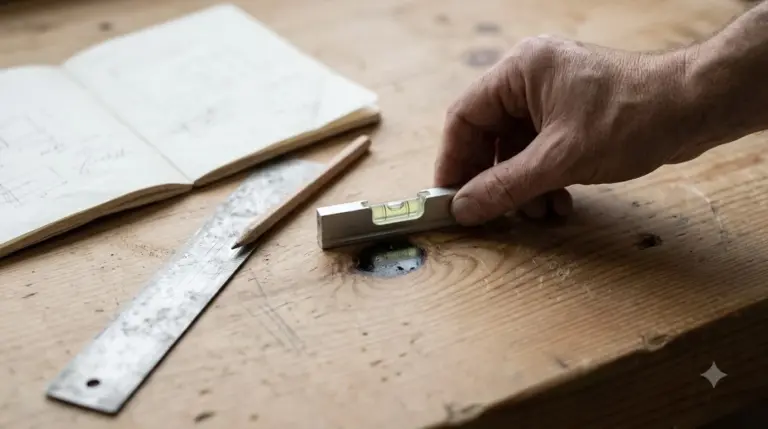 Pine Epoxy Table Guide: How to Prep Softwood for a Clean River PourUpdated Nov 26, 2026
 Spalted Maple Epoxy Table: How to Stabilize, Pour, and Care for OneUpdated Nov 26, 2026