

We may earn a commission when you buy through links on this page, at no extra cost to you. Learn more.
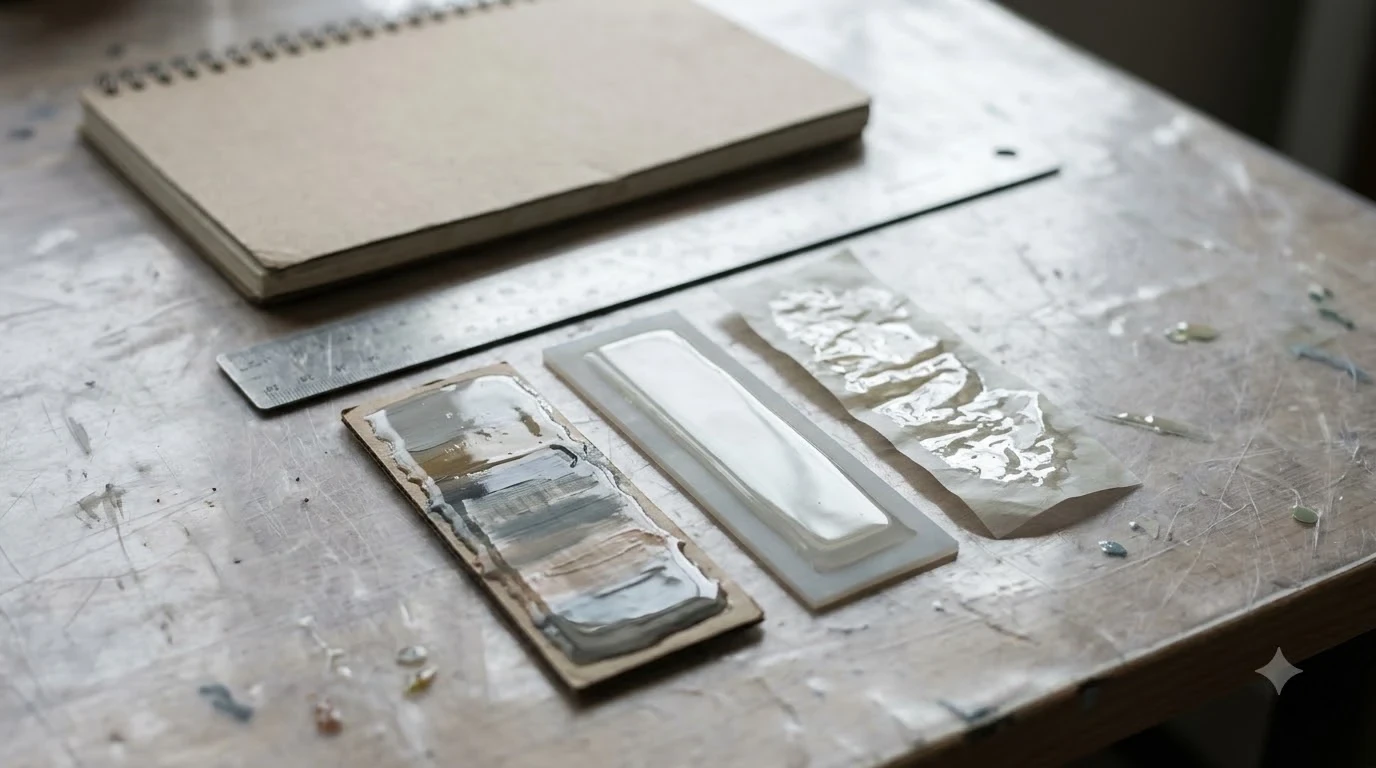
Yes, you can mix oil paint with resin, but the result is usually clumpy, streaky and hard to cure. Resin makers say oil paint does not blend well into epoxy, so it can leave a stringy mess and an oily film on the cured surface. If you ask whether can you mix oil paint with resin for a clear finish, the answer is generally no. Most colorant guides cap additives at about 5 to 6 percent of the total mixed volume. ArtResin’s example allows no more than 6 ml of colorant per 100 ml of mixed resin, and Craft Resin’s example allows 9 ml per 150 ml.
If you paint with oil and want a glossy resin top coat, or you wonder whether oil paint can go straight into your casting batch, this guide explains what happens, what the manufacturers say, and which safer options exist.
What Happens When Oil Paint Meets Resin
Oil paint and epoxy resin are not chemically friendly. Acrylic Pouring says oil paint is not chemically compatible with resin because its lipids do not dilute the way water-based mediums do. That mismatch is the root of most problems you will see.
Instead of dispersing, the paint tends to bead, streak and hold together in lumps. Once the resin hardens, those lumps become visible clumps, divots and a greasy film on the surface. Resiners adds that oil-based paints can slow or disrupt curing, so the piece may stay soft or tacky in spots.
Oil Paint in Resin: Ratios and Mixing Steps
If you still want to experiment, treat oil paint as a small-batch test, not a standard colorant. Keep the amount very low, because even a small dose can break up the mix. The 6 percent ceiling from ArtResin and the 5 percent rule of thumb from Acrylic Pouring both point the same way: start far below the limit and add more only if needed.
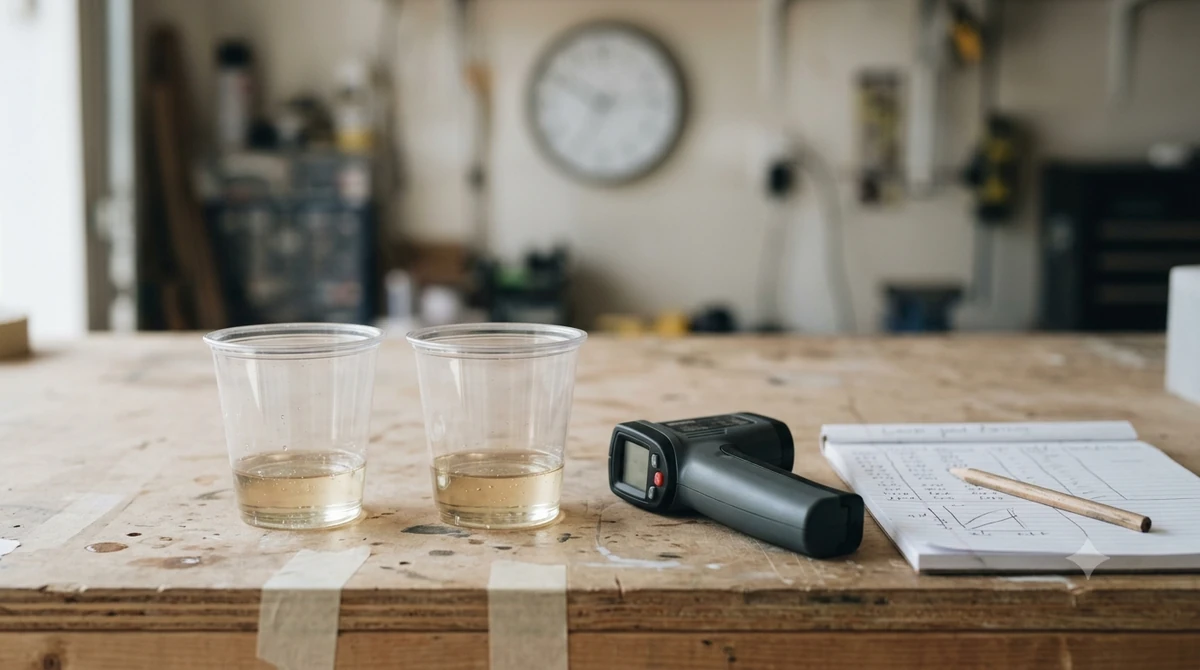
Follow the order your resin maker gives. ArtResin says to measure equal parts resin and hardener first, then add colorant to the combined mix. Adding color to either part alone can throw off the 1:1 ratio. Mix for at least 3 minutes, scraping the sides and bottom of the cup.
- Measure resin and hardener exactly. Use the ratio on your product’s label.
- Mix clear first. Craft Resin recommends mixing clear for about 5 minutes before adding colorant, so you can see streaks.
- Add a tiny amount of oil paint. Start with a speck on a stick, not a squeeze.
- Mix thoroughly. Scrape the sides and bottom of the cup until no streaks remain.
- Pour a test cup. Let it cure and check for clumps, soft spots and surface film before using it on real work.
| Check | What the sources say | What to do |
|---|---|---|
| Colorant limit | ArtResin: no more than 6 percent of total volume. Craft Resin: 9 ml in a 150 ml mix. | Stay well under the limit and check your product’s label. |
| Mixing time | ArtResin: at least 3 minutes. Craft Resin: clear mix for about 5 minutes before colorant. | Mix clear first, then add color and stir again. |
| Oil paint result | ArtResin: stringy mess, visible clumps, divots and oily film. | Expect imperfections. Use it only for test cups. |
Tip: Keep a labeled test cup with the exact amount of oil paint you used. If it cures cloudy or sticky, you will know the amount caused the problem.
Can You Pour Resin Over an Oil Painting?
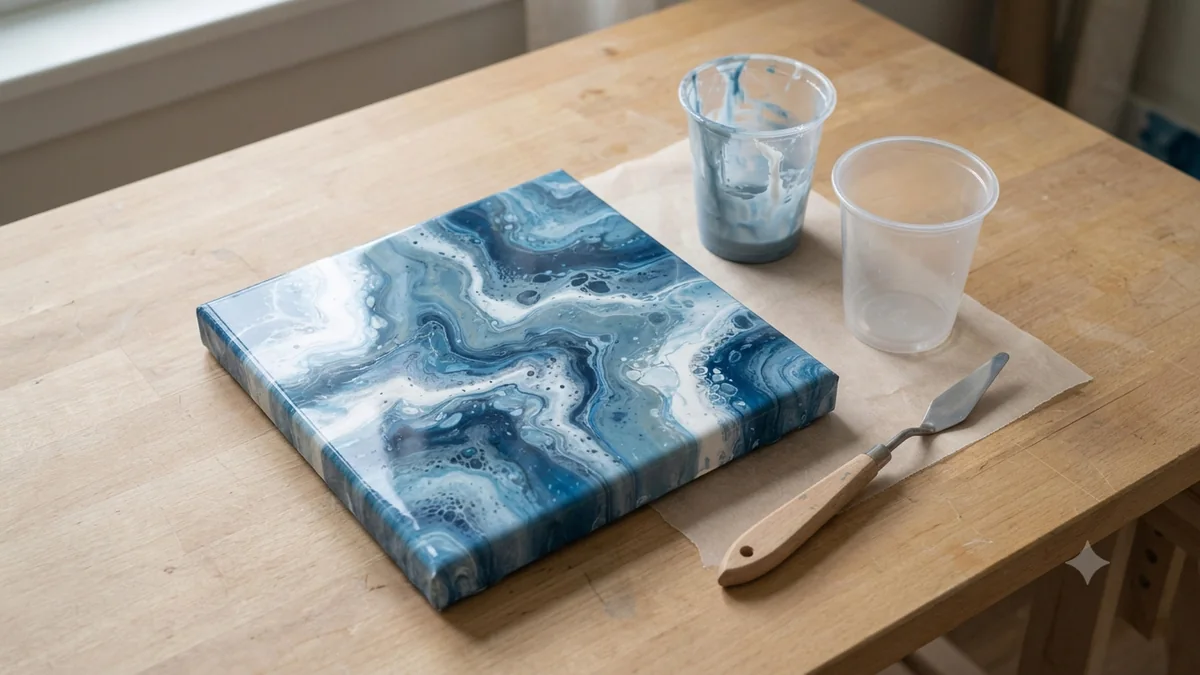
Pouring over a finished oil painting is a different job than mixing paint into resin. ArtResin says you can apply its epoxy over oil paint once the paint is fully dry. The company notes this may take months, especially with thicker layers, and warns the bond is permanent.
Drying time matters because wet or partly dry paint can cause a cloudy finish or change the artwork’s colors. Craft Resin says it can take a few weeks for oil paint to dry enough before any sealant goes on. For a broader look at pouring over painted surfaces, the ArtResin guide to resin over oil paintings lists the prep steps the maker recommends.
Craft Resin suggests a base sealant such as Mod Podge, allowed to dry fully, before the resin goes on. The sealant acts as a barrier so the resin and oil paint never meet. The sources do not test varnish under resin, so check the varnish maker’s instructions before relying on it. ArtResin does note that varnish can be removed while resin cannot.
Once the surface is ready, ArtResin says to pour in the center and work outward with a flat-edged spreader. Pass a torch lightly over the surface to pop bubbles, then cure per the manufacturer’s instructions, typically 24 to 48 hours. Keep the room between 75 and 85 degrees Fahrenheit. ArtResin warns that temperatures above 85 degrees can cause flash curing.
Oil Paint vs. Acrylic Paint and Alcohol Ink
Oil paint is the least forgiving option in this group. Acrylic paint can be mixed in, though it can dull gloss and affect cure if you overuse it. Alcohol ink tints well but brings flammability and food-safety concerns. Each colorant behaves differently, so compare them before you choose. You may also find How to Mix Epoxy Without Bubbles useful.
| Colorant | Compatibility | Main concern |
|---|---|---|
| Oil paint | Not recommended by ArtResin, Craft Resin or Resiners | Clumps, stringy texture, oily film and possible curing trouble |
| Acrylic paint | Usable in small amounts | Can dull gloss and prevent proper cure if too much water-based paint is added |
| Alcohol ink | Usable with caution | Flammable, so never use a flame torch on tinted resin, and it can affect food-safety compliance |
| Mica powder | Recommended by Resiners and Craft Resin | Must be mixed thoroughly, and heavy metallics can sink |
If you want a painterly look, an epoxy-specific pigment usually gives more predictable results. You can read more about acrylic paint in resin before choosing a water-based option, and the Inclusions & Embedding hub covers mica and other additives.
Safety Gear and Ventilation When Mixing Oil Paints
Safety gear matters any time you handle resin, and it matters more when you add unfamiliar materials. ArtResin says to wear nitrile gloves at minimum, use a respirator in poorly ventilated spaces, and check the Safety Data Sheet. Craft Resin also recommends good room ventilation and a respirator when you add colorants.
Set up a well-ventilated, dust-free area with a plastic-covered table. Keep paper towels nearby for spills. Ventilation reduces fumes while you mix and pour. If you want a closer look at solvent-based paints, the spray paint in epoxy guide explains why those products are also a poor fit.
Safety: Wear nitrile gloves, work in a ventilated space, and read the resin’s Safety Data Sheet before mixing. Dispose of leftover resin and containers according to local rules.
Troubleshooting Cells, Sinking, and Tacky Spots
When oil paint is involved, most surface defects come back to incompatibility or uneven mixing. Cells and divots often show up where paint did not disperse. Tacky spots can appear where the mix was off-ratio or where too much colorant slowed the cure.
Bubbles are a separate issue. AcrylicPouring recommends a heat gun or small torch to pop them, and notes that clear or transparent projects show bubbles more clearly. Remember that a torch is unsafe near alcohol-ink-tinted resin, so never use it there.
Frequently Asked Questions
Can you mix oil paint directly into epoxy resin?
You can physically stir it in, but most resin makers advise against it. Oil paint does not blend well and can leave clumps, streaks and an oily film after curing. Test any mix in a small cup first.
How long must an oil painting dry before resin can be applied?
ArtResin says the painting must be fully dry, which may take months for thicker layers. Craft Resin says it can take a few weeks for oil paint to dry enough for a sealant. Do not rush this step, since wet paint can cloud the finish.
Does oil paint cause resin to cure badly or get sticky?
It can. Resiners says oil-based paints can slow or disrupt curing, and ArtResin describes an oily film on the cured surface. Keeping the amount very small and following the mixing order lowers the risk.
What is the maximum amount of colorant to add to epoxy resin?
ArtResin says no more than 6 percent of the total mixed volume, for example 6 ml per 100 ml. Craft Resin gives the same limit with 9 ml per 150 ml. Acrylic Pouring suggests a rule of thumb of about 5 percent, so start lower and check your product label.
If you are unsure whether oil paint is worth the risk, start with a tested epoxy pigment and save oil paint for a small experiment. Mix a test cup, let it cure, and inspect it before you commit a full pour.
More in Inclusions & Embedding
 How to Mix Glitter into Resin Without Clumping or SinkingUpdated Nov 26, 2026
 Resin Projects with Dried Flowers: How to Prep, Seal and Cure Them RightUpdated Nov 26, 2026
 Hair in Resin: Why It Floats, Bubbles or Yellows, and How to Prevent ItUpdated Nov 26, 2026
 Wood in Resin: Which Woods Work and How to Seal Them for Clear, Bubble-Free ResultsUpdated Nov 26, 2026
 Can You Put Fresh Flowers in Resin? Why They Brown and How to Dry Them RightUpdated Nov 26, 2026
 How to Preserve Dried Flowers in Resin So They Stay Bright and FlatUpdated Nov 26, 2026