

We may earn a commission when you buy through links on this page, at no extra cost to you. Learn more.
How to make resin glow comes down to mixing a glow-in-the-dark powder into the resin before you pour, then charging the cast under light. Shimicoat, a glow powder maker, recommends roughly 1:4 by weight, one part powder to four parts resin. Polyestershoppen, which sells glow epoxy, gives a wider range of 10-40% powder by weight of the mix. Expect the finished piece to glow for several hours after a full charge, with listed times ranging from about 5 to 40 hours depending on the powder.
This guide walks you through how glow powder works in epoxy and other resins, how to choose a powder, how much to add, and how to pour in layers without losing brightness. It also covers common mistakes and the safety points that matter when you handle these powders. Learning how to make resin glow well starts with understanding the powder itself.
What Makes Resin Glow in the Dark
Glow in the dark resin works because the powder inside absorbs light and releases it slowly in the dark. The powder does not glow on its own; it needs to be charged first by sunlight or artificial light. Most glow pigments sold for craft use are phosphorescent compounds, not fluorescent dyes.
Manufacturers describe the powders as charging from natural or artificial light. Shimicoat says its powder charges from sunlight or artificial light and then glows for up to 10 hours when fully charged. Because the glow comes from the powder particles, the resin itself only carries the light out to your eye.
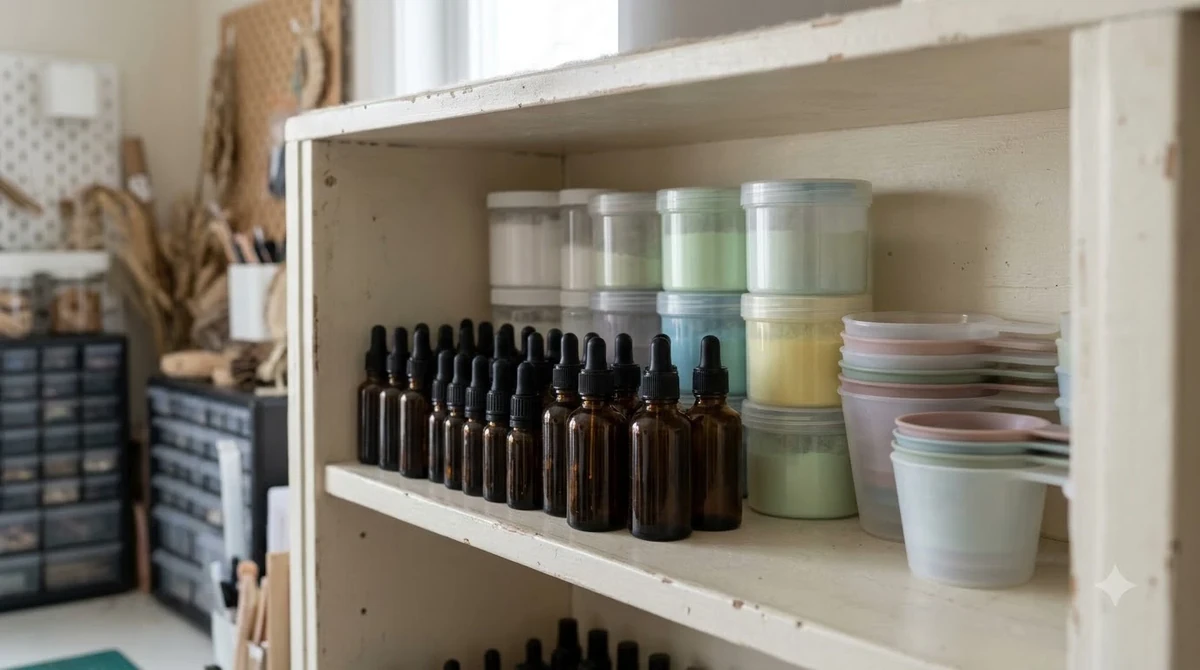
Since the powder sits inside the resin, the cast can look creamy or pale in daylight. Polyestershoppen notes that its glow epoxy is creamy-white in daylight and shows its glow color only in the dark. Plan your color around that base tone, not the glow alone.
Choosing the Right Glow Powder or Pigment
Choose a glow powder based on the project, the particle size, and the color you want by day and by night. Manufacturer listings describe a wide range of particle sizes, and the size changes how the powder looks and how it mixes.
TechnoGlow lists its Ultra Glow line at about 50 microns, with 15 colors, and says the powder is made from strontium aluminate doped with europium and dysprosium. It describes its finest specialty powder at 15 microns for airbrushing and its largest at 100 to 500 microns. Eye Candy lists its glow pigments at 35-45 microns, made of zinc sulfide. Glow in the Dark River Table explains a closely connected part of this problem.
| Product listing | Particle size | Glow time listed | Notes from the listing |
|---|---|---|---|
| Eye Candy Shojin Blue | 35-45 microns | 8-10 hours per charge | Zinc sulfide; mixing other pigments reduces glow |
| Shimicoat Glow In The Dark Powder | Not stated | Up to 10 hours when fully charged | Recommended mix about 1:4 by weight into epoxy |
| TechnoGlow Ultra Glow 50-micron powders | About 50 microns | Varies; listings range from over 5 hours to over 8 hours | Listed as mixing well with resin and epoxy |
| TechnoGlow Specialty Glow | 15 to 500 microns | Up to 40 hours on the largest grades | Coarser grades store more light |
Check the glow time and the particle size on the product page before you buy. Glow times vary by color and grade, so the listed numbers are a starting point rather than a promise for your piece. The glow pigment page from Eye Candy Pigments’ glow-in-the-dark collection lists both particle size and the cure-related notes for its powders.
Materials and Tools You Need
Gather your resin system, the glow powder, a clean mixing cup, a stir stick, and a light source for charging before you start. Most glow projects also need denatured alcohol for pre-wetting the powder and a way to keep dust and debris off the surface during cure.
Use a scale if you plan to mix by weight, because the ratios in manufacturer guides are given by weight. Keep a small cup for pre-wetting the pigment, and a separate container for the resin mix. Read the resin manufacturer’s mixing instructions first, since the resin ratio and open time set your working window.
| Item | Why you need it |
|---|---|
| Epoxy or casting resin with hardener | Carries the glow powder and sets the cast |
| Glow-in-the-dark powder | Charges in light and glows in the dark |
| Digital scale | Lets you mix by weight, as many guides specify |
| Denatured alcohol and small cup | Used to wet the powder into a paste before mixing |
| Disposable gloves and safety glasses | Protect skin and eyes during mixing and pouring |
| Light source and timer | Charges the powder and tracks how long the piece glows |
Tip: Mix a small test cup first. Watch how the powder breaks down and how much light it holds before you commit a full batch.
Step-by-Step: Mixing Glow Pigment into Resin
Mixing is where most glow projects succeed or fail. Work slowly, pre-wet the powder, and blend both parts thoroughly so the color and glow stay even. The steps below combine guidance from several manufacturers.
- Read the resin’s instructions. Confirm the base-to-hardener ratio and the open time before you measure anything.
- Weigh the powder. Shimicoat suggests about one part powder to four parts resin by weight. Polyestershoppen gives 10-40% powder for its glow epoxy, so start low and adjust with a test.
- Pre-wet the powder. Eye Candy recommends wetting glow pigments with denatured alcohol to a paste before mixing, to reduce specks in the finished resin.
- Add the paste to Part A. Shimicoat instructs blending the powder into Part A first.
- Add Part B and stir. Add the hardener and stir both parts thoroughly, scraping the sides and bottom of the cup.
- Check for specks. Hold the cup near a light and look for clumps. Keep stirring until the mix is even.
- Pour promptly. Polyestershoppen lists an open time of about 40 minutes for its glow epoxy, so pour before the mix thickens.
- Charge the cast. Place the finished piece under a strong light for a period, then move it to a dark room to check the glow.
Do not add other pigments to the mix without testing first. Eye Candy warns that mixing other pigments with its glow pigments will significantly decrease the glow. If you want color, consider the glow powder’s own daytime color and test a small sample. Background on this topic is covered in How to Make Resin Earrings.
Layering, Curing, and Keeping the Glow Bright
Pour glow resin in thin layers so the cast cures evenly and the powder stays evenly spread. Thick single pours can overheat and cloud, and they can trap powder unevenly. Follow the maximum thickness and pour volume from your resin’s guide.
Art ‘N Glow says its epoxy should not exceed 6 ounces per pour when casting or filling, and recommends a maximum layer of 1/4 inch. For coats, it advises waiting about 6 hours between layers. Polyestershoppen suggests layers of about 1 mm at 40% powder, or thicker castings at up to 10% powder.
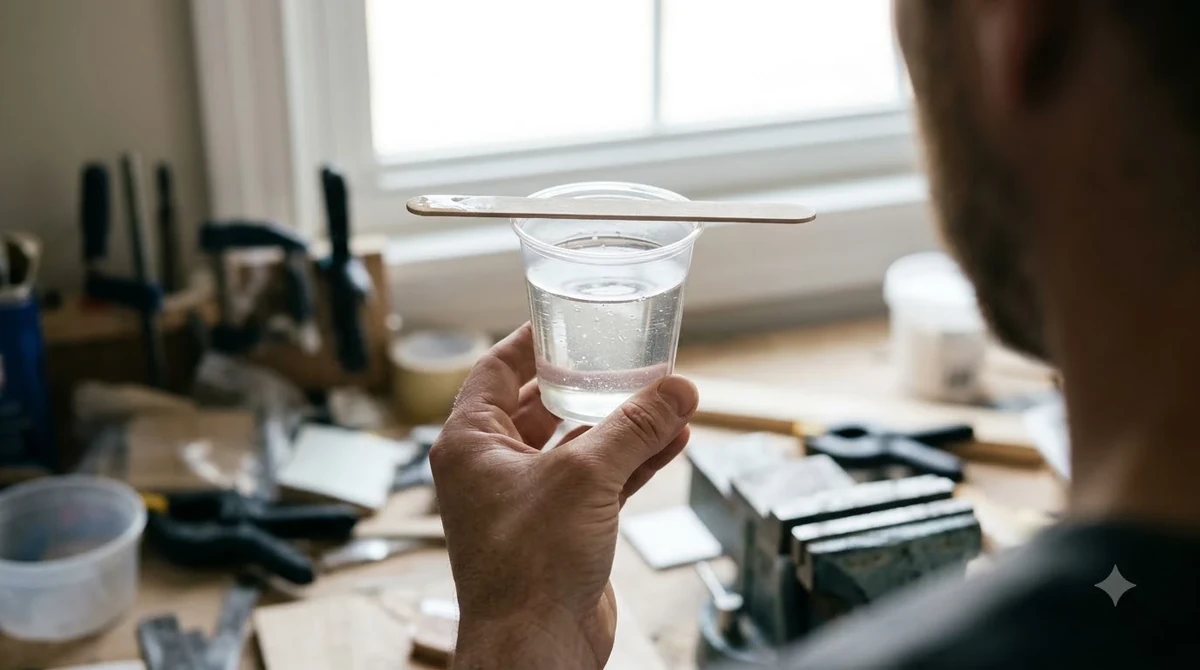
Curing takes time, and glow resin should be left undisturbed. Art ‘N Glow says its resin hardens in 24 hours and is fully cured at 72 hours, so the piece can still scratch after one day. If you add coats after 48 hours, Art ‘N Glow recommends light sanding with 220-grit paper first.
Keep the glow bright by protecting the surface from scratches and heavy wear after cure. A cast that is sanded, scratched, or clouded will look dimmer in the dark. Remember that glow resin is not a substitute for heat-rated surfaces; Art ‘N Glow reports a heat deflection temperature of 105 degrees F and does not recommend it for hot coffee cups.
Common Problems and Troubleshooting
Most glow problems come from mixing, pour depth, or light exposure. Check the list below before you pour a second batch, since many issues repeat across projects.
- Specks in the cast: The powder was not broken down. Pre-wet it into a paste with denatured alcohol and stir longer.
- Weak glow: The mix may contain other pigments, or the charge was too short. Eye Candy notes other pigments reduce glow, and Shimicoat says larger particles store more light.
- Glow fades quickly: The listed glow time is per full charge. Recharge under light and compare results with the manufacturer’s listed hours.
- Cloudy or dull surface: Pouring too thick or too fast can cause heat-related problems. Pour in thinner layers and check the cure.
- Uneven color: The powder settled. Stir again before pouring and work in smaller batches.
If a cast does not glow at all, check the powder’s listed heat limit and the resin’s cure. The glow depends on the powder staying intact, so overheated or heavily tinted casts may lose brightness. To understand the system behind this, read How to Make Resin Pens.
Safety Tips When Working with Glow Powders
Glow powders need the same care as other pigments and epoxy. Wear gloves, safety glasses, and work in a well-ventilated area, and read the product’s safety data sheet before you start.
Art ‘N Glow advises gloves, safety glasses, and a well-ventilated area or a respirator when working with its epoxy. Eye Candy says its glow pigments are FDA-permitted for external use only, such as facial makeup and nail polish, and not for the eye area, lips, or bath bombs.
Safety: Do not use glow powder for food contact, drinkware, or anything that touches the mouth. Check the pigment listing and the resin’s safety data sheet before using any cast around food or skin.
For reference on shared safety points, the Art ‘N Glow epoxy resin guide lists glove, eye, and ventilation advice. For related technique questions, see our guide on making resin opaque when you want less see-through color.
Frequently Asked Questions
How much glow powder should you add to epoxy resin?
Shimicoat suggests roughly one part powder to four parts resin by weight. Polyestershoppen gives 10-40% for its glow epoxy, with lower amounts for thicker pours. Test a small cup first to check brightness.
How long does glow in the dark resin glow after charging?
Listed times vary. Eye Candy says 8-10 hours per charge, Shimicoat says up to 10 hours, and some TechnoGlow grades list longer times. Results depend on the powder, the charge, and the cast thickness.
Does mixing other pigments reduce glow in the dark resin?
Yes, according to Eye Candy, which says mixing other pigments will significantly decrease glow. If you want color, test a sample and compare it with an unmixed cast before pouring the full project.
Is glow in the dark pigment safe for resin jewelry and food contact?
Eye Candy lists its glow pigments as FDA-permitted for external use only, not for lips or the eye area. Do not assume food-contact safety. Check the product’s safety data sheet and avoid food and drinkware uses.
Start with a small test cup, record the mix ratio, and charge your first sample so you know what to expect. Once the ratio and pour depth work, you can scale up with confidence. For more technique reading, browse the Techniques and How-To section.
More in Techniques & How-To
 How to Use Deep Pour Epoxy for Clear, Bubble-Free LayersUpdated Nov 26, 2026
 How to Do a Dirty Pour with Resin Without Muddy ColorsUpdated Nov 26, 2026
 How to Cure Epoxy Faster Safely: Warmth, Ratios and Heat TipsUpdated Nov 26, 2026
 How to Make Resin Shine: Cure, Level and Polish for a Glossy FinishUpdated Nov 26, 2026
 How to Clean Epoxy Tools Fast Before the Resin CuresUpdated Nov 26, 2026
 Slab Flattening Jig DIY: How to Build One for Flat Epoxy River TablesUpdated Nov 26, 2026