

We may earn a commission when you buy through links on this page, at no extra cost to you. Learn more.
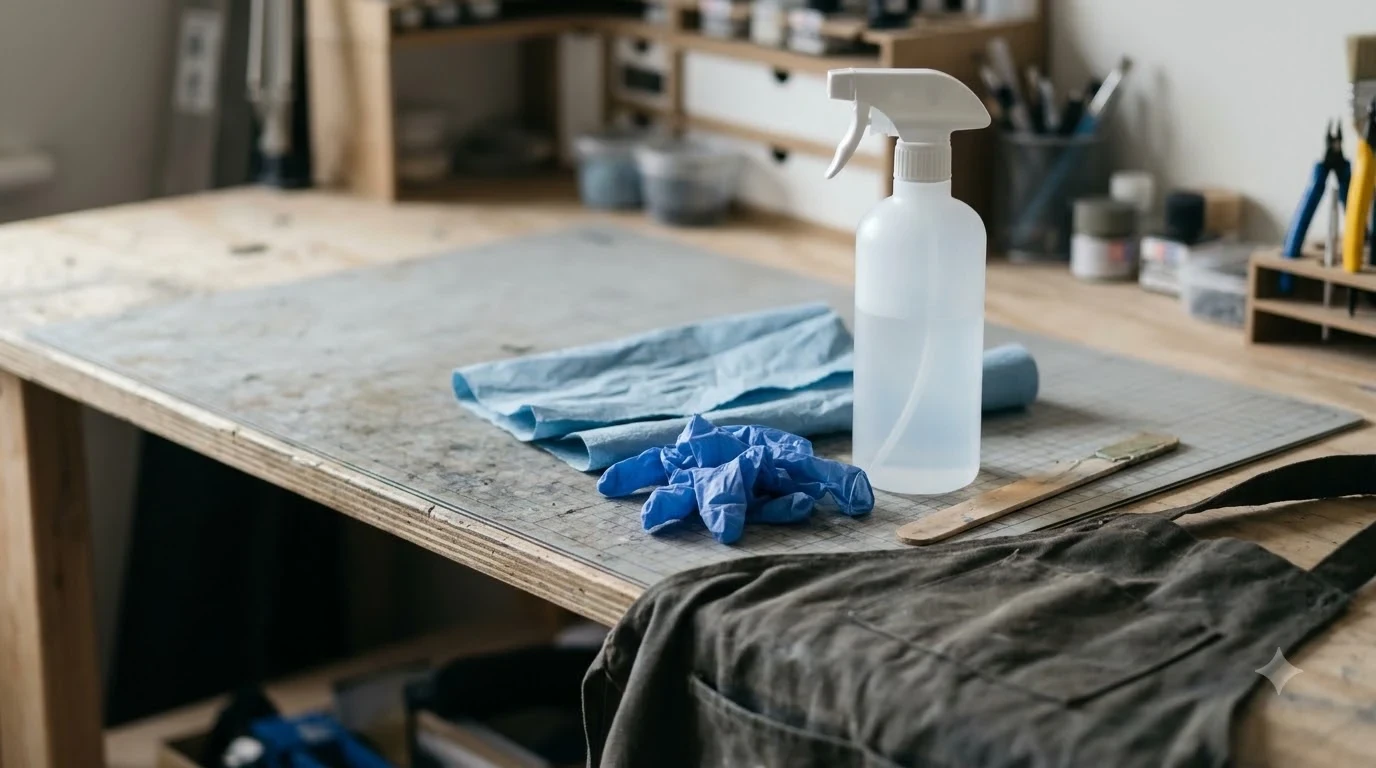
Here is how to clean epoxy tools fast: remove as much uncured resin as possible right away, then wipe or soak the tools in isopropyl alcohol before washing them in warm soapy water. Sources note that resin is far easier to remove while it is still wet, so the first few minutes after you finish pouring matter most. Isopropyl alcohol is the solvent most often named for uncured resin, and it should be used with ventilation and away from heat. For tools that you plan to reuse, a final wash in warm soapy water and full air drying finishes the job.
Clean tools are the difference between a smooth next project and a stack of ruined brushes. This guide walks through the order of steps, the tools that need the most care, and how to handle resin that has already hardened. It also covers the safety points sources repeat, including gloves, ventilation and proper disposal.
Why Epoxy Tools Must Be Cleaned Before It Cures
Uncured epoxy is easy to lift off most surfaces, but it hardens quickly once it sits. Resin that has set on a brush or stick is much harder to remove and can leave residue behind. Cleaning promptly saves both time and material.
ResinPro’s tool-cleaning guide advises removing as much uncured resin as possible immediately, before it cures, and cleaning tools right after use. Scraping or wiping the bulk off first also keeps your cleaning solvent from being used up on material you could have removed by hand. Plan your cleanup as part of the pour, not as an afterthought.
Clean tools also perform better on the next job. Residue on a brush or mixing stick can contaminate a fresh batch, so drying tools fully before storage is part of the process, not an extra step.
Tools You Need to Clean Epoxy Off
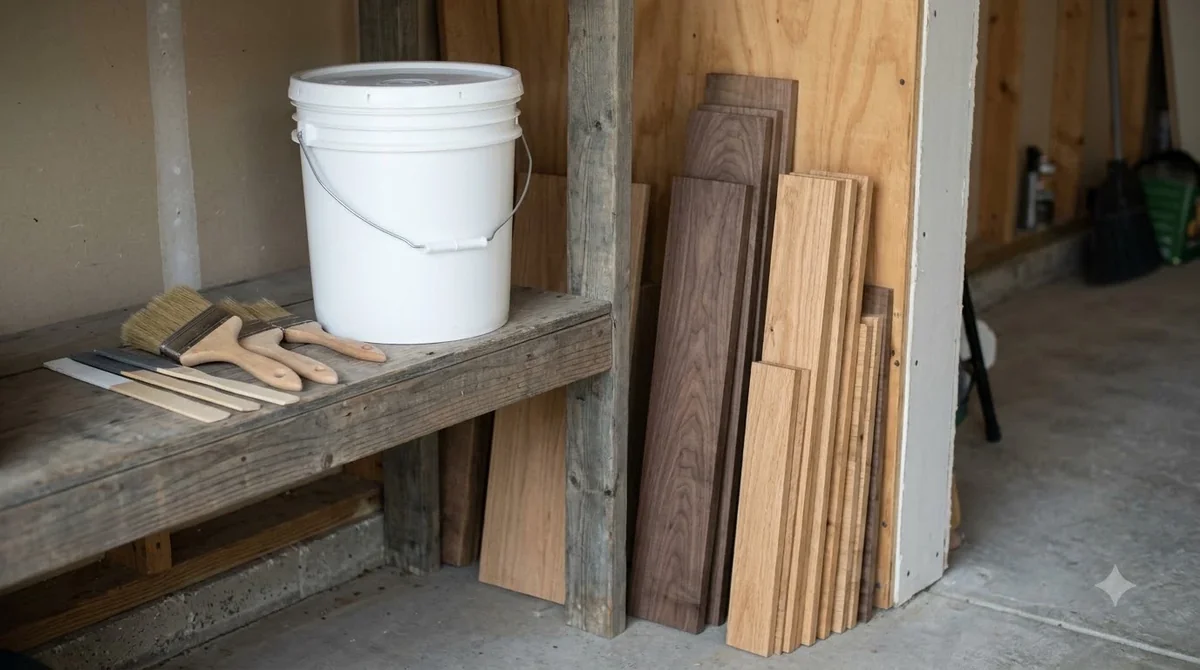
Most resin tools fall into two groups: tools you plan to reuse, such as silicone brushes and polypropylene mixing sticks, and tools you will discard after the job. Sorting them early tells you which cleaning path to follow. Reusable tools need the gentlest finish, while disposable ones can take a longer solvent soak.
| Tool | Material to look for | Suggested approach |
|---|---|---|
| Silicone brushes | Flexible silicone bristles | Wipe, soak briefly in isopropyl alcohol, rinse, then wash in warm soapy water |
| Mixing sticks | Polypropylene (often #5) | Peel cured drips off once dry, or soak and wash while still wet |
| Mixing cups | Plastic, often disposable | Let thin resin cure in the cup, then peel or flex it free |
| Metal or coated tools | Metal, painted or coated surfaces | Test any solvent on a small hidden spot first |
Keep a waste container, disposable towels, gloves and a lint-free cloth nearby before you start. One source lists these same items as the core kit, and having them ready prevents you from reaching for tools mid-cleanup with sticky hands. For the next step after this check, see What to Use to Clean Resin Safely.
Cleaning Epoxy Tools Before It Cures
Start with wet resin, because it responds best to a quick wipe and a short solvent rinse. Work in this order: remove the bulk, soak or wipe with solvent, then wash. Skipping the first step forces the solvent to do work a paper towel could have handled.
- Remove the bulk. Scrape or wipe as much uncured resin as you can with a spatula or paper towel, and drop the waste into a sealed container.
- Wipe with isopropyl alcohol. Use 99.9% isopropyl alcohol on a cloth or spray it on the tool, then wipe dry. Repeat with a clean section of the cloth until no tack remains.
- Soak small tools briefly. Swirl mixing sticks in a cup of alcohol and let brushes soak for a few minutes, as one supplier describes.
- Rinse under running water. Clear the alcohol and loosened resin from the tool.
- Wash in warm soapy water. Swirl the tool, rinse all soap away, then set it to dry completely before storing.
If a spot stays tacky, repeat the alcohol step with fresh solvent instead of scrubbing harder. Aggressive scrubbing can damage bristles and leave the tool cloudy.
Removing Cured Epoxy from Tools
Once resin has hardened, switch from solvent to mechanical removal. Flexible materials such as silicone often let you peel, chip or flick away the cured resin without much effort. Sharp objects can gouge coated or delicate surfaces, so use them carefully.
A common approach is to soak hardened tools in warm soapy water for a few hours to loosen the resin, then scrape with a plastic tool. A heat gun on a low setting can soften stubborn cured resin for scraping, though you should keep it moving and stay clear of the tool’s handle or coating. Avoid metal scrapers on coated tools, because they scratch.
Polypropylene is the easiest plastic to peel cured resin from, according to ArtResin’s cleanup guide. Acrylic will release resin too but may need more effort in spots. If resin has been sanded, be careful with alcohol and acetone, since one source warns that too much solvent can cloud or weaken the material.
Safe Solvents and What to Avoid
Isopropyl alcohol at 99.9% strength is the solvent most sources recommend for uncured resin on tools. It is highly flammable, so keep it away from open flames and heat sources and work in a ventilated space. Many sources also mention acetone, but it is harsher and should be tested first on any tool that is not disposable.
| Item | Best use | Watch for |
|---|---|---|
| 99.9% isopropyl alcohol | Wiping and soaking uncured resin | Flammable; avoid heat and open flames |
| Warm soapy water | Final wash of reusable tools | Rinse all soap off before drying |
| Degreaser on a cloth | Greasy or stubborn residue | Test on a hidden spot first |
| Acetone | Tough spots on disposable tools | Can soften some plastics and dull surfaces |
Tip: Test any cleaner on a small, hidden area first. Never mix cleaning agents, since one supplier warns this can cause hazardous reactions or dull the finish.
Safety: Wear nitrile gloves and eye protection, work with good airflow, and read the solvent’s safety data sheet before use. Keep solvents away from heat sources.
Avoid bleach and strong acids on resin surfaces, since a Resiners guide warns they can damage the material. Rubbing alcohol is also a fine choice for wet resin, but it is not reliable for cured resin.
Cleaning Reusable Silicone Molds and Mixing Cups
Silicone molds and reusable mixing cups respond well to the same ideas: remove uncured resin early and keep solvent contact short. Silicone is flexible, so cured resin can often be peeled or flicked out once it has set. Work gently to avoid tearing thin edges.
For reusable silicone brushes and polypropylene sticks, warm soapy water is the gentle final step. Let them air dry fully before storing or reusing. If you are working on a mold project, you may also want to read how to make silicone molds to plan your release and cleaning routine together.
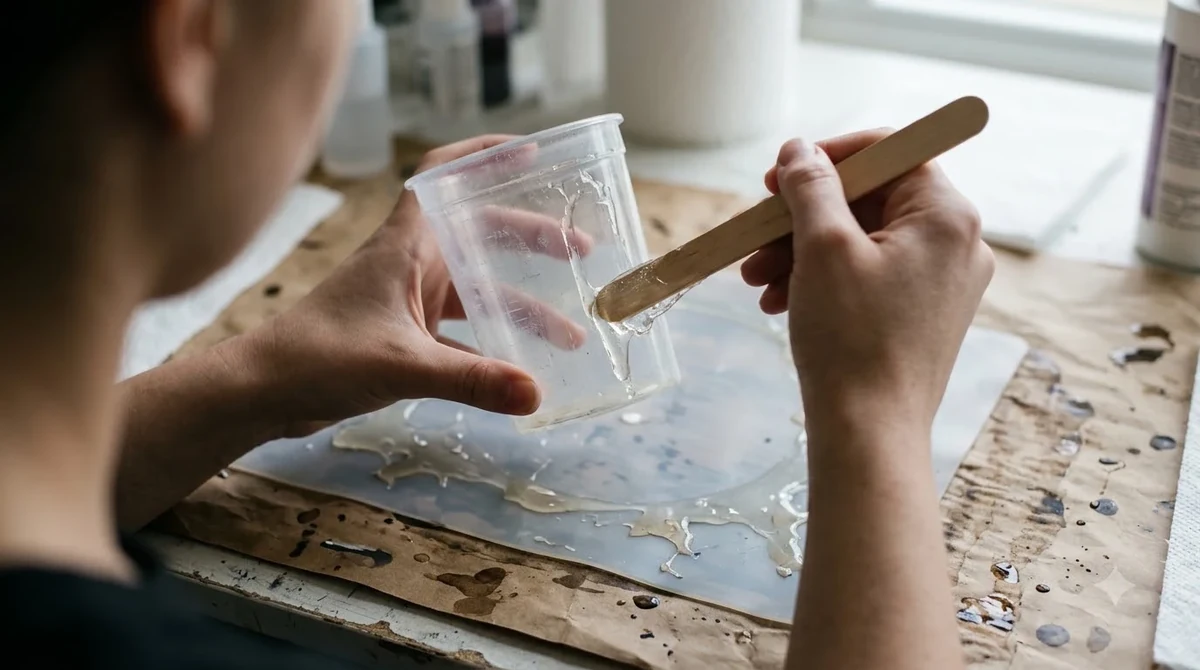
Disposable plastic cups are often easier to discard than to clean thoroughly. Let thin resin cure inside the cup, then peel or flex it free, as ArtResin suggests for its plastic tools. Readers working through this often move on to How to Clean Epoxy Resin Mixing Cups.
Disposal and Safety Tips for Epoxy Waste
Never pour epoxy resin, solvent or cleaning waste down the drain. ArtResin advises against pouring leftover resin down the drain and suggests curing resin and hardener together, then putting the solid in the trash. Collect solvent-soaked towels and residue in a dedicated container and follow your local household hazardous waste guidance.
Disposable gloves and cloths that are heavily soiled with resin should go in the trash, not the recycling. Seal the container and keep it away from heat. For leftover liquid, it is simpler to cure it fully than to try to pour it off.
Safety: Keep solvent containers tightly closed, store them away from heat, and check your local rules for disposing of solvent waste.
Frequently Asked Questions
Can I clean epoxy resin off tools with rubbing alcohol or acetone?
Yes, for uncured resin both are commonly named. Isopropyl alcohol is the usual first choice, while acetone is harsher and should be tested on a hidden spot first. Neither works well on fully cured resin.
What is the best way to clean silicone brushes and mixing sticks?
Remove the bulk of the uncured resin, soak briefly in 99.9% isopropyl alcohol, rinse under running water, then wash in warm soapy water. Let them air dry fully before storing or reusing them.
Is it safe to wash epoxy resin down the drain?
No. Sources advise against pouring leftover resin or solvent down the drain. Cure leftover resin and hardener together and discard the solid in the trash, and collect solvent waste in a container.
How do I get epoxy resin off my hands without damaging my skin?
Wipe off excess with a dry paper towel, then wash with warm soapy water. If resin remains, rub gently with cooking oil or baby oil before washing again. Avoid acetone and alcohol on skin, since they can irritate it.
Cleaning promptly is the single habit that makes the biggest difference. For the next step after your pieces are clean, read how to polish epoxy once the surface has fully cured. Keep your gloves on, your solvent sealed and your waste out of the drain, and your tools will last longer.
More in Techniques & How-To
 How to Make Resin Glow in the Dark, With Mixing Ratios and Pour LimitsUpdated Nov 26, 2026
 How to Use Deep Pour Epoxy for Clear, Bubble-Free LayersUpdated Nov 26, 2026
 How to Do a Dirty Pour with Resin Without Muddy ColorsUpdated Nov 26, 2026
 How to Cure Epoxy Faster Safely: Warmth, Ratios and Heat TipsUpdated Nov 26, 2026
 How to Make Resin Shine: Cure, Level and Polish for a Glossy FinishUpdated Nov 26, 2026
 Slab Flattening Jig DIY: How to Build One for Flat Epoxy River TablesUpdated Nov 26, 2026