

We may earn a commission when you buy through links on this page, at no extra cost to you. Learn more.
How to clean epoxy resin mixing cups comes down to timing: wipe out wet resin right away with paper towel and 99% isopropyl alcohol. PlasticRanger says the wet-clean method works within about 30 to 60 minutes of mixing. Once resin has cured, most epoxy takes about 24 hours before it can be peeled cleanly from a cup. Never rinse a resin cup in the sink while resin is still inside it.
This guide covers uncured and cured resin in both disposable plastic cups and reusable silicone cups. It also explains the habits that keep cups from turning into sticky, hard-to-clean tools.
Why Timing Decides How Hard Cleanup Will Be
Cleanup gets harder the longer resin sits in the cup. Uncured resin wipes away with solvent, while cured resin has to be peeled, scraped, or softened.
Solid Solutions notes that once resin cures, it bonds to whatever it touches. That is why cleanup should start the moment you finish pouring. Treat wet resin as something you wipe up while it is still workable.
Water is the wrong first choice. PlasticRanger says water should never be used during or right after use, because it leaves a milky film that will not harden. Warm soapy water belongs at the end of the process, after every trace of resin is gone.
What You Need for Cup Cleanup
Keep alcohol, paper towels, gloves, and a scraper within reach before you mix. Most of these are common shop supplies, so gather them first.
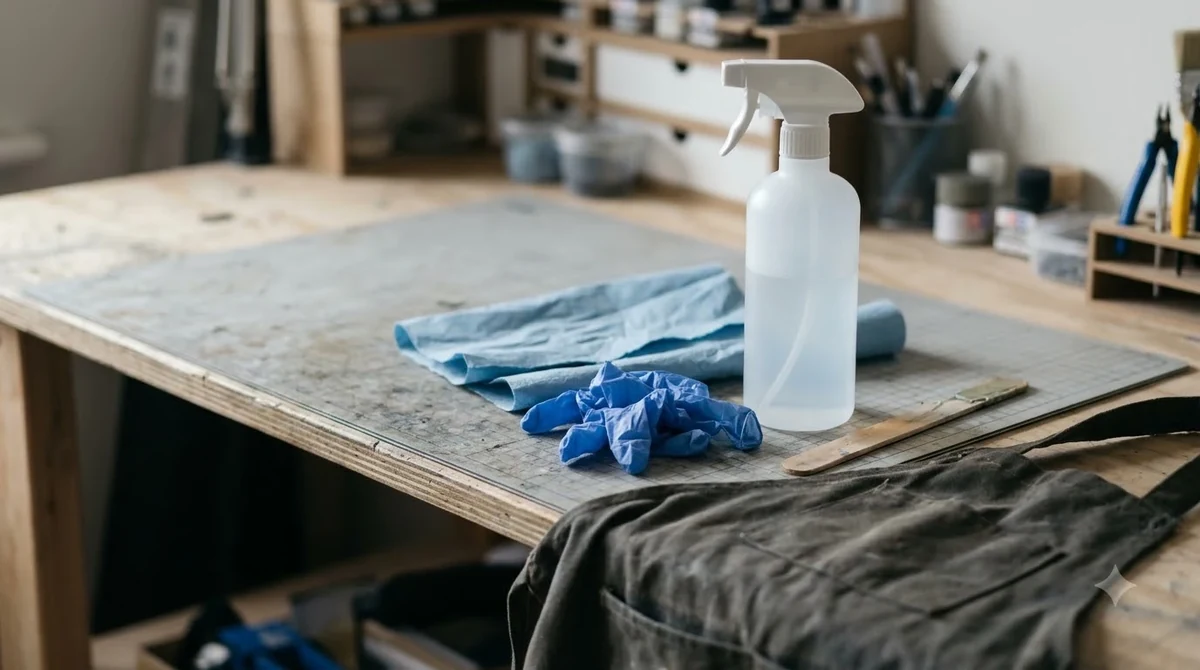
| Item | What it does | Notes |
|---|---|---|
| Nitrile gloves | Keep resin off your skin | TotalBoat says latex offers poor chemical protection against epoxy |
| Paper towels | First wipe of wet resin | Switch to a fresh towel on each pass |
| 99% isopropyl alcohol | Breaks down wet resin residue | ArtResin suggests a spray bottle for easy application |
| Acetone | Stronger solvent for stubborn spots | Can degrade plastic cups, so use it sparingly |
| Warm dish soap and water | Final wash | Use only after all resin is removed |
| Painter’s tape | Lifts tiny cured bits | Budget tape works as well as premium tape |
| Plastic scraper or stir stick | Pries up cured resin | Leave a stir stick in the cup while it cures to use as a handle |
Tip: Set up a spray bottle of alcohol at your station before you pour. Reaching for supplies after the resin starts to set is when cups get ruined.
Step-by-Step: Wipe Out Wet Resin From the Cup
Wet resin is the easiest to remove, so start immediately after pouring. These steps follow the wet-clean approach described by ArtResin and PlasticRanger.
- Put on nitrile gloves. Wear them before you touch the cup. Use two pairs on longer projects, since resin can soak through thin gloves over time.
- Wipe the sides and bottom with paper towel. Use firm, sweeping strokes and throw the soiled towel in the trash.
- Repeat with a fresh towel. PlasticRanger suggests two or three passes so less resin is left for the solvent step.
- Spray 99% isopropyl alcohol inside the cup. Wipe with a clean paper towel until the film is gone, and spray again as needed.
- Hold the cup up to light. A clean cup should show no sheen and no tacky patches.
- Wash in warm soapy water. Only do this after every trace of resin is removed. Let the cup air dry upside down on a towel.
If a little resin still feels tacky, repeat step four before moving on. Skipping that check is how residue ends up in your next batch.
Removing Cured Epoxy From Plastic and Silicone Cups
Cured epoxy cannot be wiped out, so you release it mechanically. Plastic and silicone cups respond to the same approach in different ways.
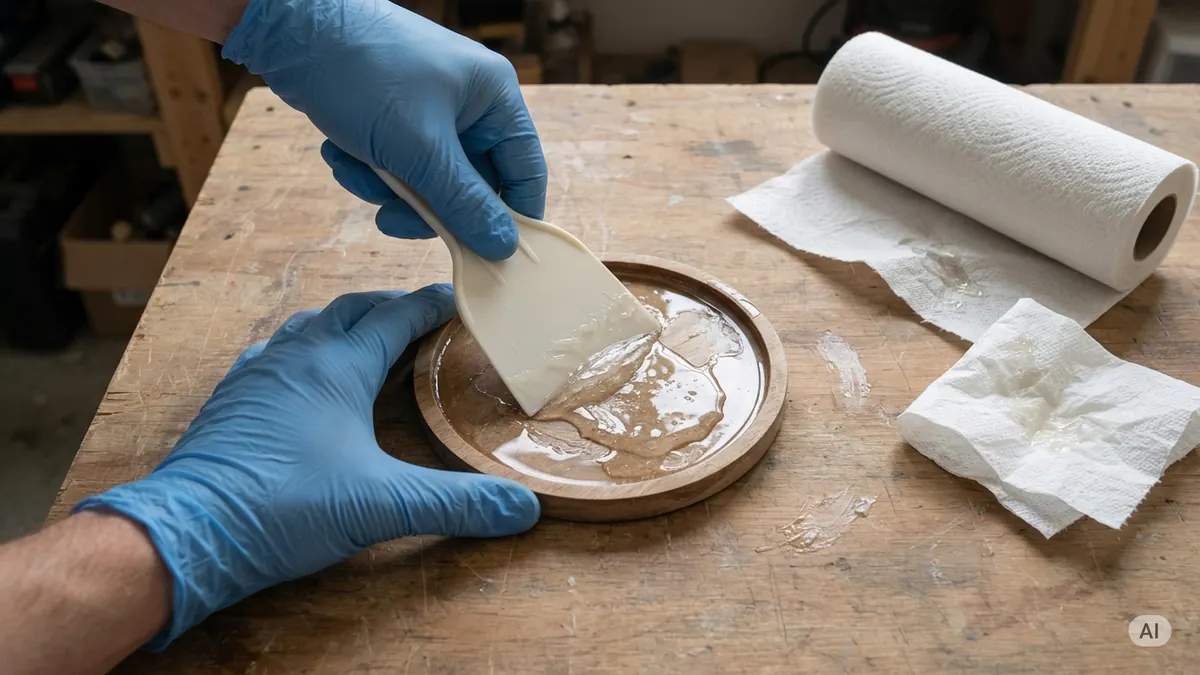
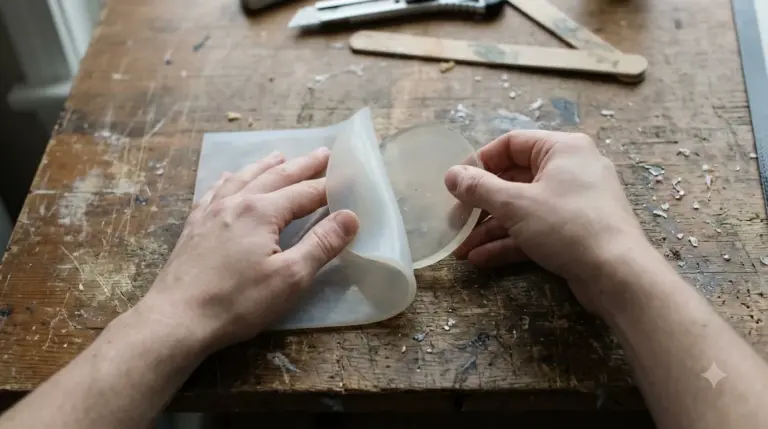
ArtResin’s dry-and-peel method is the simplest option. Tip the cup upside down on parchment paper, wax paper, a silicone mat, or a vinyl shower curtain. Let it dry overnight, then peel the cup away from the surface and pull the resin out.
Timing matters. PlasticRanger says most epoxy resins take about 24 hours to cure enough for clean peeling. Peeling early leaves a gooey, incomplete removal that is harder to clean.
Cup material changes the method. ArtResin says polypropylene, the flexible, frosted plastic marked with the number 5 recycling icon, releases cured resin best. Flex the sides to crack the resin loose. For silicone, squeeze and bend the cup, since cured resin does not bond to silicone.
Mas Epoxies recommends pressing painter’s tape against the inside of the cup and peeling it away to lift tiny remnants. Repeat until nearly nothing is left. Be careful with large chunks, since cured shards can be sharp. For more on this topic, see How to Clean Epoxy Tools.
| Cup type | Best method for cured resin | Avoid |
|---|---|---|
| Polypropylene plastic | Cure, then flex the sides and peel | Long acetone soaks |
| Silicone | Let the film cure, then squeeze and peel | Harsh scraping tools |
| Food-safe resin tumblers | Warm dish soap and water only | Acetone, vinegar, dishwasher |
Tip: Leave a stir stick in the cup during curing. It gives you a handle for prying out the hardened disc.
Safe Solvents and Products for Cup Cleanup
Use alcohol or acetone on the cup itself, and keep solvents off your skin. Water and vinegar are not the right tools for uncured resin.
PlasticRanger says acetone can degrade plastic, and recommends 99% isopropyl alcohol for partially cured resin with less risk to the cup. Solid Solutions lists isopropyl-based products for silicone and plastic cups, and it points to orange citrus solvent or methylated spirits for metal tools.
Skin needs different handling. Never use solvents on skin, including acetone, lacquer thinner, or vinegar. Use a waterless skin cleanser or barrier cream first, then wash with soap and warm water. For more detail, see how to get resin off hands.
Hardener is water-soluble. According to TotalBoat, cups that held only hardener can be cleaned with soap and warm water rather than solvent. For a step-by-step look at how ArtResin handles the wipe-out, see ArtResin’s cup cleaning guide, which explains why wiping wet resin with alcohol works better than waiting.
Safety: Wear nitrile gloves and work with good airflow. Read the product’s Safety Data Sheet, and keep solvents away from heat and flame. A large amount of mixed epoxy can get hot, so pour leftovers into a wide, shallow container.
Preventing Sticky Cups Next Time
Most cleanup problems start before the pour. A few habits make cups far easier to clean after every project.
Choose the right cup material for the job. Solid Solutions says plastic cups are hard to clean once resin cures and recommends replacing them. Its 600 ml soft plastic cups can be reused only if cleaned with alcohol straight after use.
Store the cup upside down, and never leave resin pooling in an upright cup. PlasticRanger says resin left in an upright cup pools at the bottom and becomes much harder to remove.
If resin stays soft and sticky days after pouring, it has not cured properly. Solid Solutions advises scraping it off and cleaning the surface before you pour again. For the full range of solvents and tools, see what to use to clean resin.
Frequently Asked Questions
Can you use acetone to clean epoxy resin cups?
Yes, acetone works on stubborn residue, but use it sparingly. PlasticRanger says acetone can degrade plastic cups, so keep contact brief. Solid Solutions says solvents should never be used on your skin.
Is rubbing alcohol good for cleaning resin mixing cups?
Isopropyl alcohol works well, and PlasticRanger’s supply list calls for 90% or higher. Check the label on your bottle before you use it. A stronger concentration is better for wet resin residue.
Can I put resin mixing cups in the dishwasher?
No. PlasticRanger advises against the dishwasher because high heat can warp plastic cups. Hand wash them with warm dish soap and water after all resin has been removed.
How long does epoxy in a cup take to cure enough to peel out?
Most epoxy resins need about 24 hours before clean peeling works well. Sources say full cure can take up to two weeks, and sanding partially cured epoxy releases dust that can carry reactive compounds. Wear a respirator if you sand early.
Clean wet cups right away, and let cured resin set overnight before you peel it. If problems keep coming back, check the troubleshooting and fixes hub for more causes and solutions.
More in Troubleshooting & Fixes
 How to Fix Scratches in Epoxy Tables Without Redoing the Whole TopUpdated Nov 26, 2026
 How to Remove Amine Blush From Epoxy Without Starting OverUpdated Nov 26, 2026
 What Will Remove Epoxy from Wood, Metal, Skin and Hair SafelyUpdated Nov 26, 2026
 Paint and Epoxy Remover: Which Type Strips Cured Epoxy and Paint SafelyUpdated Nov 26, 2026
 Resin Sticking to Mold? Causes, Release Fixes and Safe RemovalUpdated Nov 26, 2026
 Why Is My Epoxy Bumpy? Causes and Fixes for a Smooth FinishUpdated Nov 26, 2026