

We may earn a commission when you buy through links on this page, at no extra cost to you. Learn more.
Knowing what to use to clean resin comes down to whether it is still wet: start with 99% isopropyl alcohol on uncured resin, because it is the solvent most guides name first for tools and surfaces. Wipe off the bulk with paper towels before any solvent touches it. Acetone is stronger and can help with semi-cured residue, but it can melt or warp some plastics. Once resin has hardened, a heat gun or hair dryer on low heat for 30–60 seconds softens it enough to scrape with a plastic scraper.
Resin cleanup depends on one question: is the resin still wet or has it cured? The answer changes which product you reach for, how fast you need to move, and how careful you have to be with your hands and your workspace. This guide walks through what works for each state, what to avoid, and how to stay safe while you clean.
What Cleans Resin Before It Cures
Wet resin is the easiest to clean, but only if you act quickly. Isopropyl alcohol dissolves uncured resin on contact, and that is why it is the go-to choice for most cleanups.
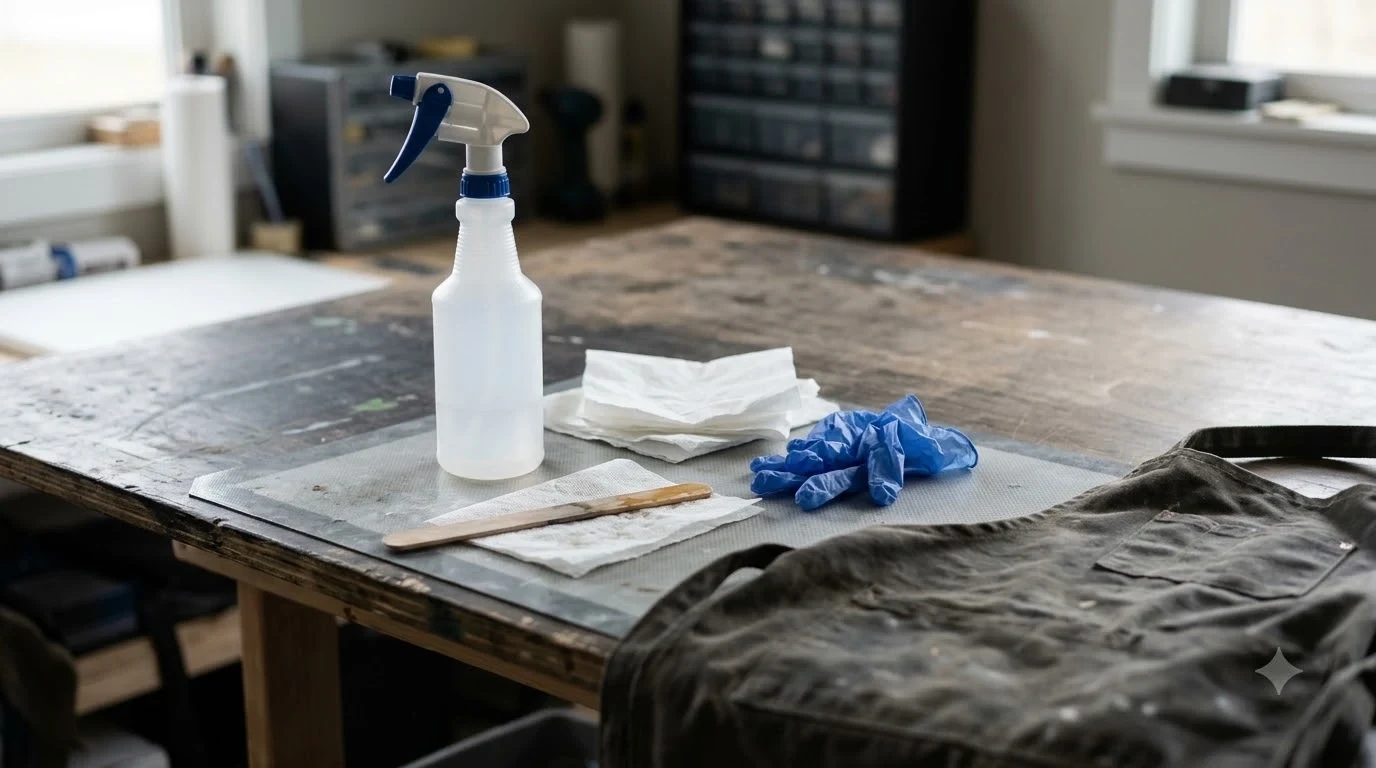
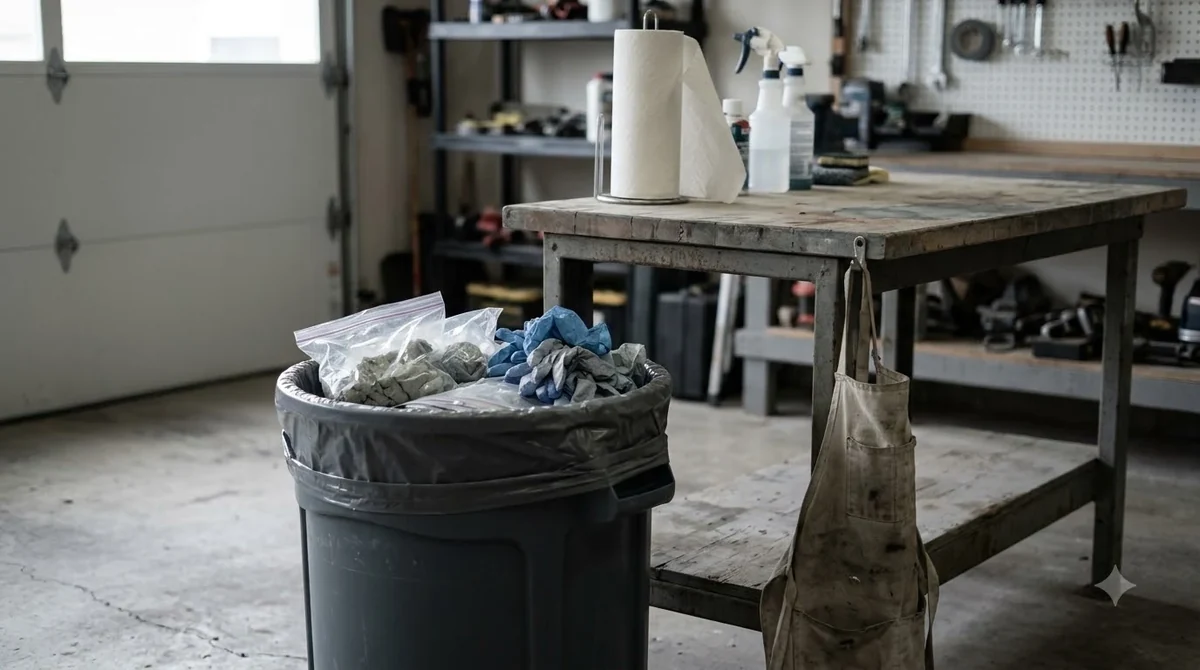
Always remove the bulk first. Use paper towels to lift as much liquid resin as you can before you reach for any chemical. Throwing away resin-soaked towels is one of the cleanest and safest removal methods.
After the bulk is gone, saturate a fresh paper towel with 99% isopropyl alcohol or acetone and wipe the remaining residue. Repeat until the surface no longer feels sticky. Then wash with warm water and dish soap to remove any solvent traces, and let the item dry fully before using it again.
Why speed matters
Liquid resin that sits for even a short time starts to bond to whatever it touches. The PlasticRanger epoxy cleanup guide describes wet resin as easy to dissolve if you act fast. Cured resin, by contrast, can take hours of work to remove.
Safe Solvents for Uncured Epoxy and UV Resin
Different solvents suit different jobs. Match the cleaner to the resin state and the surface, and test any strong solvent on a hidden spot first.
The table below summarizes the cleaners that sources name most often. Always check the safety data sheet for your specific product before you start.
| Cleaner | Best use | Things to watch |
|---|---|---|
| 99% isopropyl alcohol | Wet resin on tools, cups, and most surfaces | Flammable; use with good airflow and keep away from heat |
| Isopropyl alcohol at 90% or higher | Resin 3D prints and the wash step | Some guides for 3D prints say 95% or higher; check your resin maker |
| Acetone | Wet or semi-cured resin and stubborn spots | Can melt or warp certain plastics and strip painted or varnished finishes |
| Denatured alcohol | Dried residue on work surfaces | Highly flammable; avoid open flames |
| Warm water and dish soap | Final rinse and silicone molds | Does not dissolve uncured resin on its own |
Tip: Apply one solvent at a time. Mixing acetone and alcohol in the same application is not recommended by the PlasticRanger guide, so finish with one, rinse, and then move on.
Plain water does not clean standard epoxy or UV resin. These resins are not water-soluble, so water tends to spread the mess. The exception is water-washable resin, which some printers and makers use and which can be rinsed under running water.
Cleaning Mixing Cups, Brushes, and Tools
Tools and mixing containers take the most abuse in any resin project. Clean them right after use, while the resin is still soft, and you can often reuse them for years.
For brushes and spatulas, dip the tool in isopropyl alcohol or acetone and swirl it. Wipe it clean on a paper towel, then rinse with warm, soapy water and let it air dry. For mixing cups, wipe out the bulk, spray 99% isopropyl alcohol inside, and wipe in circles until no stickiness remains.
If a cup has hardened resin, soak it in warm, soapy water for a few hours to loosen the grip. Then use a plastic scraper to lift softened sections. Finish any stubborn spots with acetone. For a more detailed walkthrough, see our guide on how to clean epoxy resin mixing cups.
Removing Cured Epoxy from Surfaces
Cured resin is a different problem. It is a hard, cross-linked plastic that does not respond to soap and water. The method you choose should match the surface, and you should start with the gentlest option.
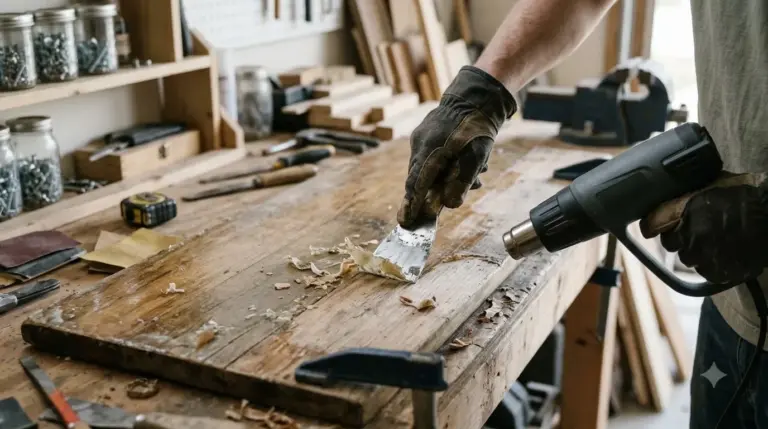
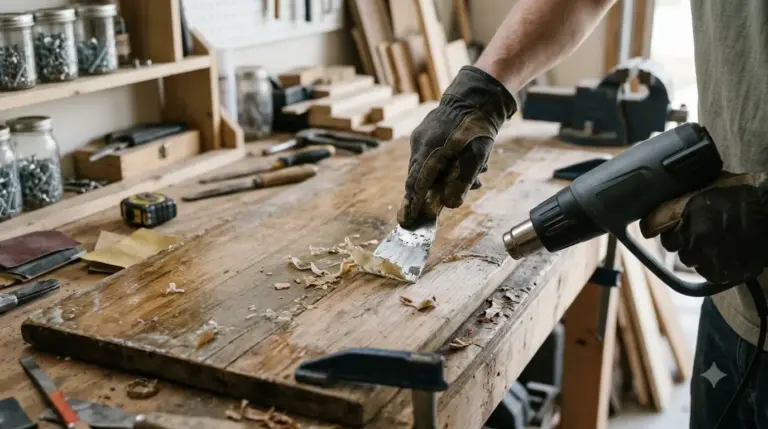
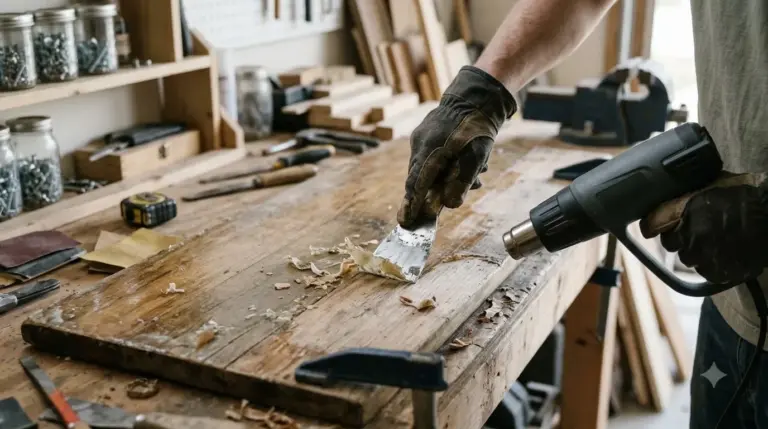
The most common method is heat. Use a heat gun or hair dryer on low heat to warm the cured resin for 30–60 seconds. Then lift it off with a plastic scraper. This works best on flat, smooth surfaces, and it avoids the chemical exposure that solvents bring.
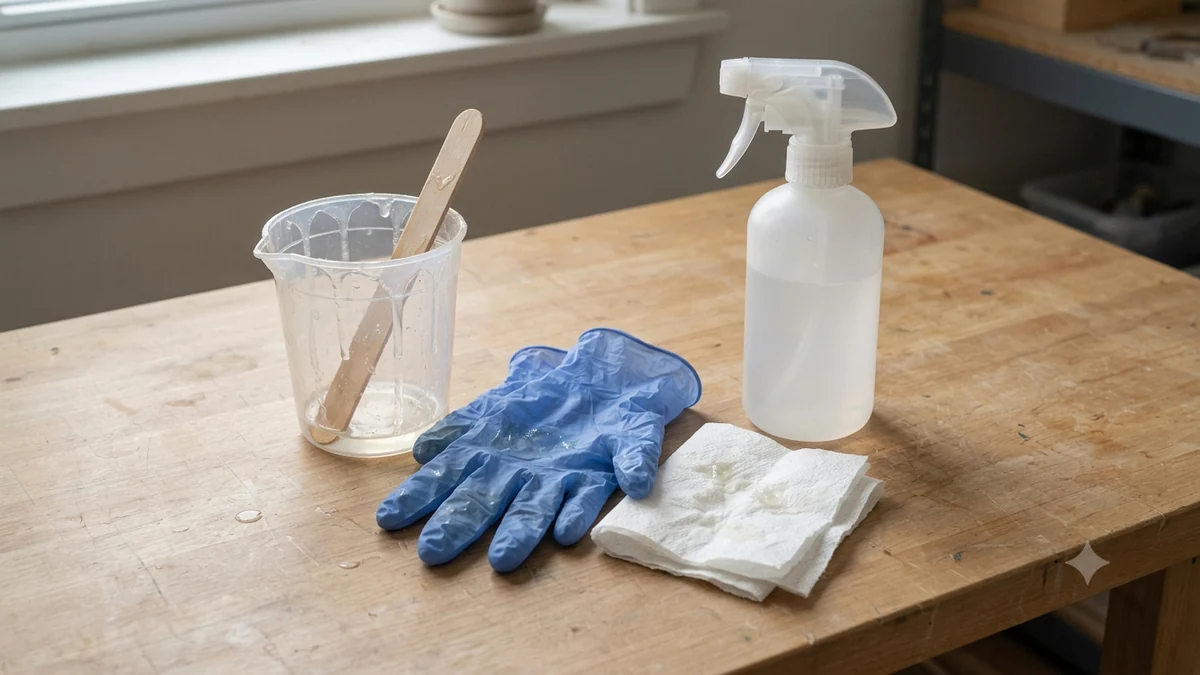
If heat is not enough, apply acetone or denatured alcohol directly to the cured resin. Let it sit for a few minutes, then scrape. Porous materials like concrete or stone can take several rounds. Never use a metal scraper on glass or finished surfaces, since it can scratch them. The guide on what can I use to remove epoxy covers more options for hard-set spots.
Fully cured resin on glass-like surfaces
Once a tabletop or artwork has fully cured, it behaves much like glass. Spray a mild glass cleaner onto the surface and wipe with a soft microfiber cloth in gentle circles. Avoid ammonia-based cleaners, since they can dull a high-gloss finish over time. Readers working through this often move on to How to Clean Epoxy Tools.
Sanding is a last resort. If you must sand cured epoxy, wear a respirator, because epoxy dust is a respiratory irritant.
Cleaning Resin Off Skin and Hands
Skin contact is the main reason to take resin cleanup seriously. Wash the area right away with warm water and dish soap, and do not reach for acetone or other strong solvents on your skin.
If resin lingers after washing, rub cooking oil or baby oil into the area to loosen it, then wash again with soap and water. Repeat until the skin feels clean. Some guides suggest vinegar for cured resin on skin, but it is a gentler option that should be used with caution.
Safety: If you notice skin irritation, redness, or swelling after resin contact, contact a medical professional. Wear nitrile gloves every time you handle resin to prevent contact in the first place.
Common Cleaning Mistakes and Safety Gear
Most cleanup problems come from a few avoidable habits. Knowing them ahead of time saves solvent, tools, and frustration.
The most common mistakes include rinsing resin tools under running water before you wipe off the bulk, which spreads contamination. Another is reusing cloudy alcohol. Dirty alcohol spreads uncured resin instead of removing it, so replace it when it looks milky. Also avoid using acetone on painted or varnished surfaces without testing first.
Wear nitrile gloves instead of latex, because resin penetrates latex. Add safety glasses when you work with solvents. Keep the workspace ventilated, since alcohol and acetone vapors build up quickly in closed rooms. A respirator or a good ventilation setup is worth considering, especially for sanding.
Safety: Keep solvents away from open flames and heat sources, since acetone and denatured alcohol are flammable. Read the safety data sheet for each product before you start.
Disposal matters too. Never pour resin or solvent wash water down the drain. Cure liquid resin waste under UV light or sunlight before disposal, and check your local hazardous waste guidelines for used solvents.
Frequently Asked Questions
What is the best thing to use to clean uncured epoxy resin off tools?
Wipe off the bulk with paper towels first, then use 99% isopropyl alcohol or acetone on a fresh towel. Swirl brushes in the solvent, wipe them clean, and finish with warm, soapy water. Acting within minutes keeps tools reusable.
Can acetone be used to clean epoxy resin off surfaces safely?
Acetone can work on wet or semi-cured resin, but it is strong and can melt some plastics. Test a hidden spot first, and avoid painted or varnished finishes. Use it in a ventilated area and keep it away from flames.
Does isopropyl alcohol work on cured resin?
Isopropyl alcohol is mainly effective on uncured resin. On cured resin it can soften the surface only partly. Heat with a plastic scraper or a stronger solvent like acetone is usually needed for hardened resin.
Can you clean resin with just water?
Plain water does not dissolve standard epoxy or UV resin, and it can spread the mess. Water-washable resin is the exception, and it can be rinsed under running water. Those prints still need to be fully dried before UV curing.
Start with the state of the resin, then match the cleaner to the job. For more troubleshooting help, visit Troubleshooting & Fixes. Test every strong solvent on a small area first, and keep your gloves on.
More in Troubleshooting & Fixes
 How to Fix Scratches in Epoxy Tables Without Redoing the Whole TopUpdated Nov 26, 2026
 How to Remove Amine Blush From Epoxy Without Starting OverUpdated Nov 26, 2026
 What Will Remove Epoxy from Wood, Metal, Skin and Hair SafelyUpdated Nov 26, 2026
 Paint and Epoxy Remover: Which Type Strips Cured Epoxy and Paint SafelyUpdated Nov 26, 2026
 Resin Sticking to Mold? Causes, Release Fixes and Safe RemovalUpdated Nov 26, 2026
 Why Is My Epoxy Bumpy? Causes and Fixes for a Smooth FinishUpdated Nov 26, 2026