

We may earn a commission when you buy through links on this page, at no extra cost to you. Learn more.
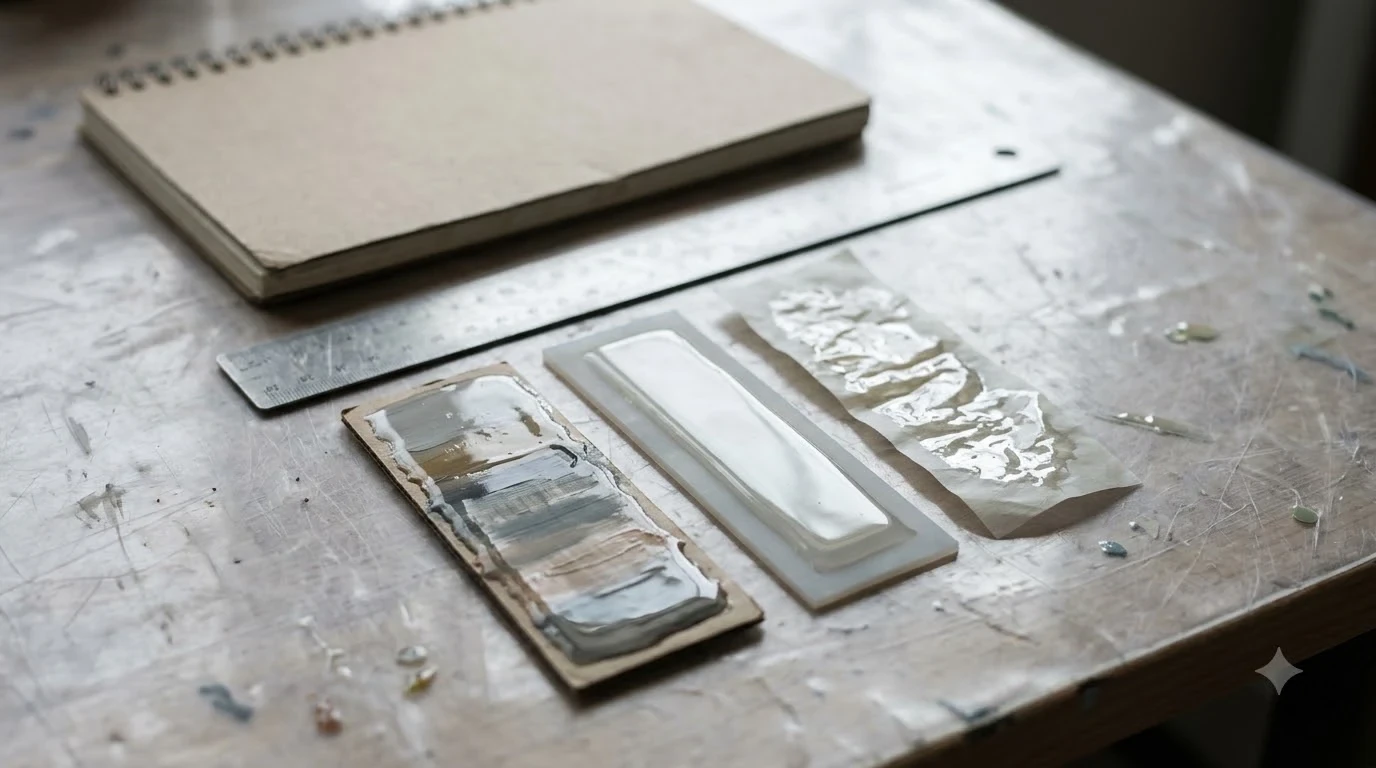
You can use acrylic paint in resin, and the most reliable method is painting acrylic onto cured resin instead of stirring it into the pour. Hirosart recommends light sanding with about 220-grit sandpaper so the paint can grip the glossy surface. Acrylgiessen uses 800-grit paper to smooth flash and 400-grit between primer coats. Resin Obsession advises waiting about 20 minutes for paint to dry before adding a resin layer over it.
This guide explains which paint types suit resin, what happens when acrylic meets uncured epoxy, and how to paint a finished piece so the color lasts. It also covers the common failures makers report and the safety steps the sources recommend.
Can You Mix Acrylic Paint With Resin?
Mixing acrylic paint into resin is possible for some makers, but the sources in this guide focus on painting acrylic onto cured resin, not mixing it into a pour. Start with the method most sources describe, then decide whether a mixed approach suits your project.
Acrylic paint is water-based. It is made of pigment suspended in an acrylic polymer emulsion, and most acrylic paints become water-resistant once they dry. That water content matters when you work with epoxy, because moisture in a pour can affect how the resin looks and cures. Check your resin maker’s technical data sheet before adding any water-based colorant to a pour. The Wikipedia entry on acrylic paint explains the water-based polymer chemistry in more detail.
If you want color throughout a clear piece, many makers look at dedicated resin colorants and inclusions rather than craft paint. You can read more about embedding objects in our Inclusions & Embedding guide. For a similar question about a different paint type, see can you mix oil paint with resin.
Acrylic Paint in Epoxy: What Actually Happens
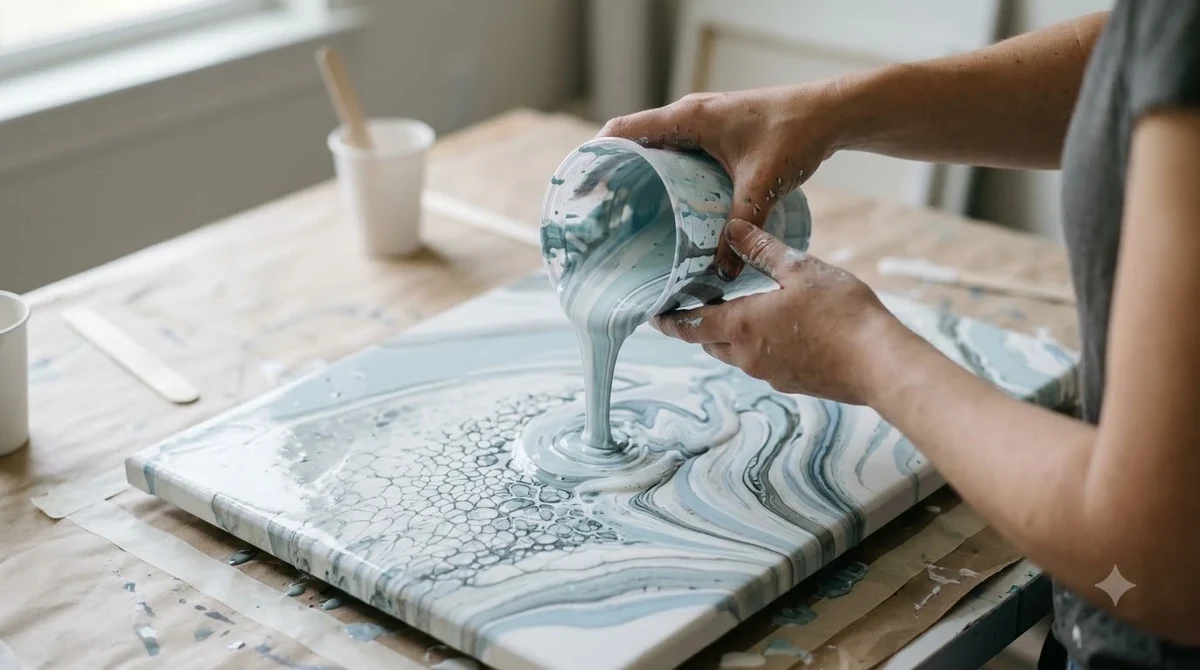
Acrylic paint on top of cured epoxy usually sits as a film, and the film’s behavior depends on whether it is still wet. Wet acrylic wipes off with water, while dried acrylic is generally not removable from a solid surface once it has adhered. That difference shapes how you correct mistakes.
Resin’s glossy, smooth surface gives paint little to grip. Acrylgiessen notes that the resin surface is smooth, so paint won’t adhere as well as it does to canvas. Sanding and priming help create a surface the paint can bond to.
The table below summarizes what the sources describe at each stage, so you can see where problems usually begin.
| Situation | What the sources describe | What to do |
|---|---|---|
| Paint still wet | Wipes away with a damp towel | Remove it fully before adding anything new |
| Paint dried on glossy resin | Can be scraped off or may need sanding | Sand the area, then prime and repaint |
| Paint dry, resin layer added | Resin may not stick if the glossy top is left | Remove the glossy finish before covering |
| Paint on epoxy with no primer | Adhesion is weaker on smooth resin | Use a spray primer, applied in coats |
Can You Use Acrylic Paint to Color Resin?
Yes, acrylic paint is the paint type most often named as the best choice for resin. Acrylic has strong adhesion, dries quickly and is flexible, according to Hirosart. Not every acrylic product performs the same, so Hirosart recommends testing on a small piece of scrap first.
Follow a sequence that prepares the surface before any color goes on. Acrylgiessen describes this process in six steps, and the list below combines its approach with the other sources.
- Clean the surface. Wipe the resin with warm soapy water and use a toothbrush for scratches where dirt can collect.
- Sand the flash. Remove any ridge from the mold seam with a knife, then smooth the area with 800-grit sandpaper.
- Fill holes. Fill bubbles or holes with epoxy putty, let it dry, and smooth it with 600-grit sandpaper.
- Prime in coats. Spray a primer, let it dry, then lightly sand with 400-grit paper before the next coat. Acrylgiessen says its Krylon Colormaster white primer dries in 10 minutes.
- Paint with acrylic. Apply thin layers with a synthetic brush. Resin Obsession says Taklon and White Taklon brushes work best, and it recommends dabbing the paint rather than brushing streaks.
- Seal the finish. Acrylgiessen recommends a lacquer or varnish spray to reduce chipping and protect the acrylic from UV light.
Primer color should match your paint. Resin Obsession suggests black primer for darker colors and white or gray for lighter or mixed colors. Hirosart names Krylon Fusion and Rust-Oleum as primers for resin, with Krylon Fusion glossy and Rust-Oleum matte. A closely related guide is Can You Epoxy Over Acrylic Paint.
Paint is not the only spray option for resin surfaces. The guide on spray paint in epoxy covers how aerosol coats behave on cured pieces. For the wider product picture, the Hirosart beginners’ guide on painting resin lists suitable paint types in a clear table, and it is a useful next read.
Common Problems: Cloudiness, Tacky Spots and Separation
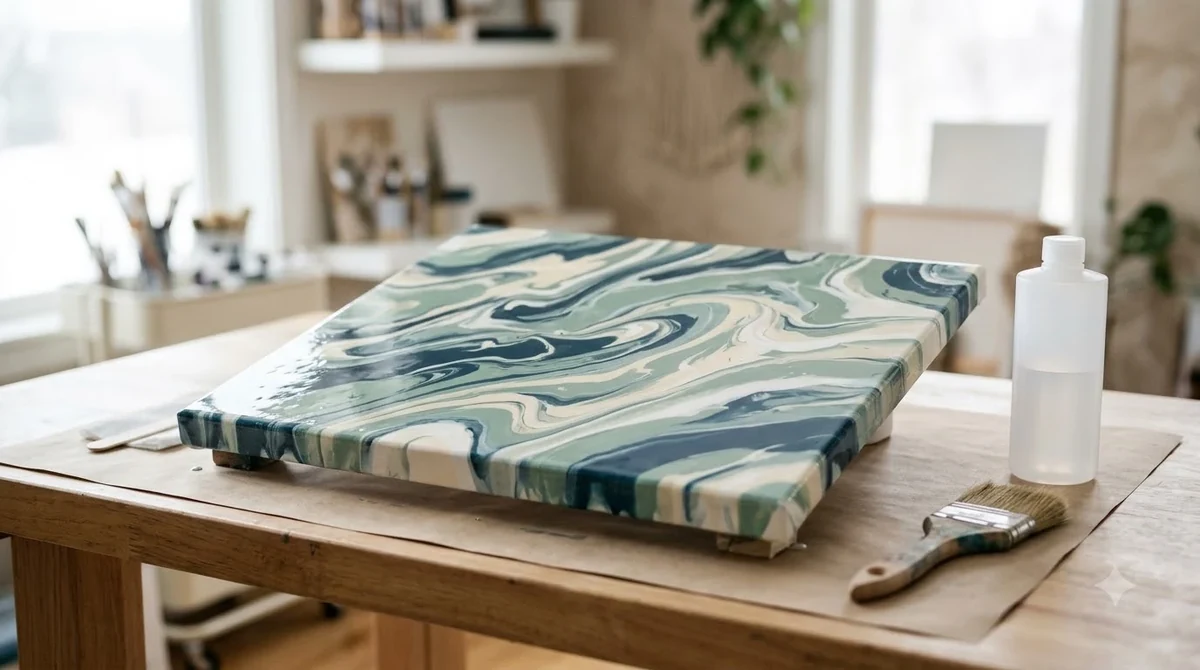
Most paint failures on resin come from skipping prep, rushing layers or covering paint that is not fully dry. Each symptom usually has a clear cause that you can address before the next coat.
Paint that peels or will not stick often points to a glossy surface that was never sanded. Hirosart warns that paint should be checked for cracks, peeling and adhesion after it dries, and that poorly bonded acrylic should be replaced with a different product.
Tacky spots usually mean the paint or the resin above it was not dry. Resin Obsession advises touching the paint lightly to check, and waiting a few more minutes if it still feels sticky. Setting the piece aside for 20 to 30 minutes between painting layers gives each layer time to set.
| Symptom | Likely cause | Fix |
|---|---|---|
| Paint will not stick | Glossy surface not sanded or primed | Sand lightly, prime in thin coats, retest |
| Sticky or smeared paint | Paint not fully dry before the next step | Wait and touch-test before adding resin |
| Chipping after sealing | No protective topcoat | Apply lacquer or varnish spray after drying |
| Streaks instead of solid color | Brush dragged across the surface | Dab on thin layers and build color gradually |
Tip: Use a bright light angled across the piece before the resin sets. It helps reveal dust, hair or missed spots while you can still fix them.
Safety Tips When Mixing Paint Into Resin
Safety matters most when you spray primers, sand cured resin or handle epoxy near paint. Hirosart says resin and paint products contain chemicals that can affect your health on contact, so protective gear should be worn. Read the product safety data sheet for each item you use.
Gloves, eye protection and good airflow are the basic steps the sources mention. Resin Obsession advises spraying primer in a well-ventilated area and using spray cans outdoors. Protecting the nearby surface with aluminum foil, as it describes, helps keep overspray off your workspace.
Safety: Wear nitrile gloves, use eye protection, and ventilate or work outdoors when spraying. Follow the respirator guidance on the primer’s safety data sheet when sanding or spraying.
Frequently Asked Questions
Can you paint acrylic paint on cured epoxy resin?
Yes. Hirosart identifies acrylic as the best paint type for resin, but it advises testing a small scrap piece first. Sanding the glossy surface and applying primer help the paint bond.
Do you need to prime resin before painting with acrylic paint?
Resin Obsession calls priming the easiest way to paint resin, and Acrylgiessen says to prime before painting. Primer improves adhesion and smooths minor imperfections. Use thin coats so the primer does not change the look of the resin.
What sandpaper grit should I use before painting resin?
Acrylgiessen uses 800-grit paper to smooth flash and 600-grit for filled areas. Between primer coats, it recommends 400-grit. Hirosart suggests about 220-grit for light sanding before paint, to help adhesion on glossy epoxy.
How long should acrylic paint dry before pouring resin over it?
Resin Obsession says about 20 minutes works for most light coats, but thickly coated areas need longer. Touch the paint lightly to confirm it does not smear. Acrylgiessen adds that you should wait for each paint coat to dry before the next one.
Acrylic paint works well on cured resin when you prepare the surface, prime in thin coats and seal the finished piece. For related questions, see our guide on can you mix oil paint with resin, which covers a different paint type and its drying behavior.
More in Inclusions & Embedding
 How to Mix Glitter into Resin Without Clumping or SinkingUpdated Nov 26, 2026
 Resin Projects with Dried Flowers: How to Prep, Seal and Cure Them RightUpdated Nov 26, 2026
 Hair in Resin: Why It Floats, Bubbles or Yellows, and How to Prevent ItUpdated Nov 26, 2026
 Wood in Resin: Which Woods Work and How to Seal Them for Clear, Bubble-Free ResultsUpdated Nov 26, 2026
 Can You Put Fresh Flowers in Resin? Why They Brown and How to Dry Them RightUpdated Nov 26, 2026
 How to Preserve Dried Flowers in Resin So They Stay Bright and FlatUpdated Nov 26, 2026