

We may earn a commission when you buy through links on this page, at no extra cost to you. Learn more.
Learning how to seal coat concrete before epoxy starts with cleaning and profiling the slab, testing for moisture, and using only a sealer or primer the epoxy maker approves. Many epoxy manufacturers recommend a CSP-2 to CSP-3 surface profile, which the Ninja Coatings guide compares to roughly 80-120 grit sandpaper. A plastic sheet taped to the floor for 24 to 48 hours can reveal trapped moisture when condensation forms underneath. Ninja Coatings also warns that a standard concrete sealer can keep epoxy from bonding, so read the product instructions before you apply anything.
Epoxy is only as strong as the surface under it. If you are coating a garage, basement or workshop floor, the sealer decision is one of the most important choices you will make before mixing any resin. This guide walks through when a seal coat makes sense, what to buy, how to apply it, and how to check that the surface is ready for epoxy.
What a Seal Coat Means in Epoxy Work
A seal coat is a thin layer of sealer applied to a substrate to reduce absorption, block stains, or control moisture before the main coating goes on. In epoxy work, the term is often used loosely, so the first step is to confirm what your epoxy system needs. Some makers call for a dedicated epoxy primer, while others allow a specific penetrating product designed for pre-coating use.
The main job of any prep layer is to help the epoxy bond to sound concrete. According to Radonseal, its floor prep guide explains that epoxy bonds mechanically, locking into microscopic peaks and valleys. A sealer that fills those pores can work against that goal, which is why the sealer choice matters so much.
When You Need to Seal Before Epoxy
You usually need to think about a seal coat when the slab has moisture problems, dusty or weak surface layers, or old paint and coatings. Radonseal identifies moisture vapor as the number one cause of epoxy failure, and it names peeling, bubbling and milky blushing as common symptoms. Moisture can move up through the slab even when the surface looks dry.
Painted or previously coated concrete is a separate case. Barrow Mix advises sanding painted concrete with 320-grit sandpaper and cleaning it with TSP before sealing. Radonseal notes that acid etching does not work on sealed, painted or previously coated surfaces, so these floors often need grinding or stripping first.
What You Need for a Concrete Seal Coat
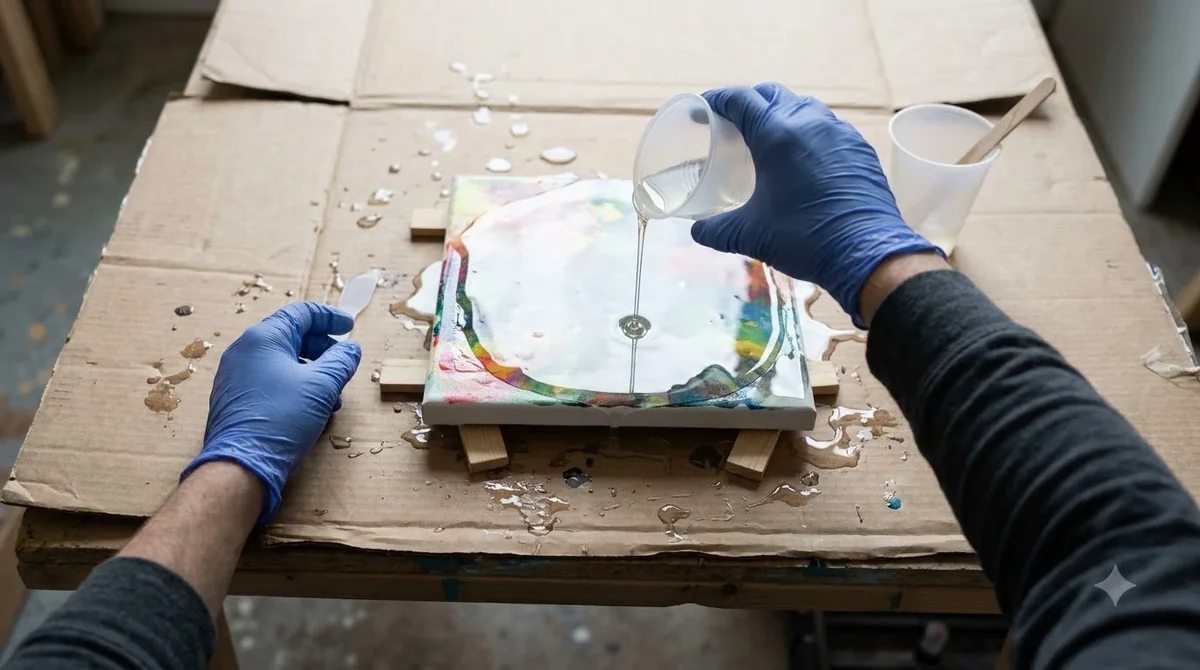
Gather your materials before you start, because a sealer can take several hours between coats. Check the epoxy maker’s data sheet for the approved primer or sealer, and confirm that the product is compatible with your surface. The table below lists the main items most makers and sealer sources mention.
| Item | Purpose | Source guidance |
|---|---|---|
| Moisture test sheet or meter | Checks for trapped moisture before coating | Plastic sheet taped down for 24 to 48 hours |
| Degreaser and stiff brush | Removes oil, grease and dirt | Ninja Coatings recommends degreasing heavily soiled areas |
| Pressure washer | Rinses cleaner and loosened residue | Used after degreasing for heavy soil |
| Grinder or etching solution | Creates the surface profile | Target CSP-2 to CSP-3 |
| 320-grit sandpaper | Light scuffing on painted concrete | Barrow Mix guidance for painted floors |
| Approved sealer or primer | The prep layer your epoxy maker allows | Check the product data sheet |
| Roller or sprayer | Even application | Roller covers about 100-150 sq ft per gallon, sprayer about 200-300 |
Safety: wear nitrile gloves, eye protection and a respirator if the product data sheet calls for one. Ventilate the room, and read the SDS before opening any sealer or solvent.
Step-by-Step: How to Apply a Seal Coat
A clean, dry, profiled surface matters more than the sealer itself. Work through the steps in order, and do not skip the moisture check. The sequence below combines the cleaning, profiling and application advice from the sources.
- Inspect the slab. Look for cracks, spalls, old coatings and powdery spots. Mark areas that need patching.
- Clean away contaminants. Remove dirt, grease, oil, paint and existing sealers. Ninja Coatings says a degreaser followed by pressure washing is often needed for heavily soiled areas.
- Repair joints and cracks. Radonseal advises repairing control joints and saw cuts after profiling and before any sealer or coating goes on.
- Profile the surface. Grind or etch to reach a CSP-2 to CSP-3 texture. If the surface feels smooth, it is not ready. Acid etching typically reaches up to CSP-2.
- Remove dust and let the slab dry. Vacuum fine dust, then allow the concrete to dry completely before testing.
- Run the moisture test. Tape plastic to the floor for 24 to 48 hours. If condensation forms underneath, wait longer and retest.
- Apply the first thin coat. Use a roller or sprayer with thin, overlapping strokes. Avoid puddles and drips.
- Wait, then apply the second coat. Barrow Mix advises 6 to 12 hours between thin coats, and Creto says its penetrating sealer should soak in for about 20 minutes before drying.
- Let it cure fully. Follow the product’s cure time before you lay epoxy. Do not walk heavily on the floor until the sealer has set.
Keep the coats thin. Thick sealer can trap solvents and leave a film that the epoxy cannot grip. If you are sealing wood rather than concrete, the process is different, so review how to seal wood before epoxy before you start a furniture or countertop project.
Curing Time and Checking Adhesion Before Epoxy
Curing time depends on the product, the temperature and the age of the slab. Ninja Coatings recommends a minimum of 28 days before coating new concrete, and 24 to 72 hours after cleaning or repairs on existing concrete. Barrow Mix suggests three full days of curing before regular foot traffic on sealed painted concrete.
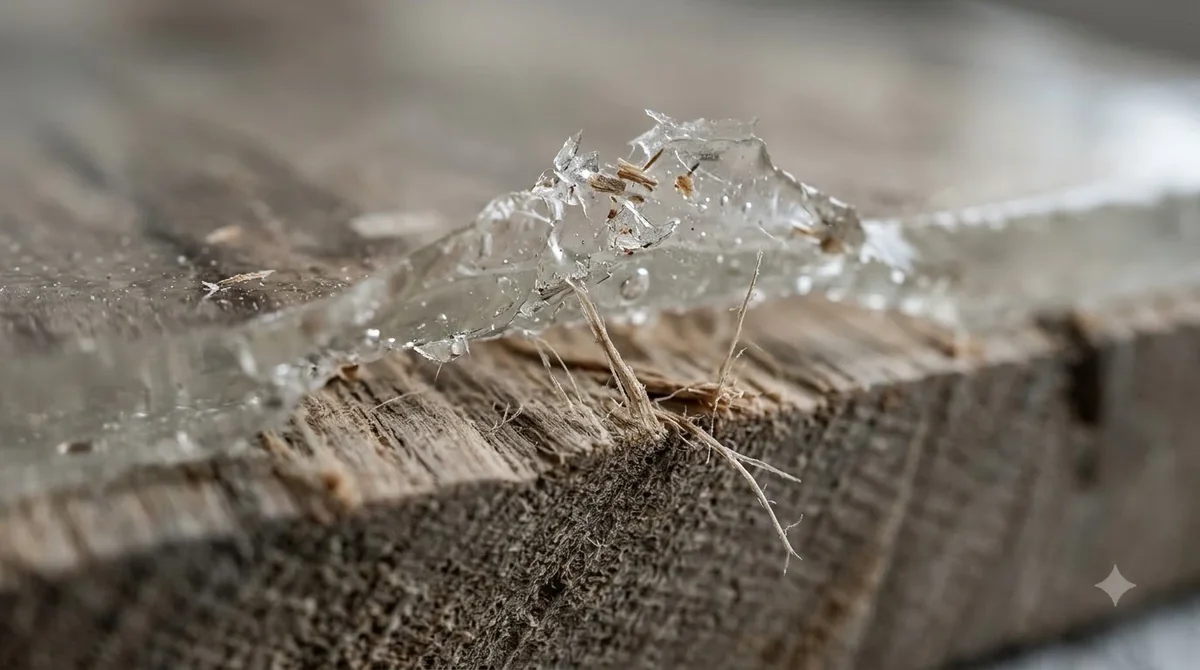
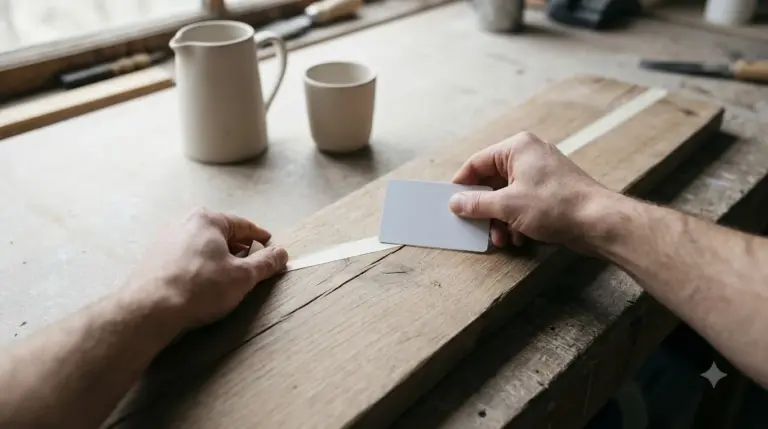
Creto describes its penetrating sealer as fully cured within a day or two, and says a floor coating can then go on top. Other sealers may reject a topcoat, so confirm compatibility. Before you mix epoxy, press a strip of tape firmly on the sealed area and pull it off. If the sealer lifts, the surface is not ready.
Tip: Do a small test patch in a hidden corner. Let it cure on the same schedule as the full floor, then check adhesion before you commit the whole area.
Common Seal Coat Mistakes and How to Fix Them
Most failures trace back to moisture, contamination or a sealer that does not match the epoxy system. Fixing the cause is faster than patching the symptom, so match the problem to its likely source before you recoat.
| Symptom | Likely cause | Fix |
|---|---|---|
| Bubbles or blisters | Moisture vapor or trapped air | Retest moisture, allow longer drying, and use an approved primer |
| Peeling or flaking | Sealer or dust blocking adhesion | Strip the sealer or regrind to a CSP-2 to CSP-3 profile |
| Milky white haze | Moisture coming through the slab | Confirm dryness and follow the maker’s moisture guidance |
| Lines over joints | Unrepaired control joints | Repair joints before sealing and coating |
Another common mistake is applying a sealer because it looks like a primer. Ninja Coatings states that most concrete sealers are not formulated as a bonding layer for epoxy. If your epoxy manufacturer does not list a sealer, ask for a written recommendation before you use one. For a broader look at materials that bond to tricky surfaces, see Surfaces & Materials.
Frequently Asked Questions
Can you put epoxy directly over concrete sealer?
Usually not, unless the epoxy maker approves that specific sealer. Ninja Coatings says a standard sealer can prevent adhesion and lead to delamination. Check the epoxy data sheet and ask for a written compatibility answer.
Do I need to grind or acid etch concrete before epoxy?
You need a profile that feels rough rather than smooth. Grinding gives a more consistent CSP-2 to CSP-3 texture, while acid etching typically reaches up to CSP-2. Etching does not work on sealed or painted floors, so those usually need grinding.
How do I test concrete for moisture before epoxy?
Tape a plastic sheet to the floor and check for condensation after 24 to 48 hours. Barrow Mix suggests a target moisture content of 5 percent or less for painted concrete. If you see condensation, wait longer and retest before coating.
What sealer works under epoxy on garage floors?
Creto describes its Deep Penetrating Sealer as non-hydrophobic, so a topcoat can go over it after full cure. Barrow Mix lists several sealers for painted surfaces, but compatibility depends on your specific epoxy. Always confirm with the epoxy maker before you buy.
A careful prep sequence is the best protection for a new epoxy floor. Clean and profile the slab, test for moisture, and follow the epoxy maker’s sealer instructions before you mix resin. Once the surface passes those checks, the coating has a much better chance of bonding for years.
More in Surfaces & Materials
 Can You Epoxy Over Wallpaper? The Prep Steps That Help It StickUpdated Nov 26, 2026
 Can You Epoxy Over Tile? Prep Steps That Help It BondUpdated Nov 26, 2026
 Can You Epoxy Over Laminate? Prep Steps and Limits for DIY SuccessUpdated Nov 26, 2026
 How to Seal Wood Before Epoxy for a Bubble-Free, Even FinishUpdated Nov 26, 2026
 Can You Epoxy Over Granite Countertops? Prep, Adhesion and Heat LimitsUpdated Nov 26, 2026
 Can You Epoxy Over Painted Wood? When It Works and How to Prep ItUpdated Nov 26, 2026