

We may earn a commission when you buy through links on this page, at no extra cost to you. Learn more.
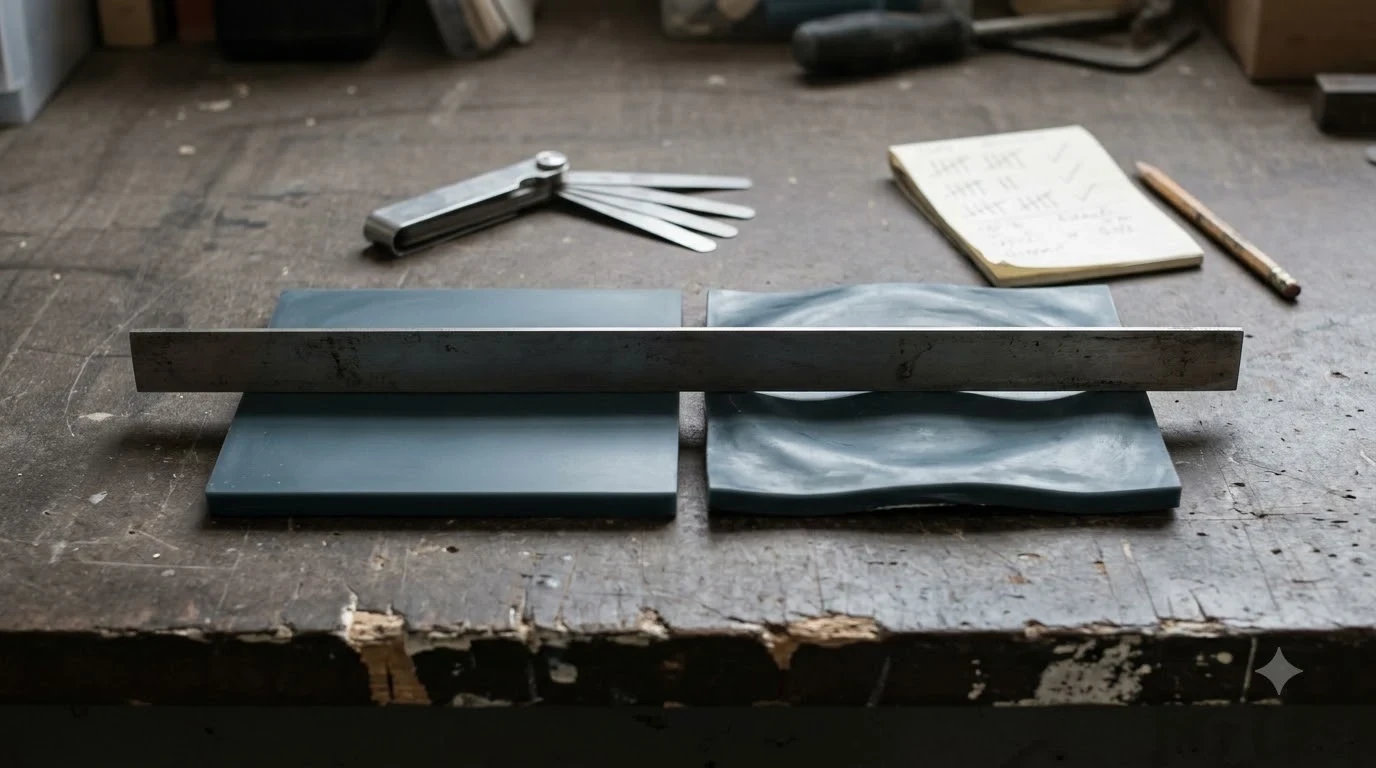
Can you epoxy over tile? Yes, when the tiles are firmly bonded, clean, dry, and roughened, but ordinary epoxy does not reliably grip glossy glaze on its own. According to Paradigm Concrete Finishes, epoxy over tile generally cures in 24-72 hours, and you should wait at least 24 hours before walking on it. SaniGLAZE advises that any area with more than 10-15% loose tiles should be evaluated for full replacement instead of coating. Real World Epoxies notes that hiding grout lines can take up to 5 mm of leveling material.
This guide explains which tile types can take epoxy, how to check whether tiles are loose, and what preparation makes the bond hold. It also covers when pulling the tile up is the smarter move. Read it before you buy materials, because most failures start before the first coat goes on. Whether you can epoxy over tile in your own room depends on the tile’s condition, so start with the checks below.
Does Epoxy Stick to Tile?
Epoxy can stick to tile, but it bonds to the tile surface and the tile bond to the slab, not to the glaze alone. Smooth glazed tile and sealed tile give the coating little to grip, so the surface must be roughened first.
Epoxy Flooring Co. says standard epoxy will not stay put on tile by itself, so it applies a bonding membrane first. That membrane is described as guaranteed to stick to tile, and the company says it cures in about 8 hours before the full coating goes on. Not every installer uses the same system, so check the product data sheet for the exact cure window and recoat times.
The tile type also matters. Paradigm Concrete Finishes says ceramic and porcelain generally bond better than natural stone or glass, and it recommends a test patch before committing to the whole floor.
Why Glazed Tile Is Hard for Epoxy to Grip
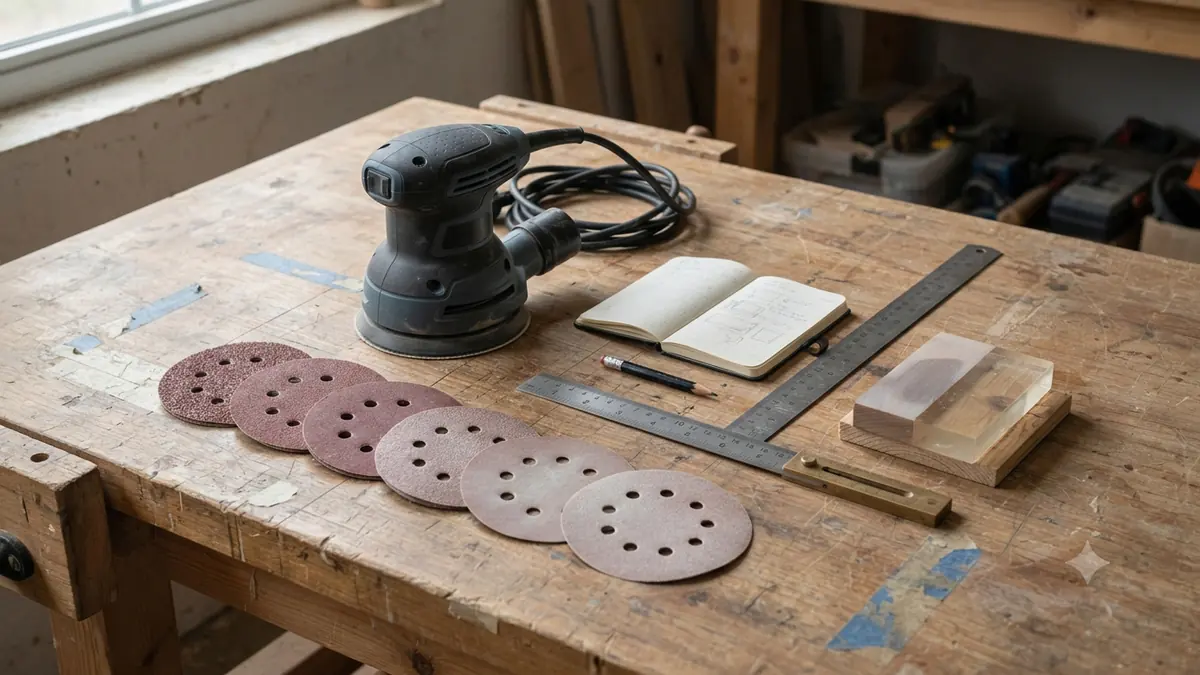
Glazed tile is hard for epoxy because the glaze is glassy and smooth, which leaves the primer or coating little texture to hold. Epoxy bonds mechanically by gripping a clean, rough surface, so a slick face works against it.
Real World Epoxies says glazed tiles need grinding to remove the gloss before coating. Vitrified tile is dense and hard all the way through, so grinding alone may not give a strong bond. That tile usually needs a specialist primer made for dense tile.
Sealers cause the same problem. Real World Epoxies notes that a sealer can make unglazed terracotta look glossy, and that sealed tile often needs grinding too. Southside Concrete Polishing lists quarry tile as workable if it is sound and degreased, but it warns that grease held in the grout is a common failure point.
| Tile type | Can it take epoxy? | Preparation needed | Main risk |
|---|---|---|---|
| Glazed ceramic | Yes | Grind or sand off the glaze, then apply a bonding primer | Adhesion loss over leftover glaze |
| Porcelain (vitrified) | Yes, with a specialist primer | Grind, then use a primer rated for dense tile | Grinding alone may leave too little profile |
| Quarry tile | Yes, if sound and degreased | Degrease, grind, and clean or remove contaminated grout | Grease and oil held in the grout |
| Vinyl composition tile | Limited | Light sanding only after asbestos testing confirms it is safe to sand | Flexing tile and moisture from the slab |
Tip: Check the tile type before you buy anything. A glazed bathroom tile and a quarry tile in a kitchen need different primers and different prep steps. You may also find Can You Epoxy Over Stain useful.
Tools and Materials You Need
You need a sound tile floor, the right abrasion tools, a cleaner that removes grease, and a primer rated for your tile type. Most of the failures reported in the sources trace back to skipping one of these items.
Use the table below as a checklist. Confirm each product against the manufacturer’s data sheet, since cure times and coverage differ between systems.
| Item | Why you need it |
|---|---|
| Hard-tap test tool, such as a wood mallet or rubber-handled hammer | Finds hollow, drummy tiles that will lift under the coating |
| Degreaser and solvent such as acetone | Removes oil, soap, and residue from the tile and grout |
| Grinder or sander with appropriate abrasive | Removes gloss and opens a profile for the primer |
| Bonding primer or membrane matched to the tile | Gives the epoxy a surface it can grip |
| Grout filler or leveling compound | Hides joints and reduces grout ghosting if you want a flat finish |
| Nitrile gloves, eye protection, and ventilation or a respirator | Protects you during grinding, mixing, and solvent use |
How to Epoxy Over Tile Step by Step
Follow the steps in order, because each one depends on the one before it. Skipping the tap test or the degreasing step is the most common reason a coating fails within months.
- Tap every tile. Mark any tile that sounds hollow. Real World Epoxies says more than a few loose tiles points toward removal.
- Repair or replace damaged tiles. Paradigm Concrete Finishes advises replacing cracked or damaged tiles before coating.
- Degrease the tile and grout. Clean with a solvent such as acetone and let the surface dry fully.
- Remove the glaze. Grind or sand glazed and sealed tile until the gloss is gone and the surface feels slightly rough.
- Fill or prime the grout. Real World Epoxies notes that hiding grout lines can take up to 5 mm of material, so plan for extra product.
- Vacuum and wipe the dust. Dust left behind keeps the primer from bonding.
- Apply the bonding primer. Southside Concrete Polishing says one primer needs 24 hours to cure at 77°F and 50% relative humidity, so read your own product’s numbers.
- Mix and apply the epoxy. Measure the resin and hardener exactly as the data sheet states, then spread a thin, even coat.
- Allow full cure. Expect 24-72 hours before walking on the surface, and longer before heavy loads.
Safety: Wear nitrile gloves and eye protection, and ventilate the room while mixing and using solvents. Check the product’s safety data sheet for respirator requirements, especially during grinding. A related explanation is in Epoxy Over Tile Countertop.
Common Mistakes and Troubleshooting
Most failed tile coatings come from a few repeat errors. The good news is that each one has a clear fix if you catch it early.
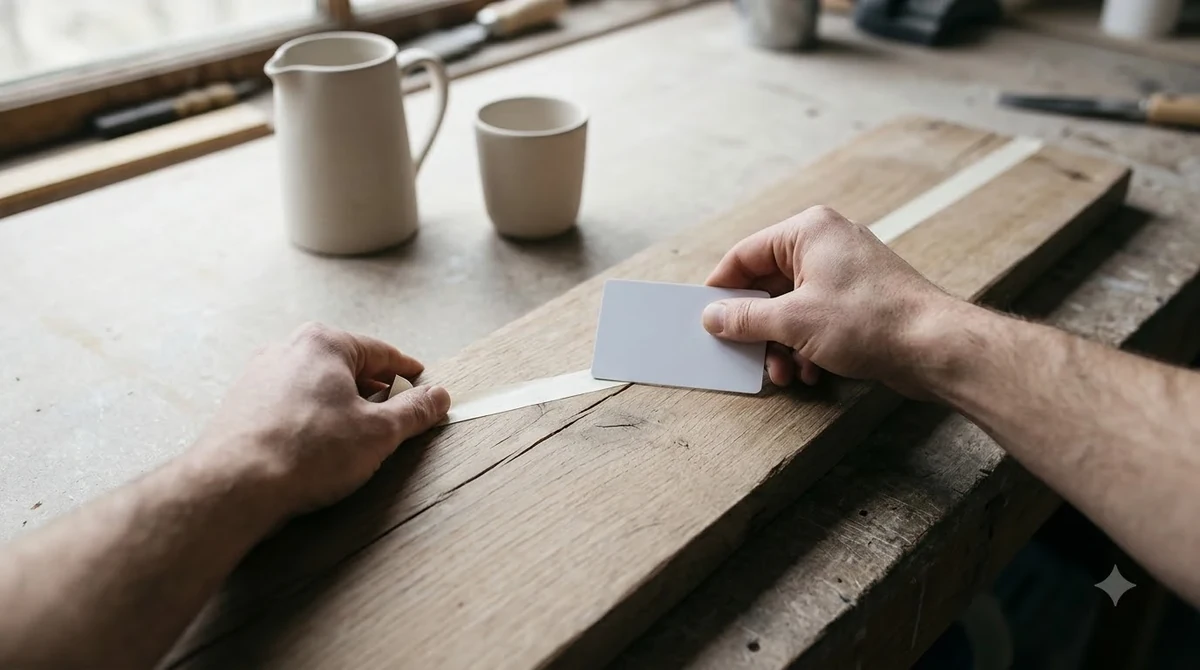
The first mistake is coating over loose tile. Epoxy will crack or lift along with the tile, so a hollow tile needs to be re-bonded or replaced first. The second is skipping degreasing, since grease in the grout blocks adhesion even after grinding.
The third mistake is grinding too little. Real World Epoxies warns that vitrified tile may need a specialist primer because gloss removal alone is not always enough. If peeling appears, the bond was usually never made at the tile face.
The fourth mistake is ignoring grout ghosting. Some levelers expand and contract at a different rate from tile, so grout lines can return. Choose a leveler matched to your system and ask the supplier about its movement behavior.
When to Remove Tile Instead
Remove the tile when many tiles are loose, when the grout is heavily contaminated, or when the added height would cause problems. Coating over a failing floor only hides the failure for a while.
SaniGLAZE says more than 10-15% loose tiles should be evaluated for full replacement, and it says grout deterioration above 30% of the surface area typically favors replacing the tile and grout. It also says moisture above the manufacturer’s limits calls for a vapor barrier before coating. Real World Epoxies adds that tile and leveler together can add over 15 mm to floor height, while an epoxy coat adds only about 1 mm. That height change can leave gaps at doors and under baseboards.
For the next step after this check, see Can Epoxy Be Used Outside.
Removal has its own risks. Real World Epoxies says the glue and leveler under tile can be stubborn to remove and can damage the subfloor. For a deeper look at how the coating compares with the tile itself, read the Real World Epoxies guide to epoxy over tiles, which covers adhesion, flatness, and removal decisions in detail.
Frequently Asked Questions
Can you put epoxy over bathroom or shower tile?
A bathroom floor can take epoxy if the tiles are fully bonded, degreased, roughened, and the grout is filled. ArmorGarage does not recommend its tile coating for sinks, tubs, or shower areas with continuous or hot water. Check your coating’s data sheet before using it in any wet area.
How do you test whether floor tiles are loose before coating?
Tap each tile firmly with a hard object and listen for a hollow sound, which installers call drummy. Mark every tile that sounds hollow or moves when pressed. If more than a few tiles fail, Real World Epoxies recommends removal instead of coating.
How long does epoxy over tile take to cure before you can walk on it?
Paradigm Concrete Finishes says epoxy over tile generally cures in 24-72 hours, and it advises waiting at least 24 hours before walking on the surface. The exact time depends on humidity, temperature, and the product. Heavy objects should wait for the full cure the data sheet describes.
Is it safe to grind old vinyl tile before epoxying over it?
Do not grind older vinyl tile or black mastic until an accredited lab confirms it is free of asbestos. The EPA advises against sanding or leveling asbestos flooring or its backing. If the test is positive, ask a licensed contractor about options that do not disturb the material.
If you are weighing coatings on other floor types, the Surfaces & Materials guides explain how each base behaves. You can also compare how a coating holds over epoxy over painted surfaces or a coating over polyurethane. Test a small patch first, and let the tile’s condition decide whether to coat or remove.
More in Surfaces & Materials
 Can You Epoxy Over Wallpaper? The Prep Steps That Help It StickUpdated Nov 26, 2026
 Can You Epoxy Over Laminate? Prep Steps and Limits for DIY SuccessUpdated Nov 26, 2026
 How to Seal Wood Before Epoxy for a Bubble-Free, Even FinishUpdated Nov 26, 2026
 Can You Epoxy Over Granite Countertops? Prep, Adhesion and Heat LimitsUpdated Nov 26, 2026
 Can You Epoxy Over Painted Wood? When It Works and How to Prep ItUpdated Nov 26, 2026
 Can You Epoxy Over Acrylic Paint? Prep Steps That Prevent LiftingUpdated Nov 26, 2026