

We may earn a commission when you buy through links on this page, at no extra cost to you. Learn more.
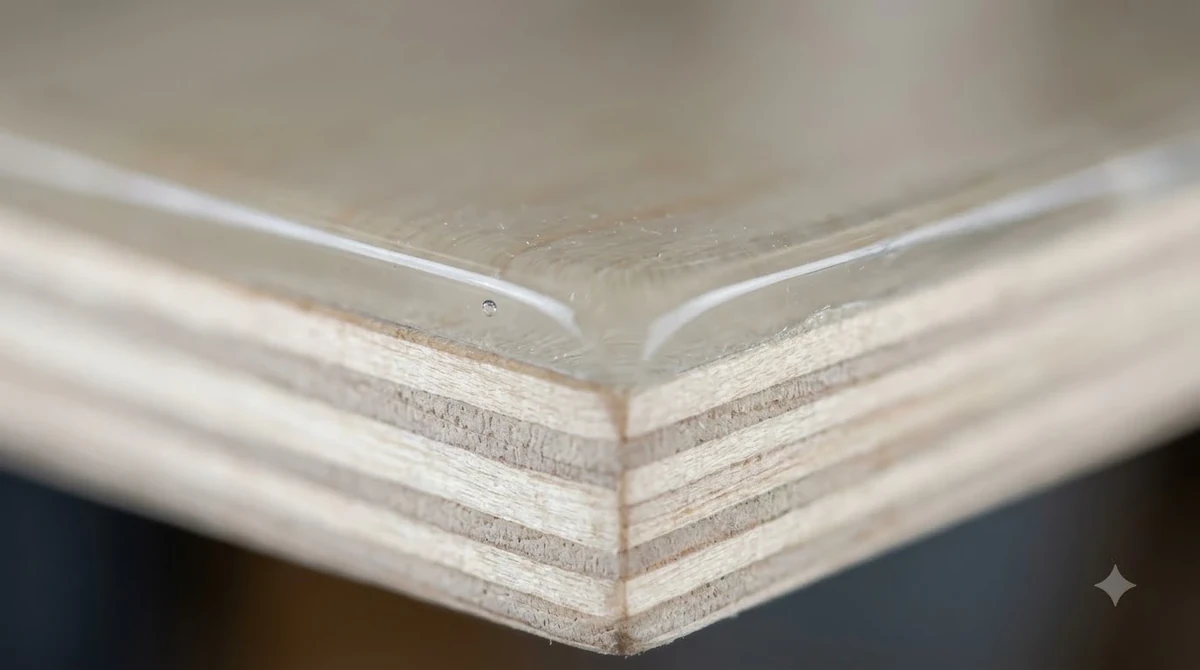
Can you epoxy over granite? Yes, but only after cleaning the stone and sealing its pores with a skim coat. Granite is a porous substrate, so a flood pour without a skim coat can soak up resin and trap air bubbles. According to one countertop epoxy maker, a skim coat for an average 40 to 50 square foot top usually takes less than a quart of epoxy. The skim coat must cure at least 6 hours and be no longer tacky before the flood pour goes on.
Granite is one of the most common surfaces people want to coat or repair with epoxy, whether it is a worn countertop, a cracked edge or a floor tile. The answer depends on the job. A decorative coating, a chip repair and a bonded seam each call for a different product and a different prep routine. This guide explains how epoxy behaves on granite, how to prepare the surface, which type of epoxy fits each job, and when another coating is the better choice.
What Happens When Epoxy Meets Granite
Epoxy bonds to granite well when the surface is clean, dry and slightly roughened. The main risk is that granite is porous, so the resin can sink in unevenly and leave bubbles or dull patches. Sealing the stone first gives the epoxy a uniform base to grip.
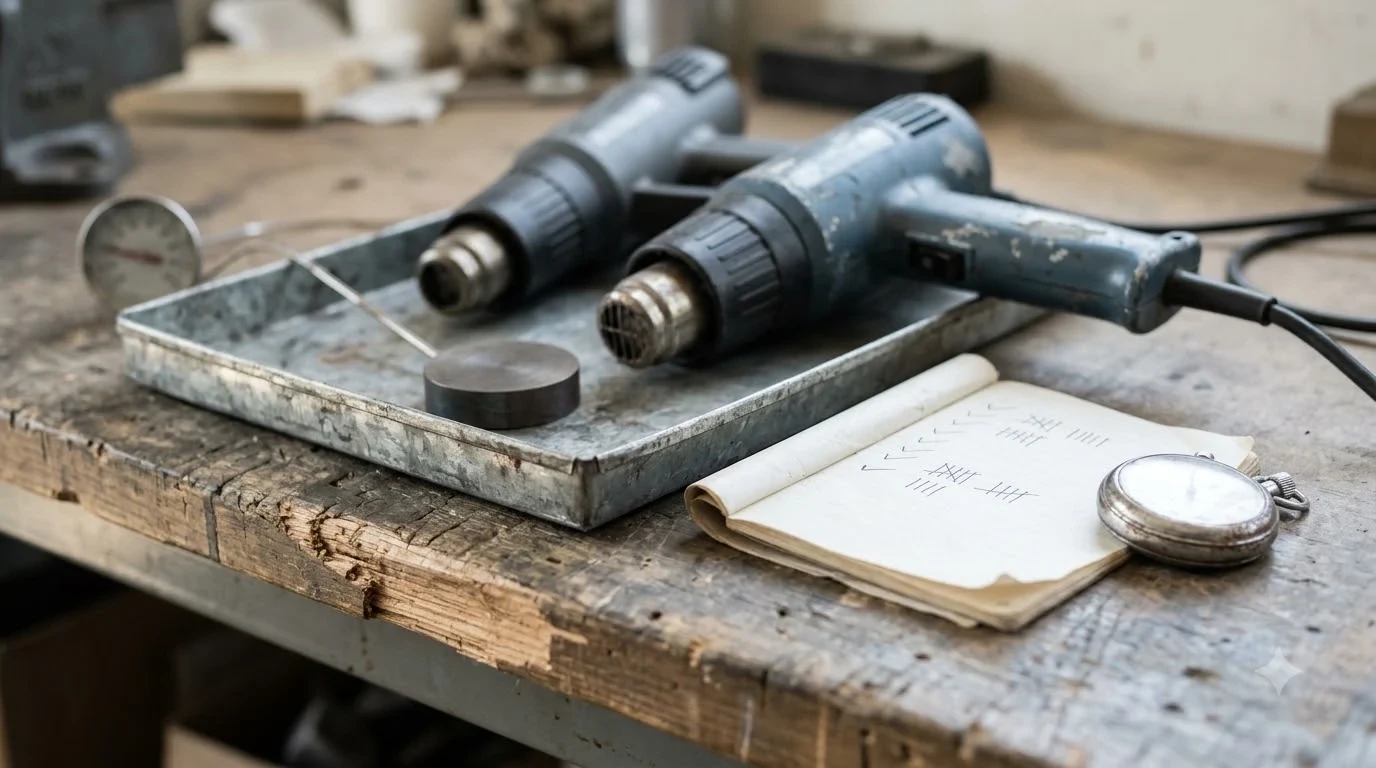
Hardness is another difference you should understand before you start. Granite scores 6 to 7 on the Mohs hardness scale, while cured epoxy resins typically fall between 2 and 4. That means a cured epoxy surface can scratch from knives, grit and abrasive pads far more easily than the stone underneath it.
Key Facts for Epoxy on Granite
Granite and epoxy behave very differently under heat, wear and cure conditions. The table below compares the most useful numbers from the sources you should check before you buy materials.
| Factor | Granite | Cured epoxy |
|---|---|---|
| Mohs hardness | 6 to 7 | 2 to 4 (typical) |
| Heat from hot cookware | Generally handles it | Can soften around 120 to 150°F |
| Porosity | Porous, needs sealing before coating | Film that is non-porous once cured |
| Typical recoat interval | Lasts with proper sealing | Often every 5 to 10 years |
| Repair epoxy working time | About 5 to 25 minutes | Varies by product |
| Full cure for stone repair epoxy | About 24 hours | Do not stress the joint during this time |
Tip: Check the technical data sheet for your exact product. Working time, handling time and full cure vary by formula, so the label controls your schedule. A related explanation is in Can You Epoxy Over Marble.
Surface Preparation: Cleaning, Degreasing and Scuffing
Preparation decides whether the epoxy bonds or peels. Start by removing dust, grime, wax and any oil or silicone residue. Residue left behind can cause fish eyes, divots and areas where the resin will not flow or adhere.
For a coating project, the recommended cleaner is 91% isopropyl alcohol. For a stone repair, many repair guides instead call for acetone or denatured alcohol. Let the surface dry for 5 to 10 minutes after solvent cleaning before you apply any resin.
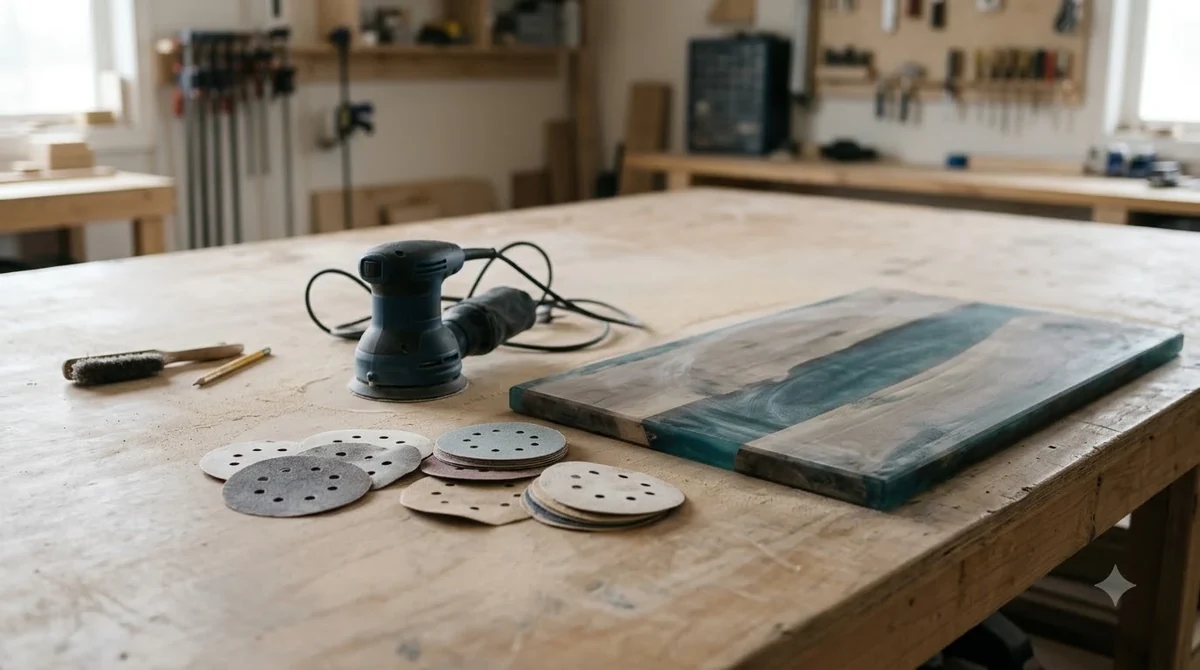
Next, seal the granite with a skim coat. Brush or squeegee a very thin layer across the whole surface, then let it cure at least 6 hours until it is no longer tacky. Porous stone may need a second or third skim coat before the flood pour. Sanding is optional. Lightly scuffing with 220 to 320 grit paper can help adhesion, especially over an older sealer. For polished edges on a repair, a rough pass with 80 grit paper gives the epoxy something to grip.
Priming is usually unnecessary on countertops. The exception is a vertical edge when the base color is very different from the stone. In that case, the primed edge must dry completely before you pour. Some stone repair guides suggest priming granite before a liquid epoxy repair, so follow the product instructions for the job at hand. For more on preparing a different surface, see can you epoxy over paint.
Choosing the Right Epoxy for Stone Surfaces
Choose the epoxy type by the job, not by the stone color. A coating over an entire top needs a flood-pour system. A chip or crack needs a repair epoxy that fits the orientation of the damage. Two repair types dominate stone work.
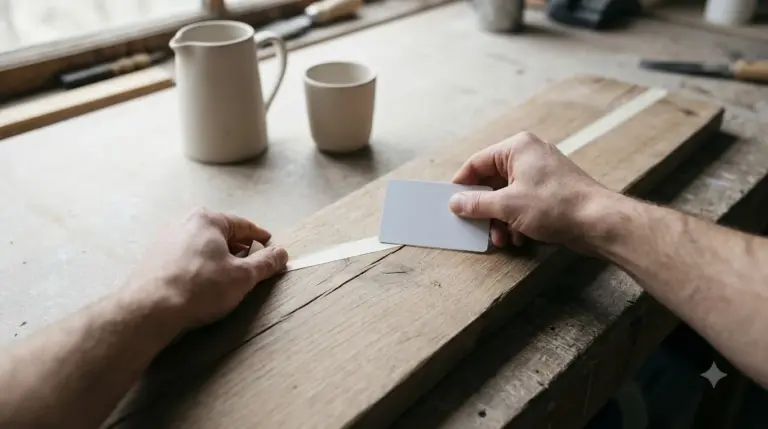
Two-part epoxy putty is moldable and holds its shape on vertical edges and overhead repairs. It will not sag, but it usually needs sanding and polishing to blend. Liquid epoxy resin is self-leveling, which suits hairline cracks and flat seams. It can run on vertical faces, so use masking tape to contain it. Knife-grade epoxy is thick enough to stay put on edges, while flowing epoxy works better in narrow horizontal gaps.
Filler choice matters for appearance. Repair epoxies may include aluminum powder, quartz granules, marble dust or silica to match the stone and reduce shrinkage. Pigments can help you match the veining. For bonding two stone pieces, the manufacturer may specify a mix ratio such as 1:1 by volume, and a published bond strength above 3,000 PSI for professional stone epoxies. Confirm both figures on the product label before you mix. Epoxy Over Granite Countertops explains a closely connected part of this problem.
Common Mistakes, Heat Limits and Safety Basics
Most failed granite epoxy jobs trace back to skipped prep, wrong temperature or rushed curing. Work with the stone clean and dry, and keep the room between 60°F and 80°F when the product calls for that range. Do not stress a repaired joint for the full 24-hour cure.
Heat is the biggest limit for coatings. Do not set hot pans directly on an epoxy surface, because the resin can whiten, soften or delaminate. Trivets solve most of that risk. Avoid placing epoxy where direct sun hits it for long periods, since clear or light epoxy can yellow over time.
Safety: Wear nitrile gloves, work in a ventilated room and read the product safety data sheet before mixing. Keep dust and open flames away from the work area.
When to Choose a Different Coating
Epoxy is not always the best answer for granite. If you need a surface that stands up to hot cookware every day, a natural stone sealer or a different countertop material may suit you better. A coating that is recoated every 5 to 10 years can be a temporary fix for a busy kitchen. For a wider view of the same system, see Can You Epoxy Over Concrete.
Tile tops and grout lines call for their own prep, so compare your options with can you epoxy over tile before deciding. For a deeper look at how stone and other materials compare, review the countertop epoxy surface preparation guide, which covers skim coats and substrate types in detail.
Frequently Asked Questions
Can you epoxy over granite countertops without removing them?
Yes, many people coat granite in place. The counter must be clean, free of grease and sealed with a skim coat before the flood pour. Cut-outs and sink edges need extra masking.
Do you need to sand granite before applying epoxy?
Sanding is not strictly required, but light scuffing with 220 to 320 grit paper can improve adhesion. It matters most when an old sealer is present. Clean off all dust before you apply resin.
Is epoxy coating on granite heat resistant enough for a kitchen?
Not for hot cookware. Epoxy systems can soften around 120 to 150°F, while granite tolerates pots and pans. Use trivets and keep hot items off the coated surface.
Is epoxy on granite food safe?
Check the manufacturer’s data for food-contact rating before you use the surface for food prep. The FDA has noted that BPA appeared in some hard plastics and cans, and many suppliers now sell BPA-free formulas. Confirm the exact product.
Before you buy materials, confirm the product type, cure times and heat limits on its data sheet. For more background on stone-related projects, visit the Surfaces & Materials section and plan your prep around the specific job you have.
More in Surfaces & Materials
 Can You Epoxy Over Wallpaper? The Prep Steps That Help It StickUpdated Nov 26, 2026
 Can You Epoxy Over Tile? Prep Steps That Help It BondUpdated Nov 26, 2026
 Can You Epoxy Over Laminate? Prep Steps and Limits for DIY SuccessUpdated Nov 26, 2026
 How to Seal Wood Before Epoxy for a Bubble-Free, Even FinishUpdated Nov 26, 2026
 Can You Epoxy Over Painted Wood? When It Works and How to Prep ItUpdated Nov 26, 2026
 Can You Epoxy Over Acrylic Paint? Prep Steps That Prevent LiftingUpdated Nov 26, 2026