

We may earn a commission when you buy through links on this page, at no extra cost to you. Learn more.
How much does epoxy cost depends mostly on the product type, the square footage, and whether you install it yourself. According to This Old House, water-based epoxy is the least expensive type per gallon, while solid epoxy costs the most. A gallon covers about 160 square feet at a 10 mm pour thickness, so a 360 square foot two-car garage needs about 2.25 gallons before any buffer. Use the comparisons below to build a realistic budget.
This guide turns per-gallon pricing into a project budget you can actually use. It covers product tiers, coverage math, the labor and prep costs that drive professional quotes, and the add-ons that raise the total. Check every figure against current quotes from suppliers and installers before you commit.
Epoxy Resin Price Per Gallon by Type
The type of epoxy you choose sets the starting point for your budget. Water-based, solvent-based, and solid epoxy fall into three clear tiers, and the gap between the lowest and highest tier is wide. For gallon-level comparisons, you can also read our guide on how much a gallon of epoxy resin costs.
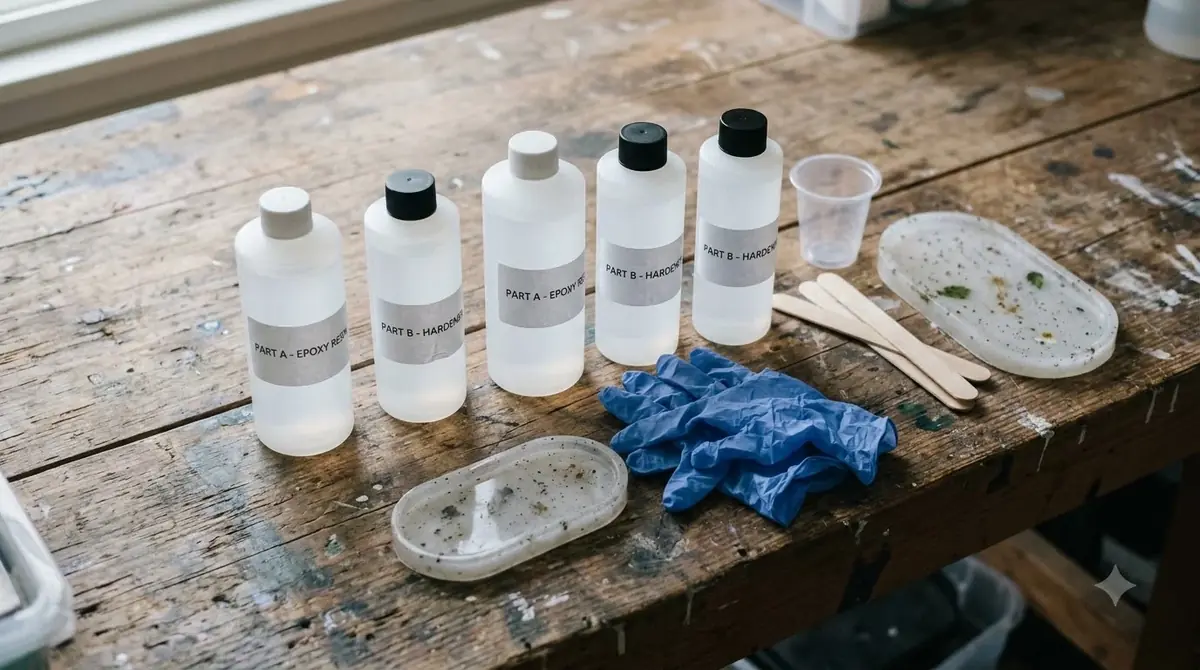
This Old House groups epoxy floor products into those three types and compares them by cost and durability. Water-based is the least expensive and the least durable. Solvent-based sits in the middle, and solid epoxy is the most expensive but offers the highest resistance to heat, chemicals, and scratches. The This Old House epoxy flooring cost guide has the full type-by-type comparison.
| Epoxy type | Relative cost per gallon | Durability noted by sources | Typical use |
|---|---|---|---|
| Water-based | Lowest tier | Reapplication every 1 to 3 years | Light use and DIY projects |
| Solvent-based | Middle tier | Can last up to 20 years | High-moisture areas and temperature extremes |
| Solid | Highest tier | Can last up to 20 years | Heavy-use floors, usually professionally installed |
A low gallon price does not always mean a low project cost. A cheaper product that needs reapplication will add materials and labor over the years. Compare the expected lifespan next to the upfront cost before you choose.
Safety: Solvent-based products are flammable during application, and some types give off volatile organic compounds. Wear nitrile gloves, ventilate the room, and read the product safety data sheet before you start.
Epoxy Coverage Calculator and Quantity Estimates
Start with the floor area, then divide by the coverage per gallon at your pour thickness. That number tells you how much product to buy before you add any buffer.
Use this simple formula: gallons needed equals floor area in square feet divided by square feet covered per gallon. At a 10 mm pour, one gallon covers about 160 square feet, according to This Old House. Thicker pours cover less area, so a deeper coat means more gallons for the same floor. Check the manufacturer’s coverage chart for your exact product, because thickness changes the math.
| Space | Square feet | Gallons at 10 mm coverage |
|---|---|---|
| 1-car garage | 240 | 1.5 |
| 2-car garage | 360 | 2.25 |
| 3-car garage | 560 | 3.5 |
These figures are straight division, not a recommendation to buy exactly that amount. Most people round up, because running short mid-pour is harder to fix than buying one extra gallon. Ask the supplier whether the kit includes primer or topcoat, since those layers can change how much you need. For other sizing tools, see our calculators and coverage charts.
Why Is Epoxy So Expensive for Floors?
Epoxy looks costly per gallon, but resin is only part of a professional bill. Labor and floor preparation usually account for more of the total than the coating itself.
EpoxyMatch reports that on a typical professional install, labor makes up 45 to 60% of the cost, floor prep 15 to 25%, materials 20 to 35%, and overhead and warranty 5 to 10%. The same guide says prep decides whether a floor lasts. You can read their breakdown in the EpoxyMatch epoxy flooring cost guide.
Surface work adds to the total. According to This Old House, concrete generally needs to be at least 60 days old or unsealed for epoxy to bond. Floors that already have a coating usually need diamond grinding, and grinder rental is typically part of that job. Patching chips and small cracks is usually the lowest-cost repair, while resurfacing is priced per square foot.
DIY changes the math. Materials from a big-box kit are a small share of a professional quote, but your own time and any equipment rental still count. EpoxyMatch notes that pricing can vary 30 to 50% between contractors in the same city, so comparing quotes matters as much as comparing products.
How Much Does Metallic and Decorative Epoxy Add?
Decorative finishes move the budget up, and metallic sits at the top of the residential range. Metallic, flake, and quartz systems need extra materials and application steps, so they cost more than solid color.
Elite Floor Coatings says metallic epoxy costs more than most types and suits indoor floors with foot traffic. According to This Old House, decorative flakes, metallic pigments, and sealed-in rock are optional upgrades that raise the price. Expect to add 20% to 30% to the final price for high-grade epoxy coatings. Epoxyshine lists quartz epoxy with a lifespan of 15 to 20 years, while solid color and flake last 10 to 15 years.
Tip: Ask every bidder whether the quote includes the topcoat and what type it is. ArmorGarage notes that the topcoat is one of the biggest factors in long-term durability, so compare that line item carefully.
How Much Does Resin Art Cost to Make?
Resin art costs depend on how much resin you pour, what you add to it, and how deep each pour goes. Materials drive the price, so a larger or more heavily decorated piece costs more to make.
Most sources on epoxy pricing cover floors rather than craft pieces, so treat the numbers in this guide as a way to understand the cost factors. The main line items are resin volume, pigments, flakes, and any objects you seal inside, such as river rock or stones. Decorative flakes are sold by weight, and rock epoxy is sold by the gallon, so specialty additives can add cost quickly.
Is resin art expensive? It can be, especially for large or heavily decorated pieces. Small clear pours are the least costly way to start. Small craft projects often use a different product, so compare options in our guide on how much does UV resin cost. Check the product’s technical data sheet for the maximum pour depth before you commit to a thick piece.
Safety: Wear nitrile gloves and work in a ventilated space. Follow the safety data sheet for the specific resin you buy.
Budget Tips to Lower Your Epoxy Project Cost
The biggest savings usually come from choosing the right type for the floor and getting the prep right the first time. Careful measuring and fewer surprise repairs can also trim the total.
Get at least three quotes, because pricing can vary widely between contractors in the same city. Ask each one what prep is included, whether diamond grinding is standard, and which system and topcoat they use. A quote far below the others often skips grinding or the topcoat.
Measure the floor carefully, use the coverage formula above, and buy with a small buffer. Confirm the concrete is at least 60 days old or unsealed before you start. Water-based kits may look like the cheapest route, but reapplication every 1 to 3 years adds up over time.
Frequently Asked Questions
How much does it cost to epoxy a two-car garage?
A 360 square foot two-car garage needs about 2.25 gallons at 10 mm coverage, according to This Old House. DIY cost is mostly materials, while professional work is usually quoted per square foot and often lands in the low thousands, according to EpoxyMatch. Ask quotes to list prep and topcoat, since those details shift the total the most.
How much does DIY epoxy flooring cost per square foot?
This Old House describes DIY epoxy as cheaper per square foot than professional installation, but the figure depends on the type you buy. Materials are only part of the job, since you also need time, cleaning supplies, and a grinder for previously coated floors. Water-based DIY kits are the cheapest upfront but typically last 2 to 5 years, according to EpoxyMatch.
Is epoxy garage flooring worth the cost?
For a garage with heavy use, the sources point to longer life from solid, solvent-based, or professionally installed systems. EpoxyMatch says a professional system lasts 10 to 20 years in a residential garage with proper prep. Compare that lifespan with how long you plan to stay in the home and how often you would reapply a DIY product.
What extra costs should I expect for epoxy floor prep and repairs?
Plan for patching chips and small cracks, which This Old House describes as the lowest-cost repair, and for resurfacing, which is quoted per square foot. Site preparation bought separately and diamond grinding on previously coated floors add to the total. EpoxyMatch also notes that high-moisture slabs may need a moisture-mitigating primer, so test the concrete first.
Build your budget in this order: count the gallons, choose the type, then add prep, topcoat, and any decorative upgrades. Ask every installer for a written quote that lists the system, the prep, and the warranty so you can compare like with like.
More in Calculators & Coverage
 How Much Deep Pour Epoxy Do I Need? Calculate Gallons and Kits From Your Mold SizeUpdated Nov 26, 2026
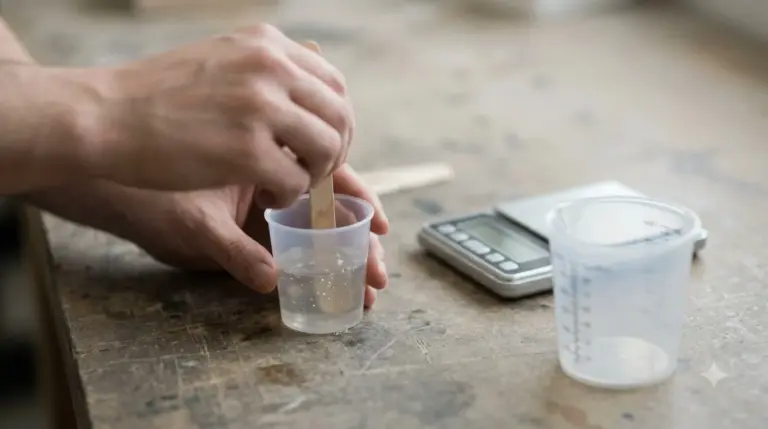 How to Measure Epoxy Resin and Hardener by Weight or VolumeUpdated Nov 26, 2026
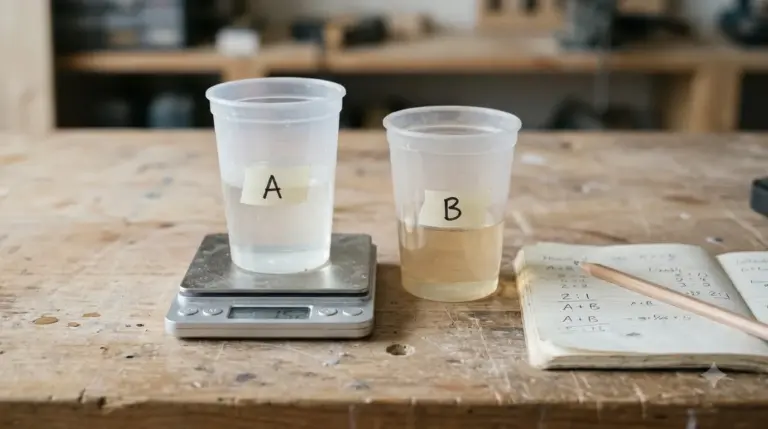 MAS Epoxies Resin Calculator: How Much Epoxy Your Project NeedsUpdated Nov 26, 2026
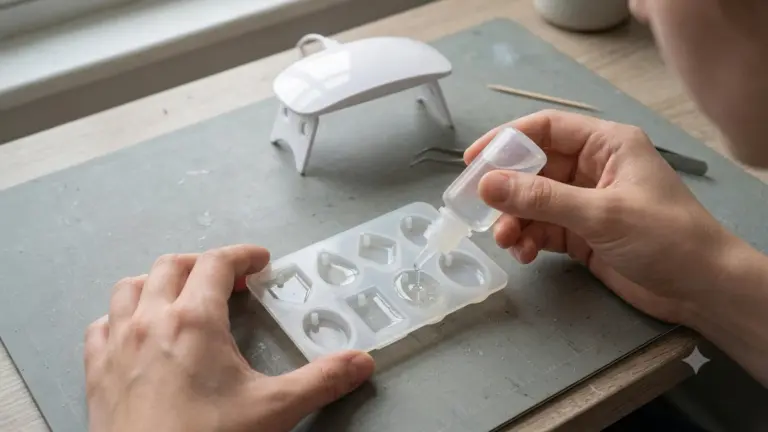 How Much Does UV Resin Cost Per Ounce and Per Project?Updated Nov 26, 2026
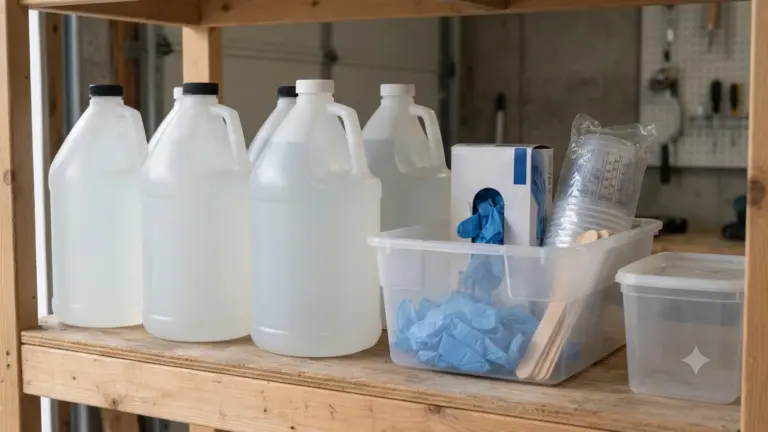 Cost of a Gallon of Epoxy Resin and How Far One Gallon GoesUpdated Nov 26, 2026
 Epoxy Calculator: How Much Resin Your Project Really NeedsUpdated Nov 26, 2026