

We may earn a commission when you buy through links on this page, at no extra cost to you. Learn more.
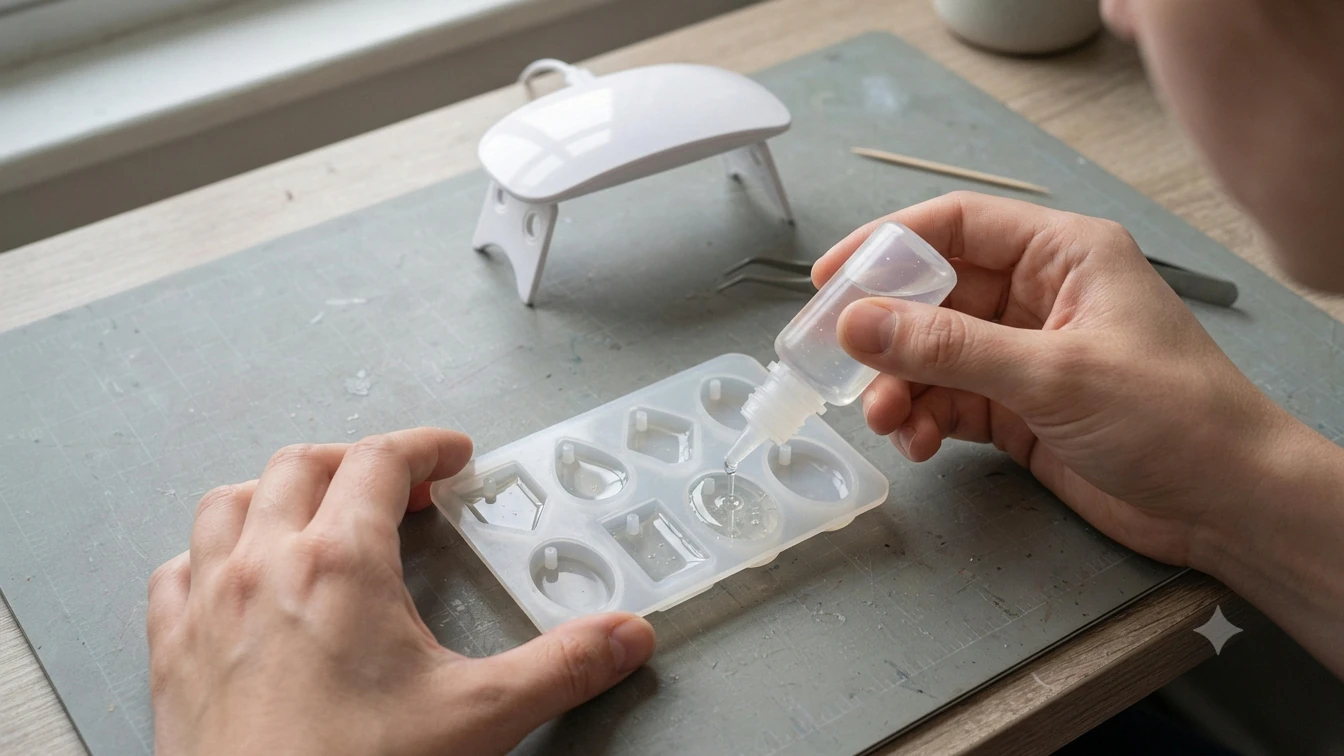
How much does UV resin cost depends on bottle size, brand and how much resin your project uses, so cost per ounce is the most useful number to compare. Bottles on the market range from about 4 ounces to 32 ounces, and a 500g bottle is roughly 17.6 ounces. Divide the listed price by the ounces on the label to get your cost per ounce. Plan for a UV lamp too, since most kits do not include one, and check the listing for the curing time and the lamp wattage it expects.
Most hobbyists ask this question before they buy their first bottle, and the honest answer is that the bottle price is only part of the total. Lamp, molds, pigments and safety gear can add to the cost of a project. This guide shows you how to work out cost per ounce, how to estimate the resin a project needs, and where the extra spending tends to come from.
What UV Resin Costs Per Ounce and Per Bottle
Cost per ounce is the fairest way to compare UV resin sizes. Bigger bottles usually bring the per-ounce figure down, but only if you will actually use the whole bottle before it ages. Pricing changes often, so read the current number on each listing rather than relying on an old figure.
The sizes sold by the brands in our sources vary a lot. Use this table to compare the bottle sizes on the market, then divide the price on the listing by the ounces to get your own number.
| Brand listing | Size listed | Approximate ounces | Cure note from the listing |
|---|---|---|---|
| Resiners UV resin | 250g | About 8.8 oz | Cures in 2-4 minutes under UV light |
| Craft Resin UV resin | 500g (five 100g bottles) | About 17.6 oz | Cures in 60-120 seconds per side with its 36W lamp |
| Mouldd UV resin kit | 6.8 oz, 13.6 oz or 20.4 oz | 6.8 to 20.4 oz | Cures in about 2 minutes under a 36 watt lamp |
| Counter Culture DIY UV resin | 4 oz, 8 oz, 16 oz or 32 oz | 4 to 32 oz | Cure time depends on your lamp |
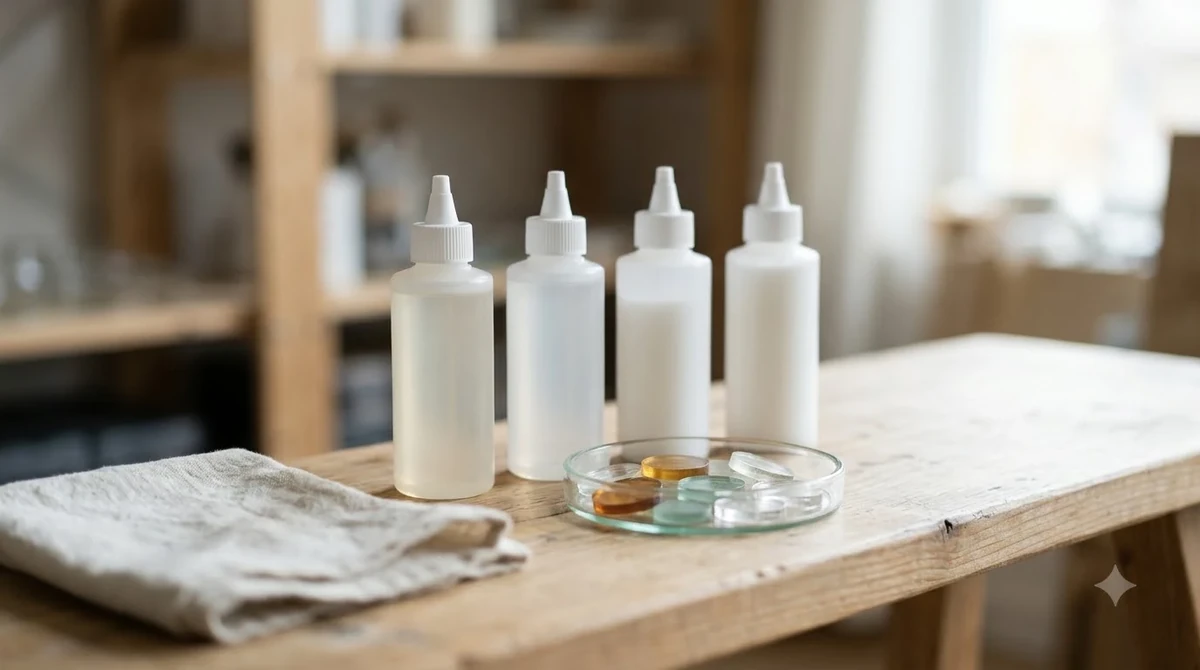
The Craft Resin 500g listing, which you can review on its product page for the 500g UV resin, says the bottle is split into five 100g bottles and carries a 12-month shelf life. That split matters if you make small pieces, because you can open one bottle at a time and keep the rest sealed. Check the shelf life on any bottle before you buy a large size.
UV Resin Price Factors: Brand, Formula, and Volume
Three things drive the price most: the brand, the formula and the total volume you buy. A clear, low-odor, fast-curing formula can cost more than a basic one, and a sealed bottle of a common size is often the lowest per-ounce option. Buying a larger bottle only saves money if you will use it within its shelf life.
Formula matters as much as size. Master Maker Crafts advises choosing resin by cure depth and working time, using deep-pour formulas for thick pieces and fast UV resin for small jewelry. If your project is thick, a UV resin will not be the cheapest route, because UV light has to reach every part of the resin.
- Volume: larger bottles often lower the per-ounce cost, but only if you finish them.
- Formula: low-odor, fast-cure or anti-yellowing claims are common and can shift the price.
- Kit contents: some kits include a pouring lid or gloves, while others are resin only.
- Shipping thresholds: several listings offer free US shipping above an order total, so check the threshold before you add items to your cart.
Brand value depends on what you make. The Mouldd kit page says its UV resin is food safe, FDA tested and VOC free, and it lists a lamp as required but not included. Those details matter for some buyers, but they do not change the cost per ounce on their own.
How to Calculate UV Resin Needed for Your Project
You can estimate resin volume before you buy by multiplying the area of your piece by its depth. Keep the layer thickness in mind, because UV resin is meant for thin layers. Counter Culture DIY recommends a 1-2 mm layer for clear resin, and says the maximum clear layer is about 3 mm in a transparent mold.
Use this simple method for each pour:
- Measure the area. For a round bezel, use the radius squared times 3.14. For a rectangle, multiply length by width, using the same units.
- Choose a depth. Use 1-2 mm for clear work and stay under about 3 mm per layer.
- Multiply. Area times depth gives volume. Convert your units to milliliters.
- Add a waste margin. Add 15 to 25 percent for spills, the cup and the last drops in the bottle.
- Convert to bottle units. Check the bottle label for grams and ounces, then compare your total with the size you plan to buy.
A worked example helps. Suppose a pendant bezel is 2 cm across and you pour a 2 mm layer. The radius is 1 cm, so the area is about 3.14 square cm, and the volume is about 0.63 mL. Add a waste margin and you still need less than one milliliter. A 500g bottle would cover many pendants at that rate, although the actual count depends on the bezel shape and the number of layers.
Tip: Build deeper pieces in separate layers, and cure each layer before you add the next one. Counter Culture DIY recommends separately cured layers for projects deeper than about 3 mm.
Cost Examples for Jewelry, Keychains, and Coasters
Project type changes the cost more than most buyers expect. Small jewelry and keychains use a few milliliters per piece, so a single bottle can last for many projects. Coasters and trays are different, because they need larger surfaces and often more layers.
The table below uses volume estimates, not prices. Multiply the volume by your cost per ounce from the listing you choose.
| Project | Typical layer | Estimated resin volume | Fit for UV resin? |
|---|---|---|---|
| Single pendant in a small bezel | 1-2 mm | Under 1 mL per pendant | Yes, a good match |
| Keychain or charm, about 3 cm across | 1-2 mm | About 1 to 2 mL | Yes, in thin layers |
| Doming decal or small flat art | 1-2 mm | A few mL | Yes, with light reaching the surface |
| Coaster, about 10 cm across | Several layers | Often well over 10 mL | Usually a poor fit |
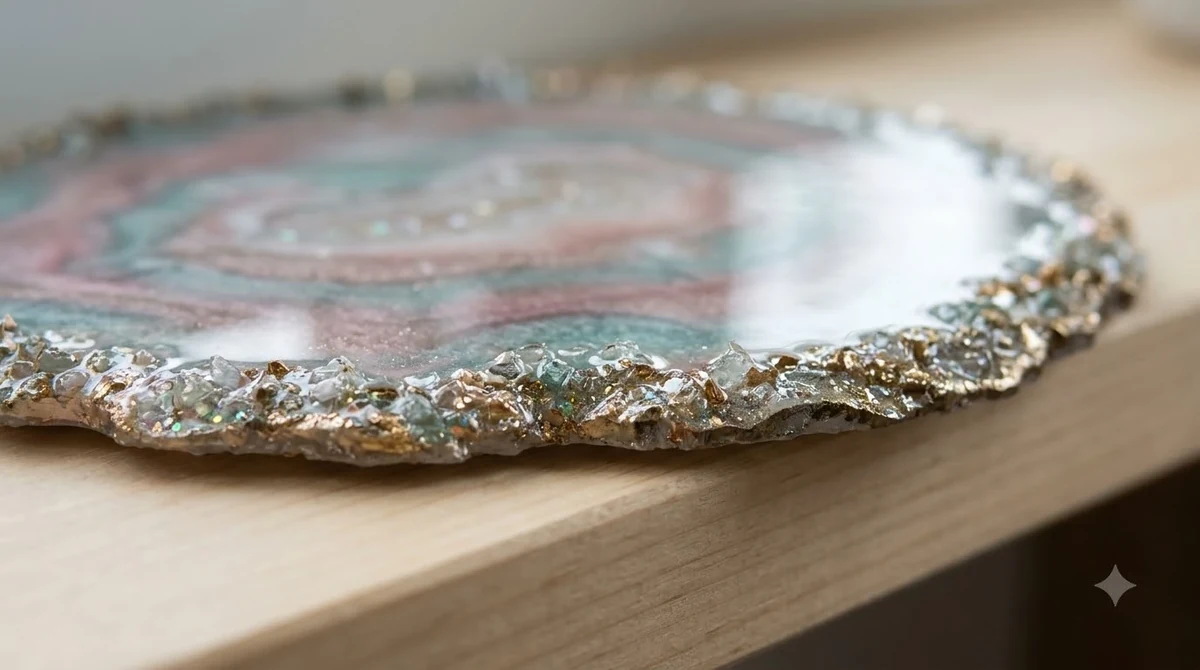
For coasters, UV resin can cost more than it should. Counter Culture DIY says UV resin is intended for small or shallow projects, and that large coatings or deeper pours call for a two-part coating or casting resin. A cheaper two-part product may be the better buy for a tabletop-size piece, so check the epoxy pricing in our epoxy cost guide before you commit.
Keychains and charms sit in the middle. They use a little resin per piece, but the pigments, glitter and lamp cost can add up faster than the resin itself. Plan for those extras when you compare bottle sizes.
Hidden Costs: UV Lamps, Molds, Pigments, and Safety Gear
The resin bottle is rarely the only item on the receipt. A UV lamp is required to cure UV resin, and the Mouldd kit page notes that its lamp is required and not included. Lamp prices vary, so check wattage and wavelength first. Craft Resin says its UV resin works with 365-405 nm lamps, and Counter Culture DIY lists cure times for 36W, 48W and 6-12W UV-LED lamps.
Curing time also depends on your lamp. Counter Culture DIY estimates 2-3 minutes under a 48W dual-lamp setup, 5-7 minutes under a compatible 36W lamp, and 6-9 minutes under a 6-12W UV-LED lamp. A weaker lamp may need more time, which can affect how many pieces you finish in a session.
- Molds: transparent silicone molds let UV light reach the resin. Opaque molds can leave uncured spots.
- Pigments and glitter: heavy color and inclusions can block light, which means thinner layers and longer cure times.
- Safety gear: nitrile gloves, a ventilated workspace and eye protection are common purchases.
- Replacement parts: pouring nozzles, cups and stir sticks wear out.
Safety: Wear gloves, work in a ventilated area and avoid skin and eye contact with uncured resin. Do not look directly into a UV lamp. Read the product SDS and label before you start.
Mouldd notes that its kit includes a pair of nitrile gloves and recommends working in a well-ventilated space. Budget for replacement gloves so you are not tempted to skip them.
Budget Tips and Mistakes That Waste Resin
Good budgeting starts with cost per ounce, not the headline bottle size. Compare listings the same way: find the price, divide by the ounces on the label, then check the shelf life and cure needs. Buy only as much as you will use before the shelf life ends.
- Calculate first. Use the formula above and add a waste margin before you order.
- Match the lamp to the listing. If the listing names a lamp, buy one that fits its wavelength and wattage.
- Store it properly. Keep bottles upright, sealed and in a cool, dark place away from sunlight.
- Test a small piece. Pour a small test in your real mold to check cure time before a full project.
- Check return terms. Counter Culture DIY offers a 30-day return policy on new and unused products, which helps if the wrong size arrives.
The biggest waste comes from pouring too thick. Layers thicker than the recommended range can stay soft, and the extra resin is lost. Mistakes like this quietly raise your real cost per piece.
Frequently Asked Questions
How much UV resin do I need for a small jewelry pendant?
Most small pendants use less than one milliliter of resin per layer when the bezel is about 2 cm across and the layer is 2 mm. Add a waste margin of 15 to 25 percent for the cup and spills. Check the bottle label for its volume in grams and ounces before you order.
Is a 250g UV resin bottle cheaper per ounce than larger bottles?
Not always. Larger bottles often lower the per-ounce figure, but a smaller bottle can be cheaper overall if you only need a small amount. Divide the listed price by the ounces on the label to compare. Also check the shelf life, since a large bottle you cannot finish may cost more in practice.
Do I need to buy a UV lamp separately with UV resin kits?
Often yes. The Mouldd kit page states that a UV lamp is required and not included. Some other sellers offer lamp bundles, so read the listing carefully. Match the lamp to the wavelength the resin lists, which Craft Resin gives as 365-405 nm.
Does UV resin cost more than epoxy resin per ounce?
It depends on the product and the size, so there is no fixed answer. UV resin is often used for small, thin pieces, while epoxy is often used for larger pours. Compare the cost per ounce on each listing, and remember that a UV lamp adds to the UV side of the total. You can compare epoxy sizes in our gallon-size epoxy pricing guide.
For more planning help, the Calculators & Coverage section explains how to estimate resin volume for different project shapes. Start with a small test, measure your mold and compare cost per ounce before you order a larger bottle.
More in Calculators & Coverage
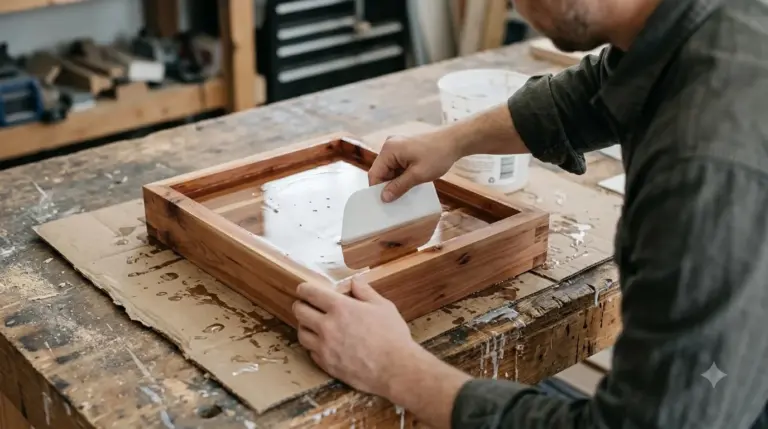 How Much Deep Pour Epoxy Do I Need? Calculate Gallons and Kits From Your Mold SizeUpdated Nov 26, 2026
 How to Measure Epoxy Resin and Hardener by Weight or VolumeUpdated Nov 26, 2026
 MAS Epoxies Resin Calculator: How Much Epoxy Your Project NeedsUpdated Nov 26, 2026
 Cost of a Gallon of Epoxy Resin and How Far One Gallon GoesUpdated Nov 26, 2026
 How Much Does Epoxy Cost? Gallon Prices and Project BudgetsUpdated Nov 26, 2026
 Epoxy Calculator: How Much Resin Your Project Really NeedsUpdated Nov 26, 2026