

We may earn a commission when you buy through links on this page, at no extra cost to you. Learn more.
Learn how to thin epoxy safely by warming the resin bottles or the wood instead of adding a solvent, and keep the epoxy at or below 35°C (about 95°F). Wessex Resins says heating keeps the original characteristics of the epoxy, while adding 5% lacquer thinner can cut compressive strength by 35%. If you still choose a solvent, the sources give ratios of 15 to 20% denatured alcohol by volume and 10:1 for acetone or lacquer thinner.
Knowing how to thin epoxy helps with brushing, rolling, and soaking into porous wood before a tabletop, river table, or mold pour. The same change in viscosity can also affect strength, moisture resistance, and cure time. This guide explains the heat method, the solvent ratios, and the warning signs that thinning has gone wrong. For more methods, see the Techniques & How-To section. If your project is a cast part, the steps in how to make silicone molds may also help.
What Thinning Epoxy Actually Does
Thinning lowers the viscosity of epoxy so it flows, spreads, and wets out more easily. Thick epoxy can trap air pockets in corners and hard-to-reach spots. A thinner mix can help it fill those areas before it gels.
Thinning is not a free change, though. Wessex Resins notes that reducing viscosity can alter the strength and moisture resistance of the cured epoxy. It also changes how long the epoxy takes to gel. Before you thin, decide whether the benefit is worth those trade-offs for your project.
Why thinning is not always needed
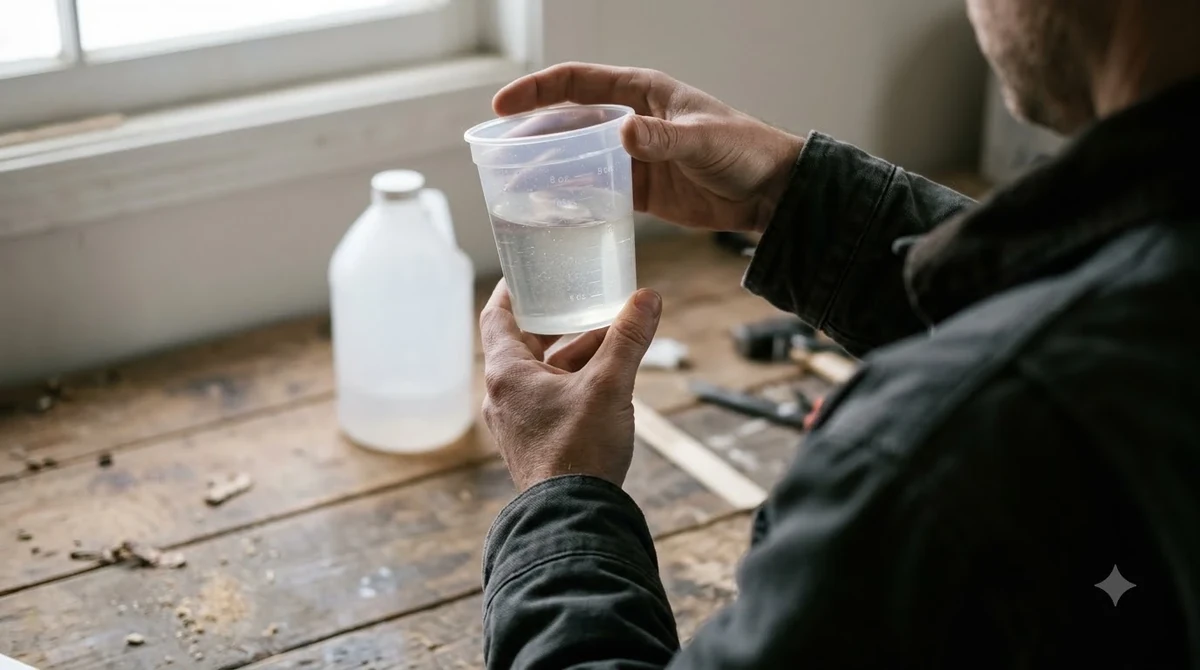
Many people assume epoxy must soak deeply into wood to work. Wessex Resins says that is only sometimes true. Adhesion depends more on the joint surface area, the strength of the wood, and the adhesive itself.
Choose Heat or Solvent Before You Start
Heat is the method the sources prefer, because it does not add a chemical to the mix. Solvents thin the epoxy faster, but they change how the finished piece behaves. Wessex Resins does not recommend thinning with solvent at any time.
| Method | What it does | Main trade-off |
|---|---|---|
| Warm the resin and hardener separately, then mix | Lowers viscosity without adding a solvent | Mixed epoxy cures faster, so plan your work and use a slow hardener |
| Warm the wood, then apply room-temperature epoxy | Thins the epoxy as it meets the warm surface | The wood cools and the epoxy gels, so work quickly |
| Add denatured alcohol, acetone, or lacquer thinner | Thins the mix quickly | Lower strength, longer cure, possible shrinking or cracking, and possible color change |
Wessex Resins says heating the wood rather than the epoxy is the best method for coating wood. Craft-Art calls the solvent method the most harmful yet the most commonly used. Choose the method that matches your project, not the one that is fastest.
How Much Thinner to Add Safely
Solvent ratios are where the sources differ most, so read them carefully. Use the ratio in your epoxy’s technical data sheet first. If the data sheet is silent, the figures below come from the sources and are not interchangeable.
- Denatured alcohol: Acrylgiessen gives 15 to 20% by volume, for example 2 fluid ounces of solvent per 30 fluid ounces of epoxy. Craft-Art suggests at least 20% by volume.
- Acetone or lacquer thinner: Acrylgiessen and Resin-Expert both use a 10:1 ratio, meaning one gallon of thinner for every 10 gallons of epoxy.
- Denatured alcohol (Resin-Expert): Resin-Expert describes a ratio of about 20:1, which is a much smaller amount than the figures above.
Mixing too much solvent is the bigger risk. Wessex Resins says adding 5% lacquer thinner reduces compressive strength by 35%, which means the epoxy is no longer suitable as a structural adhesive. Measure carefully, and mix the solvent in only as much as the project needs.
Step-by-Step Process for Heat Thinning
The heat method takes planning. Warm epoxy cures faster than cool epoxy, so have your mold, brushes, and cups ready before you start. Work through these steps in order.
- Check the temperature limit. Wessex Resins and Resin-Expert both say 35°C (about 95°F). Acrylgiessen gives a limit of about 46°C (115°F). Use the lower figure unless the manufacturer’s data sheet says otherwise.
- Dry the bottles. ArtResin warns that even a single drop of water can cause cloudiness in cured resin, so dry the bottles thoroughly before opening.
- Warm the sealed bottles. Place unopened bottles in a warm water bath. Resin-Expert says up to 20 minutes may be needed, depending on the water temperature.
- Test the warmth by hand. The bottles should feel warm, not hot. Resin-Expert advises keeping materials warm but not too hot to touch.
- Warm before you mix. ArtResin advises warming the resin before measuring. Warming after mixing may cause it to cure immediately.
- Pick a slow hardener. Wessex Resins suggests WEST SYSTEM 206 or 209 Extra Slow Hardener to gain working time. Craft-Art names 206, 207, or 209.
- Mix and apply quickly. Expect less working time. ArtResin says warming its resin can shorten working time by about 10 to 15 minutes.
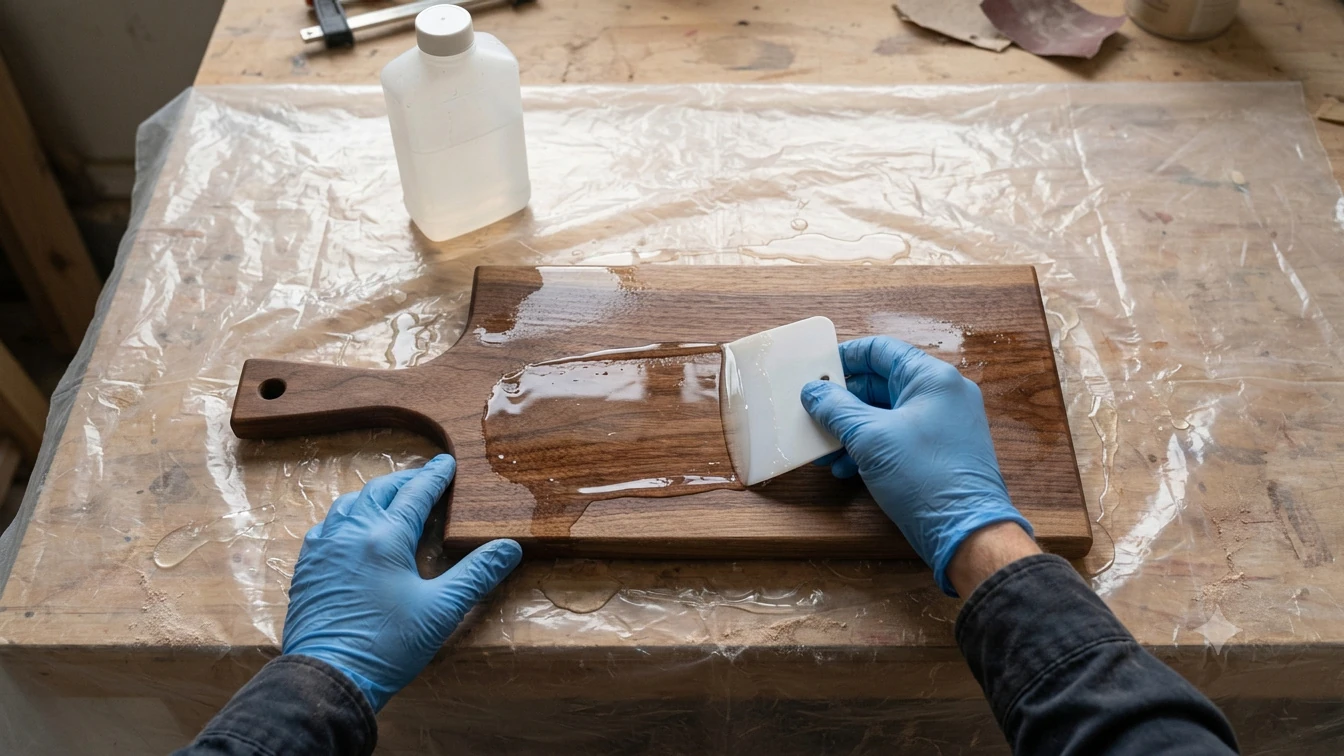
- Heat the wood instead, if coating wood. Warm the surface with a hairdryer or heat gun, remove the heat source, then apply room-temperature mixed epoxy. Wessex Resins says the epoxy is drawn in as the wood cools.
How Thinning Changes Cure Time and Strength
Heat speeds up the gel and cure, so the epoxy will set sooner than you expect. Wessex Resins notes that a heated mix keeps the characteristics of room-temperature epoxy, but it cures faster. Plan for less time than the label suggests.
Solvents slow things down in a different way. Wessex Resins says a solvent can extend curing time and make the process unpredictable. It can also cause shrinking or cracking if the solvent evaporates slowly and escapes from the cured mix later.
Water resistance also drops. Wessex Resins says a neat epoxy coating gives better water resistance than thinned epoxy, which tends to become porous. Acetone can change the color of cured epoxy, and it can damage Styrofoam. Test any solvent on a scrap piece first.
When Not to Thin Epoxy
Skip thinning when the piece must bear load or resist water. Wessex Resins says thinned epoxy does not regain the original strength of rotten wood, even though it makes the wood harder. A neat coating is usually the better choice for a sealed surface.
Also skip thinning if the epoxy is already close to its working limit. Overheated epoxy can harden too fast and become damaged. Wessex Resins says smoke rising from cured epoxy means it is probably damaged and should be replaced. Read the full Wessex Resins guidance on reducing epoxy viscosity before you decide.
Safety Gear and Ventilation
Work in a space with good airflow, and wear nitrile gloves when handling epoxy and solvents. Read the product safety data sheet for your resin and hardener before you open anything. The data sheet lists the hazards and the protective equipment the manufacturer recommends.
Solvents add risk. Wessex Resins notes that adding a solvent can increase the risk of fire and affect your health. Keep solvents away from heat sources, and store them closed when not in use.
Safety: Wear nitrile gloves, work with good ventilation, and follow the respirator guidance in the safety data sheet when solvents are involved. Keep heat sources away from open solvent containers.
Frequently Asked Questions
How do I thin epoxy without losing strength?
Use heat instead of solvent, and keep the temperature within the manufacturer’s limit. Craft-Art says the heating method does not weaken the epoxy the way solvents do. Use a slow hardener so the warm mix stays workable.
Is it safe to put epoxy bottles in hot water to thin them?
Sources describe the warm water bath as a common method, but the bottles should feel warm, not hot. Resin-Expert suggests up to 20 minutes, based on the water temperature. Dry the bottles completely before opening them.
Can I add acetone to epoxy to thin it?
Sources advise against it when strength matters, and Wessex Resins does not recommend solvents at any time. If you still test it, use the 10:1 ratio given by Acrylgiessen and Resin-Expert, and test on a scrap piece first. Acetone can change the color of cured epoxy.
Does thinning epoxy affect its water resistance?
Yes. Wessex Resins says thinned epoxy tends to become porous, so it provides less water resistance than a neat coating. If the surface will see moisture, a neat coat is usually the better choice. Heat-thinned epoxy keeps more of its original characteristics than solvent-thinned epoxy.
Thinning is a trade-off, not a shortcut. Warm the materials within the stated limit, choose a slow hardener, and avoid solvents where strength or water resistance matters. Once your piece cures, how to polish epoxy covers the finishing steps.
More in Techniques & How-To
 How to Make Resin Glow in the Dark, With Mixing Ratios and Pour LimitsUpdated Nov 26, 2026
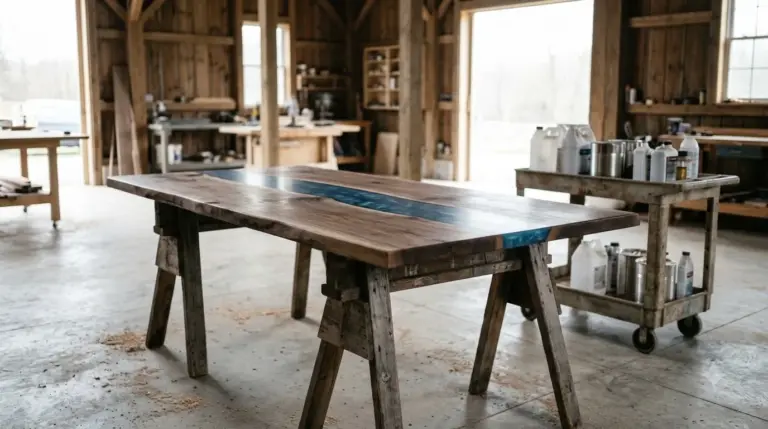 How to Use Deep Pour Epoxy for Clear, Bubble-Free LayersUpdated Nov 26, 2026
 How to Do a Dirty Pour with Resin Without Muddy ColorsUpdated Nov 26, 2026
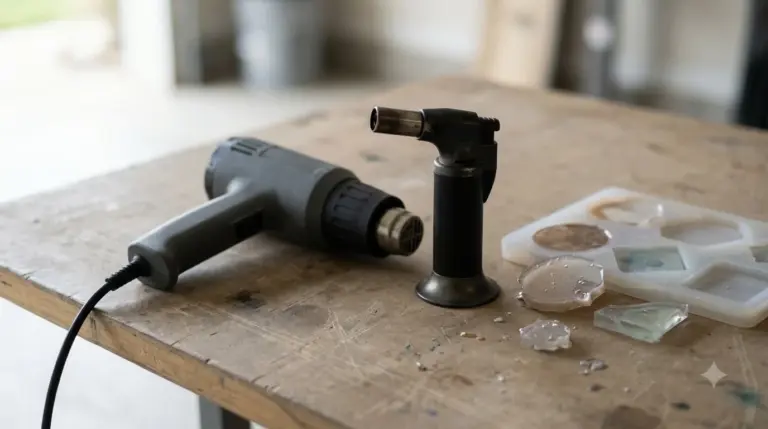 How to Cure Epoxy Faster Safely: Warmth, Ratios and Heat TipsUpdated Nov 26, 2026
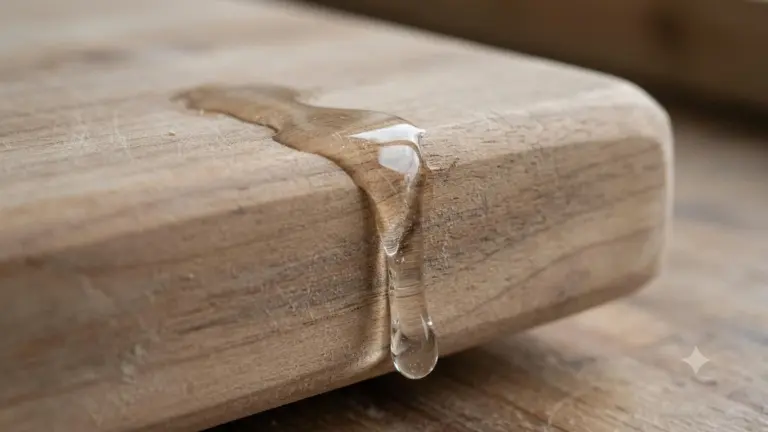 How to Make Resin Shine: Cure, Level and Polish for a Glossy FinishUpdated Nov 26, 2026
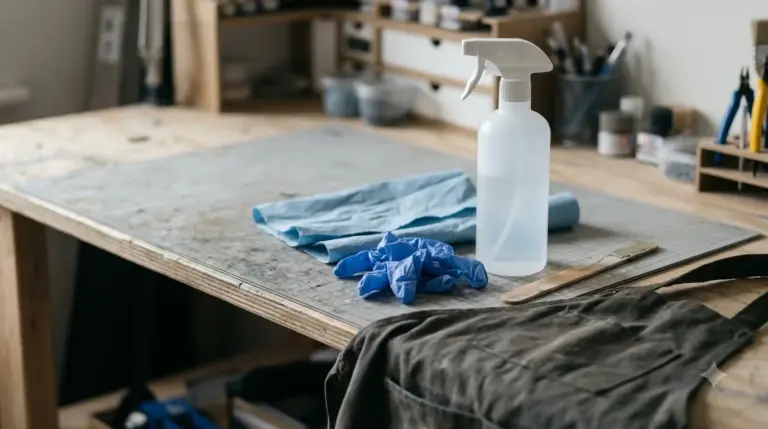 How to Clean Epoxy Tools Fast Before the Resin CuresUpdated Nov 26, 2026