

We may earn a commission when you buy through links on this page, at no extra cost to you. Learn more.
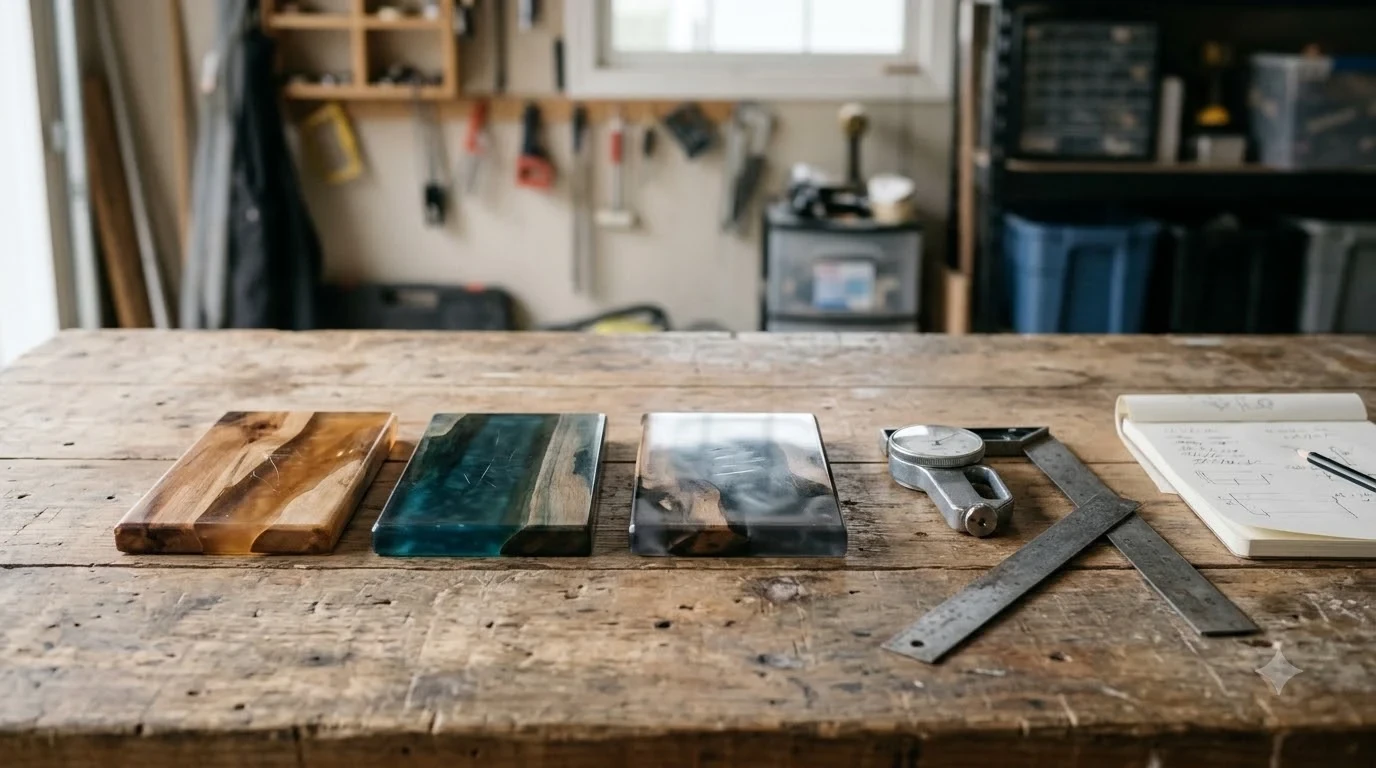
Once fully cured, how hard is UV resin? The TotalBoat Clear UV Resin data sheet lists a cured hardness of 85 Shore D. That clear craft resin cures in about 2 to 10 minutes, depending on UV intensity and the thickness of the material. The maker recommends pouring 1/8 inch for most applications and up to 1/4 inch in small molds. Curing requires UV light in the 365 to 395 nm range.
Hardness is one of the first things makers ask about. It affects whether a pendant survives a knock, whether a fly-tying coating holds its shape, and whether a cast piece keeps its finish over time. UV resin also behaves differently from two-part epoxy. It hardens because light triggers a chemical reaction, not because two bottles are mixed. This page explains what the hardness numbers mean, how curing conditions change the result, and what to do if your piece feels soft, tacky, or brittle. For wider background, see Resin Basics & Q&A.
What Hardness Means for UV Resin
Hardness describes how well a cured surface resists being dented or scratched. For rigid plastics, makers and manufacturers usually report it on the Shore D scale. A higher Shore D number means a firmer surface. Softer, flexible materials are usually rated on the Shore A scale instead.
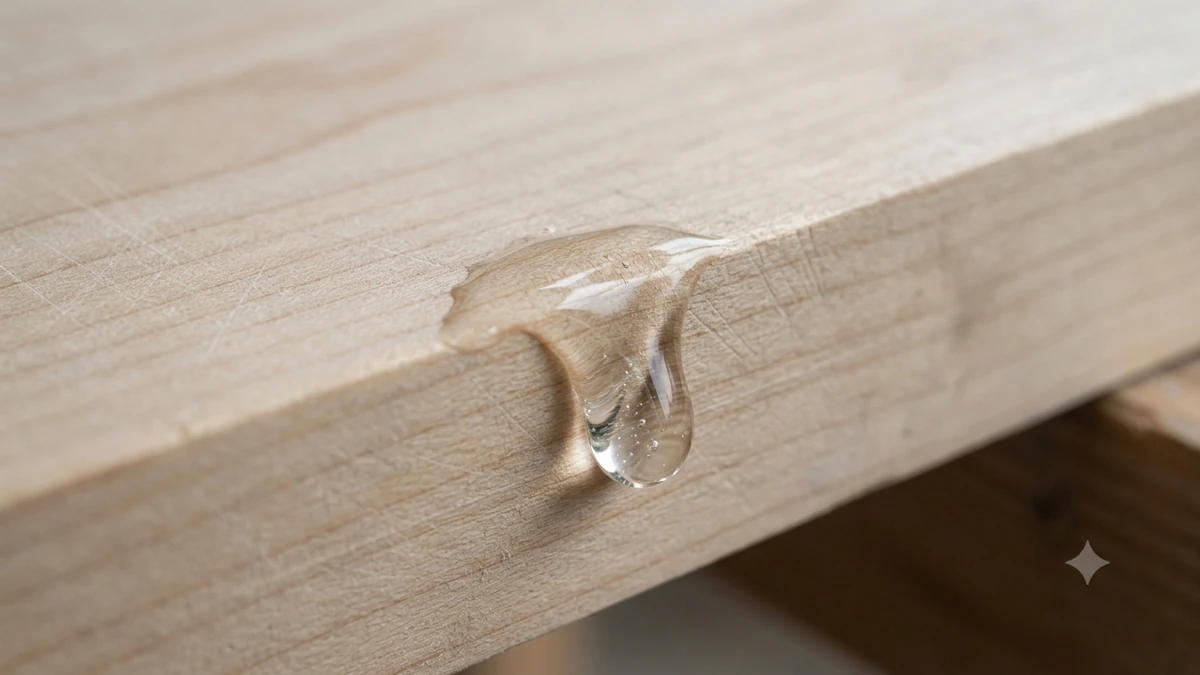
Hardness is not the same as strength or toughness. A surface can feel firm and still crack under a sharp impact. Industrial data sheets therefore list several properties together, including tensile strength, elongation, and hardness. When you compare two UV resins, read all of the numbers rather than hardness alone. Check the product’s technical data sheet for the exact figures on the formula you bought.
How Hard Does UV Resin Get When Fully Cured?
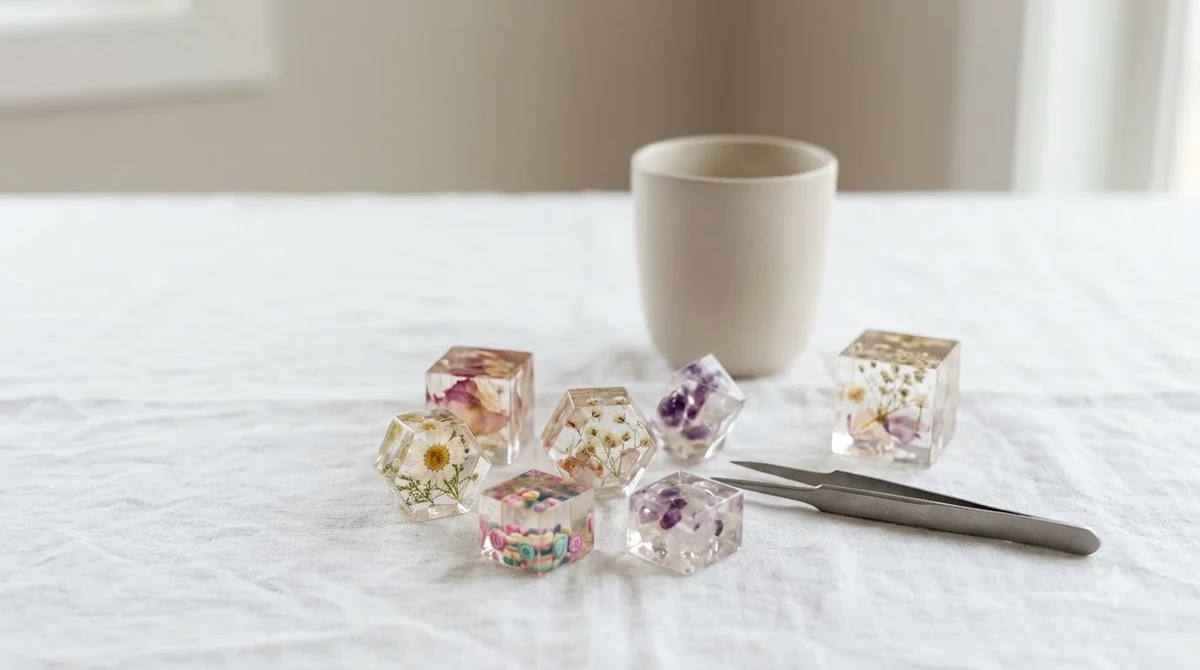
A fully cured UV resin can reach a high Shore D rating, but the number depends on the formula. The TotalBoat clear craft resin lists 85 Shore D once cured. The same listing describes it as a one-part urethane acrylate that resists scratches, water, fading, and yellowing once it is out of the mold. Those are manufacturer statements, so treat them as the maker’s claims.
Other UV resins can land in very different places. Donna Polymer’s 8920A direct casting resin lists a Shore D hardness of 40 after post-cure at 395 nm and 15 J/cm2. Its 8810T clear resin lists 88 Shore D, with tensile strength of 62 to 66 MPa. Both are sold for 3D printers, but they show how wide the range can be. A casting resin rated at 40 will feel noticeably softer than one rated at 88.
Some formulas also need a post-cure step. Photocentric’s Hard UV 3D Resin lists 77 Shore D after one hour of post-curing at 60 °C. If your product sheet mentions post-curing, follow its time and temperature exactly. Skipping that step can leave the piece short of its rated hardness.
UV Resin Hardness Compared to Epoxy Resin
UV resin and two-part epoxy both end up as hard plastics, but they reach that point in different ways. The biggest practical differences are how the reaction starts and how long it takes. This page does not list epoxy hardness numbers, so check the data sheet for the specific epoxy you are considering.
| Feature | UV resin (TotalBoat clear example) | Two-part epoxy |
|---|---|---|
| How curing starts | Exposure to 365 to 395 nm UV light | Mixing the two parts together |
| Measuring and mixing | None, according to the maker | Required, following the ratio on the label |
| Typical cure time | 2 to 10 minutes, depending on intensity and thickness | Hours or days, according to TotalBoat’s comparison |
| Listed hardness | 85 Shore D | Check the epoxy’s own data sheet |
| Recommended pour depth | 1/8 inch for most work, 1/4 inch in small molds | Varies by product, so check the label |
Brittleness is harder to settle from a single number. Hard resins can have less flexibility, so the elongation figure on a data sheet matters as much as hardness. Because many craft UV resins list hardness but not elongation, compare the full specifications before deciding. For a deeper side-by-side look, read uv resin vs epoxy resin.
Factors That Change How Hard UV Resin Gets
Light intensity, wavelength, thickness, and tint all decide whether UV resin reaches its rated hardness. Under-curing is the most common reason a piece feels soft. The resin may look finished on the outside while the interior stays under-reacted.
According to INCURE, insufficient UV intensity leaves a resin under-cured, which lowers its mechanical properties. The same source notes that a resin rated at 60 MPa tensile strength will not reach that figure if the curing dose falls short. Strength specifications only hold when the cure reaches full conversion. The full article on UV resin strength and bond performance explains why this matters for load-bearing work.
Thickness is the next variable. TotalBoat recommends 1/8 inch for most applications and up to 1/4 inch in small molds. Thicker pours need more light to reach the bottom. The maker also advises white or clear molds so the light can reach the whole casting.
Tint changes the timing too. The TotalBoat colored kits list a cure time of 5 to 20 minutes, longer than the clear resin, and say heavily tinted resin may take longer due to opacity. Those kits also say not to use water-based tints. Keep the application temperature between 60 and 95 °F, as the listing specifies.
Choosing the Right UV Light for Full Hardness
Choose a light whose wavelength and output match your resin’s stated requirements. A small handheld light may cure thin coatings, while larger castings usually need a wider lamp. TotalBoat says its starter flashlight is meant for small work and suggests a larger UV lamp for bigger projects or wider areas.
Start with wavelength. TotalBoat’s clear resin cures under 365 to 395 nm light, and the maker says direct sunlight also works. Compare that range with the label on your light before buying or relying on it. Light outside the resin’s range may not trigger the reaction fully.
Next, look at output. Donna Polymer’s 8810T clear resin requires UV curing energy of 120 mW/cm2 or more. Its RB-UV LED curing unit is rated above 100 mW/cm2 at 365, 385, and 395 nm across a 200 x 100 mm area. Those are industrial specifications, so use them as a reference for how strong a light should be. For a broader guide to matching a light to your resin, see what kind of uv light for resin.
Common Problems: Soft, Tacky, or Brittle UV Resin
Most soft or tacky results trace back to under-curing, surface effects, or the wrong surface underneath. Brittle results often point to the formula or to poor surface preparation rather than to light alone. Work through the likely causes in order before blaming the resin.
| Symptom | Likely cause | What to check |
|---|---|---|
| Soft or dents easily | Under-curing from weak light or a short exposure | Light wavelength, distance, and exposure time against the label |
| Tacky surface on a thin layer | Oxygen at the surface can leave an under-cured film, according to INCURE | Light intensity and full exposure of the top surface |
| Tacky inside a thick pour | Thickness above the recommended depth, or heavy tint | Pour depth against 1/8 inch or 1/4 inch in small molds |
| Cracks or chips easily | Formula with low elongation, or a poorly prepared surface | Data sheet elongation figure and surface cleaning |
| Peels off a plastic base | Low-energy plastic that resists wetting | Whether the base needs surface treatment before bonding |
Surface energy matters more than many makers expect. INCURE notes that low-energy plastics such as polypropylene or PTFE resist wetting. These materials need surface treatment, such as plasma or corona discharge, before a resin’s rated strength is achievable. Many craft projects skip that step, which can explain bonds that fail early.
Tips for a Firmer, More Durable Finish
A firm, durable result comes from controlling light, thickness, and handling. Follow the maker’s numbers, and check the SDS before you start. The steps below cover the points that most often affect final hardness.
- Match the light to the label. Confirm the wavelength and output fall within the resin’s stated range.
- Respect the pour depth. Use 1/8 inch for most work and no more than 1/4 inch in small molds.
- Cure the whole surface. Expose every side you can reach, and reposition the light during the cure.
- Use light-friendly molds. White or clear molds let UV light reach the entire casting.
- Store the resin properly. TotalBoat lists a shelf life of up to 6 months, depending on storage and UV exposure, so keep bottles away from light.
Tip: Work in a space where ambient light does not start curing the resin early. TotalBoat advises working away from sunlight and active UV lights before the pour is set.
Safety: Wear nitrile gloves, work in a ventilated area, and read the product’s SDS before handling. Clean uncured resin with denatured or isopropyl alcohol, and remove cured resin mechanically, as the maker directs.
Frequently Asked Questions
How long does UV resin take to cure in sunlight compared to a UV lamp?
TotalBoat says its clear resin cures in about 2 to 10 minutes whether the light is direct sunlight or a 365 to 395 nm lamp. The exact time depends on intensity and thickness. The colored kits from the same maker list 5 to 20 minutes, so tint changes the timing.
Can UV resin be used for structural repairs or load-bearing bonds?
The TotalBoat listing describes its clear resin for crafts, castings, coatings, and decorative work, not structural use. INCURE says structural applications generally target Shore D 70 to 90, so compare any product’s data sheet against that range. Check the specific resin’s tensile and elongation figures before relying on it for a load-bearing joint.
Is cured UV resin safe to wear as jewelry?
TotalBoat states that its clear resin is non-toxic once fully cured, which is the maker’s claim. Full cure matters, so an under-cured piece should not be worn. Read the SDS for the exact product, and keep uncured resin off the skin and away from food contact surfaces.
Why does UV resin stay sticky after curing?
INCURE explains that oxygen at the surface can leave a tacky, under-cured layer in thin films. Stronger or closer light and full exposure of the top surface help reduce this effect. If the surface is still tacky after a full cure, check the light’s output and the resin’s rated cure energy.
Hardness depends on the formula, the light, and how you pour. Start with the cured hardness and pour depth on the data sheet, then match your lamp to the stated wavelength and output. Once those are right, a firm, durable finish is much more likely.
More in Resin Basics & Q&A
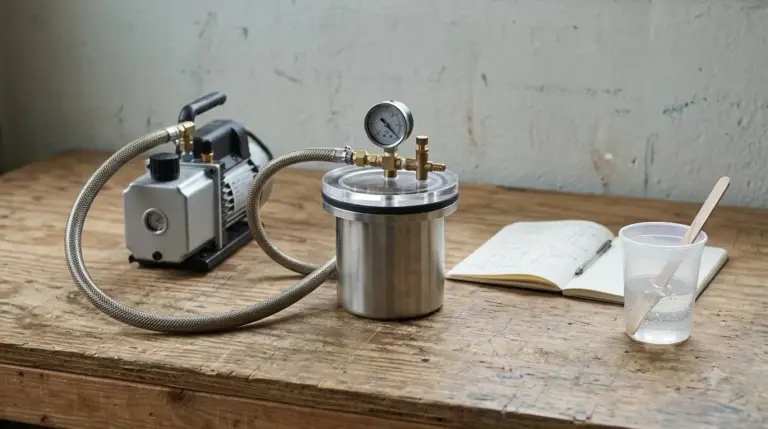 What Is Vacuum Degassing for Epoxy Resin and How It Removes Trapped BubblesUpdated Nov 26, 2026
 Epoxy Full Cure Time: How Long Before Your Project Is Ready to UseUpdated Nov 26, 2026
 Envirotex Lite Pour On Instructions for a Glossy, Bubble-Free FinishUpdated Nov 26, 2026
 Deep Pour vs Table Top Epoxy: Which Fits Your Project Depth and Cure TimeUpdated Nov 26, 2026
 High Temperature Epoxy for Metal: How to Pick One That Holds Up to HeatUpdated Nov 26, 2026
 Amazing Clear Cast Resin Instructions: Mix, Pour and Cure Without BubblesUpdated Nov 26, 2026