

We may earn a commission when you buy through links on this page, at no extra cost to you. Learn more.
Does epoxy stick to Styrofoam? Yes, epoxy usually bonds to it, but it can also make the foam hard to remove later. According to Easy Composites, epoxy resin contains no solvents and will not attack polystyrene foam. The same supplier lists XPS sheets at a density of 33 kg/m³ and a maximum service temperature of 75 °C. Solvent-borne resins such as polyester and vinylester are the ones that dissolve this type of foam.
Styrofoam is a brand name that many people use for any white or blue rigid foam. This page explains how epoxy behaves on that foam, which resins and adhesives are safer choices, and how to keep the foam from fusing to your project. The information comes from manufacturer data, a chemical compatibility table, and forum reports from makers, so you can check each point against the source before you pour.
What Happens When Epoxy Meets Styrofoam
Epoxy generally sticks to rigid polystyrene foam rather than dissolving it. The bond can be strong enough that the foam is hard to pull away once the resin cures. Whether the foam melts or breaks down depends mostly on the chemistry of the resin and on how much heat the mix produces.
The word Styrofoam often gets applied to two different foams. Easy Composites sells extruded polystyrene (XPS) under the Styrofoam name and says the product was formerly sold as Dow Styrofoam and has been renamed Ravatherm XPS X H LB, with the same performance. Expanded polystyrene (EPS), the beady foam used in many packaging and cooler products, is a separate material. Check the label or data sheet to see which one you have before you choose a resin.
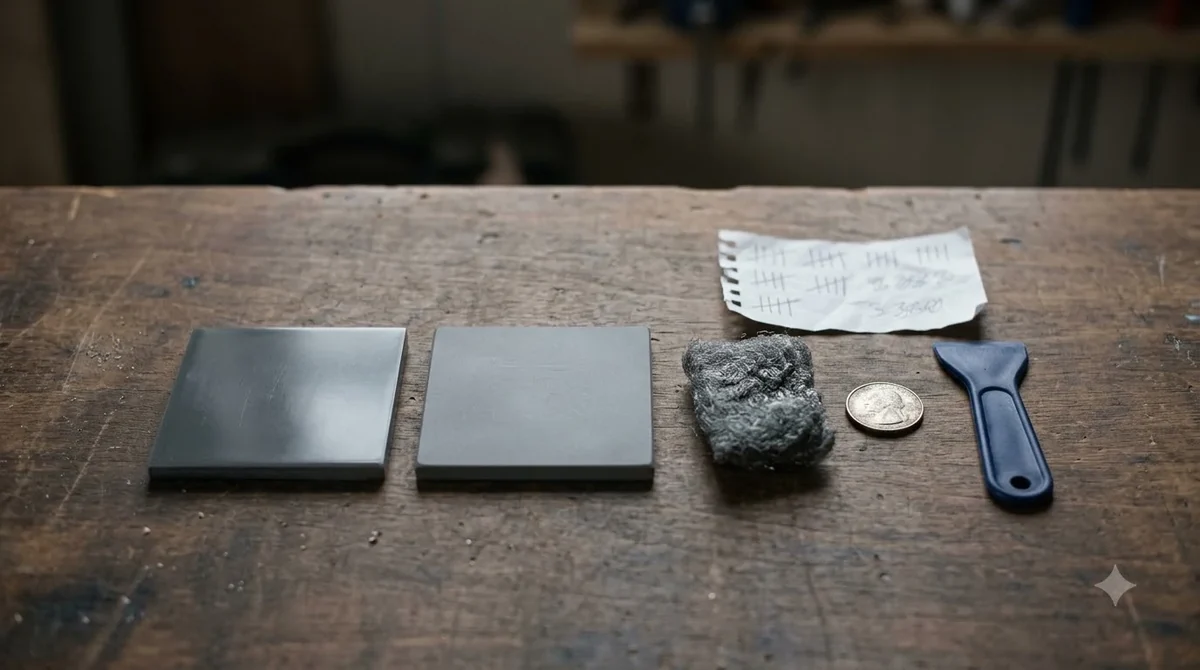
| Foam type | Typical example | What the sources say about epoxy |
|---|---|---|
| XPS extruded polystyrene | Blue or grey rigid board, sold as Styrofoam | Epoxy has no solvents and will not attack the foam, per Easy Composites |
| EPS expanded polystyrene | White beaded foam board or packaging | Benchmark Foam rates EPS as compatible with some chemicals and not compatible with others, so check each one |
Why Standard Epoxy Often Fails on Foam
Most failures with epoxy on foam come from the wrong resin, the wrong solvent, or too much heat in one spot. Standard epoxy is not the usual culprit. A thin layer that cures slowly rarely melts the foam, but a deep pool of resin can generate enough heat to soften the surface.
Polyester and vinylester resins are the main concern. Easy Composites states that these solvent-borne resins will dissolve polystyrene foam. A rocketry forum member made the same point, saying that polyester is more likely than West System epoxy to react with foam. If your project calls for polyester, plan on a barrier coat or pick a different foam.
Heat is the second risk. The XPS listed by Easy Composites has a maximum service temperature of 75 °C, so a mix that runs hot in a large cup can soften the foam around it. Splitting a large pour into smaller batches and keeping the resin out of thick pockets reduces that risk. Your resin’s technical data sheet lists its pot life and recommended pour depth, so check those figures before you start.
Solvents are the third risk. Easy Composites names acetone, MEK and styrene as solvents that dissolve polystyrene foam. Benchmark Foam rates EPS as not compatible with acetone, benzene, xylene, gasoline, ethyl acetate and amyl alcohol. Keep those products away from the foam unless you plan to dissolve it on purpose.
Epoxy Types That Work Better on Foam
Epoxy resin is the safer choice among common casting and coating resins, but it still needs a plan. Water-based adhesives and epoxy putty are two other options that makers use for foam work. Each has a different job, so match the product to what the bond needs to do.
For a permanent bond between foam and another material, a solvent-free epoxy is the usual choice. The Foam Company recommends water-based adhesives such as Ritetack Instant Grab and Mightytack for bonding polystyrene to itself or to other surfaces. Those products are useful when you want a quick grab and do not plan to coat the foam in resin.
Epoxy putty is a different category. Wikipedia describes it as a room-temperature thermosetting adhesive that will not melt when heated once it has cured. It was first developed for commercial use in the 1940s. Putty is useful for filling gaps and building up shapes, but it is not a coating, so use it for joints and fills rather than full surface sealing.
Sealing Styrofoam Before You Coat It
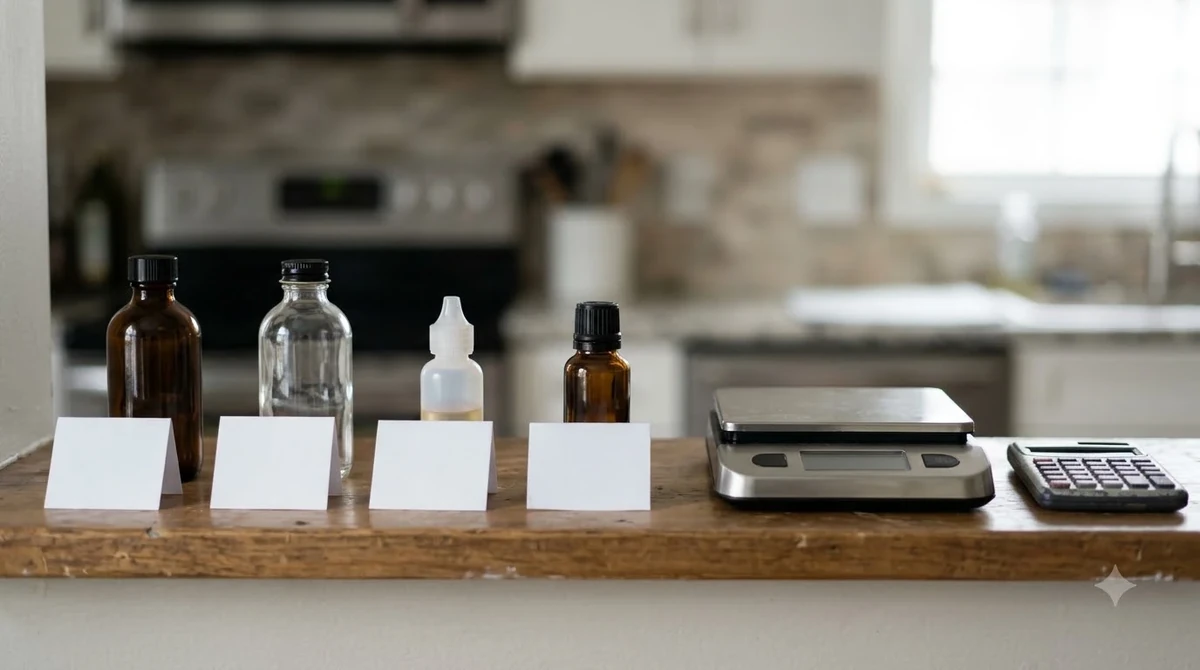
A release layer keeps epoxy from bonding to the foam when you need the foam removed later. A barrier coat can also protect the foam from a solvent-borne resin or from a second layer of material. Both steps are worth doing on any project where the foam is temporary.
A rocketry forum user reported that West System epoxy bonds to foam, so mold release is needed if the foam must come off later. Another user said cheap cooking spray worked as a release on styrofoam before epoxy contact. Test any release on a scrap piece first, since the forum reports are anecdotal and not from a manufacturer. For the foam’s own technical details, the Easy Composites XPS foam page lists the density, service temperature and solvent notes the manufacturer provides.
Apply the release in a thin, even layer and let it dry before you add resin. Pooled release can leave a sticky film that causes uneven bonding. For a deeper seal, many makers brush on a thin coat of resin first and let it cure before the main pour. Check your resin’s data sheet for recoat timing.
Surface Prep and Bonding Steps
Clean, dry foam gives epoxy a better grip and a more predictable result. Start with a sharp cut and a clean surface, then work through the release and cure steps in order. Rushing the cure is the most common mistake on these projects.
- Identify the foam. Check the label for XPS or EPS, and confirm the density or product name before you choose a resin.
- Cut with the right tool. The Foam Company says hot wire is the most effective tool for cutting EPS, with a utility knife as the most popular alternative.
- Remove dust and loose beads. Wipe the surface with a dry cloth so the resin wets the foam rather than loose debris.
- Apply a release or barrier. Use a mold release if the foam must come out later, or a thin resin coat if it stays in place.
- Mix the resin by the manufacturer’s ratio. Measure by weight or volume exactly as the data sheet says, and mix for the full time listed.
- Pour in thin layers. Keep each pour shallow enough that heat from the reaction stays low, and check the pour depth on the data sheet.
- Let the epoxy cure fully. A forum user noted that a fully cured epoxy can take about two weeks before solvent removal, while another suggested at least 48 hours before dissolving foam out.
- Remove the foam only after cure. If you need the foam out, use a compatible solvent only after the resin is fully hard, and ventilate the area well.
Safety Notes for Foam and Epoxy Projects
Epoxy resins and hardeners can irritate skin, so wear nitrile gloves and work in a ventilated area. Acetone and many other solvents give off strong vapors and are flammable, so keep them away from open flames and heat sources. Read the safety data sheet for every product you use before you start.
Benchmark Foam advises a preliminary compatibility test for any chemical that is not listed or has an unknown composition. The test should run at the highest temperature you expect during use. Test small samples in the same conditions as your project, and do not assume that a product safe for one foam is safe for another.
Safety: Wear nitrile gloves, work with good ventilation, and check the SDS for your resin and solvent before you pour or dissolve any foam.
Tip: Cut a small test piece of the same foam and coat it with your planned release and resin. Peel it apart after cure to see whether the release works before you commit to the full project.
Troubleshooting Peeling or Melted Foam
Most peeling and melting problems trace back to one of three causes: a solvent-borne resin, a mix that ran hot, or a missing release. Matching the symptom to the cause tells you what to change on the next attempt. Start with the table below, then compare your setup against the steps above.
| Symptom | Likely cause | What to change |
|---|---|---|
| Foam surface softens or pits | Solvent-borne resin, or a deep pour that ran hot | Switch to an epoxy with no solvents and pour in thinner layers |
| Foam will not come off after cure | No release layer was used | Use a release agent next time and cut the foam away from the cured part |
| Coating peels from the foam | Dust or loose beads under the resin, or a poor first coat | Clean the surface, then apply a thin barrier coat and let it cure before the main pour |
| Foam shrinks or changes shape | Solvent contact or heat above what the foam tolerates | Keep solvents away from the foam and check the foam’s max service temperature |
Frequently Asked Questions
Will epoxy resin dissolve Styrofoam?
Easy Composites states that epoxy resin does not contain solvents and will not attack polystyrene foam. The risk is higher with solvent-borne resins like polyester and vinylester, which the same source says will dissolve polystyrene. Check the resin type on the label before you pour.
Does West System epoxy react with Styrofoam?
A rocketry forum user reported that West System epoxy does not react with styrofoam but does bond to it. Another member said West System should be fine with foam. If you need the foam removed later, use a mold release before you pour.
Which solvent dissolves Styrofoam, such as acetone?
Easy Composites lists acetone, MEK and styrene as solvents that dissolve polystyrene foam. Benchmark Foam also rates acetone as not compatible with EPS. Forum users have dissolved fully cured foam out of a cavity with acetone, but use that method only with ventilation and proper disposal of the waste.
Is XPS foam the same as Styrofoam?
Easy Composites says XPS extruded polystyrene is sold under the Styrofoam name and was formerly known as Dow Styrofoam. The company says it has been renamed Ravatherm XPS X H LB, with the same product and performance. EPS is a different foam, so check the product name before you choose a method.
Epoxy usually bonds to Styrofoam without dissolving it, and the main risks come from solvent-borne resins, solvents and heat. Test your release and resin on a scrap piece before you commit. For more on how other plastics behave, see does epoxy stick to plastic, or browse the Surfaces & Materials guides.
More in Surfaces & Materials
 Can You Epoxy Over Wallpaper? The Prep Steps That Help It StickUpdated Nov 26, 2026
 Can You Epoxy Over Tile? Prep Steps That Help It BondUpdated Nov 26, 2026
 Can You Epoxy Over Laminate? Prep Steps and Limits for DIY SuccessUpdated Nov 26, 2026
 How to Seal Wood Before Epoxy for a Bubble-Free, Even FinishUpdated Nov 26, 2026
 Can You Epoxy Over Granite Countertops? Prep, Adhesion and Heat LimitsUpdated Nov 26, 2026
 Can You Epoxy Over Painted Wood? When It Works and How to Prep ItUpdated Nov 26, 2026