

We may earn a commission when you buy through links on this page, at no extra cost to you. Learn more.
Is epoxy a good adhesive? Yes, for many repair and build jobs, especially when the joint is rigid and the load is steady. Two-part epoxy is widely described as one of the strongest structural adhesives, with high tensile and shear strength. Its bond depends heavily on clean, abraded surfaces and a precise mix of resin and hardener. It is a poor choice for joints that flex, vibrate or take repeated impact.
This guide explains where epoxy adhesive performs well, where it falls short, and how it compares with other glues. It is written for makers and DIYers who want to choose the right adhesive before they open a tube or mix a batch.
What Is Epoxy Adhesive?
Epoxy adhesive is a two-part system made from an epoxy resin and a hardener, often called a curative. The two parts react and cross-link into a rigid thermoset plastic. That reaction is what gives the glue its strength.
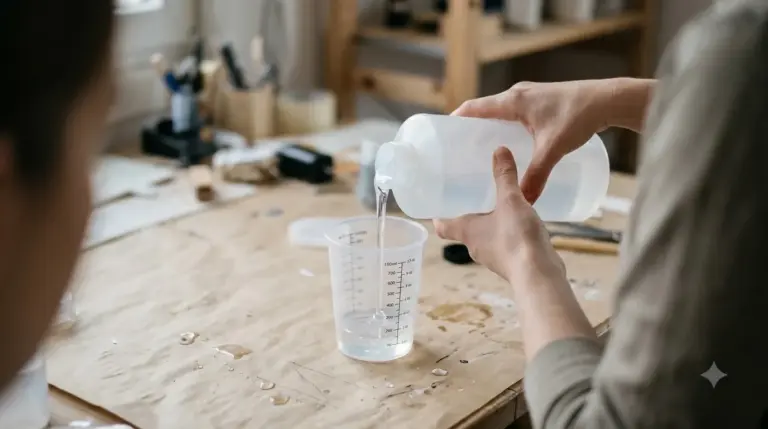
Epoxy adhesives are sold in hardware stores as separate resin and hardener packs that must be mixed right before use. According to Wikipedia’s epoxy article, the mix ratio can range from 1:1 to over 10:1, and the two parts usually must be measured exactly. Check the product label or technical data sheet for the ratio of your specific product.
Because the chemistry is controlled by the mix, a sloppy measure is one of the most common reasons a bond fails to cure properly.
How Epoxy Adhesive Bonds
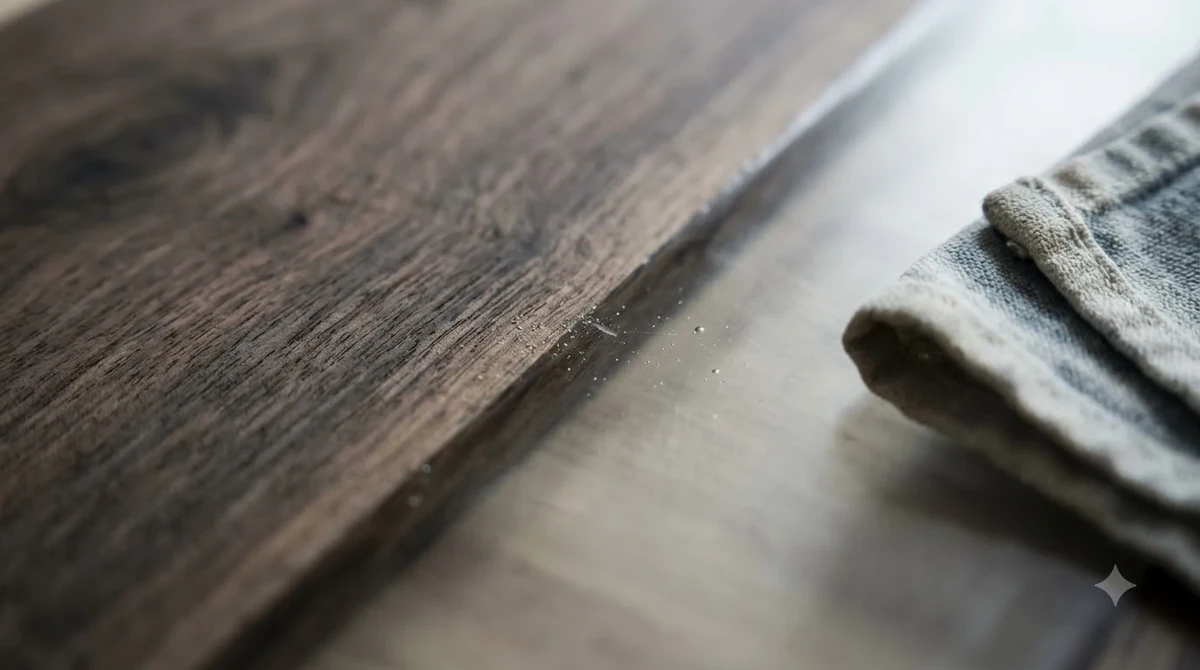
Epoxy grips a surface in three ways. It bonds mechanically into roughened texture, by proximity as the cured resin sits tightly against the surface, and ionically at the atomic level. According to the Wikipedia article, the ionic bond is substantially the strongest of the three.
That is why surface preparation matters so much. Roughening the surface gives the resin something to grip, and a clean surface lets the resin reach the material itself.
Why the Surface Matters
Industry guidance from adhesive supplier Glue Gun, in its pros and cons of epoxy glues article, notes that epoxy generally needs substrates that are clean, degreased and abraded before application. Wipe off oil, wax and dust, then scuff the surfaces with coarse abrasive. Let solvent evaporate fully before you apply the glue.
Is Epoxy Adhesive Good for Wood, Metal, and Glass?
Epoxy works well on many common materials. According to the Wikipedia epoxy article, it can bond wood, metal, glass, stone and some plastics. It is also a popular choice in amateur boat and aircraft building because of its gap-filling ability and good adhesion to timber.
Wood and metal are usually the strongest results when the joint is rigid and well prepared. Glass bonds well too, but the surface must be very clean and free of residue. Plastics are less predictable. Some plastics, especially polyethylene and polypropylene, resist epoxy and may need a primer or a different adhesive. Check the manufacturer’s guidance for your specific plastic.
| Material | Typical result with epoxy | What to do |
|---|---|---|
| Wood | Strong, good gap filling | Sand and remove dust before gluing |
| Metal | Strong structural bond | Degrease and abrade the surface |
| Glass | Good adhesion | Clean thoroughly and avoid oily residue |
| Some plastics | Variable | Test a scrap piece first and follow the label |
Tip: Test a small scrap joint with the same materials and cure conditions before gluing a finished part.
Where Epoxy Adhesive Falls Short
Epoxy is strong, but it is not flexible. Its rigidity can make it brittle, so a joint that bends or takes shocks may crack. A 2016 study on epoxy toughening agents explains that the brittleness of epoxy limits some uses unless it is modified. Rubber toughening improves impact and bending performance, but it can lower strength and heat resistance.
Epoxy is generally not the best choice for joints that face regular vibration, impact or shock. Moving parts, flexing panels and anything that rattles will often do better with a more elastic adhesive. Heat and moisture also matter. Repeated temperature swings and humid conditions can cause materials to expand and contract, which can degrade the bond over time.
For high-temperature work, note that the Wikipedia article says epoxy adhesive strength degrades at temperatures above 350 °F (177 °C).
Epoxy vs Polyurethane Adhesive
Epoxy and polyurethane are both structural adhesives, but they suit different jobs. Epoxy is usually the pick when you need maximum rigidity and chemical resistance. Polyurethane is often chosen when the joint needs more elongation and shock resistance.
The glue supplier Glue Gun describes polyurethane as offering good elongation, shock resistance and flexibility, which makes it suited to high vibration and stress. For a side-by-side look at how these two chemistries differ, read our guide to epoxy vs polyurethane before you choose.
How Long Epoxy Adhesive Takes to Cure
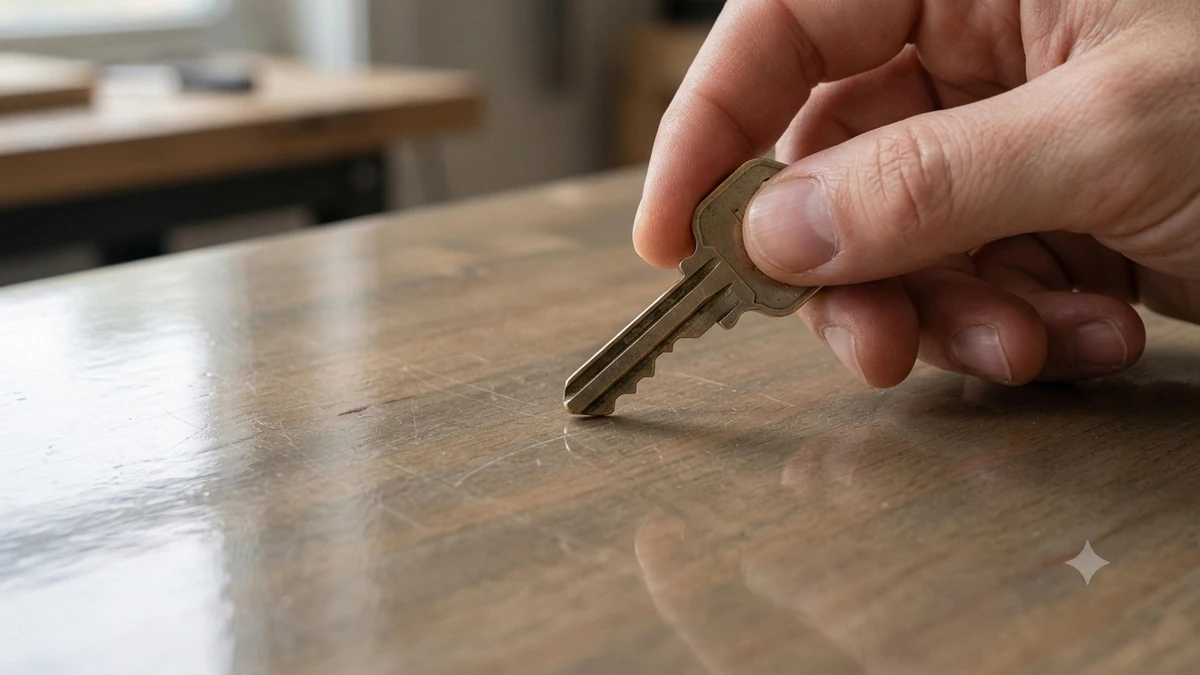
Epoxy cure time depends on the product, the mix and the temperature. Epoxies generally take longer to set than some other structural adhesives, although some are formulated to cure faster. The Wikipedia article notes that many room-temperature epoxies cure at ambient temperature, while heat-cured systems are generally more heat and chemical resistant.
Heat can speed the cure, but it also shortens working time. The Wikipedia article points out that large mixed quantities generate more heat, which can cause premature hardening, melt the container or even catch fire. Mix only what you can use quickly. For a deeper look at timing, see how long does epoxy take to cure.
- Mix a small batch. Measure by the label ratio and stir thoroughly.
- Apply within the working time. Spread it before it begins to thicken.
- Clamp the joint. Hold the parts still while the adhesive begins to set.
- Wait for full cure. Follow the data sheet for the time and temperature.
Safety Gear and Ventilation Tips
Epoxy adhesives call for basic protection. The Wikipedia article reports that health risks include contact dermatitis, allergic reactions and respiratory problems from vapors and sanding dust, especially from uncured compounds. Sensitization often builds up with repeated exposure, so protect your skin every time you work with it.
Rubber gloves give poor protection against epoxy chemicals. The same source recommends laminated multilayer plastic gloves or thick reusable nitrile gloves. Work in a ventilated space, and keep sanding dust under control with a mask rated for the dust type. Always read the product’s safety data sheet for specific gloves and ventilation advice.
Safety: Wear nitrile gloves, ventilate the area and check the SDS for respirator guidance before mixing or sanding epoxy.
Common Mistakes and Troubleshooting
Most epoxy failures trace back to a few predictable errors. Skipping surface prep is the biggest one. A close second is a wrong mix ratio, which can leave the joint soft or sticky. Mixing too much at once and gluing a flexing joint are also frequent problems.
| Symptom | Likely cause | Fix next time |
|---|---|---|
| Joint pulls apart easily | Surface not cleaned or abraded | Degrease and scuff before gluing |
| Soft or tacky bond | Off mix ratio or poor stirring | Measure exactly and mix thoroughly |
| Cracks under load | Joint flexes or vibrates | Choose a more flexible adhesive |
| Mix hardens too fast | Large batch or heat | Mix smaller amounts |
Frequently Asked Questions
Is epoxy stronger than super glue?
Epoxy is generally considered one of the strongest structural adhesives, with high tensile and shear strength. Cyanoacrylate, often sold as super glue, is quick but usually more brittle in larger joints. Check the data sheet of each product for its rated strength.
Does epoxy adhesive yellow over time?
Yes. According to the Wikipedia epoxy article, epoxy resins yellow with time, even when they are not exposed to UV light. Epoxy paints can also chalk under UV exposure, so outdoor use needs a UV-protective topcoat.
Can epoxy handle high temperatures?
Epoxy handles heat better than many common adhesives, but its strength drops above 350 °F (177 °C), according to the Wikipedia article. Heat-cured epoxies are generally more heat resistant than room-temperature ones. Confirm the rating on your product’s data sheet.
Is epoxy adhesive safe to use indoors?
Epoxy should be used with good ventilation and gloves. Uncured compounds carry the most risk of skin reactions and breathing irritation. Read the product SDS for specific handling and respirator guidance before you start.
Epoxy is a good adhesive when the joint is rigid, the surfaces are clean and roughened, and the mix is measured exactly. For flexing or vibrating joints, consider a more flexible option instead. Our Resin Basics & Q&A hub covers more mixing and cure questions.
More in Resin Basics & Q&A
 What Is Vacuum Degassing for Epoxy Resin and How It Removes Trapped BubblesUpdated Nov 26, 2026
 Epoxy Full Cure Time: How Long Before Your Project Is Ready to UseUpdated Nov 26, 2026
 Envirotex Lite Pour On Instructions for a Glossy, Bubble-Free FinishUpdated Nov 26, 2026
 Deep Pour vs Table Top Epoxy: Which Fits Your Project Depth and Cure TimeUpdated Nov 26, 2026
 High Temperature Epoxy for Metal: How to Pick One That Holds Up to HeatUpdated Nov 26, 2026
 Amazing Clear Cast Resin Instructions: Mix, Pour and Cure Without BubblesUpdated Nov 26, 2026