

We may earn a commission when you buy through links on this page, at no extra cost to you. Learn more.
Epoxy vs polyurethane comes down to one trade: epoxy is harder and bonds more strongly, while polyurethane is more flexible and holds its color better in sunlight. Epoxy is a resin and hardener that cross-link when mixed, and according to a Kansas Polymer guide, epoxy yellows over time even without UV exposure. Polyurethane is built from isocyanates and polyols, and it resists UV damage far better. Check the product’s technical data sheet for the mix ratio, open time and cure time before you start.
This guide explains how the two chemistries differ, how each one behaves in a garage, on a tabletop or in a casting, and which safety steps apply to both. It also clears up the terms that often get mixed together, such as epoxy versus resin and lacquer.
Epoxy vs Resin: Clearing Up the Terminology
Epoxy is a type of resin, not a separate category to compare against. The word epoxy usually describes the cured end product of epoxy resins, which are reactive prepolymers that contain epoxide groups.
In practice, a bag labeled epoxy is almost always a two-part system: a resin and a hardener, sometimes called the curative. When you mix them, the hardener reacts with the resin and the mixture turns into a solid polymer. Polyurethane works differently, because it forms when isocyanates react with alcohol groups called hydroxyls.
The Kansas Polymer guide notes that epoxy hardeners are commonly amines, which can irritate skin and airways. That is why the hardener deserves as much attention as the resin on the label.
Epoxy vs Polyester Resin for DIY Projects
Polyester resin is the other common two-part resin that hobbyists meet, and it is often used with fiberglass. The two chemistries are different, so the cured results do not behave the same way. Your mix instructions and the safety data sheet should drive every decision, not habit from another product.
For most DIYers, the practical differences are the strong odor during curing, the need for good airflow, and the way each resin bonds to wood or concrete. Epoxy is generally the choice when you need a strong bond to a prepared surface, such as a garage slab. Polyester is more often chosen for laminated shapes and fiberglass work.
If you are comparing products for a clear casting, read the label for the pour depth and the recommended temperature range. Those limits matter more than the resin family name.
Epoxy vs Acrylic Resin: Clarity and Cure Differences
Acrylic resins are a separate chemistry and are often sold for clear casting, jewelry and small decorative pieces. Clarity is a common reason people compare them with epoxy, but clarity alone does not predict how a finish will age.
Epoxy cures through a reaction between two parts, so the mix ratio and mixing time control the result. Some epoxies are formulated with a 5-minute open time, while others allow about 2 hours to work. Acrylic systems follow their own timing, so use the manufacturer’s numbers rather than assuming they match epoxy.
For a deeper look at clear casting options, the casting resin vs epoxy comparison covers pour depth and handling in more detail.
Epoxy vs Polyurethane Resin: Durability, UV Stability and Heat
This is the comparison most people need, and the differences are clear. Epoxy is stronger and harder, while polyurethane is more flexible and better at handling impact and sunlight. Both are thermoset polymers that cure into tough solids.
Epoxy resins yellow with time even when they are not exposed to UV radiation, and UV exposure causes surface degradation known as chalking. Polyurethane holds its color and finish outdoors far better. For a clear project that will sit in a window, this difference is the main reason to choose polyurethane for the top layer.
Heat is another split. Armor Coatings states that exposure to temperatures above 120°F will soften epoxy and cause it to lose its glossy finish. ArtMolds lists a 65°C limit for epoxy and says its KastEZ polyurethane is rated to 120°C, but these are marketing figures from one maker, so confirm the limit on your product’s datasheet. For more on yellowing, the uv resin vs epoxy resin guide explains why sunlight affects these materials differently.
| Factor | Epoxy | Polyurethane |
|---|---|---|
| Hardness | Harder and more rigid | Softer and more flexible |
| Adhesion to concrete or steel | Excellent, a common base coat | Good, but less grabby |
| UV exposure | Yellows and chalks | Holds color far better |
| Impact and abrasion | Can crack under hard impact | Absorbs impact and resists abrasion well |
| Typical use | Indoor floors, bonding, thick pours | Outdoor surfaces, topcoats, wood finishes |
Tip: For a garage floor, many professionals apply an epoxy base coat for adhesion and build, then a polyurethane topcoat for UV stability and wear. Confirm the recoat window on both datasheets. If this section raised more questions, Can You Epoxy Over Polyurethane may answer them.
Epoxy vs Lacquer: Which Finish Fits Your Project?
Lacquer is a different finishing family from either two-part system. It is typically a solvent-based finish that dries as the solvent leaves the film, rather than a two-part chemical cure. That makes lacquer a thinner, more surface-level finish than a poured or thick-build epoxy.
Epoxy is the better choice when you want a thick, glossy, self-leveling layer over a tabletop or a floor. Polyurethane is often the better choice for a clear wood finish that needs to stand up to wear, and lacquer is a traditional option where a quick-drying, thin coat is the goal. Check each product’s film thickness and recoat notes before deciding.
Because lacquer and polyurethane are both sold for wood, labels can be confusing. Read the product’s own instructions for surface prep and ventilation, since solvent-based finishes carry their own fire and inhalation cautions. For the chemistry behind the two-part systems, the polyurethane and epoxy hybrid coating study reports that epoxy content raised tensile strength from 39.1 MPa to 86.3 MPa in a lab setting.
Mixing, Curing and Safety for Each Option
Both systems depend on a correct mix, clean surfaces and the right temperature. Get the ratio wrong and neither one will cure properly. ArtMolds says its AquaClear and KastEZ polyurethane resins are both mixed at a 1:1 ratio, and its listed cure times differ sharply, with AquaClear at 4-6 hours and KastEZ at 10 minutes. Epoxy ratios vary widely by brand, so measure from the label every time.
Cure time also depends on the formula. Two-part polyurethane open times may range from as short as 1 minute to as long as 45 minutes, according to the Glue Gun adhesive guide. Some epoxies have open times of 5 minutes, and others allow about 2 hours. Plan your work around the datasheet numbers, not a general rule.
Safety applies to both. Wear nitrile gloves and eye protection, and work with fresh air moving through the space. OSHA states that isocyanate exposure can cause skin and mucous membrane irritation, chest tightness, difficult breathing and occupational asthma, so polyurethane work calls for a proper respirator rather than a dust mask when spraying. Read the safety data sheet before you open either product.
Safety: Keep children and pets out of the work area until the product has cured and the odor is gone. Use the respirator type named in the safety data sheet, especially for spraying.
Frequently Asked Questions
Is epoxy or polyurethane better for a garage floor?
Many garage floors use an epoxy base for adhesion and build, then a polyurethane topcoat for wear and UV stability. A single-layer epoxy is usually fine indoors, but a garage door that opens to sunlight benefits from the topcoat. Check the floor preparation steps on both datasheets.
Does epoxy turn yellow, and does polyurethane resist yellowing?
Yes, epoxy yellows over time, even without UV exposure, according to the Kansas Polymer guide. UV light also causes chalking on epoxy surfaces. Polyurethane holds its color and finish outdoors far better, so it is the usual choice for a topcoat in sunlight.
Can you put polyurethane over epoxy resin?
Yes, this is a standard approach for floors and exterior coatings. The epoxy gives adhesion and build, and the polyurethane topcoat adds UV stability and abrasion resistance. Follow the manufacturer’s recoat window and surface prep instructions for both products.
Which is safer to work with, epoxy or polyurethane?
Neither is harmless while wet. Epoxy hardeners are commonly amines that can irritate and sensitize skin, and repeated skin contact can cause allergies. Polyurethane uses isocyanates, which OSHA links to irritation and occupational asthma. Use gloves, eye protection and ventilation for both.
Choose epoxy when you need a hard, strongly bonded layer indoors, and choose polyurethane when sunlight or flexing is part of the job. For more background on resin basics, see the Resin Basics & Q&A page before you buy.
More in Resin Basics & Q&A
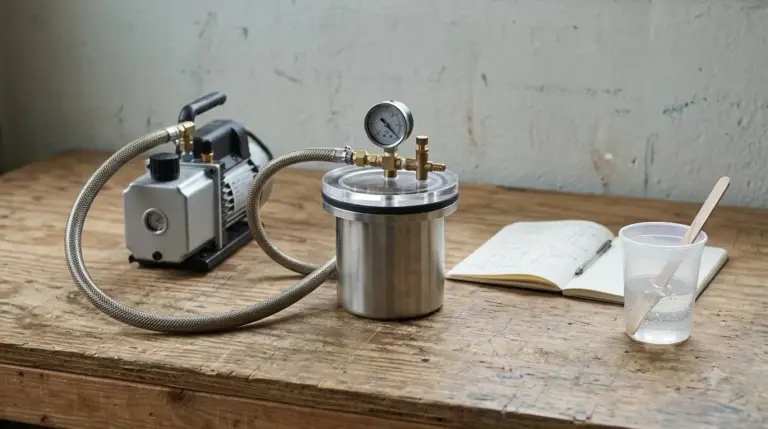 What Is Vacuum Degassing for Epoxy Resin and How It Removes Trapped BubblesUpdated Nov 26, 2026
 Epoxy Full Cure Time: How Long Before Your Project Is Ready to UseUpdated Nov 26, 2026
 Envirotex Lite Pour On Instructions for a Glossy, Bubble-Free FinishUpdated Nov 26, 2026
 Deep Pour vs Table Top Epoxy: Which Fits Your Project Depth and Cure TimeUpdated Nov 26, 2026
 High Temperature Epoxy for Metal: How to Pick One That Holds Up to HeatUpdated Nov 26, 2026
 Amazing Clear Cast Resin Instructions: Mix, Pour and Cure Without BubblesUpdated Nov 26, 2026