

We may earn a commission when you buy through links on this page, at no extra cost to you. Learn more.
The main types of resin for makers are epoxy (coating, casting and art formulations), UV resin, polyurethane and polyester, and each is built for a different job. Epoxy is a two-part system that typically cures over 24-72 hours, while UV resin is single-part and cures in seconds under ultraviolet light. Casting epoxy is water-thin and can have mixing ratios of 2:1 or 3:1, and coating epoxy may use 1:1 or 2:1. Choosing the right family up front saves material and prevents most beginner failures.
Resin is sold under many names, and the labels on the bottle do not always tell you how the product behaves. This guide sorts the common families by viscosity, cure method and typical use, so you can match a resin to your project before you open a container.
What Resin Is and Why the Type Matters
Resin is a liquid that hardens into a solid, and the family you choose controls how thick it pours, how long it stays workable and where it holds up. Most makers start with epoxy, but the word covers several products with different jobs.
Two-part epoxy requires you to combine a resin and a hardener, sometimes labeled Part A and Part B or base and catalyst. Mixing starts a chemical reaction that turns the liquid into a rigid, durable solid. Single-part UV resin skips the mixing step and relies on light to set.
Viscosity is the first thing to check. A thin, water-like product will flow into small gaps and bubbles rise out of it, while a medium-thick product stays where you put it. Read the technical data sheet from the manufacturer before you buy, because the same family can vary a lot between brands.
Coating Epoxy vs Deep Pour Epoxy
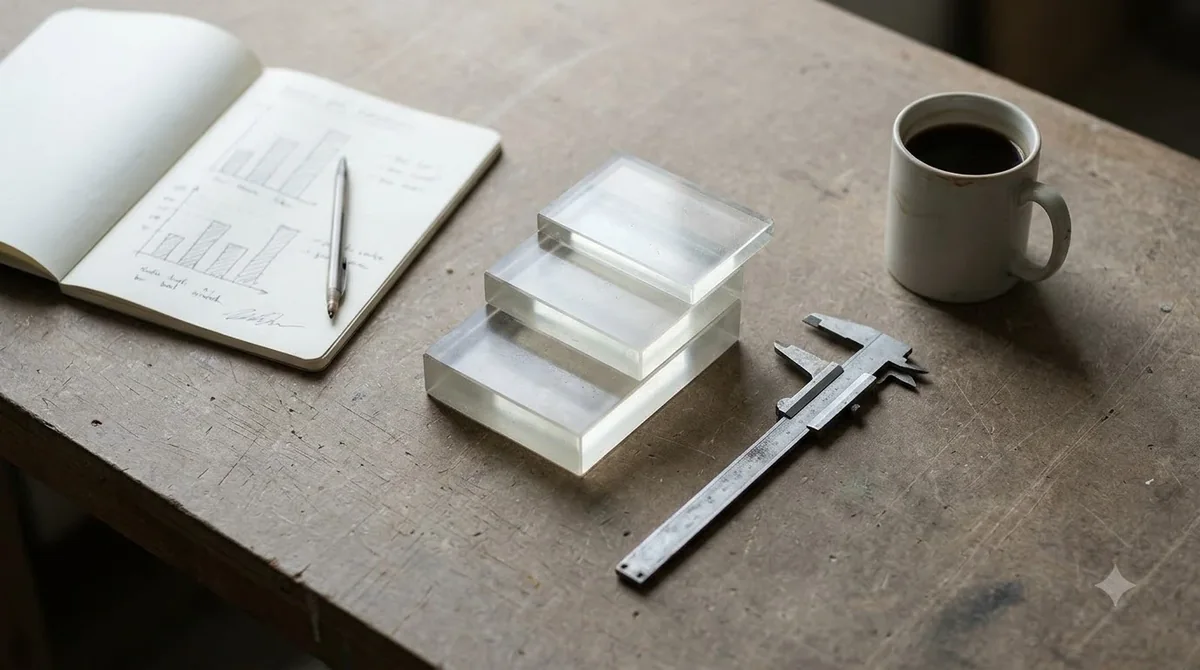
Coating epoxy and deep pour (casting) epoxy are the two epoxy types makers mix up most often. Coating resin is meant to seal a surface, while casting resin is meant to fill a mold or a thick void. Picking the wrong one is the most common reason a finish turns out cloudy, sticky or too shallow.
Coating epoxy is typically applied over wood, metal, concrete and fiberglass. It may use a 1:1 or 2:1 mixing ratio, depending on the brand. Coating formulas are made for surfaces that see wear, such as bar tops, counters and table tops, and they are designed to resist moisture, abrasion and chemicals once cured.
Casting epoxy has a low, water-thin viscosity and typically uses a 2:1 or 3:1 ratio. Because it flows so easily, it suits encapsulating small objects and filling deep molds. Cure times can run up to 7 days, and the product can take up to a week to fully cure depending on thickness and temperature. Pour in lifts rather than one thick layer if the manufacturer’s sheet recommends a maximum depth. ArtResin’s epoxy type guide lists the same up-to-7-day cure window for casting formulas.
If you are asking which resin to use for a deep pour or river table, casting epoxy is the usual starting point because it levels well and releases bubbles. Many river table projects also use a coating epoxy as a topcoat afterward. Check the maximum pour depth on the label, since that number decides how many pours you need.
| Resin family | Typical viscosity | Common mixing ratio | Typical use |
|---|---|---|---|
| Art epoxy | Medium-thick | Usually 1:1 | Art pieces, coasters, flow art, shallow molds, jewelry |
| Coating epoxy | Medium to thick | 1:1 or 2:1 | Countertops, serving trays, table tops, floors |
| Casting epoxy | Low, water-thin | 2:1 or 3:1 | Deep molds, encapsulation, sculptures, river tables |
Tip: Mark your mixing cups with the ratio before you start. A ratio that is off by a few percent can leave the finish soft or tacky.
UV Resin for Jewelry and Small Crafts
UV resin is a good fit for small, detailed work such as jewelry, charms and quick repairs. It is a single-part product that stays wet until ultraviolet light hits it, which gives you a long working time. Once exposed, it can set in seconds.
The trade-offs are real. UV resin is one of the most expensive resin types, it requires a UV lamp, and it can only be applied in thin layers over small areas. Thick pours will not cure through, so it is a poor choice for a tabletop or a deep mold.
Makers often use UV resin as a clear topcoat on wood, metal, plastic and fiberglass. Work in thin layers and cure each one before adding the next. Check the product’s technical sheet for the recommended layer thickness and lamp wavelength, because these vary by brand.
Polyurethane Resin for Floors and Outdoor Use
Polyurethane resin is a two-component system that cures to a solid, rubber-like plastic. Its strengths include weather resistance, impact resistance and adhesion to many materials, which is why it appears in coatings, adhesives, sealants and molds. Many hobbyists see it on product labels but rarely use it at home.
Polyurethane resin can release isocyanate, a respiratory irritant, so it calls for a respirator and good ventilation. Some polyurethane resins must be treated with a non-stick agent before casting into a mold, and the heat released while curing can damage some molds. Read the SDS and the maker’s instructions before you open the container.
For floors and outdoor surfaces, many people compare polyurethane with epoxy. The two behave differently under UV exposure and temperature changes, so the difference matters. For a deeper comparison, read our page on epoxy vs polyurethane before you buy.
Types of Epoxy Resin by Hardener and Cure Speed
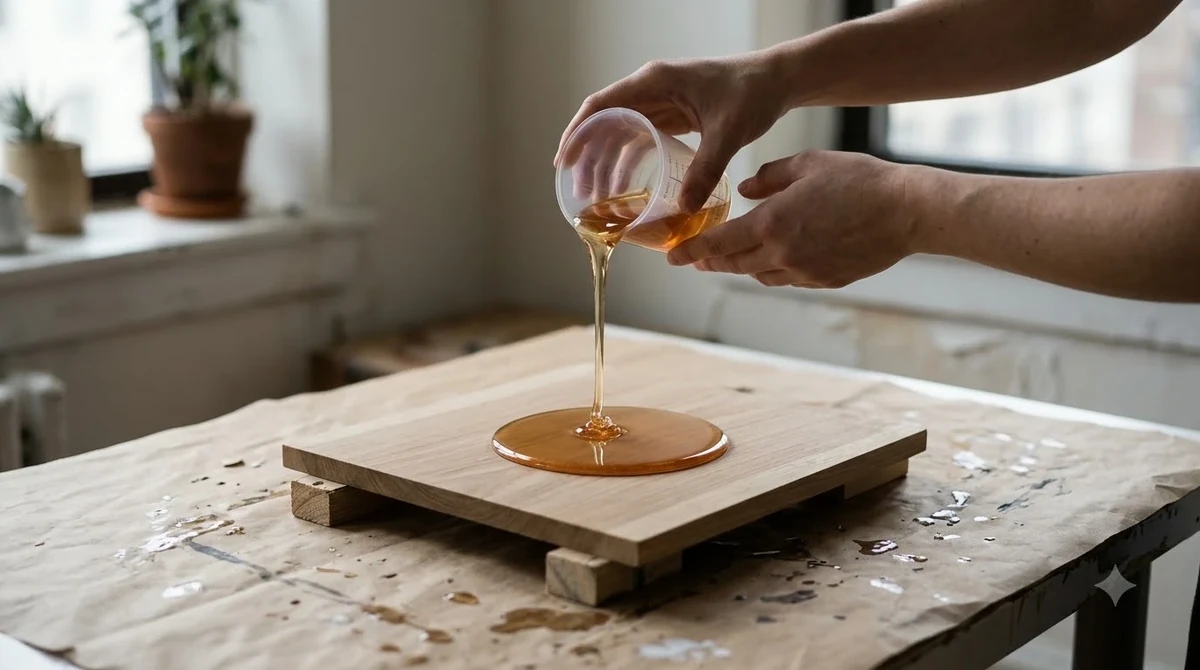
Epoxy behavior depends heavily on the hardener, because the hardener sets the reaction rate and the final cure. Faster hardeners give you a shorter working time, while slower ones give you more time to pour and level but a longer wait before handling.
Epoxy cure time typically runs 24-72 hours for the art and coating families, and casting formulas can take up to 7 days to fully cure. Cool or humid rooms slow the process, and very warm rooms can speed it up and shorten the pot life. Many manufacturers say epoxy adhesion weakens when temperatures climb above 177 °F, so keep finished pieces away from hot surfaces.
Polyester is a separate family that also uses a hardener, but the amount of hardener determines the cure time, which makes mixing harder to control. Polyester orthophthalic resin is economical but shrinks a lot when cured, while isophthalic polyester offers better water and chemical resistance and usually does not shrink. Polyester is common in boat parts and molds, and it has a strong odor.
For a more detailed timeline, see our page on how long does epoxy take to cure. Always follow the cure window printed on your product’s data sheet, since it varies by brand.
| Family | Parts | Typical cure | Best starting project |
|---|---|---|---|
| Art or coating epoxy | Two-part | 24-72 hours | Coasters, trays, table tops |
| Casting epoxy | Two-part | Up to 7 days | Deep molds, embedded objects |
| UV resin | One-part | Seconds under UV light | Jewelry, small charms |
| Polyurethane | Two-part | Quick to moderate | Industrial-style coatings and molds |
| Polyester | Two-part with hardener | Adjustable by hardener amount | Boat parts, molds, fiberglass work |
What Resin Should You Use for Your Project
Start with the job, not the product name. A tabletop needs a coating epoxy, an embedded object needs casting epoxy, and a small pendant needs UV resin. Matching the family to the job prevents most failed pours.
Ask four questions: how thick is the layer, how large is the surface, will it be handled or exposed to heat and moisture, and how much working time do you need. A thick layer points to casting epoxy, a large wear surface points to coating epoxy, and a small detailed piece points to UV resin. Buy slightly more than you calculate, because waste from mixing cups and stirring sticks adds up.
Watch for beginner mistakes. Using a thin resin for a thick pour leads to slow curing and bubbles. Using UV resin for a deep mold leaves soft spots underneath. Skipping the hardener ratio or mixing by eye causes sticky or cloudy results. Read the label, check the data sheet and test a small amount first.
Tip: Test a small batch on scrap wood or a disposable cup before committing to a large pour.
Safety, Curing and Common Mistakes to Avoid
Every resin family needs basic precautions. Wear nitrile gloves, work in a well-ventilated room and keep the product out of reach of children and pets. Read the product’s safety data sheet, which lists the required personal protective equipment for that specific formula.
Curing is where many projects fail. Keep the room within the temperature range on the data sheet, avoid cold or damp conditions, and give the piece the full cure time before handling it. Mixing thoroughly and scraping the sides and bottom of the cup prevents unmixed patches. Never pour leftover resin down a drain; let it cure fully and dispose of it according to local rules.
The biggest mistake is choosing a resin by price or name alone. Compare viscosity, mixing ratio, cure time and maximum pour depth first. Once you know those four numbers, the right family is usually clear.
Safety: Wear nitrile gloves and eye protection, use good ventilation, and follow the SDS for any polyurethane or polyester product, which may need a respirator.
Frequently Asked Questions
What is the difference between art resin, casting resin and coating resin?
Art resin is medium-thick and suits coasters, jewelry and shallow molds. Casting resin is water-thin and suits deep pours and embedded objects, often at a 2:1 or 3:1 ratio. Coating resin seals surfaces such as counters and trays and may use a 1:1 or 2:1 ratio.
Which resin is best for a deep pour or river table?
Casting epoxy is usually the first choice because it is thin enough to level and release bubbles. Check the maximum pour depth on the label and pour in layers if needed. Many builders then add a coating epoxy as a protective topcoat.
Is UV resin safe and how much does it cost?
UV resin is one of the most expensive resin types, so cost adds up quickly. Wear gloves, work in ventilation and follow the product’s SDS for handling. Check the data sheet for the lamp wavelength the manufacturer recommends.
Can I use polyester resin instead of epoxy for crafts?
Polyester can be used for some craft and mold work, but its cure time depends on how much hardener you add, which makes mixing harder to control. It also has a strong odor and can shrink during curing. Epoxy is usually the easier choice for beginners.
Pick the resin family that matches your thickness, surface and working time, then read the data sheet before you mix. If you are still unsure how to read those numbers, start with our Resin Basics & Q&A page for the terms you will see on every label.
More in Resin Basics & Q&A
 What Is Vacuum Degassing for Epoxy Resin and How It Removes Trapped BubblesUpdated Nov 26, 2026
 Epoxy Full Cure Time: How Long Before Your Project Is Ready to UseUpdated Nov 26, 2026
 Envirotex Lite Pour On Instructions for a Glossy, Bubble-Free FinishUpdated Nov 26, 2026
 Deep Pour vs Table Top Epoxy: Which Fits Your Project Depth and Cure TimeUpdated Nov 26, 2026
 High Temperature Epoxy for Metal: How to Pick One That Holds Up to HeatUpdated Nov 26, 2026
 Amazing Clear Cast Resin Instructions: Mix, Pour and Cure Without BubblesUpdated Nov 26, 2026