


We may earn a commission when you buy through links on this page, at no extra cost to you. Learn more.
Can you put food in resin? Yes, as a decoration, if the food is completely dry and every inch of it is fully covered. According to ArtResin, a resin maker, the coating must block air from reaching the item. Dehydrating fruit and sealing candy before pouring helps prevent rot and bleeding. Resin cures in a few hours to a few days, and the piece is not safe to eat once it is encased.
This guide explains which foods hold up better inside cured resin, why moisture and fading cause problems, and how to keep resin work away from your kitchen. It draws on resin maker instructions and FDA food contact records, so you can judge the risks yourself before you start.
Can You Put Food in Resin Without Ruining It?
Dry, low-moisture items with full coverage give the best results. Resin works as a sealed display, not as a food storage method.
ArtResin says its epoxy can be used on food when the item is completely dry and fully covered, which keeps the food’s appearance from changing quickly. The word to focus on is appearance. The coating slows exposure to air, but it does not turn the food into a stable, edible material.
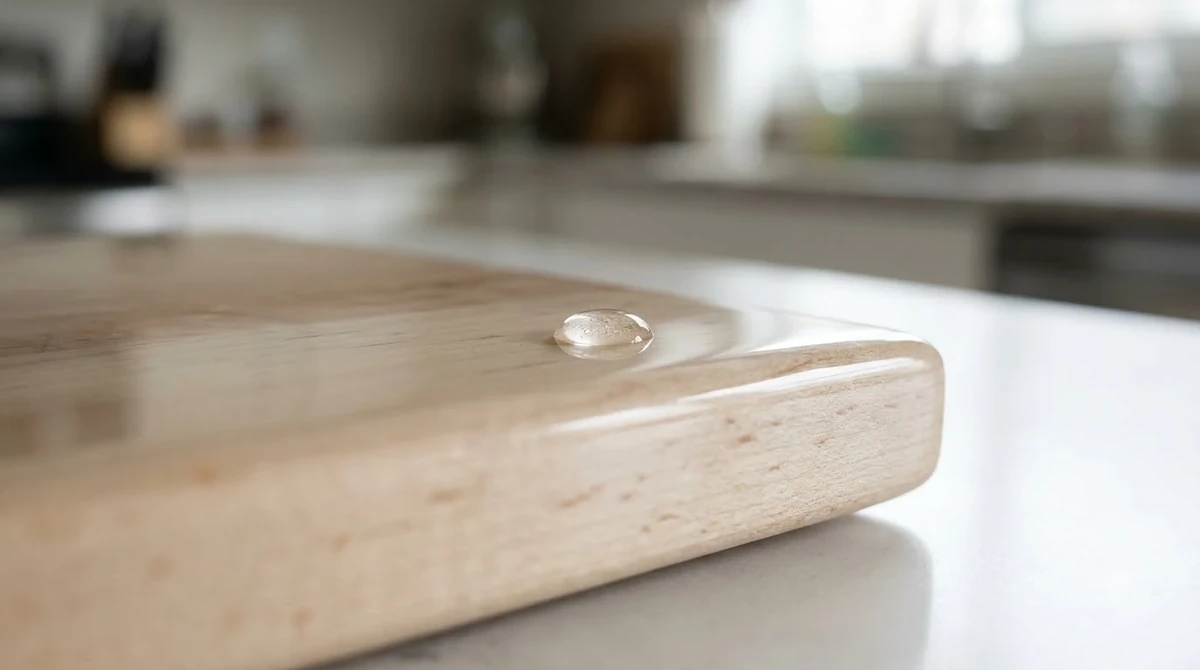
Treat the finished piece as a keepsake. Once resined, the food is not safe to eat, and a clean-looking surface does not change that. Many crafters start with a single test piece so they can see how a specific food reacts before committing a larger project.
Plan for the piece to change slowly over time. The resin protects the surface from air, but the food inside still ages, so expect some change in color or texture after months or years on display.
Food in Epoxy: What Happens After the Cure
Cured epoxy seals the food, but it does not make the food safe to consume. Federal food contact records cover specific coatings and adhesives, not craft embedding.
The FDA inventory of effective food contact substance notifications states that each notification is effective only for the manufacturer or supplier it names. The entries cover items such as an epoxy coating for repeated contact with beer and a monomer for can coatings. None of those listings covers a hobby resin holding a cookie or a candy.
Keep in mind that a notification names a specific manufacturer and specific use conditions. A craft resin sold for tabletop projects falls outside those listings, so it should not be assumed to meet food contact standards.
For the wider question, read is epoxy food safe before you decide how a piece will be used. Check the resin’s technical data sheet and SDS, not a general claim on a website. A manufacturer’s data sheet tells you the intended use, the mixing ratio, and the handling precautions for that exact product.
Read the product label carefully when you buy. Many resins are sold for art and crafts, and that label does not mean the cured surface is approved for food contact. Ask the manufacturer directly if a food-contact claim matters for your project.
| Food type | Suitability | Why |
|---|---|---|
| Fondant cake decorations | Often used | Listed by ArtResin; must be fully dry |
| Cookies and baked goods | Often used | Listed by ArtResin; dehydrate or dry thoroughly |
| Candy | Seal first | May bleed color; seal with a clear, fast-drying sealant |
| Chocolate or sugar | High risk | Heat from curing resin may melt them |
| Fresh fruit | Dehydrate first | Moisture drives rot; must be fully dried |
| Burgers and fries | Listed by ArtResin | Preservative-rich; must be completely dry |
Will Food Rot in Resin?
Food can rot inside resin if moisture stays in it. The coating seals the surface but cannot pull water out of the item.
ArtResin warns that food not completely dry can trap moisture, which may cause rot even after coating. The same source notes that moisture can keep resin from curing properly. Check every item for dampness before it goes into the mold, and give it extra time to dry if you are unsure.
Color is another issue. ArtResin says natural food colors are not lightfast and can fade over time, especially in light. Keep finished pieces out of direct sun, and read food coloring in resin if you plan to tint the piece.
Watch for warning signs such as odor, soft spots, or spreading cloudiness. Keep finished pieces away from humid spaces like bathrooms and garages. If a piece shows signs of decay, discard it rather than trying to repair it, because the food inside cannot be inspected once it is encased.
How to Preserve Food in Resin, Step by Step
Preparation matters more than the pour. Dry the food fully, seal anything that bleeds, and test your process on a small piece first.
- Choose dry items. Start with cookies, fondant, or other low-moisture foods.
- Dehydrate fruit completely. ArtResin says drying removes moisture that causes rot.
- Seal bleeding items. Coat candy with a clear, fast-drying sealant before resin.
- Test first. ArtResin recommends small practice pieces if you are new to resin.
- Set up the workspace. Work at room temperature in a dust-free area.
- Use water-clear art resin. Choose one with UV stabilizers, and follow the manufacturer’s mixing instructions.
- Cover every surface. Pour so the food is fully encased and no air reaches it.
- Allow full cure. Cure times run from a few hours to a few days, depending on the product.
Dryness is the step most people underestimate. Give fruit more time than you think it needs, and check for tackiness or cool, damp spots before sealing. If anything still feels moist, wait longer rather than pouring over it.
Resin gives off heat as it cures, so chocolate or sugar may melt. If the surface turns sticky or cloudy, check the product’s instructions for mixing ratio and temperature, and confirm the food was dry. Most cure problems trace back to measuring, moisture, or temperature, so check those three first.
Tip: Keep a labeled set of cups and stirrers for each project, so you can match a test piece to the final pour.
Keeping Resin Food Projects Out of the Kitchen
Dedicated tools and a separate workspace keep resin residue away from food prep. Mixing equipment used for resin should not return to the kitchen.

Use separate mixing cups, stir sticks, and gloves for resin work only. Label them so no one grabs them for cooking. Clean up with the method the product’s instructions describe, and dispose of leftover resin as the label directs.
Wear nitrile gloves and work in a ventilated space. Read the product’s SDS before you open it, and keep resin materials away from food storage areas, countertops, and anywhere you prepare meals.
Store resin supplies in a cabinet away from food, and keep cured pieces where children and pets cannot pick at them. Cover your work surface with disposable material so drips do not end up on dishes or cutting boards.
Safety: Wear nitrile gloves, ventilate the room, and follow the SDS for the specific resin you use.
Frequently Asked Questions
Is resin-preserved food safe to eat?
No. ArtResin states that once food is resined, it is not safe to eat. Treat the finished piece as decoration and keep it away from children and pets.
What kind of resin should I use for embedding food?
ArtResin recommends a water-clear resin meant for art and crafts that contains UV stabilizers. Follow the manufacturer’s mixing instructions, and work at room temperature in a dust-free area.
How do you seal candy before putting it in resin?
ArtResin advises using a clear, fast-drying sealant on items that may bleed, such as candy, before applying resin. Test the sealant on a small piece first to confirm the color stays put.
Does resin get hot when curing food?
Yes. ArtResin says resin generates heat as it cures, so heat-sensitive items like chocolate or sugar may melt. Choose low-melt items for your first projects.
Food in resin works best as a dry, sealed display. Choose low-moisture items, test first, and keep resin tools separate from the kitchen. For more on handling materials, see Resin Safety.
More in Resin Safety
 Is There a Food Safe Epoxy? Yes, but Only When Fully CuredUpdated Nov 26, 2026
 How to Get Rid of Epoxy Smell: Fixes That Actually Reduce OdorUpdated Nov 26, 2026
 Do You Need a Respirator for Resin? When Ventilation Is Enough and When It Isn’tUpdated Nov 26, 2026
 Food Coloring in Resin: Results, Fading and Safer AlternativesUpdated Nov 26, 2026
 Is Epoxy Food Safe Once Fully Cured? What Makers Need to KnowUpdated Nov 26, 2026
 Is EcoPoxy Food Safe? What Makers Should Verify Before UseUpdated Nov 26, 2026