

We may earn a commission when you buy through links on this page, at no extra cost to you. Learn more.
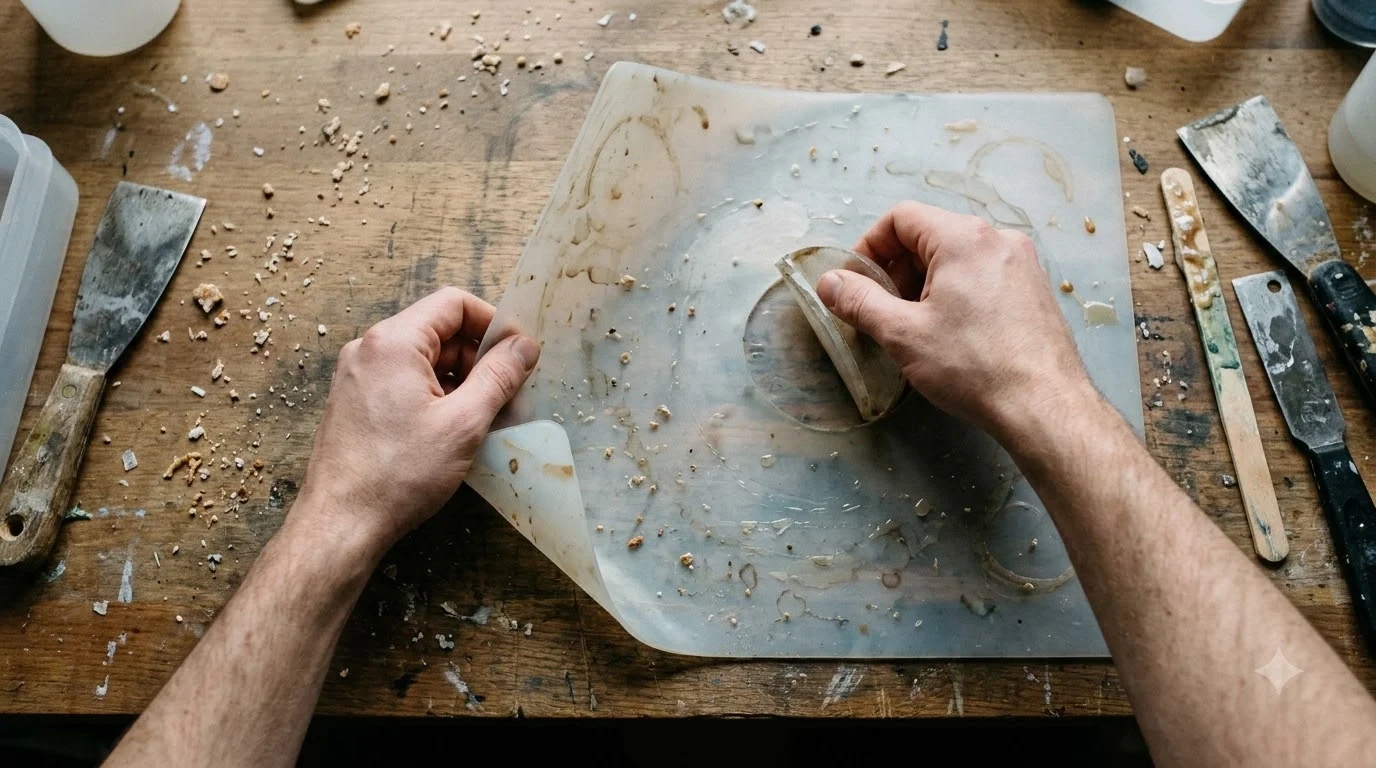
Does epoxy stick to vinyl? Usually not well on its own, because vinyl is one of the materials epoxy resin is known not to bond to. Some guides still show epoxy sealing a vinyl decal when it is poured over a wooden sign, since the wood gives the epoxy something to grip. For a bond on the vinyl itself, you need to clean the surface, scuff it lightly, and test a small area first. Check the vinyl maker’s instructions and the epoxy’s technical data sheet before you start.
This guide explains why vinyl is hard for epoxy to bond to, what you can realistically expect from a coating over vinyl flooring, siding, or decals, and how to prep the surface so you do not end up with peeling or cloudy patches. It also covers the test patch method and the common failures that show up after the cure.
Why Vinyl Is Hard for Epoxy to Bond To
Vinyl sits on the list of materials that epoxy resin does not stick to, along with silicone and rubber. Several guides group these surfaces together because they resist wetting and chemical bonding. The result is that liquid epoxy beads up or lifts away instead of forming a firm grip.
Vinyl is a plastic, and many vinyl products contain plasticizers that keep the material flexible. Those additives can migrate to the surface over time, which makes the top layer slippery and harder for epoxy to grab. This explanation is general chemistry rather than a lab result, but it matches why prep matters so much on vinyl.
The table below compares how common surfaces tend to behave with epoxy, based on the material lists in the sources and general practice.
| Surface | Typical epoxy behavior | What to do |
|---|---|---|
| Vinyl, silicone, or rubber | Listed as materials epoxy does not stick to | Clean, scuff, prime, and test first |
| Natural, untreated wood | Porous, and epoxy bonds well to it | Seal and coat as usual |
| Glass | Bonds with resin, per one guide | Clean thoroughly before pouring |
| Ceramic tile | Finish resists epoxy | Lightly sand, then test |
Can You Epoxy Over Vinyl?
You can pour epoxy over vinyl in some situations, but the vinyl usually does not form the bond. One guide describes sealing a vinyl decal on a wooden sign by pouring epoxy over the top. The epoxy grips the wood underneath, and that grip helps hold the decal in place. One resin crafter describes this vinyl decal sealing method on a wooden sign with SVG wording.
This approach works best when the vinyl is a decal on a porous base and the epoxy is sealing the whole piece. It does not mean the epoxy will adhere to the vinyl as strongly as it adheres to wood. If the decal edges lift during the pour, the epoxy may flow underneath and cause problems.
For vinyl flooring or vinyl siding, plan for a surface that needs more work than a simple pour. Floor coatings are a different category, and you should read about how different surfaces behave with resin before you commit to a full-room project. Test every product on a small hidden area first.
Surface Prep: Cleaning and Scuff Sanding Vinyl
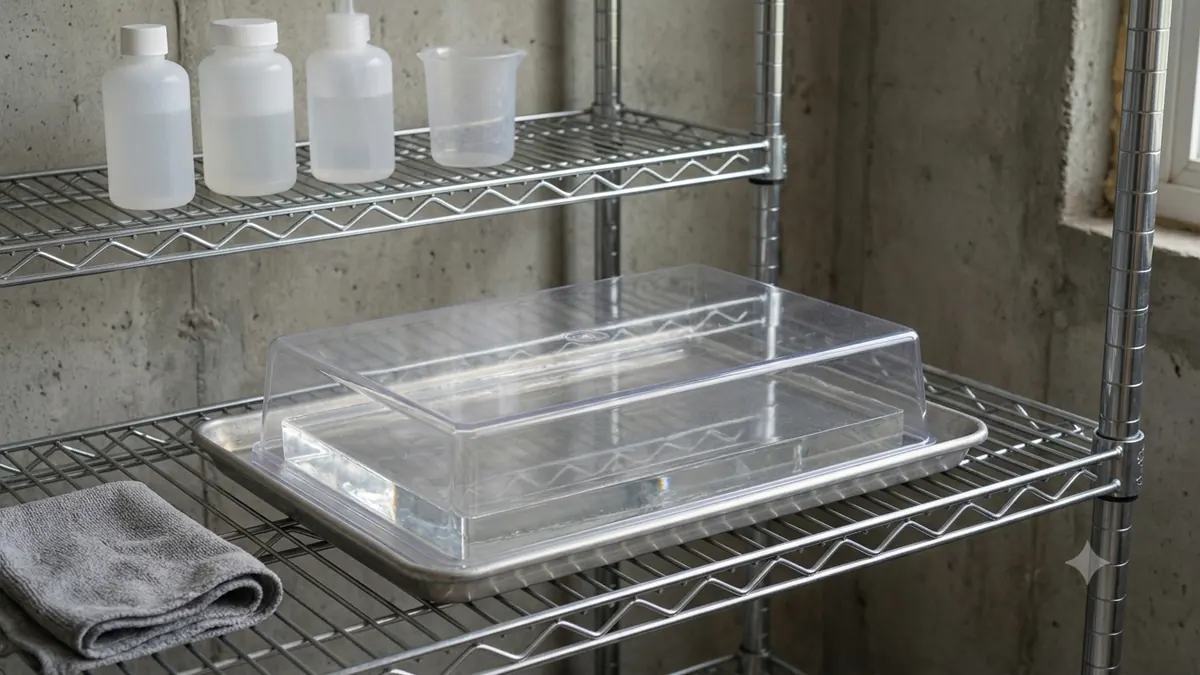
Prep is the step that decides whether epoxy has any chance to hold on vinyl. Clean the surface first, then scuff it so the coating has more texture to grip. Skipping either step makes peeling more likely.
Start by removing dust, grease, and any wax or polish with a cleaner that the vinyl maker approves. Let the surface dry fully. Oils from your hands can also interfere, so wear clean nitrile gloves once the cleaning is done.
Next, scuff the vinyl with fine sandpaper. The sources recommend 180-grit paper for cured epoxy before a new layer, and that same grit is a common starting point for scuffing a smooth surface. Sand lightly, just enough to dull the shine. Wipe away all dust before you mix any resin.
- Clean. Remove dirt, grease, and polish, then let the vinyl dry completely.
- Scuff. Sand lightly with fine paper until the gloss is gone.
- Wipe. Remove every trace of sanding dust with a clean, lint-free cloth.
- Test. Move to the primer or bonding step described below before pouring.
Choosing a Primer or Bonding Agent for Vinyl
A primer or bonding agent can improve the grip between vinyl and epoxy, but the sources do not name a specific product for vinyl. Pick one that the manufacturer lists as compatible with both plastics and epoxy. Read the technical data sheet for the coating and the primer before you buy.
Look for these details on the label or data sheet: recommended surface prep, recoat window, and whether the product is meant for plastic substrates. If the data sheet says a primer needs a set time before topcoating, follow that time exactly. Rushing the cure is a common reason coatings fail on smooth plastics.
Some people use a thin layer of a clear sealer first, then add the resin. This can help, but it is still a test-and-check decision. Owners and crafters report mixed results, so a small patch is the only reliable way to know.
Tip: Mark a test area on the back or underside of the piece. Coat it with the same primer and resin you plan to use, then check adhesion after the full cure.
Test Patch Method Before Full Coating
A test patch shows you whether epoxy will hold on your specific vinyl before you spend time and material on the full job. Pick a hidden spot, prep it the same way as the main surface, and apply the primer and resin exactly as planned. Use the same temperature and humidity you will have on the real project.
Wait for the full cure time listed on the data sheet, not just the time until the surface feels dry. Then try to lift an edge with a plastic scraper or fingernail. If the coating peels in a sheet, the bond is too weak for the project.
Repeat the test if you change the vinyl brand, the cleaner, or the epoxy. Small differences in the vinyl formula can change the result. Keep notes on which prep steps worked so you can repeat them later.
Common Failures: Peeling, Clouding, and Soft Spots
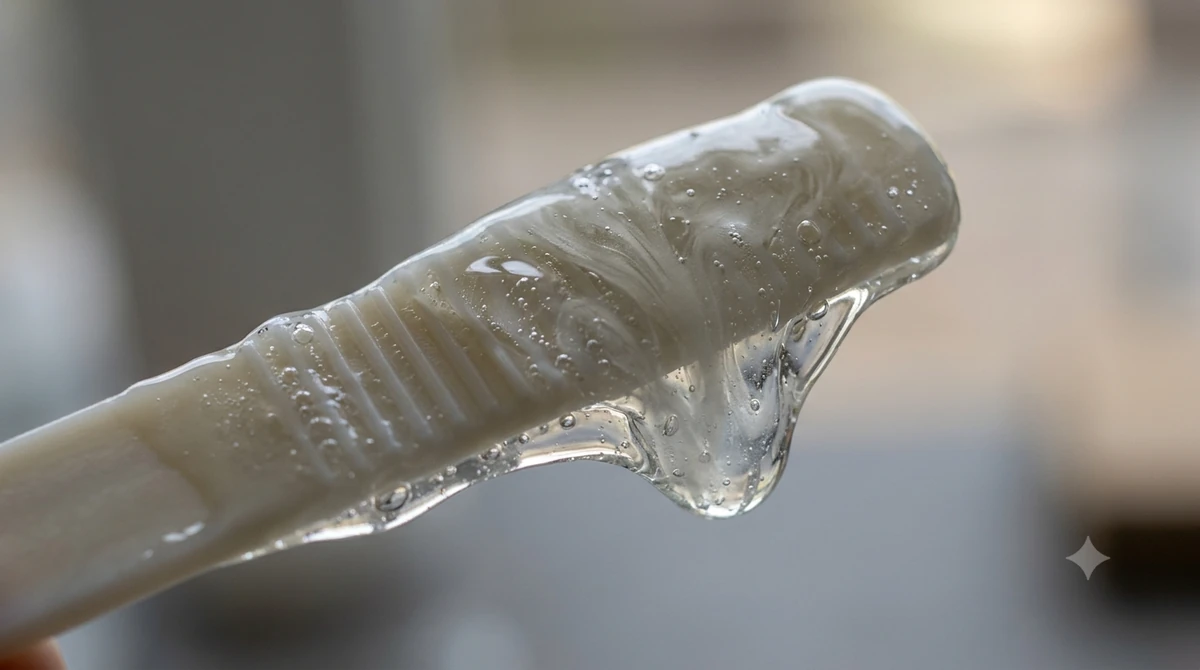
Most vinyl failures show up in one of three ways: peeling, clouding, or soft spots. Each has a different likely cause, and the table below helps you connect the symptom to a fix. Early signs are easier to correct than a full recoat.
| Symptom | Likely cause | What to do |
|---|---|---|
| Peeling or lifting edges | Weak bond, skipped scuffing, or oily surface | Remove the coating, clean, scuff, and retest |
| Cloudy or hazy finish | Moisture, contamination, or incompatible primer | Check the data sheet and recoat with a dry surface |
| Soft or tacky spots | Incomplete mix or cure outside the recommended range | Check mix ratio and temperature, then allow more cure time |
Clouding can also come from the work surface itself. If wax from a liner or paper gets into the resin, the finish can turn foggy. This is the same reason parchment and wax paper cause cloudiness in other projects, so keep any liners clean and dry around the vinyl.
Soft spots usually point to a mix problem. Measure the resin and hardener exactly as the data sheet states, and mix for the full time listed. Then keep the piece at the temperature range the manufacturer recommends during cure.
Safety: Wear nitrile gloves and work in a ventilated space. Read the epoxy’s safety data sheet for respirator guidance, and keep the room well ventilated during sanding and curing.
Frequently Asked Questions
Does epoxy stick to vinyl decals?
Epoxy does not usually bond to vinyl itself, but a decal can be sealed when the epoxy is poured over a porous base like wood. The wood gives the epoxy a grip that helps hold the decal down. Test a small area first.
Can you seal a vinyl decal with epoxy resin?
Yes, several crafters seal vinyl wording on wooden signs with a pour. The vinyl is not the surface that bonds, so the base material matters. Keep the decal edges flat and check the cure before handling.
Do I need to sand vinyl before coating it with epoxy?
Light scuffing is a common step because it gives the coating more texture to grip. Clean the surface first and wipe away all dust. Follow the vinyl and epoxy manufacturer instructions for the final prep.
Is epoxy stuck to vinyl hard to remove if it fails?
Failed coatings on vinyl often lift in sheets because the bond is weak. Removal method depends on the coating and the vinyl. Check the data sheets for both products before you attempt removal, and test on a hidden spot.
Before you coat vinyl, test a small area, prep the surface, and follow the data sheet for the primer and resin. For more on other plastics, read does epoxy stick to plastic and does epoxy stick to silicone before you choose your materials.
More in Surfaces & Materials
 Can You Epoxy Over Wallpaper? The Prep Steps That Help It StickUpdated Nov 26, 2026
 Can You Epoxy Over Tile? Prep Steps That Help It BondUpdated Nov 26, 2026
 Can You Epoxy Over Laminate? Prep Steps and Limits for DIY SuccessUpdated Nov 26, 2026
 How to Seal Wood Before Epoxy for a Bubble-Free, Even FinishUpdated Nov 26, 2026
 Can You Epoxy Over Granite Countertops? Prep, Adhesion and Heat LimitsUpdated Nov 26, 2026
 Can You Epoxy Over Painted Wood? When It Works and How to Prep ItUpdated Nov 26, 2026