

We may earn a commission when you buy through links on this page, at no extra cost to you. Learn more.
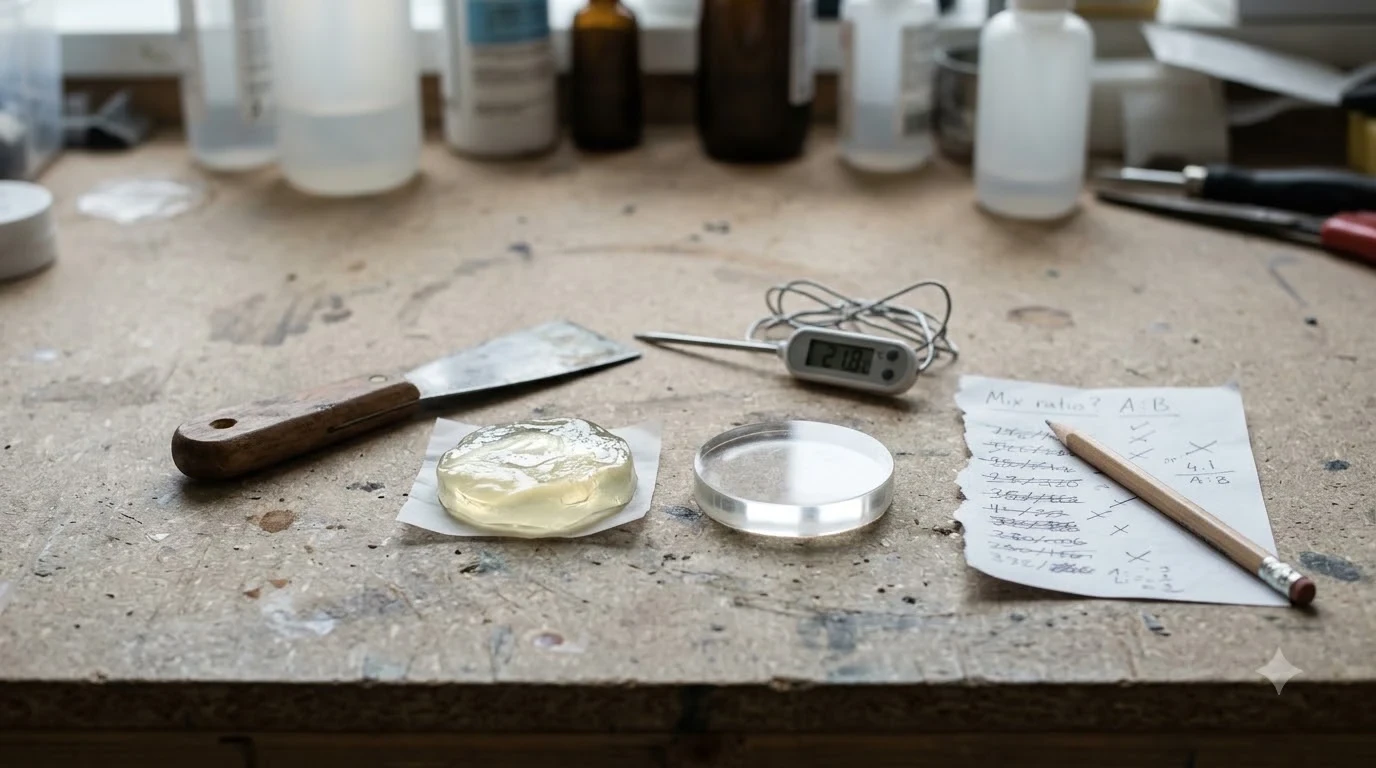
Does epoxy stick to silicone? In most cases, no, because cured silicone has very low surface energy and epoxy cannot grip it. Sources note that epoxy generally does not bond to cured silicone, silicone caulk or sealant, and that uncured silicone gives very poor adhesion. That is why silicone is so widely used as a mold material for epoxy. Only rigid, carefully primed assemblies have any realistic chance of a bond.
This guide explains why epoxy resists silicone, how to test a surface before you commit to a full pour, and which prep and release methods makers use to get clean results on silicone molds and mats. It also covers what to do when a bond or a release goes wrong.
Why Silicone Is Hard for Epoxy to Bond To
Epoxy stays on silicone poorly because of surface energy and chemistry. The short version is that silicone is slippery at the molecular level, so liquid epoxy does not spread out and anchor itself.
Surface energy describes how readily a liquid wets and flows across a surface. Sources describe silicone as a very low surface energy material to which epoxy will not bond. Silicone’s flexible, water- and oil-repellent chains also do not connect well with hardened epoxy. The Resiners guide on epoxy and silicone explains that silicone’s smooth, non-reactive surface leaves epoxy nothing to grip.
Silicone is also smooth and non-porous, so epoxy has little texture to grip. Because silicone stays soft while epoxy cures rigid, the two materials move differently. Under flexing, the bond line often cracks or peels.
Does Epoxy Stick to Silicone Molds and Mats?
No, and that is the reason silicone molds work so well. Silicone is often chosen as a mold material because it naturally resists epoxy and other resins. Cured epoxy can usually be lifted out cleanly once it has set.
Silicone mats and sheets behave the same way. A bond to a mat is unreliable, so plan on the epoxy releasing rather than adhering. Mold makers commonly list silicone rubbers such as platinum-cure products as non-stick to epoxy, though product sheets should always be checked for the specific material you own.
Cleanliness matters even on a non-stick surface. Dust, oil or leftover silicone oils on a mold can cause epoxy to stick in places, so the mold should be cleaned before every pour.
Does Resin Stick to Silicone?
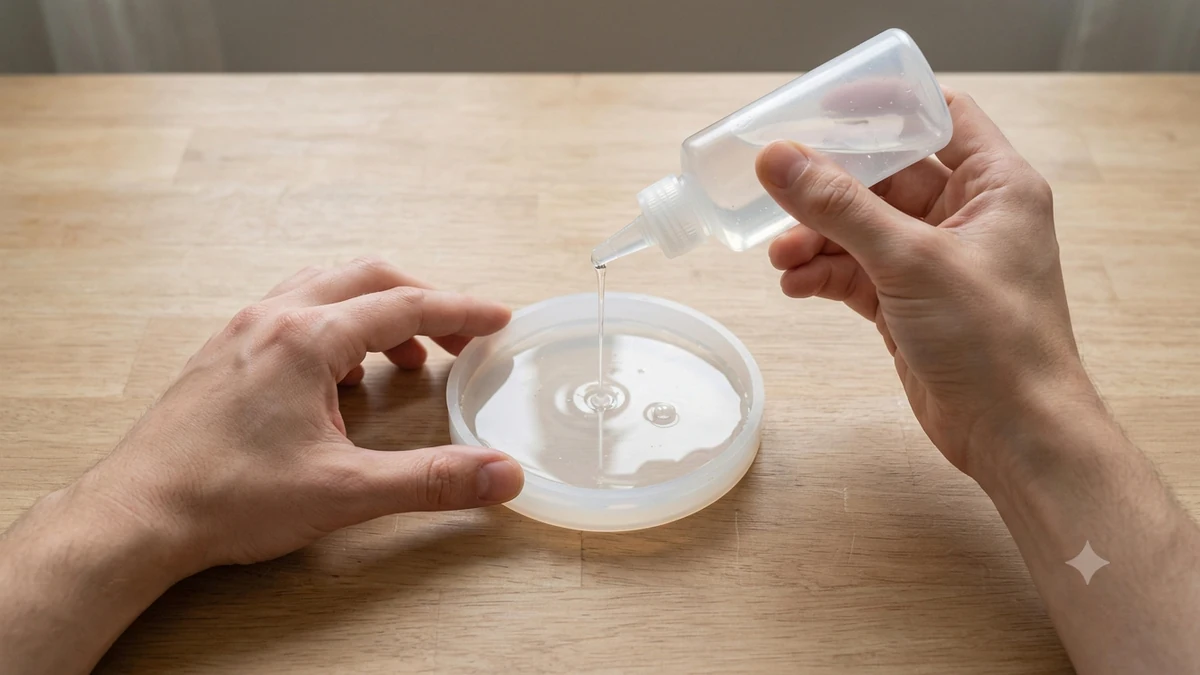
Resin generally does not stick to cured silicone. Epoxy casting resin and clear coating resin behave the same way, because the problem is the silicone surface, not the specific brand of resin.
Silicone’s non-stick behavior is an advantage for casting. A mold made from cured silicone lets you remove a resin casting without a bond, which supports repeat use. The ResinPro FAQ on epoxy and silicone notes that cured silicone moulds allow clean, easy removal of epoxy castings, and that epoxy does not guarantee adhesion to silicone.
Resin on silicone is not the same as resin on a silicone part you want to keep. If you need a permanent joint, the resin will need a primer or a different adhesive, and even then a guaranteed bond is not assured.
Will Resin Stick to Silicone Surfaces?
Resin will not reliably stick to silicone surfaces, so treat any bond as a bonus rather than a plan. Sources agree that adhesion is a challenge and may require dedicated surface primers or alternative glues.
Silicone caulk and sealant are also poor partners for epoxy. Sources list cured silicone as poor adhesion, silicone caulk and sealant as weak, and uncured silicone as very poor. If you are trying to coat over a bead of caulk, expect peeling.
Flexibility is another limit. Epoxy is rigid once cured, so it suits only rigid or semi-rigid assemblies with minimal movement. Silicone parts that flex or stretch will break the bond over time.
How to Test Adhesion on Silicone Before a Full Pour
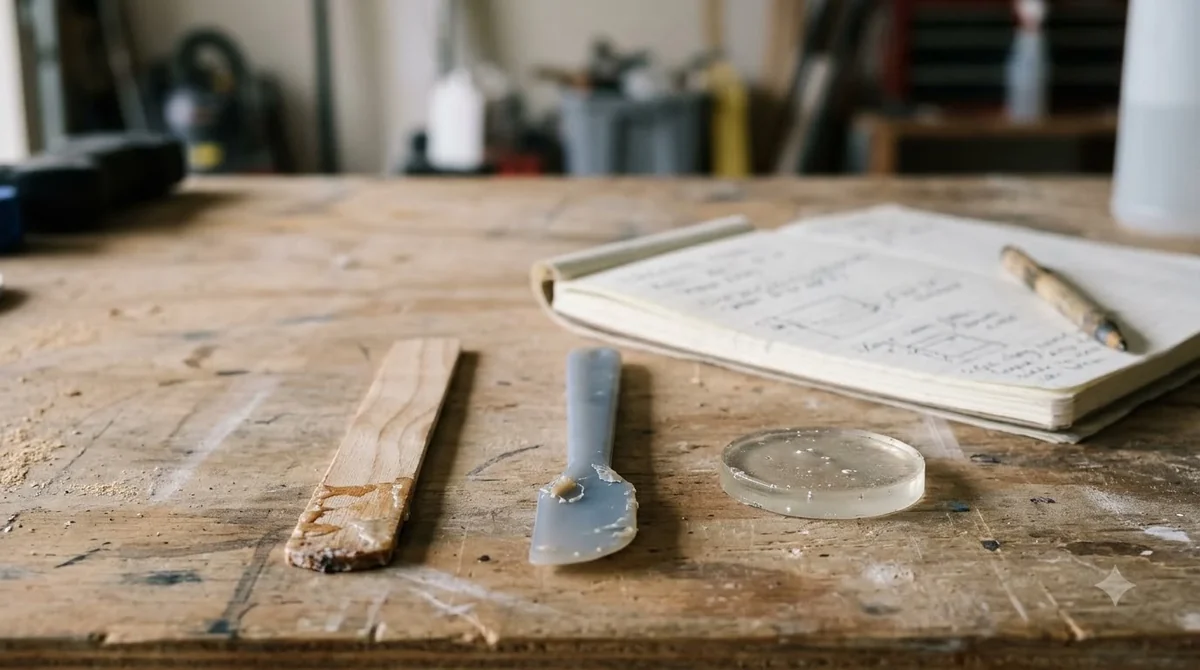
A small test piece will tell you more than any general rule. Testing takes a little time but can save a full batch of resin and a ruined mold or project.
- Clean the silicone. Wipe the area with rubbing alcohol to remove oils and dust, then let it dry completely.
- Dry the surface gently. Sources suggest a heat gun used gently to dry the surface. Keep the heat moderate and move the gun constantly.
- Prepare a test patch. Mix a small amount of epoxy following the manufacturer’s data sheet for mix ratio and working time, and apply it to a small area.
- Allow full cure. Check the data sheet for the cure time. Do not judge adhesion while the resin is still soft.
- Stress the joint. Gently flex the silicone and try to lift the edge of the resin with a blunt tool. Peeling or lifting means the bond is not usable.
Repeat the test on a second piece if you plan to use a primer, so you can compare results. If the patch releases cleanly without any primer, the surface is working as a release surface.
Prep Methods and Mold Release Options
Sources list several ways to improve adhesion to silicone, but none guarantees a result. Choose the method based on whether you want a bond or a clean release.
| Goal | Method | What to know |
|---|---|---|
| Clean the surface | Rubbing alcohol, then full drying | Removes oils and dust that block contact |
| Dry the surface | Gentle heat gun | Use moderate heat to avoid damaging the silicone |
| Improve grip | Silicone-compatible primer | Sources describe it as changing surface chemistry; results vary |
| Activate the surface | Corona or plasma treatment | Usually an equipment-based process rather than a shop method |
| Release from a mold | Clean mold, use a release agent | A release agent creates a barrier that helps removal |
Tip: Clean a mold with alcohol or mineral spirits before each use if it looks dirty or oily. Let it dry fully before pouring.
For a mold, the goal is release rather than adhesion, so skip the primer. For a joint, primers and surface activation are the only tools sources mention, and even then you should test first.
Troubleshooting Peeling, Residue, and Cure Issues
Peeling usually means the surface was not clean, the bond line flexed, or the resin was applied to a surface that was never meant to bond. Start by checking the surface before blaming the resin.
Residue on a silicone mold often comes from an oily surface, leftover release agent or a previous pour. Wipe the mold with alcohol or mineral spirits, let it dry, and test a small pour.
| Symptom | Likely cause | Fix |
|---|---|---|
| Resin lifts at the edge | Movement or flexing on a rigid bond | Choose a flexible adhesive or a different method |
| Sticky patches on a mold | Oil or dust on the surface | Clean thoroughly and dry before pouring |
| Cloudy film left on silicone | Residue from release agent | Clean and test a small area first |
| Soft or tacky resin | Incomplete cure or wrong mix ratio | Follow the data sheet for ratio and cure time |
If the resin is still tacky, the cause is more often the mix or the cure than the silicone. Check the mix ratio and allow the full cure time before stressing the piece.
Safety Tips and Surfaces to Compare
Epoxy work calls for basic protection. Wear nitrile gloves, work in a ventilated space and read the product’s safety data sheet before mixing. Keep the workspace clean so that contamination does not spread to molds or test pieces.
Safety: Wear nitrile gloves and ventilate the area. Follow the safety data sheet for the specific epoxy and any cleaning solvent you use.
For comparison, epoxy bonds better to rigid plastics like acrylic and vinyl than to flexible plastics or rubber. Sources also note that epoxy bonds to clean, slightly abraded glass and to clean metal such as steel and aluminum. If your project needs a bond, a surface like glass is far more predictable than silicone. For more on those surfaces, read does epoxy stick to glass or compare does epoxy stick to plastic before you choose materials.
Frequently Asked Questions
What glue sticks to silicone?
Sources point to silicone-based adhesives, such as silicone RTV sealants, as the most suitable option for silicone-to-silicone joints. Cyanoacrylate with a silicone primer is suited only to temporary or positioning bonds.
Can you pour epoxy over silicone?
You can pour epoxy onto cured silicone, but it will usually not bond and may slide or peel off. This is why silicone works well as a mold. If you need a permanent layer, test a small patch first.
Is silicone a good mold for epoxy resin?
Yes, silicone is a common mold material for epoxy because cured resin releases from it easily. Clean the mold with alcohol or mineral spirits before use if it is dirty or oily.
Can I make epoxy stick to silicone with primer?
A silicone-compatible primer may improve adhesion, but sources say results are not guaranteed. Clean and dry the surface first, then test a small patch and stress it before relying on the bond.
Silicone is best treated as a release surface, not a bonding surface, for epoxy projects. If you need a permanent joint, test on a scrap piece and choose a rigid, primed setup. Compare your surface with Surfaces & Materials to plan the right prep for your project.
More in Surfaces & Materials
 Can You Epoxy Over Wallpaper? The Prep Steps That Help It StickUpdated Nov 26, 2026
 Can You Epoxy Over Tile? Prep Steps That Help It BondUpdated Nov 26, 2026
 Can You Epoxy Over Laminate? Prep Steps and Limits for DIY SuccessUpdated Nov 26, 2026
 How to Seal Wood Before Epoxy for a Bubble-Free, Even FinishUpdated Nov 26, 2026
 Can You Epoxy Over Granite Countertops? Prep, Adhesion and Heat LimitsUpdated Nov 26, 2026
 Can You Epoxy Over Painted Wood? When It Works and How to Prep ItUpdated Nov 26, 2026