

We may earn a commission when you buy through links on this page, at no extra cost to you. Learn more.
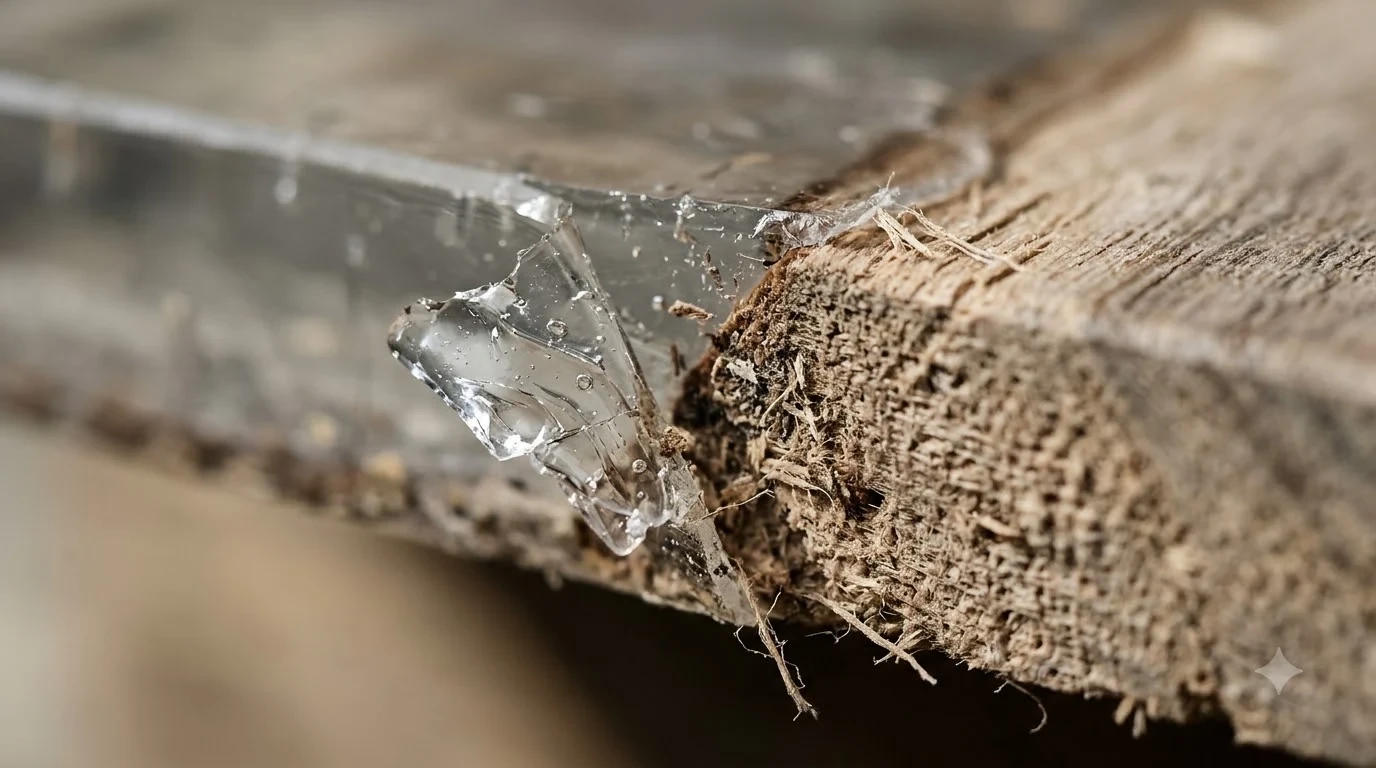
Does epoxy stick to glass? Yes, epoxy sticks to glass, but only when the surface is thoroughly cleaned and lightly abraded first. Glass is smooth and non-porous, so epoxy has little texture to grip and relies mostly on surface contact. Epoxy King recommends isopropyl alcohol at 90% concentration or higher for cleaning, followed by light sanding with 220-320 grit sandpaper. Allow about 5-10 minutes for the alcohol to evaporate before you apply any resin.
Many DIYers ask this before coating a coffee table, sealing glass tiles or casting a piece into a glass vessel. The short answer is yes, but the result depends on preparation, the environment and how the glass is used. This guide explains why glass is harder to bond to, what the sources recommend for prep, and which mistakes most often lead to peeling.
Why Epoxy Bonds to Glass Differently
Epoxy bonds to glass mainly through surface contact, not mechanical grip. Glass has no pores or surface irregularities for resin to flow into, so any film of oil or dust stops the epoxy from touching the glass directly.
Incure notes that because glass offers nothing to grip beyond surface adhesion, careful preparation is the difference between a durable bond and an early failure. Epoxy King describes the bond as more like a suction cup than a hook. Both can hold, but a suction cup resists force less well, which is why light sanding is worth the extra step.
| Factor | What the sources say | What it means for your project |
|---|---|---|
| Glass surface | Smooth and non-porous | Cleaning and light abrasion are required, not optional |
| Cleaning alcohol | Isopropyl alcohol at 90% or higher, about 5-10 minutes to evaporate | Let the surface dry fully before resin goes on |
| Sanding grit | 220-320 grit sandpaper, light pressure | You are scuffing, not frosting the glass |
| Room temperature | 65-75°F range produces minimal expansion differences | Stable indoor conditions suit most projects |
| Temperature swings | Changes of 30-40°F or more in short periods carry the highest risk | Keep finished pieces away from sudden swings |
| Expansion rate | Glass about 8-12 and epoxy about 50-80 (x10^-6 per °C) | Epoxy expands far more than glass, so stress builds at the bond |
Will Resin Stick to Glass?
Resin sticks to glass well enough for many small and decorative projects. Epoxy King lists wine glasses, shot glasses, glass tiles and mosaic work as projects that often succeed, especially when they stay indoors and are not exposed to large temperature changes.
Larger surfaces need more care. A thick layer on a big glass panel has more area to pull on the bond as temperatures shift. Epoxy King suggests that individual glass pieces embedded in a resin matrix tend to hold up better than one large panel, because stress spreads across many small bonds. For a deeper look at the resin side of this question, Epoxy King’s glass adhesion guide covers preparation and project types in detail.
If your project mixes glass with other materials, the rules change. Check the adhesion notes for each material before you start, and see does epoxy stick to plastic for how smooth plastic surfaces compare.
Can You Epoxy Over Glass?
You can epoxy over glass, including coating glass tabletops and pouring resin into glass containers. Epoxy King says clear epoxy layers over glass tables stay durable when the piece is kept indoors, protected from direct sunlight and not exposed to extreme temperature changes.
Results vary. Epoxy King notes that some owners coat glass tables without problems for years, while others see cracking or delamination within months. The difference often comes down to the environment and the quality of the bond preparation rather than the technique alone. Keep the coated piece in a stable room, and treat it as a decorative surface rather than a heavy-use countertop unless you have confirmed the product’s rating.
Care after curing also matters. Epoxy King advises hand-washing resin-coated glass only, because dishwashers expose the piece to temperature extremes and harsh detergents that can cause delamination. Microwave use is prohibited for the same reason, since rapid heating can separate or crack the coating.
How to Prep Glass for Epoxy Adhesion
Preparation is the step that most affects whether epoxy stays on glass. The sources agree on a sequence: clean thoroughly, let the surface dry, lightly abrade it, clean again and handle the glass as little as possible before bonding. Work from the cleanest area outward and avoid letting dust settle back onto the surface.
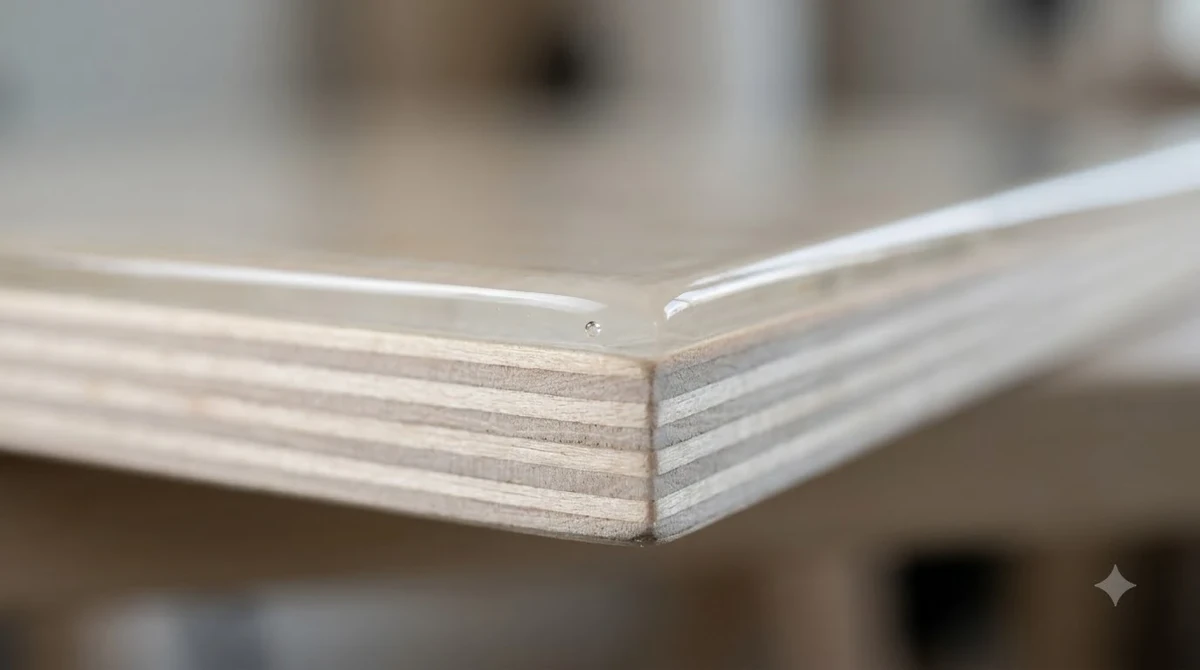
Smooth-On’s general guidance for non-porous surfaces says the surface should be degreased, dried and roughened, and that bonding should happen as soon as possible after pretreatment. Its surface preparation guide for epoxy bonding explains why contamination from fingerprints and substandard cleaners can ruin a bond.
- Degrease the glass. Stickyn recommends a mild detergent and warm water. Rinse thoroughly.
- Dry completely. Even a small amount of moisture can affect bonding, so give the glass time to air dry.
- Light sand. Use 220-320 grit sandpaper with gentle circular or back-and-forth strokes. Epoxy King says curved items such as vases or bottles need hand sanding to keep contact with the surface.
- Wipe with alcohol. Use isopropyl alcohol at 90% or higher on a clean, lint-free cloth.
- Let it evaporate. Wait about 5-10 minutes for the alcohol to flash off completely.
- Avoid additives. Epoxy King warns that glass cleaners with silicone or other additives leave residues that interfere with adhesion.
- Handle with care. Wear nitrile gloves after the final cleaning and hold the glass by its edges. Fingerprints bring back the oils you just removed.
- Apply resin promptly. Mix to the manufacturer’s ratio and apply a thin layer, since the sources note that excess heat and thick layers can cause bubbles and weaken the bond.
Primers and Adhesives for Glass Projects
The sources do not describe a separate glass primer that every epoxy needs. Cleaning and light abrasion do most of the work. Stickyn’s product table suggests MT-13, EA-40 and Metalset A4 for glass-related bonding, but Smooth-On’s own adhesive list names MT-13, Super-Instant, EA-40 and Metalset A4 for wood, metal and ceramic surfaces, not glass specifically.
For that reason, read the technical data sheet for the exact product you plan to use. Confirm that it lists glass or a comparable non-porous surface, and follow the mix ratio and cure temperature printed on the label. If your glass will be bonded to metal, Incure points out that epoxy’s broad adhesion range makes it a practical choice, but the bond still needs the same clean, abraded surface.
Common Mistakes That Cause Epoxy to Peel Off Glass
Most peeling traces back to a few avoidable errors. Skipping the cleaning step, using a glass cleaner with additives and touching the surface after preparation are the most frequent. Dust left from sanding is another problem, because it becomes trapped in the epoxy and blocks direct contact with the glass.
Environment causes the second group of failures. Epoxy cure rates depend on temperature, and Incure notes that a cold shop can stretch a multi-hour cure into most of a working day. Clamp or support the piece for the full cure window, not just the first few minutes. Epoxy King also warns that moving a finished piece from a warm car into cold storage, or letting direct sun heat the glass, can create the kind of rapid change that separates the bond.
Thick pours add risk. Stickyn advises applying epoxy in thin layers, because excess build-up can add stress during expansion and contraction.
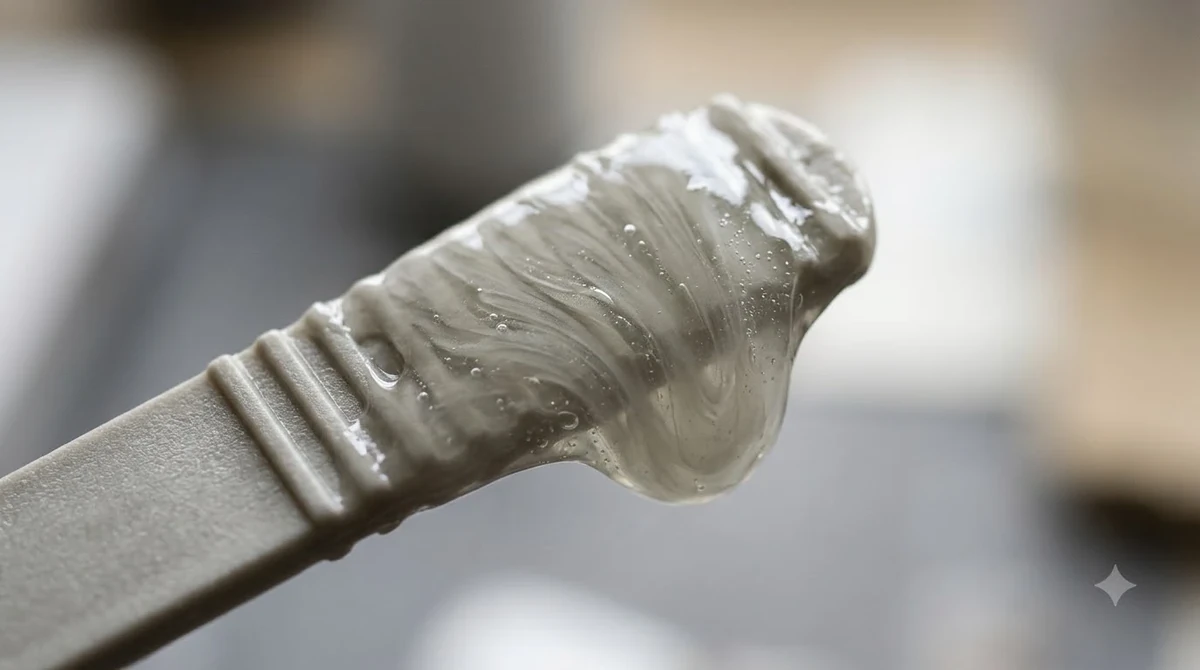
Tip: Test a small scrap of the same glass with your prep steps before you commit to the full piece. Check whether the cured resin still holds after a few days in your actual room.
Safety: Wear nitrile gloves and work in a ventilated space. Read the product’s safety data sheet for solvent, mixing and cure guidance before you start.
Frequently Asked Questions
Does epoxy stick to glass without sanding?
It can stick, but sources treat light sanding as an important step. Epoxy King says abrading creates microscopic irregularities that give the resin some mechanical grip beyond molecular attraction. Skipping it leaves a smoother surface with less bonding area. Check the data sheet for your product.
Can I use rubbing alcohol to clean glass before epoxy?
Epoxy King specifies isopropyl alcohol at 90% concentration or higher. Many rubbing alcohols are lower strength, so read the label before you use one. Wipe with a clean, lint-free cloth and allow about 5-10 minutes for the surface to evaporate before applying resin.
Will epoxy crack on a glass table in the sun?
It can, because glass and epoxy expand at very different rates and direct sunlight heats the surface. Epoxy King says clear coatings on glass tables last longer indoors, away from direct sun and large temperature swings. If the table will sit near a sunny window, plan for that exposure before you pour.
Is epoxy resin safe on glass that goes in the dishwasher?
Epoxy King says resin-coated glass should be hand-washed only. Dishwashers expose the coating to high temperatures and harsh detergents that can cause delamination. Microwaving is also prohibited. Clean the piece gently with mild soap and warm water, and dry it fully.
Glass can hold epoxy well when you clean it thoroughly, sand it lightly and keep the finished piece in a stable environment. Start with a small test piece, follow the data sheet for your product, and review the surfaces and materials guides for other bonding questions.
More in Surfaces & Materials
 Can You Epoxy Over Wallpaper? The Prep Steps That Help It StickUpdated Nov 26, 2026
 Can You Epoxy Over Tile? Prep Steps That Help It BondUpdated Nov 26, 2026
 Can You Epoxy Over Laminate? Prep Steps and Limits for DIY SuccessUpdated Nov 26, 2026
 How to Seal Wood Before Epoxy for a Bubble-Free, Even FinishUpdated Nov 26, 2026
 Can You Epoxy Over Granite Countertops? Prep, Adhesion and Heat LimitsUpdated Nov 26, 2026
 Can You Epoxy Over Painted Wood? When It Works and How to Prep ItUpdated Nov 26, 2026