

We may earn a commission when you buy through links on this page, at no extra cost to you. Learn more.
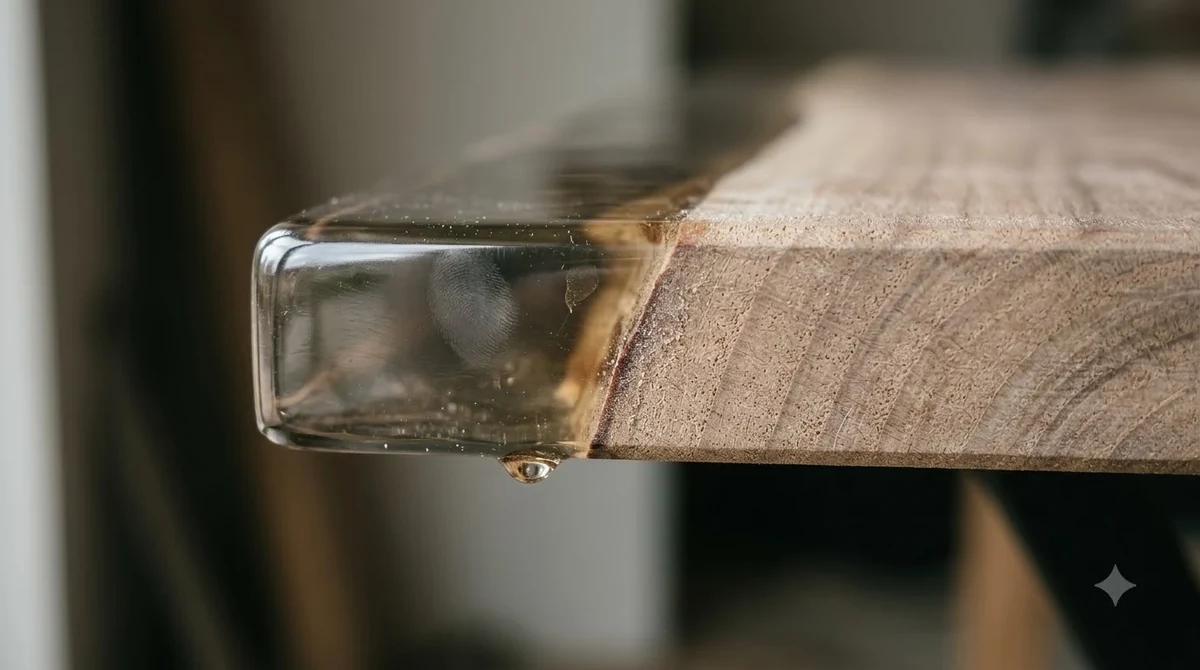
Is epoxy resin toxic? Uncured epoxy can be harmful, but fully cured epoxy is generally considered safe and non-toxic. Liquid resin and hardener can irritate skin, eyes and lungs during mixing and curing. According to the manufacturer data cited by AeroMarine, the resin should cure at least 24 hours before it is hard to the touch. Carved describes a typical cure window of 24 to 72 hours before the piece is generally considered safe to handle.
This guide separates real hazards from common myths about epoxy, UV resin and cured resin. You will see which risks come from the liquid stage, which come from sanding dust, and which simple habits reduce exposure. The advice draws on safety guidance from the OSHA Technical Manual, AeroMarine, Carved and Blackland Manufacturing.
Is Epoxy Toxic Before and After Curing?
Epoxy is most hazardous while it is still a liquid. The risk drops sharply once the material has fully hardened. The difference between those two stages is the single most useful idea for anyone asking this question.
Epoxy is a two-part system. Part A is the resin and Part B is the hardener, and the two react when mixed. That reaction is called curing, and it produces heat. Until curing finishes, the mixture can irritate skin and eyes and release fumes.
| Stage | Main concern | What to do |
|---|---|---|
| Uncured liquid | Skin and eye contact, fumes, allergic sensitization | Wear nitrile gloves, eye protection and work with airflow |
| During cure | Volatile organic compounds still being released, heat buildup | Keep ventilation running and keep heat sources away |
| Fully cured | Generally considered non-toxic; sanding dust can irritate | Wear a mask and eye protection when sanding or cutting |
Carved notes that once epoxy is fully cured, typically after 24 to 72 hours, it is generally considered safe and non-toxic. Blackland Manufacturing adds that the real benchmark is whether the resin has finished curing, based on time, temperature and thickness. A thick pour may need longer than a thin coat. For the cure-out steps for leftover liquid, the AeroMarine epoxy safety guide explains the 24-hour method.
Is UV Resin Toxic, and Is It Safe to Use?
UV resin is a different chemistry from epoxy, but it shares the same main risk while uncured. The liquid is a reactive material that should not touch bare skin or be breathed in during handling. Once light cures it, the hazard drops.
Unionfab describes UV resin as an acrylate-based material that can irritate skin, eyes and lungs before it cures. Epoxy and UV resin both need gloves and ventilation. Neither should be treated as harmless simply because it is sold for crafts.
Compared with epoxy, UV resin is often used in thin layers for small jewelry and charms. Thin layers cure faster, which shortens the window of exposure. That does not make the liquid safe to handle with bare hands. Keep the same habits you would use with epoxy, and check the product Safety Data Sheet for the exact hazard details.
Is Resin Toxic to Breathe? Fumes and Ventilation
Fumes are the most common reason people feel unwell during a resin project. The vapors come mainly from the liquid stage, and they can cause headaches, dizziness or a sore throat in a closed room. Ventilation is the simplest control you can add.
Carved says that during curing, epoxy releases volatile organic compounds, and it recommends an organic vapor cartridge mask during mixing and curing. Unionfab recommends a NIOSH-certified respirator with organic vapor cartridges when ventilation is not enough. Blackland notes that some VOCs keep leaving the material after it hardens if the formula contains unbound solvents.
Use these habits to cut fume exposure:
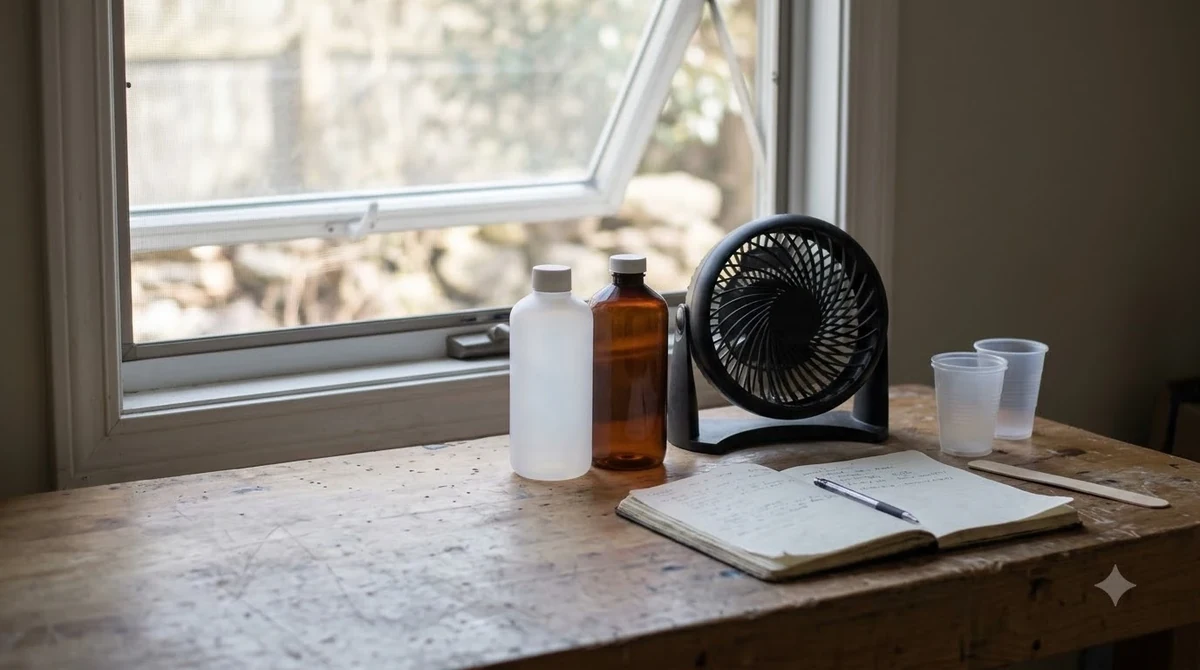
- Open windows and run an exhaust fan that pulls air out of the room.
- Work in a space large enough that you can step away and get fresh air.
- Take regular breaks away from the workbench during long mixing sessions.
- Keep heat tools and open flames away from uncured resin, since heat can release more fumes.
Is Epoxy Resin Safe to Use Indoors?
Indoor use is possible, but it depends on airflow and how you set up the space. A garage with the door open differs greatly from a bedroom with the windows shut. Plan the room before you open a container.
AeroMarine advises keeping garage doors, hatchways and windows open when coating a floor, and placing fans to move air. Those steps matter more indoors than outdoors. Blackland recommends waiting 72 hours after curing before setting baby bottles or pet food bowls on an epoxy surface.
Indoor projects also need a clear no-touch period. Keep children and pets out of the room until the surface has fully hardened and the room has aired out. Store unused resin in its original sealed container and out of reach of children and pets.
Safety: Read the Safety Data Sheet for your specific resin before you start. Sections 2, 8 and 11 cover hazards, exposure controls and health effects.
Protective Gear and Safe Handling Checklist
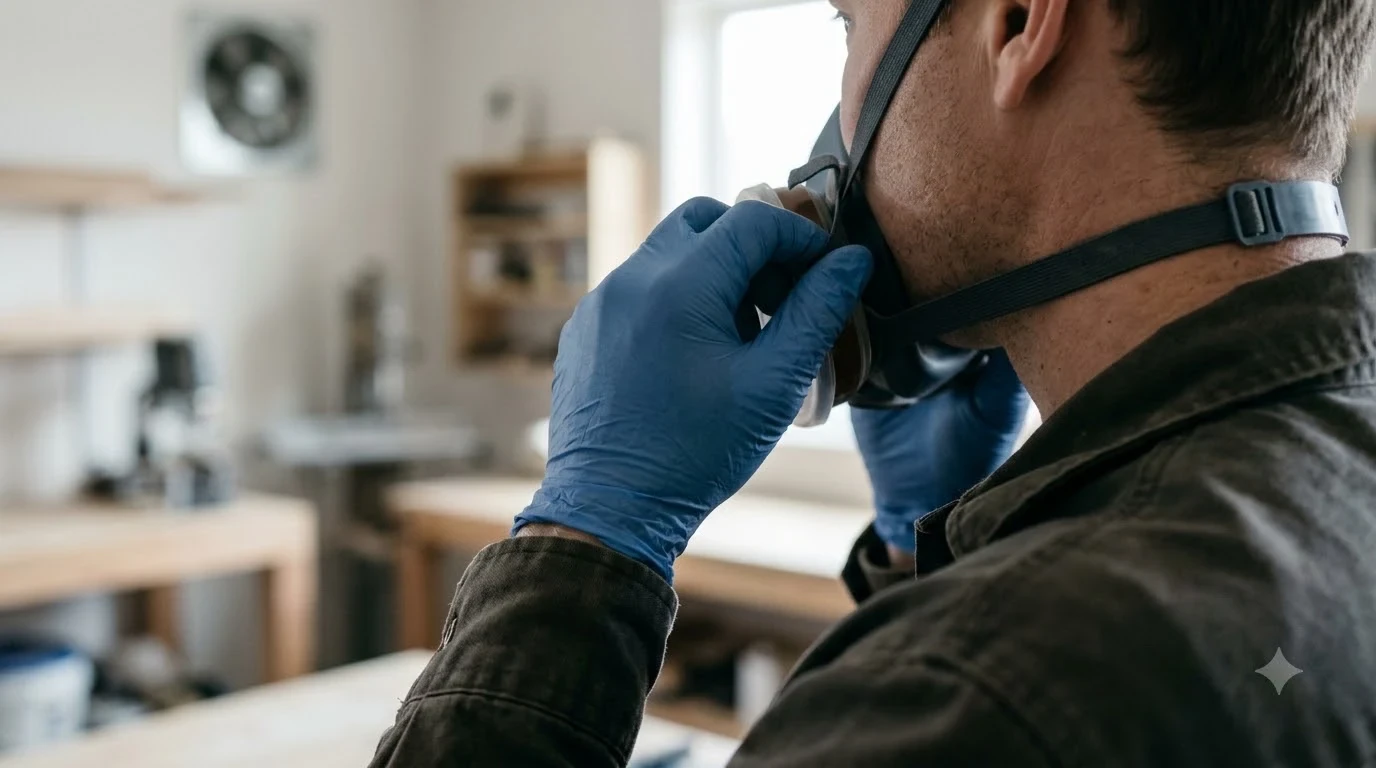
Protective gear is the most reliable way to reduce skin and eye contact. Most of the advice from safety sources is consistent on the basics. Gloves, eye protection and covered skin come first.
Carved recommends nitrile gloves because latex gloves can degrade when they contact resin chemicals. AeroMarine lists nitrile gloves, safety goggles, a long-sleeved shirt and pants, and a respirator or barrier mask when sanding. Unionfab suggests a lab coat or apron and closed-toe shoes.
- Read the SDS first. Check the hazard and PPE sections before opening the container.
- Put on nitrile gloves. Replace them if they tear or if resin gets through.
- Wear eye protection. Safety goggles protect against splashes during pouring.
- Cover your arms and legs. Use a long-sleeved shirt, long pants and an apron.
- Set up airflow. Open windows and run fans before mixing begins.
- Wash after work. Clean skin with soap and water, and do not use solvents on skin.
Tip: Clean tools and surfaces before the resin hardens. Cured resin is much harder to remove from a surface.
Disposal and Cleanup Tips for Resin Waste
Disposal is where many makers make the biggest mistake. Uncured resin should never go down a drain or into household trash. Cured resin is treated differently, so the stage matters.
AeroMarine states that epoxy is toxic to marine life and ecosystems. It advises curing liquid leftovers by mixing resin and hardener and letting them cure for at least 24 hours until hard to the touch. Then the cured material can go into household trash, following local rules.
Unionfab says uncured resin and hardeners must go to a hazardous waste disposal facility. Check with your local waste program before you dispose of anything. Keep rags and disposable cups that contain uncured resin separate from other trash until they have fully cured.
Frequently Asked Questions
Is epoxy resin toxic to touch?
Uncured epoxy can irritate skin and cause allergic reactions, so gloves are the right choice. Blackland Manufacturing says roughly 2% of people develop epoxy sensitivity over time. Wash any skin contact with soap and water, and avoid solvents on your skin.
Is epoxy resin toxic when fully cured?
Fully cured epoxy is generally considered safe and non-toxic, according to Carved. Sanding or cutting it creates dust that can irritate the lungs. Wear a mask and eye protection during those tasks and work in a ventilated space.
How long does epoxy resin take to cure before it is safe?
Carved describes a typical cure time of 24 to 72 hours before the object is generally considered safe. Blackland recommends waiting 72 hours before placing baby bottles or pet food bowls on the surface. Thick pours and cool rooms can take longer, so check the manufacturer instructions.
Is UV resin toxic compared to epoxy?
Both resins are hazardous while uncured and need gloves and airflow. Unionfab describes UV resin as acrylate-based, which can irritate skin, eyes and lungs before curing. Check the Safety Data Sheet for the exact hazards of the product you bought.
Epoxy resin is toxic in its liquid form and far less hazardous once it has fully cured. For the broader rules on working with these products, see our Resin Safety section. Before you start a project involving food, read about is epoxy food safe questions, and check epoxy flammability basics too.
More in Resin Safety
 Is There a Food Safe Epoxy? Yes, but Only When Fully CuredUpdated Nov 26, 2026
 How to Get Rid of Epoxy Smell: Fixes That Actually Reduce OdorUpdated Nov 26, 2026
 Can You Put Food in Resin? Safer Choices and How to Prevent RotUpdated Nov 26, 2026
 Do You Need a Respirator for Resin? When Ventilation Is Enough and When It Isn’tUpdated Nov 26, 2026
 Food Coloring in Resin: Results, Fading and Safer AlternativesUpdated Nov 26, 2026
 Is Epoxy Food Safe Once Fully Cured? What Makers Need to KnowUpdated Nov 26, 2026