

We may earn a commission when you buy through links on this page, at no extra cost to you. Learn more.
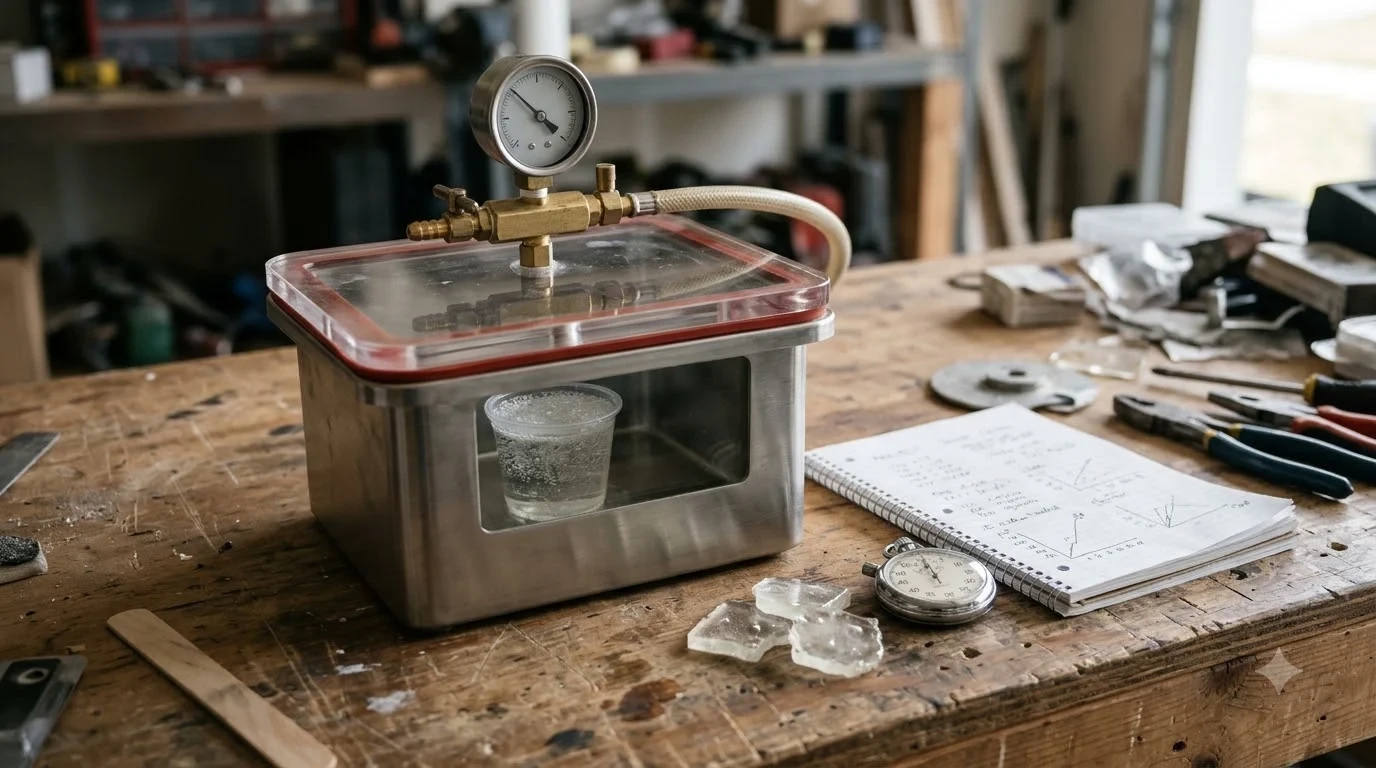
What is a pressure pot for resin? It is a sealed container that holds a poured mold under compressed air, so trapped bubbles shrink until they are nearly invisible. According to ArtMolds, many makers set epoxy resin to about 40-60 PSI and hold it for the 4-6 hour cure window listed for that resin type. The pot is usually fed by an air compressor and fitted with a pressure gauge and a relief valve. Pressure is applied while the resin is still liquid, so the bubbles never get a chance to set in the finished piece.
If your castings keep showing tiny pinholes or cloudy specks, a pressure pot is one of the most common tools makers add to their setup. This guide explains what the pot does, how it differs from a vacuum chamber, how to size one, and what mistakes to avoid. It also covers when a pressure pot is not the right tool at all.
What Is a Resin Pressure Pot?
A resin pressure pot is a sealed vessel that holds your mold while air pressure is raised inside it. The goal is not to pull bubbles out of the resin. The goal is to make them so small that the eye cannot see them once the resin cures.
Most pots are built from metal, often steel or aluminum, because they must hold pressure safely. ArtMolds describes a durable, rust-resistant interior coating and sturdy clamps and gaskets as features to look for. The lid seals against the body, and the pot connects to a compressor through fittings and hoses.
Think of the pot as a pressure chamber rather than a mixing tool. You still pour carefully and mix slowly. The pot handles the bubbles that remain after a good pour, which is why it is often used for clear decorative castings and jewelry.
How a Pressure Pot Removes Bubbles
A pressure pot works by compressing air inside the resin rather than lifting it out. Raising the pressure around the mold shrinks each bubble, and the shrunken bubbles become nearly invisible once the resin hardens. This is the basic idea behind degassing with pressure.
The process follows a clear sequence. Pour the mixed resin into the mold, set the mold centered in the pot, seal the lid, and connect the compressor. Then raise the pressure gradually to the level the resin maker specifies. ArtMolds’ step-by-step guide suggests a target near 40-50 PSI for many projects, held for the resin’s stated duration, which is usually several hours.
When the cure time ends, release the pressure slowly using the relief valve. ArtMolds warns that a sudden drop can cause decompression that damages the cast. Open the lid only after the gauge reads zero.
Pressure Pot vs. Vacuum Chamber
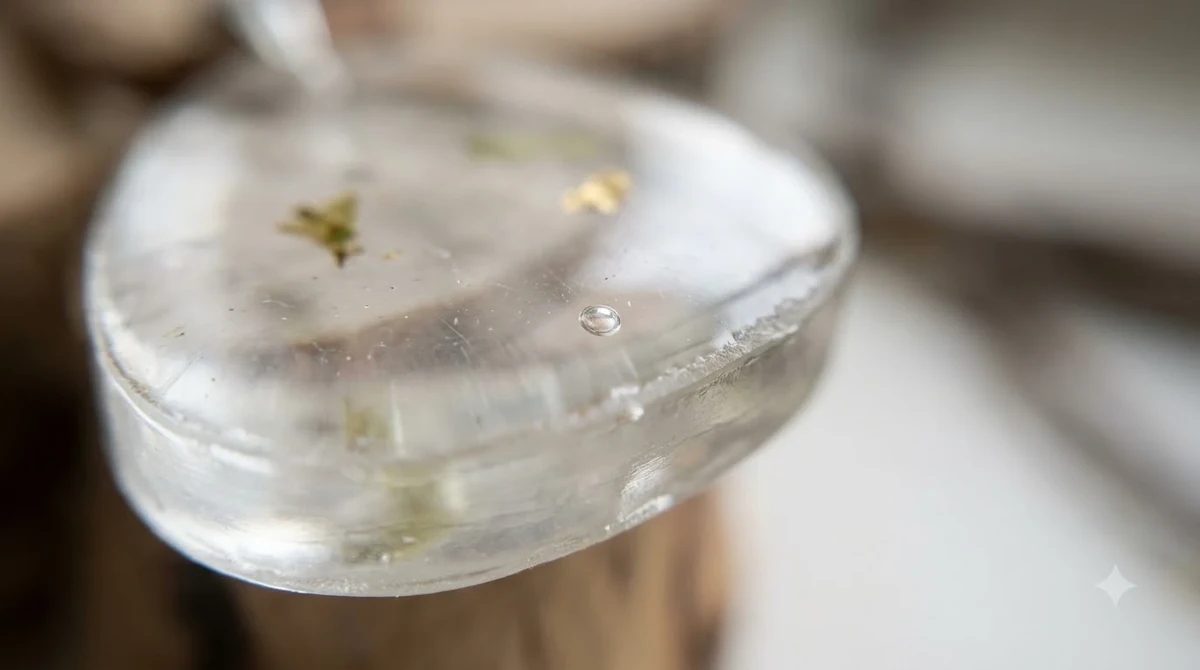
A pressure pot and a vacuum chamber both remove bubble problems, but they work in opposite directions. A pressure pot compresses bubbles, while a vacuum chamber pulls dissolved and trapped air out of the resin before it reaches the mold. Choosing between them depends on your project and your resin.
ArtMolds states that pressure pots are quicker and give clearer results than vacuum degassing for many casting jobs. It also notes that vacuum chambers are better for mold making and delicate materials. Resin Craft Guild makes a similar distinction and points out that vacuum degassing for epoxy is usually aimed at around -0.9 to -0.98 bar, or about 27-29 inHg.
| Feature | Pressure pot | Vacuum chamber |
|---|---|---|
| How it handles bubbles | Compresses them until they are nearly invisible | Pulls dissolved and trapped air out of the mixed resin |
| Typical use | Clear decorative castings and jewelry | Mold making and delicate materials |
| Power source | Air compressor with fittings and hoses | Vacuum pump |
| Cycle length noted by sources | Several hours of pressure during cure | 5-15 minutes per batch for degassing |
For a deeper look at how resin families differ in curing behavior, see epoxy vs polyurethane. That context helps when you check pressure settings for a specific resin. The manufacturer’s technical data sheet for your product is the best place to confirm the exact figures, and Entropy Resins’ bubble-free casting guide explains why pouring from the bottom of a container through a puncture also leaves fewer bubbles to begin with.
When You Actually Need One
You need a pressure pot when bubbles remain after careful mixing, slow pouring and a short rest period. It is most useful for pieces where a flawless surface matters, such as clear jewelry, sculptures and art castings. Makers often reach for it when a vacuum chamber is not available or when the project is large enough to need a different tool.
Resin Craft Guild describes the pressure pot as the tool that makes bubbles invisible, which suits glass-like finishes on decorative pieces. The same guide lists the vacuum chamber as the most effective general tool for pulling air out before the pour. If your work is thick, clear and detailed, a pressure pot is a strong option.
If you are still learning the basics of the material itself, the Resin Basics & Q&A hub covers the fundamentals. Read that first if you are new to casting.
Choosing the Right Size and Pressure Rating
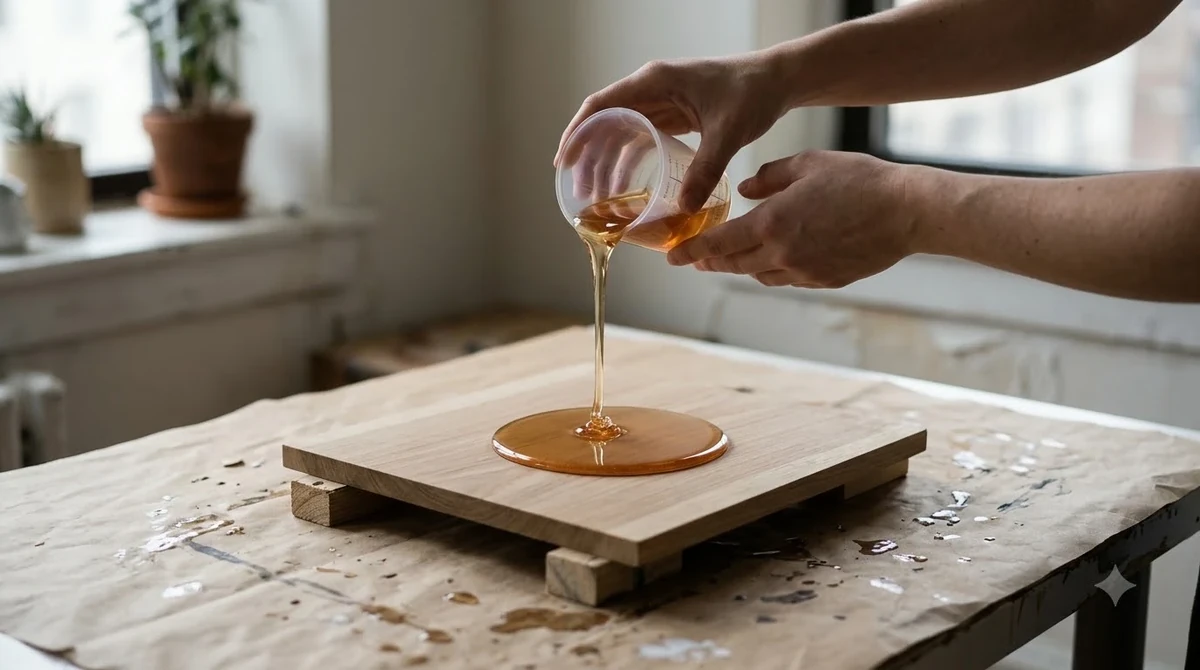
Start with the size of your molds and how many you cast at once. ArtMolds’ capacity guidance says a 2.5-gallon pot suits small to medium projects, while 5-gallon or larger pots fit bigger work. A pot that is too small will force you to cast in pieces or fit molds awkwardly.
Next, check the pressure rating. ArtMolds’ specifications say a pot should maintain at least 40-50 PSI, and some professional-grade pots reach 80 PSI or more. Make sure the pot can hold the level your resin maker recommends, not just a number that looks impressive on a listing.
Look for a pressure gauge and a pressure relief valve. Both help you monitor the cycle and release pressure safely. Check that the pot’s fittings match your compressor hoses before you buy. The sources focus on general features and do not name specific brands, so compare specs against the resin’s own instructions.
| Setting or spec | What the sources report |
|---|---|
| Epoxy pressure | 40-60 PSI according to ArtMolds |
| Polyester pressure | 30-50 PSI according to ArtMolds |
| Polyurethane pressure | 25-40 PSI according to ArtMolds |
| Minimum pot pressure | At least 40-50 PSI according to ArtMolds |
| Small to medium pot | About 2.5 gallons according to ArtMolds |
Some makers ask whether they can build a pot with an air compressor they already own. ArtMolds does describe connecting a pot to a compressor with the right fittings and hoses. A homemade vessel, however, is not something the sources recommend, and a pressure vessel must be rated for the pressure you plan to use. Check the manufacturer’s data for any equipment before you rely on it.
Safe Operation and Common Mistakes
Safe operation starts with the seal and ends with a slow release. Check the lid gasket and clamps before you pressurize, because leaks reduce the pot’s ability to remove bubbles. Set the compressor to the level your resin maker lists, then raise pressure gradually while watching the gauge.
The most common mistake is releasing pressure too quickly. ArtMolds advises releasing slowly after cure so the cast is not damaged by sudden decompression. Another mistake is skipping the mixing and pouring steps and expecting the pot to fix everything. Mix slowly, pour carefully, and let the mixture rest before it goes into the pot.
Entropy Resins notes that epoxy degassed under vacuum must be watched for timing, because the volume of epoxy affects its heat and may change how long the process should run. The same caution applies here: the larger the batch, the more closely you should follow the resin maker’s guidance.
Safety: Wear gloves and safety glasses, and work in a well-ventilated area. Review the resin’s safety data sheet before you start, and never open a pot that is still under pressure.
Tip: Keep a log of the PSI, the cure time and the resin brand for each batch. Patterns in your log will show which settings suit your molds and your room temperature.
Frequently Asked Questions
How does a pressure pot remove bubbles from resin?
It raises air pressure around the mold, which compresses each bubble until it is nearly invisible. The resin then cures with those tiny bubbles inside, so the finished piece looks clear. ArtMolds describes this as degassing by compression rather than by pulling bubbles to the surface.
What PSI should I use in a pressure pot for epoxy resin?
ArtMolds lists 40-60 PSI for epoxy resin with a 4-6 hour curing time. Polyester and polyurethane use lower ranges in the same guide. Always set the pressure to match the resin manufacturer’s recommendation, since that document overrides general ranges.
Is a pressure pot better than a vacuum chamber for resin?
It depends on the job. ArtMolds says pressure pots are quicker and give clearer results for many casting projects, while vacuum chambers suit mold making and delicate materials. A vacuum chamber is also the standard choice for pulling air out before a pour.
What size pressure pot do I need for resin casting?
ArtMolds suggests a 2.5-gallon pot for small to medium projects and a 5-gallon or larger pot for bigger work. Choose a pot that holds your largest mold with room to spare. Confirm the pot also reaches the pressure your resin requires.
A pressure pot is a practical choice when you want clear, bubble-free castings and have the right compressor and safety gear. Start by checking your resin’s instructions, then match the pot’s size and pressure rating to your molds. For the chemistry behind cure timing, the guide on how long does epoxy take to cure is a useful next read.
More in Resin Basics & Q&A
 What Is Vacuum Degassing for Epoxy Resin and How It Removes Trapped BubblesUpdated Nov 26, 2026
 Epoxy Full Cure Time: How Long Before Your Project Is Ready to UseUpdated Nov 26, 2026
 Envirotex Lite Pour On Instructions for a Glossy, Bubble-Free FinishUpdated Nov 26, 2026
 Deep Pour vs Table Top Epoxy: Which Fits Your Project Depth and Cure TimeUpdated Nov 26, 2026
 High Temperature Epoxy for Metal: How to Pick One That Holds Up to HeatUpdated Nov 26, 2026
 Amazing Clear Cast Resin Instructions: Mix, Pour and Cure Without BubblesUpdated Nov 26, 2026