

We may earn a commission when you buy through links on this page, at no extra cost to you. Learn more.
Can you epoxy over acrylic paint? Yes, once the paint is completely dry, hard and no longer tacky. Resin Pro’s guidance says a hard, non-tacky surface is a better guide than a fixed number of hours. One source suggests waiting at least 24 to 72 hours for thin films, with longer waits for thick brushstrokes, impasto or multiple glazes. Moisture trapped under the paint can cause clouding, bubbling or weak adhesion once the resin is poured.
Acrylic paint is one of the most common bases people coat with epoxy, whether on canvas, wood panels, coasters or painted furniture. The coating can add depth and gloss, but it only bonds well when the paint underneath is fully set and clean. This guide explains how to judge dryness, test adhesion, prepare the surface and avoid the problems that cause lifting or cloudiness.
What Happens When You Pour Epoxy Over Acrylic Paint
Epoxy over acrylic works as a clear top layer that bonds to the paint film. The resin then self-levels into a smooth, glossy surface. The result depends heavily on what is happening inside the paint layer during the first days.
Acrylic paint dries as water evaporates, but the surface can feel dry while deeper layers still hold moisture. When a resin seals that moisture in, it can have nowhere to go. The trapped water may show up as a milky haze, soft spots or bubbles under the coating.
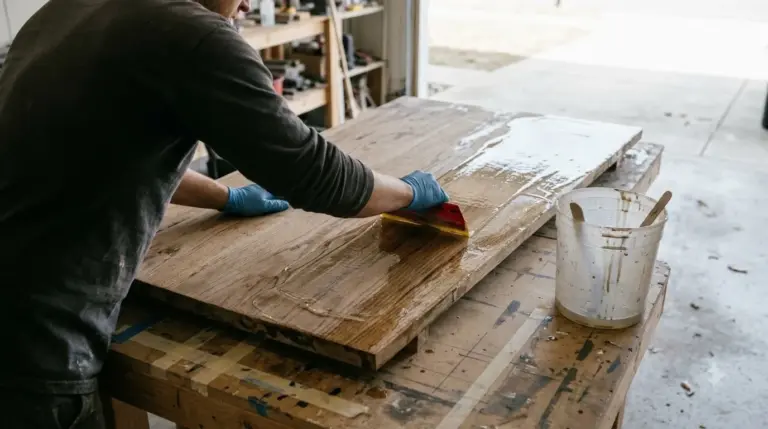
Epoxy also self-levels, so the base matters. A bumpy brush texture or a dusty surface will show through or create an uneven coat. Start with a flat, clean piece on a level table so the resin can spread evenly.
Will Epoxy Stick to Acrylic Paint?
Epoxy generally sticks to acrylic paint that is fully cured and free of tackiness. The paint gives the resin a stable surface to grip, provided nothing sits between them. Dust, grease, wax and fingerprints are the usual reasons for poor bonding.
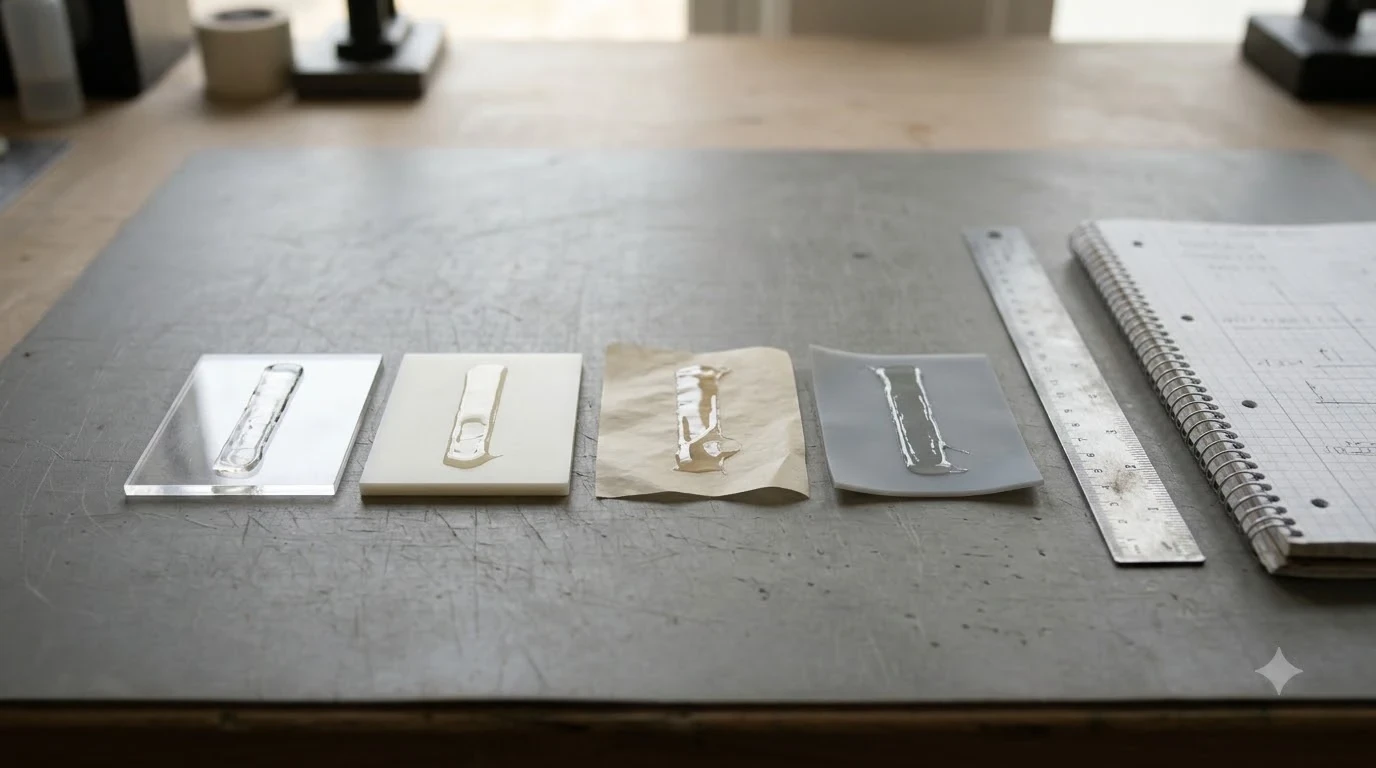
Resin Pro’s painted surface compatibility guide notes that epoxy can generally be used over fully cured acrylic paints, as long as there is no tackiness. Its guidance also says an oil-based layer needs more caution than acrylic. Oil-based paints take much longer to fully cure and can hold solvents that may affect adhesion. A spot test is the safer route with those paints.
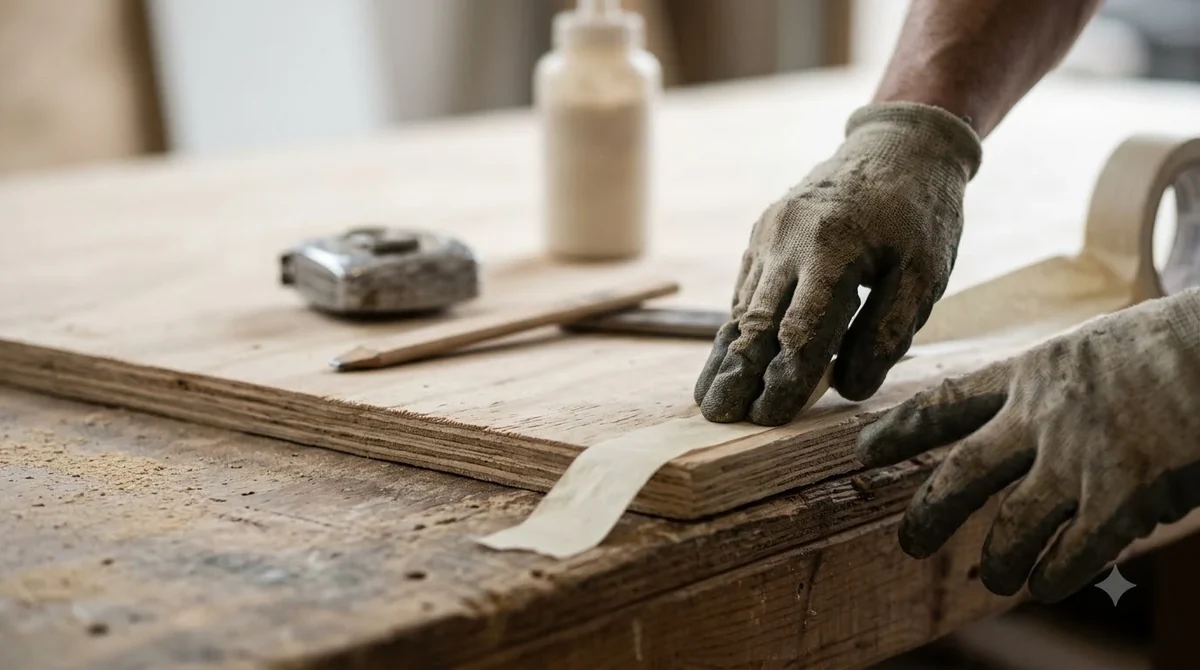
Resin will not bond well to oily, waxy or greasy films. Fresh paint that is still soft will also cause problems. If the surface is glossy or sealed, the resin may have less to hold onto, so the paint may need light abrasion before you pour. For more on this topic, see Can You Epoxy Over Chalk Paint.
How Long Acrylic Paint Needs to Dry
Drying time depends on the paint thickness, room temperature and air movement. There is no single number that fits every project. Use the surface itself as your guide, and give thick work more time than thin work.
A common starting point is 24 to 72 hours for thin acrylic films. Thick brushstrokes, heavy texture and multiple glazes can need longer. A resin blog suggests waiting 7 to 14 days for heavily layered paint. Treat that as a conservative range, not a rule.
Cool, humid rooms slow evaporation. A studio with poor airflow can stretch drying time well beyond what you expect. Check the surface by touch and by looking for any cool or soft spots before you mix resin.
- The surface feels room temperature, not cool to the touch.
- Nothing sticks to the paint when you press a clean, dry fingertip lightly on an unseen edge.
- The paint looks even, with no soft or darker patches.
Surface Prep: Cleaning, Sanding and Sealing
Good preparation matters more than most other steps. Clean, dry and slightly scuffed paint gives the resin the best chance to bond. Skipping these steps is one of the most common causes of lifting. You may also find Can You Mix Oil Paint with Resin useful.
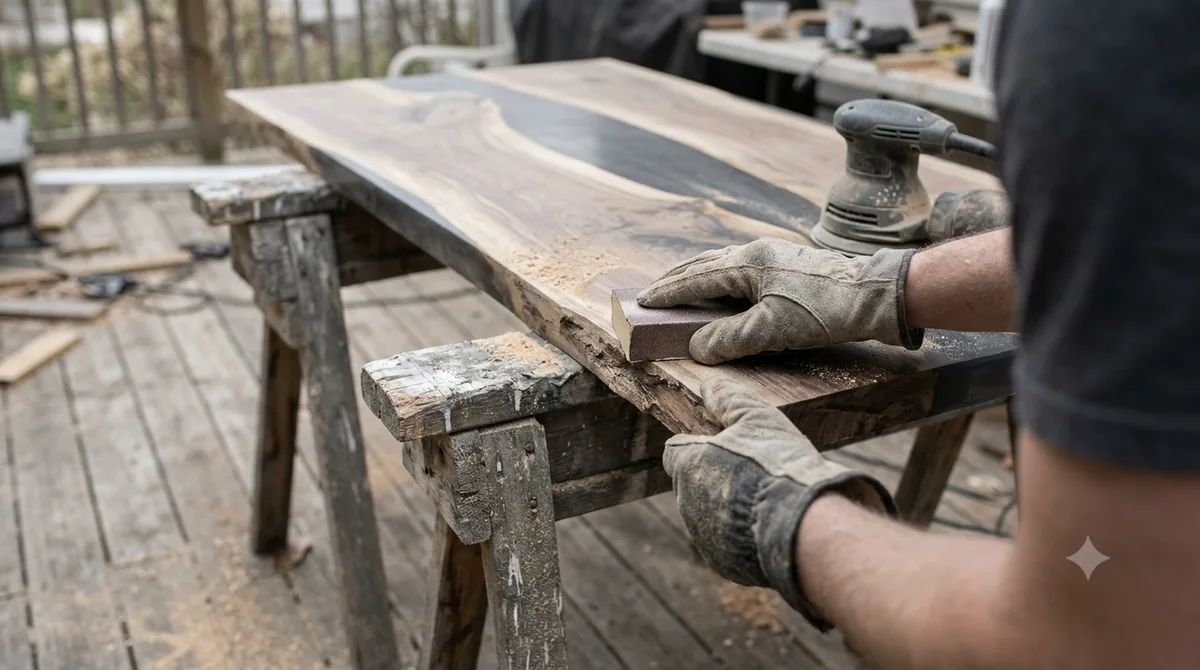
Work through the surface in this order before mixing any resin:
- Dust it off. Use a dry, lint-free cloth or a soft brush to remove loose particles.
- Check for loose flakes. Press down any raised edges and remove paint that peels easily.
- Wipe with a clean, dry cloth. Woodemotions advises a mild detergent and water for enamel surfaces to remove wax or grime, then full drying before coating.
- Scuff glossy areas. If the paint is glossy or sealed, Resin Pro’s guide recommends light sanding until the surface looks matte.
- Clean the sanding dust. Wipe again with a lint-free cloth, since trapped dust shows under clear resin.
- Seal textured work if needed. A thin seal coat can reduce trapped air on heavily brushed surfaces, and the coat should be fully dry before you pour.
Work in a clean, dry, well-ventilated room to limit dust settling. Set the piece on a level surface before you start. This keeps the resin from running to one side. For a broader look at drying and bonding on other painted bases, Woodemotions’ guide on painting over epoxy covers the reverse situation in useful detail.
Choosing the Right Epoxy for Painted Surfaces
The resin type affects how thick you can pour and how the finish behaves. Coating resins suit thin, smooth layers, while casting resins are made for deeper pours. Check the label before buying so the product matches your project.
| Resin type | Typical use over paint | What to check |
|---|---|---|
| Coating resin | Thin, smooth clear layers on canvas or panels | Pour thin; thick pours can crack or cure unevenly |
| Artist or finish resin | Clear finish on paintings and small decor pieces | Working time, layer thickness limit and UV filters |
| Casting resin | Deep pours, tables and thick embedded projects | Generates more heat as it cures; avoid thin coating use |
| UV-inhibitor resin | Pieces that will sit in daylight | Slows ambering; epoxy can yellow over time without UV protection |
Look for ASTM D4236 certification on the label. The resin guide from Resiners says this marks testing for art use. Choose a 1:1 mix ratio by volume if you want simpler measuring, and follow the maker’s instructions for your exact product.
Tip: Test a small scrap piece painted the same way as your project. Let it cure fully, then check for haze or lifting before you coat the real surface.
Troubleshooting Lifting, Bubbles and Cloudiness
Most problems trace back to moisture, contamination or a paint layer that was not fully set. Identify the likely cause before you try a fix. Patience usually solves more than extra resin does.
Cloudiness often means moisture was trapped below the coating. Lifting usually points to dust, oil or a paint film that was still soft. Bubbles can come from air in the resin or from the paint releasing gas as it warms under the coating.
For surface bubbles, you can wave a heat gun or torch over the wet resin for a few seconds, as one source describes. Keep the heat moving so the paint does not scorch. Once the coating has cured, sand and re-coat only if the defect is minor and the base is sound. To understand the system behind this, read Spray Paint in Epoxy.
Frequently Asked Questions
Can you epoxy over acrylic paint without sanding?
Sometimes, if the paint is fully dry, clean and not glossy. Resin Pro’s guide recommends light abrasion when the surface is glossy or sealed, because the scuffed texture gives the resin a better grip. Always run a small spot test first.
Will epoxy resin yellow over acrylic paint?
Epoxy can yellow over time, especially in strong light. Choose a resin that lists UV filters or UV inhibitors if the piece will sit near windows. Keep the finished piece out of direct sun to slow any change.
Do I need to seal acrylic paint before pouring epoxy?
Sealing is not always required, but a thin seal coat can help on textured or absorbent surfaces. Make sure any seal coat is fully dry before you pour. Follow the paint and sealer maker’s drying directions.
Can you epoxy over oil-based paint instead of acrylic?
Oil-based paint needs more caution. Woodemotions notes that oil-based paint may need three coats of oil-based polyurethane sealing before epoxy. Oil paintings can also take weeks to dry, so test a small area and wait longer than you would for acrylic.
Acrylic paint can take an epoxy top coat when it is fully dry, clean and free of tackiness. Test a small area, prep the surface carefully and choose a resin that fits your project. For related questions, read about whether you can epoxy over paint in general, or explore more guides in Surfaces & Materials.
More in Surfaces & Materials
 Can You Epoxy Over Wallpaper? The Prep Steps That Help It StickUpdated Nov 26, 2026
 Can You Epoxy Over Tile? Prep Steps That Help It BondUpdated Nov 26, 2026
 Can You Epoxy Over Laminate? Prep Steps and Limits for DIY SuccessUpdated Nov 26, 2026
 How to Seal Wood Before Epoxy for a Bubble-Free, Even FinishUpdated Nov 26, 2026
 Can You Epoxy Over Granite Countertops? Prep, Adhesion and Heat LimitsUpdated Nov 26, 2026
 Can You Epoxy Over Painted Wood? When It Works and How to Prep ItUpdated Nov 26, 2026