

We may earn a commission when you buy through links on this page, at no extra cost to you. Learn more.
Does epoxy stick to metal? Yes, as long as you clean, sand and degrease the surface first. WEST SYSTEM advises sanding smooth non-porous surfaces with 80-grit aluminum oxide paper so the epoxy has texture to key into. Wessex Resins recommends applying epoxy within about four hours of abrading metal. Epoxy King says initial cure takes about 24 hours, with full strength in 72 hours or longer.
Metal is one of the most common surfaces people want to repair or coat with epoxy, from a cracked tool handle to a patio table frame. The short answer is yes, but the bond you get depends heavily on how the metal is prepared. This guide explains which metals are easier to bond, how to prepare them, which epoxy types suit metal, and what usually causes peeling.
Does Epoxy Stick to Metal?
Yes, epoxy bonds to common metals such as steel, aluminum and stainless steel. The preparation you do before mixing matters more than the brand on the label.
Epoxy King lists steel, aluminum, stainless steel, copper and brass among metals that bond well once they are prepared. The same source notes that metal is non-porous, so epoxy stays on the surface instead of soaking in. That helps the bond, but it also means any oil or dust left behind sits directly between the epoxy and the metal.
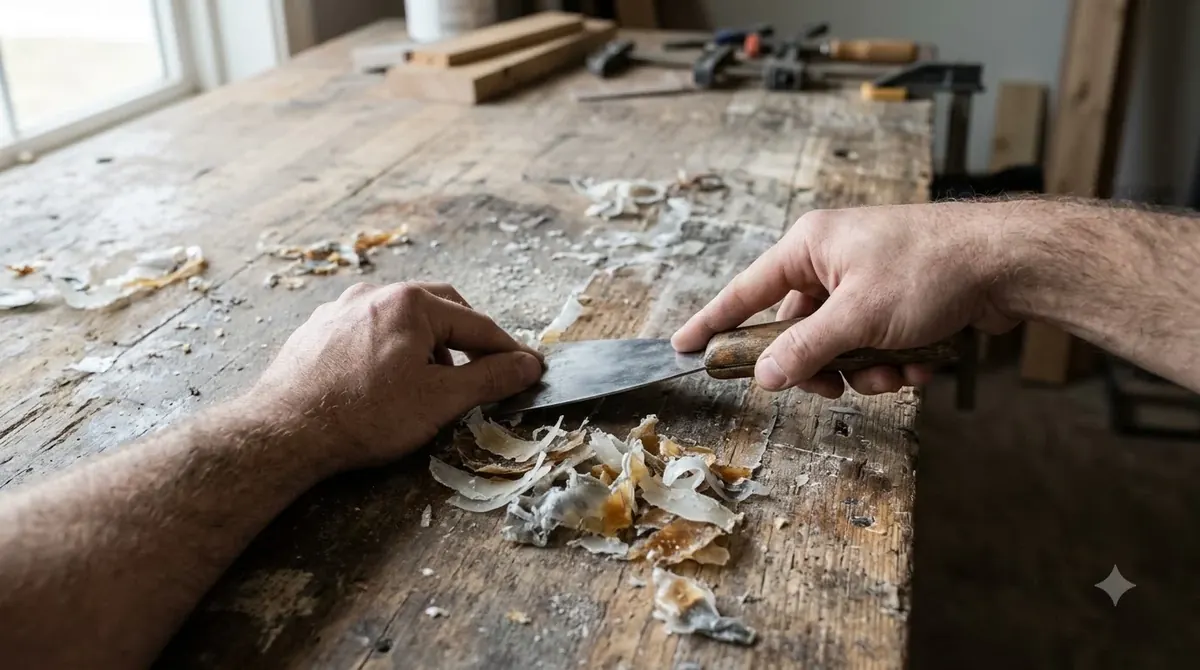
Wessex Resins says epoxy will stick to steel and aluminium if you get the metal back to ‘bright metal.’ That means removing paint, rust and other contaminants until the surface is evenly shiny. Metal can look clean to your eye and still carry invisible oils, so cleaning is a separate step from sanding.
Why Some Metals Are Harder to Bond
Metals that resist corrosion or arrive with a coating take extra work. Each one needs its own preparation approach.
Epoxy King says stainless steel is harder to bond than mild steel because its corrosion resistance makes it harder for epoxy to grip. The source recommends aggressive abrasion, and suggests an angle grinder for larger areas. Expect more sanding time than you would give plain steel.
Aluminum forms a thin oxide layer again within hours after you sand it. Epoxy King advises applying epoxy within about four hours of prep, and Wessex gives the same window. If you use WEST SYSTEM 105 resin with 205 hardener on aluminum, Wessex says the surface must be chemically etched. The company says its G/flex epoxy does not need that etch step.
Galvanized steel is harder still. Epoxy King rates it as difficult to bond with fair strength and says to remove the zinc coating first. The table below summarizes what each source says about common metals.
| Metal | Prep points from the sources | Timing or special note |
|---|---|---|
| Mild steel | Abrade to bright metal, then degrease (Epoxy King, Wessex) | Wessex calls abrasion the best method for steel of all types |
| Stainless steel | Aggressive abrasion; angle grinder for larger areas (Epoxy King) | Harder to grip than mild steel due to corrosion resistance |
| Aluminum | Degrease and abrade; etch if using 105/205 (Wessex) | Oxide returns within hours; apply within about four hours |
| Galvanized steel | Remove the zinc coating first (Epoxy King) | Epoxy King rates bond difficulty as difficult, with fair strength |
| Copper and brass | Remove tarnish and extra residue completely (Epoxy King table) | Listed as bonding well once cleaned |
Will Resin Stick to Metal?
Casting resin and tabletop epoxy follow the same bonding rules as other epoxy products. The surface has to be clean, dry and mechanically roughened.
Epoxy Classes NY says epoxy can bond to smooth metal, but sanding improves adhesion by creating a textured surface. The same source warns that two-part resin or epoxy paint without sanding may not grip well. WEST SYSTEM explains the reason: a strong bond relies on the epoxy’s ability to mechanically key into the surface, not only on the strength of the epoxy itself.
If you are coating metal with resin rather than bonding two pieces, you can also work the surface while the resin is still wet. Wessex recommends rubbing a clean wire brush over freshly applied, still-liquid epoxy on metal to scratch the surface. Epoxy King describes a similar step using fresh 80-grit paper, with firm but gentle pressure for about 30 seconds.
If your project joins metal to plastic parts, check how each material behaves before you start. The article on does epoxy stick to plastic covers those differences in more detail.
Surface Prep Steps for Metal
Successful metal bonding follows a clear order: degrease, remove rust and coatings, abrade to bright metal, then degrease again. Skipping any step is the most common reason bonds fail. If you want to go deeper, Does Epoxy Stick to Glass covers a connected topic.
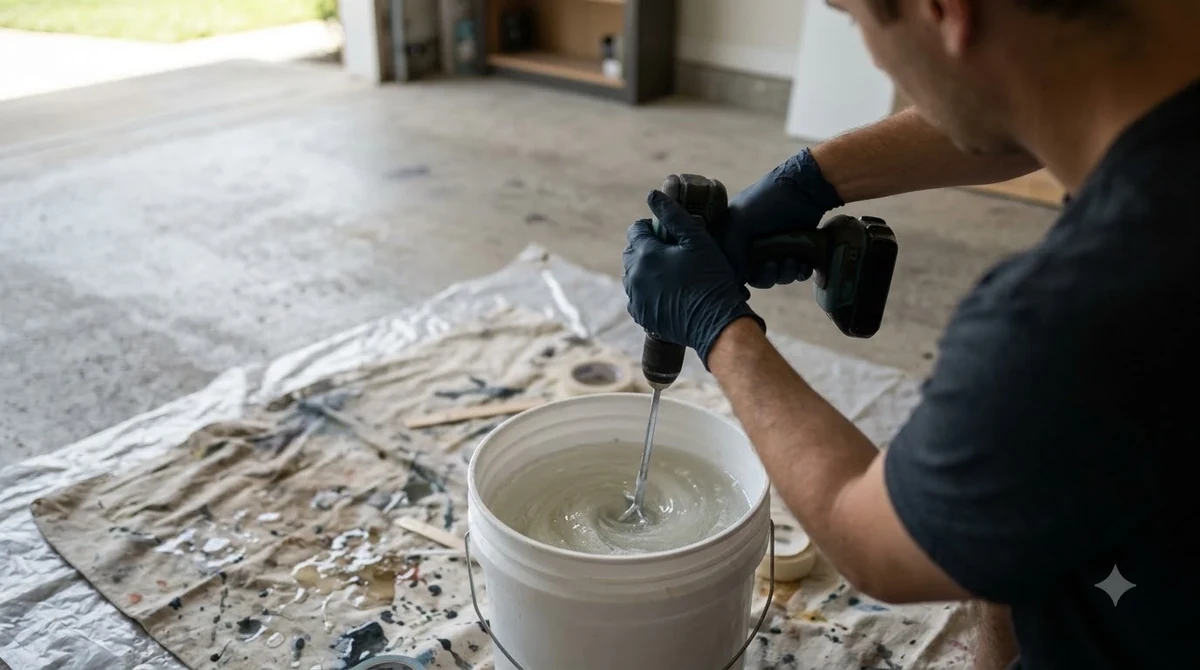
- Degrease first. Wipe the metal with acetone or another appropriate solvent. WEST SYSTEM advises using plain white paper towels to wipe on the solvent and fresh towels to dry, and not using rags.
- Remove rust, paint and loose coatings. Epoxy King says rusted material cannot bond well, so remove all rust. Power Toolbase lists a wire brush, sandpaper or a chemical rust converter as options.
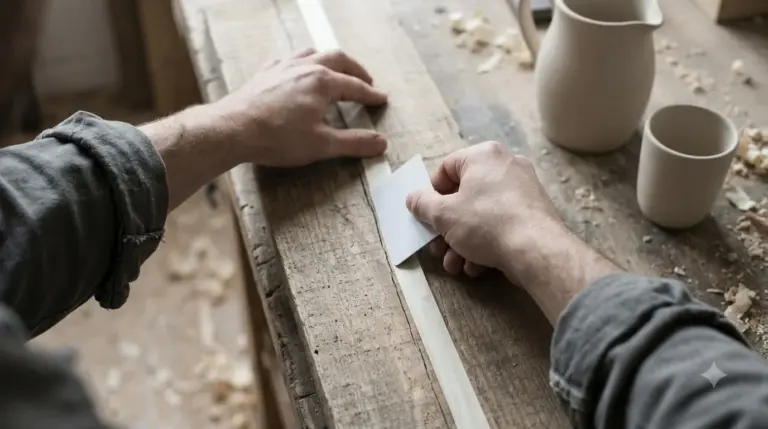
- Abrade with coarse paper, then 80-grit. Power Toolbase suggests 60 to 100 grit for heavy work. Finish with 80-grit aluminum oxide or waterproof wet/dry paper, sanding until the metal looks evenly bright.
- Avoid stearate-coated paper. WEST SYSTEM says zinc stearate on some sandpaper can contaminate the surface, so choose untreated paper.
- Remove the dust without compressed air. Vacuum it, sweep with a clean brush or wash it off. WEST SYSTEM warns that compressed air may leave compressor oil or water on the surface.
- Degrease again. Epoxy King says sanding can spread oils around, so a second cleaning is worth the time.
- Check dryness and cleanliness. Epoxy Classes NY says surfaces must be completely dry. WEST SYSTEM describes a water break test: if water sheets evenly off the metal, it is clean. If it beads or channels, clean again.
- Apply epoxy within the timing window. Aim for about four hours after abrading, before oxidation returns.
For more on this method, the WEST SYSTEM surface preparation guide explains the clean, dry and sanded steps in detail.
Tip: Avoid touching prepped metal with bare hands. Wessex says skin oils and salt can contaminate the surface and speed corrosion, so wear clean gloves if you must check it. Readers working through this often move on to High Temperature Epoxy for Metal.
Best Epoxy Types for Metal Bonding
For bare metal bonding, a two-part structural epoxy or a G/flex-style adhesive is the usual choice. For coating rusty or exposed metal, a primed epoxy paint system fits better.
WEST SYSTEM says its G/flex epoxy was created to improve adhesion to plastics and aluminium. The company reports that its testing showed degreasing, abrading, degreasing again and then using G/flex gave a stronger bond than acid etching followed by 105/205 epoxy. Treat that as the manufacturer’s own finding, and follow the label for your project.
If you use 105 resin with 205 hardener on aluminum, plan for the etch. Wessex lists an etching compound or a sulphuric acid and sodium dichromate solution. Those chemicals need careful handling, so read the product safety data sheet before you start.
- Two-part structural epoxy: common for bonding two metal pieces. Epoxy Classes NY describes it as forming a strong, durable bond.
- Epoxy paint for metal: Power Toolbase recommends a metal-specific primer first, then multiple thin coats, allowing each to dry before the next.
- High glass transition epoxy: Epoxy Classes NY advises choosing a high Tg product for metal parts exposed to heat.
Read the technical data sheet for the exact cure schedule. Some products set faster, but the safe loading time still follows the manufacturer’s directions.
Common Mistakes That Cause Peeling
Most peeling traces back to contamination, skipped sanding or waiting too long between prep and epoxy. Each mistake has a straightforward fix.
- Wiping with rags. WEST SYSTEM says solvents can dissolve fibers from rags and leave them on the surface. Use plain paper towels and change them often.
- Sanding over contamination. Clean before you sand, or you may grind oils into the metal.
- Leaving rust in place. Epoxy King says epoxy cannot bond well to compromised rusted material. Remove it completely.
- Using sticky tack rags. WEST SYSTEM says their residue can cause adhesion problems. A dry tack rag leaves no residue.
- Waiting too long. Wessex and Epoxy King both advise applying epoxy within about four hours of abrading. Re-sand if the window has passed.
- Loading the bond early. Epoxy King recommends waiting at least 24 hours before stressing a metal bond, and three days for critical work.
Silicone is another common contaminant, especially from mold release and some cleaning products. The guide on does epoxy stick to silicone explains why it causes trouble and how to spot it.
Safety: Work in a ventilated area, wear nitrile gloves, and read the product safety data sheet for every solvent and epoxy you use. Epoxy Classes NY notes that nitrile gloves are a practical barrier for resin work. Keep solvents away from open flames.
Frequently Asked Questions
Does epoxy stick to metal without sanding?
Epoxy Classes NY says epoxy can bond to smooth metal, but sanding improves adhesion by giving the epoxy a texture to grip. Without it, two-part resin or epoxy paint may not hold as well. Sanding to bright metal is the safer choice for any structural or outdoor repair.
What grit sandpaper should I use before epoxy on metal?
WEST SYSTEM and Epoxy King both point to 80-grit paper for the final abrasion. Power Toolbase suggests coarser paper, in the 60 to 100 grit range, when you are removing heavy coatings or rust. Use aluminum oxide or waterproof wet/dry paper without stearate.
Does epoxy stick to stainless steel?
Yes, but it is harder than bonding mild steel. Epoxy King says stainless steel’s corrosion resistance makes it harder for epoxy to grip, so it recommends aggressive abrasion. Use an angle grinder for larger areas, then degrease again before applying epoxy.
Does epoxy stick to aluminum and does it need etching?
Epoxy sticks to aluminum after proper prep. Wessex says 105 resin with 205 hardener needs a chemical etch, while its G/flex epoxy does not. Epoxy King notes that modern epoxies often skip etching if you apply the product quickly after abrading.
Metal bonding is predictable once you control contamination, roughness and timing. Review the Surfaces & Materials section for more guidance on how different materials behave before you start your next project.
More in Surfaces & Materials
 Can You Epoxy Over Wallpaper? The Prep Steps That Help It StickUpdated Nov 26, 2026
 Can You Epoxy Over Tile? Prep Steps That Help It BondUpdated Nov 26, 2026
 Can You Epoxy Over Laminate? Prep Steps and Limits for DIY SuccessUpdated Nov 26, 2026
 How to Seal Wood Before Epoxy for a Bubble-Free, Even FinishUpdated Nov 26, 2026
 Can You Epoxy Over Granite Countertops? Prep, Adhesion and Heat LimitsUpdated Nov 26, 2026
 Can You Epoxy Over Painted Wood? When It Works and How to Prep ItUpdated Nov 26, 2026