

We may earn a commission when you buy through links on this page, at no extra cost to you. Learn more.
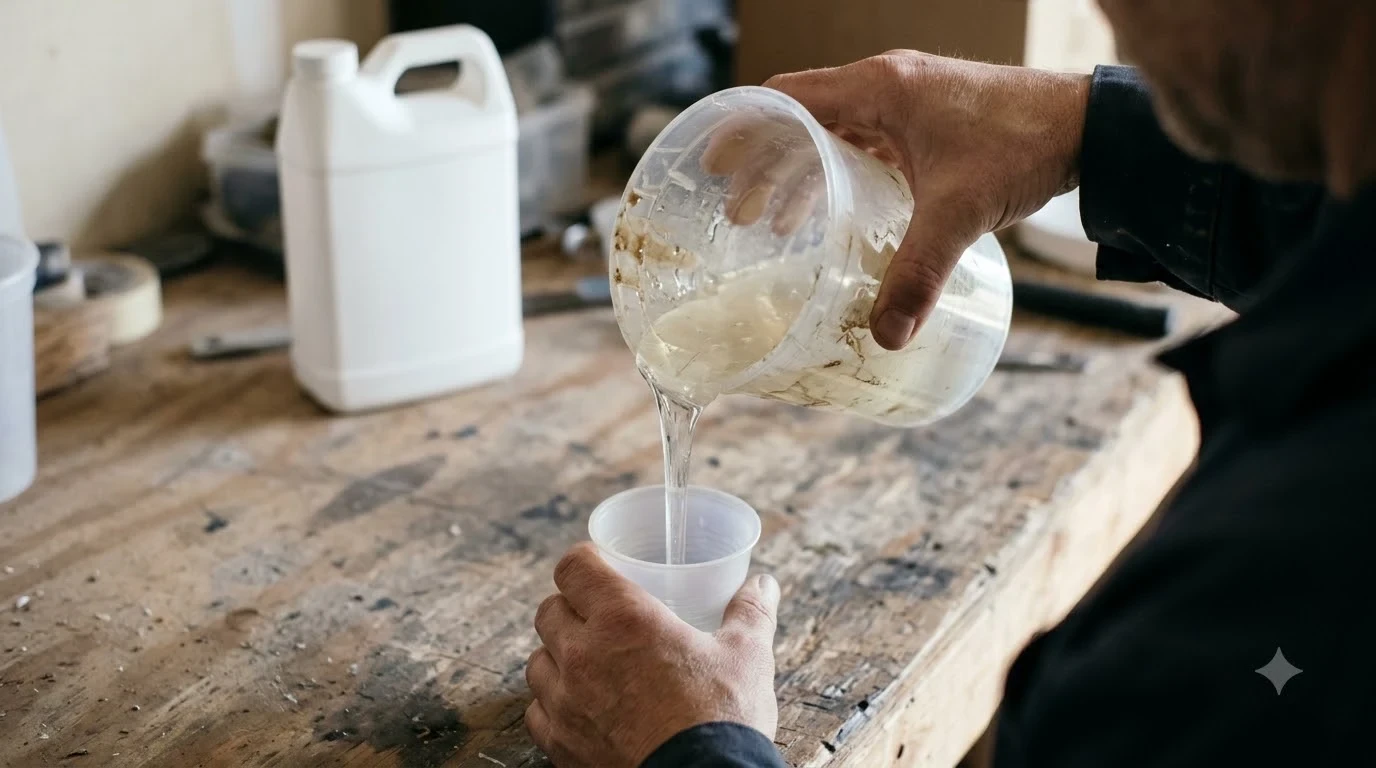
Does resin stick to plastic wrap? Usually not, because most household wrap is low-energy polyethylene that epoxy cannot wet well. According to INCURE INC., most commercial plastic wraps are LDPE or LLDPE with surface energy around 30–31 dynes/cm, which is well below the surface tension of unset epoxy. The same source gives LDPE a melting point near 105°C, so heat from a large pour is the main risk. Wrap that is wrinkled, corona-treated, or thick enough to melt can still leave you with a stuck part.
Many resin makers reach for plastic wrap because it is cheap, flexible, and easy to find in the kitchen. It can line a mold or cover a work surface. This guide explains why it works, where it fails, and what to use when a surface must stay release-free.
Why Plastic Wrap Works as a Makeshift Release Barrier
Plastic wrap works because epoxy beads up on its surface instead of spreading into it. Once the resin cures, there is little to hold the two together.
The reason is surface energy. Liquid adhesion depends on whether the liquid can wet the solid. Polyethylene is non-polar and has few reactive sites, so epoxy sits on top of the film instead of bonding to it. According to INCURE INC., this is why cured epoxy can usually be peeled off wrap without a chemical bond to break.
Smoothness matters too. Wrap is extruded as a non-porous film, so there are no pores for resin to lock into. Crumpling does not create grip at the molecular level, though it can trap resin in folds.
Wrap also leaves no residue. Liquid release agents such as waxes or silicone sprays can transfer to the cured part, which matters if you plan to paint or bond the piece later. According to INCURE INC.’s explanation of epoxy and plastic wrap, LDPE film leaves zero chemical residue on cured epoxy.
Epoxy vs. UV Resin on Plastic Wrap
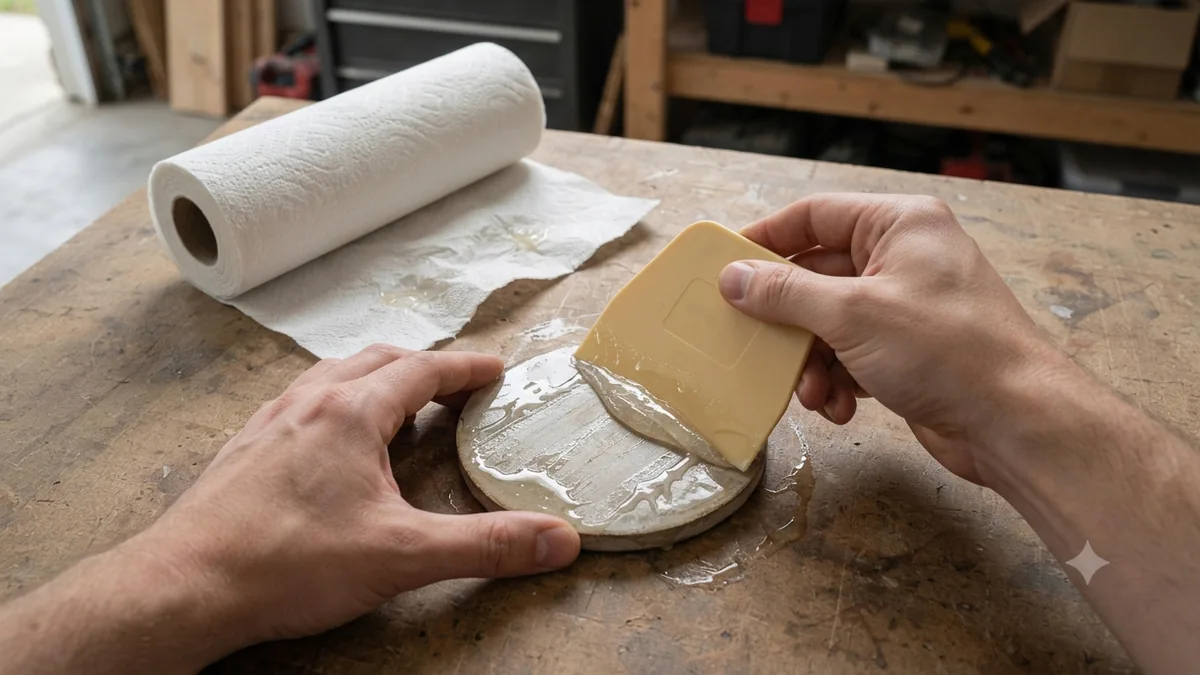
Epoxy and UV resin are different chemistries, so they do not behave the same way on wrap. The sources in this review focus on two-part epoxy, so treat any UV resin result as something to confirm with the maker’s instructions.
Two-part epoxy cures through a chemical reaction between resin and hardener. That reaction produces heat, and the amount depends on pour depth and mass. Thick pours can overheat the wrap, while thin coats usually release more easily.
UV resin cures under UV light and typically cures in thin layers. Heat from the cure is less of a concern for most small projects, but the wrap still needs to be smooth and tight. Check the product’s technical data sheet for its recommended layer thickness and any release guidance.
| Factor | Two-part epoxy on wrap | UV resin on wrap |
|---|---|---|
| Main cause of sticking | Wrap melting from exotherm or wrinkles trapping resin | Wrinkles, thick layers, or treated film |
| Heat concern | Large pours can approach LDPE’s melting point | Usually lower heat; confirm with the maker |
| Best check | Thickness, hardener pot life, and film type | Layer thickness and cure instructions |
Does Epoxy Stick to Plastic Wrap in Practice?
In most cases, epoxy will not bond to plain LDPE wrap, but practical results depend on how you use it. Failures usually come from heat, wrinkles, or the wrong film.
Verify the film before you pour. INCURE INC. advises confirming the material is LDPE or HDPE rather than PVC, which has higher surface energy and a more stubborn release. Kitchen wraps vary, so reading the packaging helps when it lists the material.
Avoid treated film for release work. Corona-treated industrial films have raised surface energy for printing and labeling, so they can show more adhesion than expected. Use untreated, virgin LDPE when release matters.
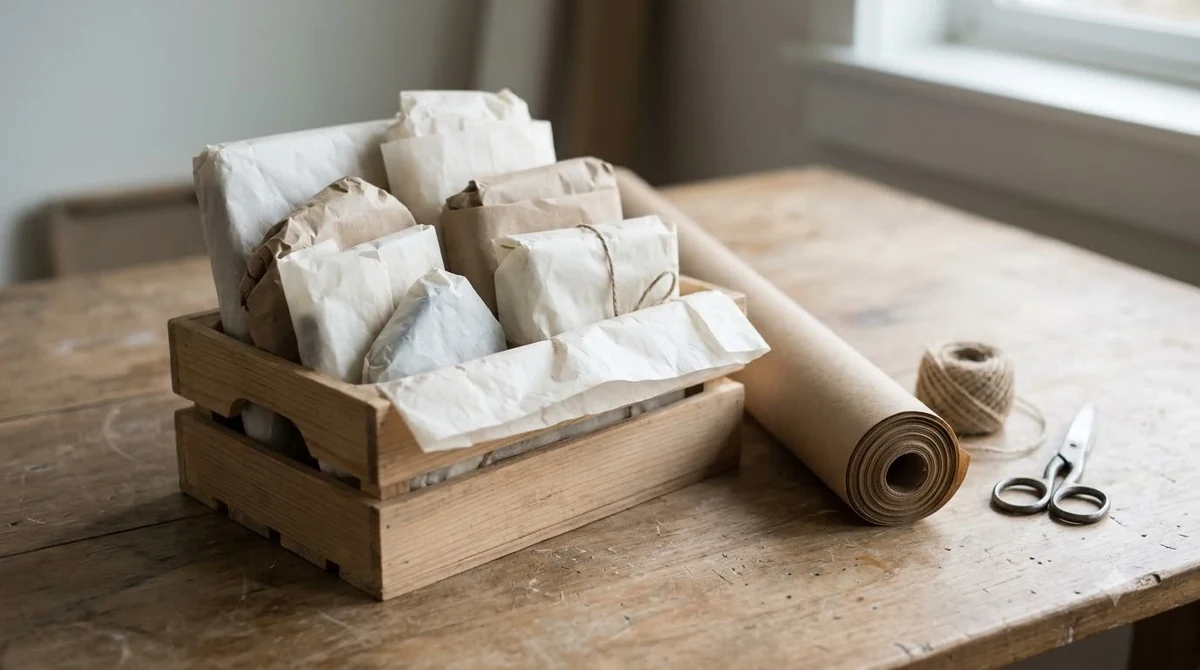
Stretch the wrap flat. Pull it tight across the mold and smooth out wrinkles before you pour. For larger surfaces, a tensioning frame helps, according to the same source.
Tip: Mark the film type on the box or roll before you start a project. Keeping one roll for release work avoids mixing in treated film.
Plastic Wrap Failures and How to Prevent Them
Most wrap failures trace back to three causes: melting, trapped resin in folds, and the wrong film. Each has a specific fix.
Melting is the most serious. INCURE INC. notes that LDPE melts near 105°C, and epoxy exotherm in a thick mass can exceed that. Once the wrap melts into the resin, it becomes physically embedded and cannot be peeled cleanly. Thinner pours, a slower hardener with a longer pot life, and smaller batches all reduce the heat.
Folds and wrinkles let liquid resin flow underneath. When it cures, the wrap is locked in place and must be torn or cut away. Smooth the film completely before pouring, and keep it free of creases near the edges.
If the wrap has already melted or locked in, do not force it. Cut away the excess film and check whether the part can be cleaned up. For cured resin stuck to plastic parts, the methods covered in our surfaces and materials section may help, but test any solvent on a hidden spot first.
| Symptom | Likely cause | Fix |
|---|---|---|
| Wrap fused into the resin | Exotherm above the film’s melting point | Smaller pour, slower hardener, thinner layers |
| Resin locked in creases | Wrinkled or folded film | Stretch flat and tension before pouring |
| Wrap clings more than expected | Corona-treated or non-LDPE film | Switch to untreated virgin LDPE or HDPE |
Better Mold Release Options for Resin Projects
When a surface must stay release-free, plastic wrap is usually a secondary layer, not the main barrier. Several materials offer stronger release, and some work as backups.
According to INCURE INC., PTFE has a surface energy of 18–20 mN/m and a maximum temperature of 260°C, while silicone sits at 24 mN/m and 200°C or higher. Those numbers make PTFE and silicone better choices for heat-heavy or precision work. Silicone molds are also widely recommended by resin crafters, according to a resin training school’s list of non-stick materials.
Parchment and wax paper also appear on many release lists, and the same training source names them as materials epoxy does not stick to. Use them as surface protectors rather than mold liners where precise fit matters.
For zero-adhesion surfaces, INCURE INC. suggests a light dusting of PVA or a quick wipe of paraffin wax over the wrap as a fail-safe layer. You can also check whether your mold material is silicone before you rely on a liner. If you plan to cast with silicone molds, the guide on whether epoxy sticks to silicone covers that case in more detail.
Safety and Curing Tips When Using Wrap Barriers
Wrap is simple to use, but resin work still calls for basic protection. Gloves, ventilation, and the product’s safety data sheet matter more than the wrap itself.
Wear rubber or nitrile gloves when you handle uncured resin. Work in a space with good airflow. Read the safety data sheet for your specific resin, since hardeners and solvents differ.
Plan the cure around the wrap. Epoxy cures in a few hours, according to a resin removal guide from Resiners, but full hardness takes longer. Give the part time to finish curing before you peel the wrap, and avoid pulling it off while the resin is still soft.
Safety: Wear gloves and safety goggles, work with good ventilation, and follow the solvent and resin safety data sheet. A solvent-rated respirator may be needed when fumes are strong.
Frequently Asked Questions
Does epoxy resin stick to plastic wrap?
Usually not. Plastic wrap is typically LDPE or LLDPE, which has low surface energy, so epoxy sits on top rather than bonding. The main exception is when the wrap melts from heat or traps resin in wrinkles.
Why doesn’t epoxy stick to Saran wrap?
Saran-style wraps are usually polyethylene films with smooth, non-porous surfaces. Epoxy cannot wet them well, and cured resin has no chemical bond or mechanical grip to hold onto. Check the box, since some films are made from other plastics.
What happens if epoxy cures on plastic wrap and the wrap melts?
The melted film mixes into the resin and becomes embedded as it cools. It cannot be peeled cleanly and usually has to be cut or torn away. Smaller pours and a slower hardener help keep the heat lower.
Will wax paper or parchment paper work better than plastic wrap?
Both are listed as materials epoxy does not stick to, so they can work well as surface protectors. Plastic wrap is still a common choice for smooth molds. For the most reliable release, many crafters pair a liner with a dedicated mold release.
Plastic wrap is a useful, low-cost release layer when you understand its limits. Use untreated LDPE, keep it smooth, control the heat, and reserve silicone, PTFE, or a dedicated release for surfaces that must stay clean. For more on surface compatibility, see does epoxy stick to plastic.
More in Surfaces & Materials
 Can You Epoxy Over Wallpaper? The Prep Steps That Help It StickUpdated Nov 26, 2026
 Can You Epoxy Over Tile? Prep Steps That Help It BondUpdated Nov 26, 2026
 Can You Epoxy Over Laminate? Prep Steps and Limits for DIY SuccessUpdated Nov 26, 2026
 How to Seal Wood Before Epoxy for a Bubble-Free, Even FinishUpdated Nov 26, 2026
 Can You Epoxy Over Granite Countertops? Prep, Adhesion and Heat LimitsUpdated Nov 26, 2026
 Can You Epoxy Over Painted Wood? When It Works and How to Prep ItUpdated Nov 26, 2026