
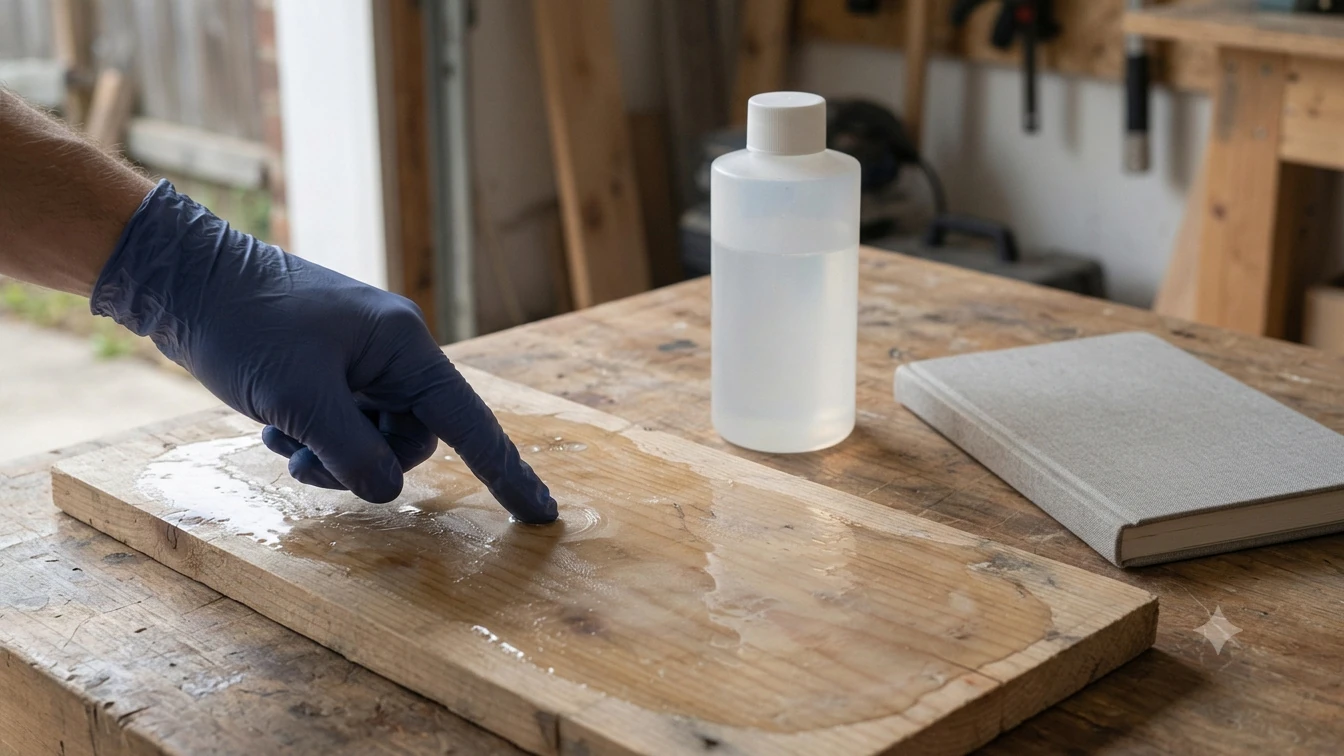

We may earn a commission when you buy through links on this page, at no extra cost to you. Learn more.
Does epoxy stick to rubber? Yes for many common types, but not for all of them. Resin Pro says epoxy bonds well to natural rubber, nitrile (NBR) and EPDM. Silicone and highly oily rubbers tend to resist adhesion. Clean and dry the rubber, lightly roughen it, and test a small hidden area before you commit to the full bond.
If you are repairing a rubber gasket, a rubber pad or a coated rubber part, the answer matters more than it seems. The result depends on the rubber compound, how clean the surface is and whether the part will flex or sit outdoors. This guide explains why bonds fail, which rubbers cause trouble, and a prep routine that gives home repairs a better chance of lasting.
Why Epoxy Struggles to Bond to Rubber
Epoxy grips a surface by forming a chemical link with the material beneath it. Rubber can interfere with that grip, which is why a joint that looks solid can peel later. Resin Pro notes that epoxy effectiveness varies with the type of rubber involved, so one result does not apply to every rubber part.
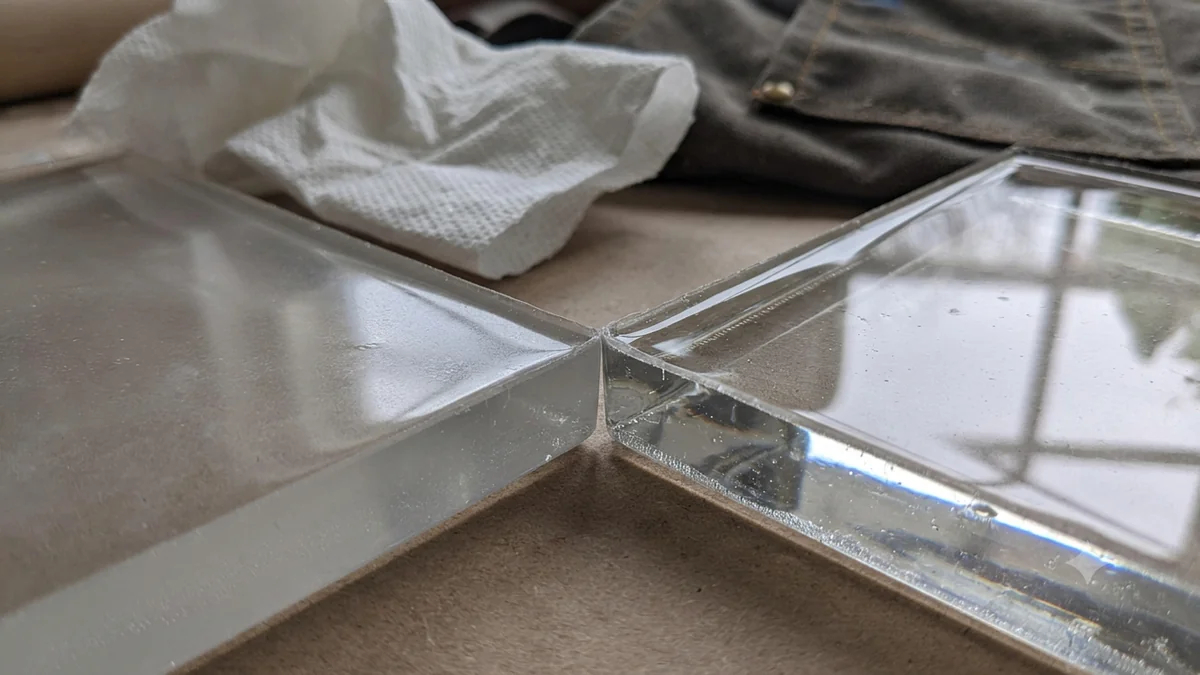
Some rubbers resist adhesives by design. Resin Pro explains that specialized rubbers such as silicone, or rubbers with oily surfaces, have a chemical make-up that keeps epoxy from gripping firmly. Oil that migrates to the surface can also stop the adhesive from making full contact with the rubber underneath.
Silicone is the reason many makers hear that epoxy will not stick to it. Acrylgiessen.com and Fluid Painting both list silicone, vinyl and rubber among materials epoxy does not stick to when used as a mold. A mold is a release surface, though, so that guidance is not the same as a bonding test. If you plan to glue silicone, read more about whether epoxy sticks to silicone before you start.
Plastic behaves differently in many cases. Sources list plastic cups, bowls and Tupperware as surfaces epoxy does not stick to when used as a mold, so a rubber repair should never be assumed to work just because a plastic surface worked before. Check the specific part you are gluing, and see does epoxy stick to plastic for the plastic side of the question.
Types of Rubber and How They Bond
Rubber is not one material. The compound, the additives and the surface finish all change how an adhesive behaves. The table below summarizes what the sources say about common types and where you should be cautious.
Natural rubber, nitrile (NBR) and EPDM are the three types that Resin Pro names as bonding well with standard epoxy. Vinyl is less clear. Acrylgiessen.com and Fluid Painting group vinyl with silicone and rubber as materials epoxy does not stick to in mold use, and they do not give bonding data for vinyl. Treat vinyl as unproven and test it before relying on it.
| Rubber type | What the sources say | What to do |
|---|---|---|
| Natural rubber | Bonds well with standard epoxy, per Resin Pro | Clean, dry and lightly roughen, then test a small spot |
| Nitrile (NBR) | Bonds well, per Resin Pro | Use the same prep and check the adhesive data sheet |
| EPDM | Bonds well, per Resin Pro | Use the same prep and test before the full application |
| Silicone | Resists adhesion; sources say epoxy does not stick to silicone | Expect a weak bond and look for a different adhesive |
| Highly oily rubber | May resist adhesion | Clean thoroughly and test first |
| Vinyl | No bonding data in the sources | Test a discreet area before a permanent repair |
Flexing matters too. Resin Pro’s rubber FAQ says that rubber that flexes or bends constantly, along with outdoor exposure, calls for a careful adhesive match. A joint that holds a static gasket may fail on a rubber mat that bends every day.
Tip: Mark the rubber type on your project notes before you buy adhesive. Knowing the compound helps you read the adhesive data sheet with the right questions in mind.
Preparing Rubber Before You Glue It
Good preparation decides most of the outcome. Resin Pro recommends cleaning and drying the rubber before any epoxy goes on, then lightly roughening the surface to improve the bond. Skipping either step leaves the adhesive with less to grip.
Work through the surface in a simple order. Each step removes something that can weaken the joint, from dust and oil to moisture trapped under the glue.
- Clean the surface. Remove dust, grime and any oily film. Resin Pro says to clean the rubber thoroughly before you apply epoxy.
- Dry it completely. Moisture on the surface weakens contact, so give the rubber time to dry before you mix anything.
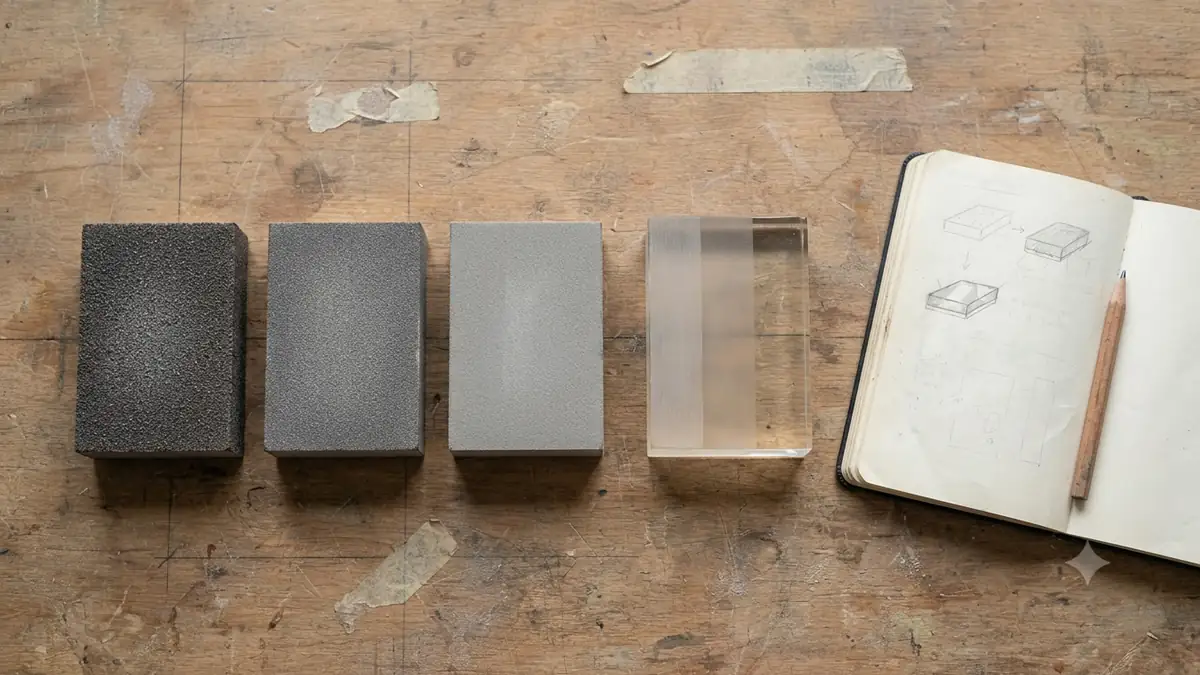
- Lightly roughen it. A light abrasion gives the adhesive more texture to hold. Keep the pressure gentle so you do not gouge the rubber.
- Clean again. Wipe away the fine dust from sanding, since loose particles can sit between the rubber and the glue.
- Test a discreet spot. Apply the adhesive to a hidden area and check it after the cure before you glue the visible part.
Check the manufacturer’s directions for any cleaner you use and for its drying time. Work in a space with good airflow, and keep the adhesive’s safety data sheet nearby while you prep.
Safety: Wear nitrile gloves when handling epoxy and cleaners, and work in a ventilated space. Read the product’s SDS before you start.
Choosing an Epoxy Adhesive and Testing First
Pick a two-component epoxy adhesive that is described for rubber, then test it on a hidden spot before you commit. The product choice matters less than the compatibility check, especially with silicone or oily rubber.
For common rubbers, Resin Pro recommends fast-setting, strong two-component epoxy adhesives. It names FixExpress, a 500g two-component epoxy glue, and Klebfix, a 25g 2K syringe, as options for common rubber types. These are examples from one retailer’s guidance, so compare the data sheet of any adhesive you consider.
Generic tabletop or casting resin is made for pouring, not for gluing flexible parts. Read the adhesive’s bonding notes before choosing, and confirm that it is meant for the rubber you have. A pouring resin may still bond, but the data sheet is the place to confirm it.
Primers are a separate question. The sources do not name a primer for rubber, so do not assume one is needed or that one is sold for your compound. Resin Pro says challenging rubbers may need alternative adhesives or surface treatments, so ask the adhesive maker what it recommends for your specific rubber.
Bonding Steps, Curing and Failed Bonds
The bonding sequence is simple, but timing and curing decide whether the joint lasts. Follow the mixing ratio and pot life on the adhesive’s data sheet, and avoid moving the parts while the glue sets.
Once the rubber is prepped and tested, use this order for the joint itself.
- Mix the two components exactly as the maker directs.
- Apply a thin, even layer to the roughened area.
- Press the parts together and hold or clamp them in place.
- Leave the joint undisturbed for the full cure time on the data sheet.
- Check the bond gently before putting any load on it.
The sources do not give a cure time for rubber bonds, so the data sheet is your reference. Handling a joint early can shift it or start a peel that you cannot see until later.
When a Bond Peels
Peeling usually traces back to a few causes. Dust or oil left on the surface, skipping the roughening step, silicone or highly oily rubber, and constant flexing are the main ones the sources raise. Outdoor exposure also calls for careful adhesive matching, according to Resin Pro.
If you are bonding epoxy to cured epoxy rather than rubber, the rules change. Fluid Painting’s material guide advises sanding the cured surface with 180-grit sandpaper and cleaning it well. It adds that the result will not be as strong as a fresh pour and may not last on a heavily loaded project.
For more on other materials that affect adhesion, browse the Surfaces & Materials section before you start a project.
Frequently Asked Questions
Can epoxy bond to vinyl or EPDM rubber?
Resin Pro names EPDM among common rubbers that epoxy bonds to well, so it is a good candidate with proper prep. The sources do not provide bonding data for vinyl, even though they group it with silicone in mold guides. Test vinyl on a hidden area before you commit to a permanent repair.
Why does epoxy not stick to silicone molds?
Mold guides say the glossy surface of a silicone mold lets cured epoxy release easily, which is the reason silicone is popular for jewelry and coasters. For bonding, Resin Pro attributes poor adhesion on silicone to its unique chemical make-up. If you need a glued joint, look for an adhesive recommended for silicone rather than relying on epoxy alone.
Can I pour epoxy over cured epoxy and have it stick?
It can bond, but the result is weaker than a fresh layer. Sand the cured surface with 180-grit sandpaper, then clean it thoroughly before pouring. Fluid Painting notes that this bond is not durable enough for strongly built projects.
What epoxy glue works best for bonding rubber?
Resin Pro recommends fast-setting, strong two-component epoxy adhesives for common rubbers and names FixExpress (500g) and Klebfix (25g 2K syringe) as examples. Compare the data sheet of any product for rubber compatibility and cure details. Always run a small test before gluing the visible surface.
Start with clean, dry, lightly roughened rubber, and choose a two-component adhesive that is meant for it. Test a hidden spot first, and follow the cure time on the data sheet. Those steps give a repair the best chance of holding.
More in Surfaces & Materials
 Can You Epoxy Over Wallpaper? The Prep Steps That Help It StickUpdated Nov 26, 2026
 Can You Epoxy Over Tile? Prep Steps That Help It BondUpdated Nov 26, 2026
 Can You Epoxy Over Laminate? Prep Steps and Limits for DIY SuccessUpdated Nov 26, 2026
 How to Seal Wood Before Epoxy for a Bubble-Free, Even FinishUpdated Nov 26, 2026
 Can You Epoxy Over Granite Countertops? Prep, Adhesion and Heat LimitsUpdated Nov 26, 2026
 Can You Epoxy Over Painted Wood? When It Works and How to Prep ItUpdated Nov 26, 2026