

We may earn a commission when you buy through links on this page, at no extra cost to you. Learn more.
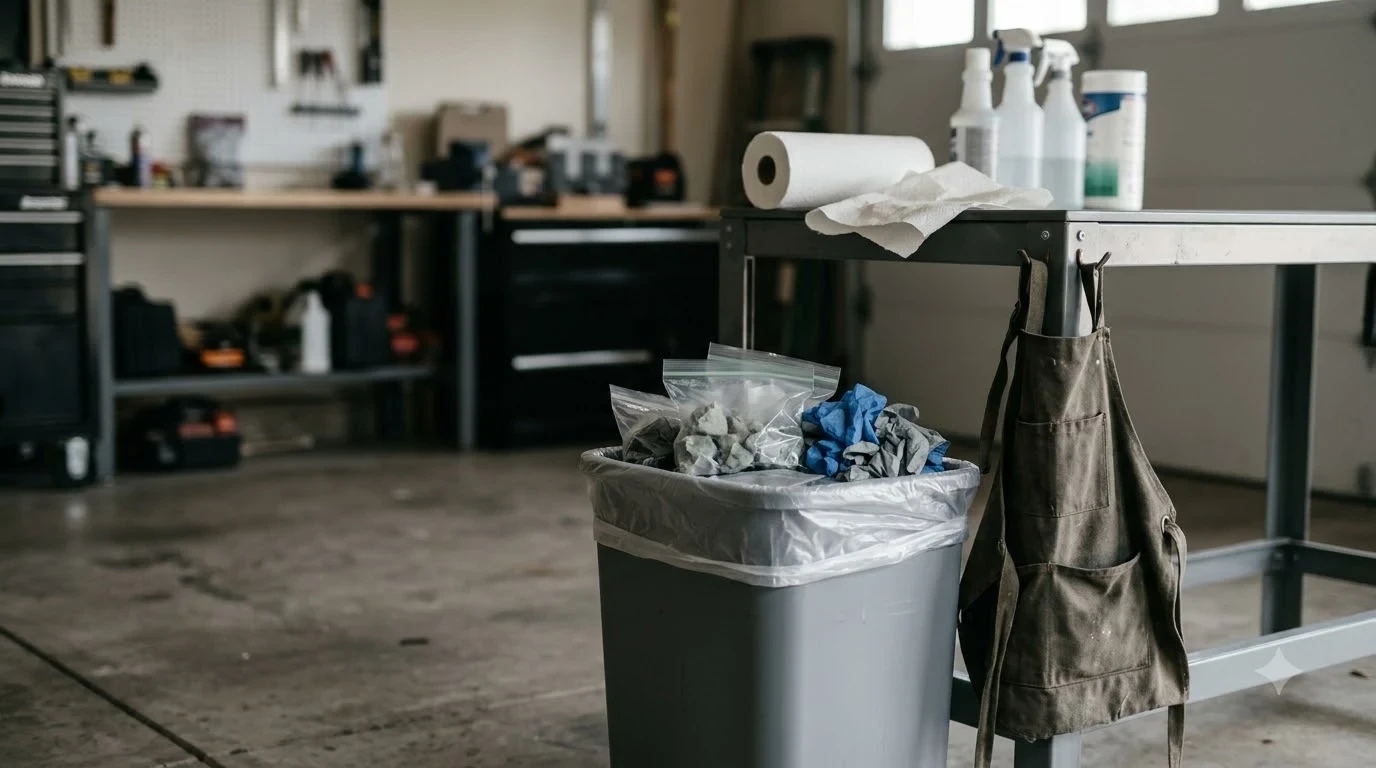
To learn how to dispose of resin safely, cure every drop of liquid first, then throw the hardened pieces away with household trash. Formlabs advises pouring a small amount into a labeled, transparent, resin-safe container and leaving it in sunlight to cure for 1–10 days. Liquid or partially cured resin should never go down a drain or into your regular trash. If you have a chemical waste stream, liquid resin can go there instead, following all applicable rules.
This guide walks you through the main disposal situations for home makers: leftover epoxy, UV resin, cured scraps, empty bottles and cartridges, and the paper towels and gloves that touched the mess. It also explains when a local household hazardous waste program is the better choice.
Why Resin Disposal Matters for Safety and the Environment
Proper disposal protects your plumbing, sanitation workers and the environment. Resin that is still liquid is not something to rinse away or toss loosely in a bin.
The EPA says some leftover household products can catch fire, react, explode, or be corrosive or toxic, and it lists them as household hazardous waste. Improper disposal can include pouring products down the drain or putting them in the regular trash. According to the EPA household hazardous waste guidance, those habits can pollute the environment and contaminate septic tanks or wastewater treatment systems.
Even containers that look empty can still hold residue. The EPA warns that leftover chemicals can remain in empty containers, so handle them with the same care. If you are unsure how risky your materials are, read our guide on is epoxy resin toxic before you decide how to handle the leftovers.
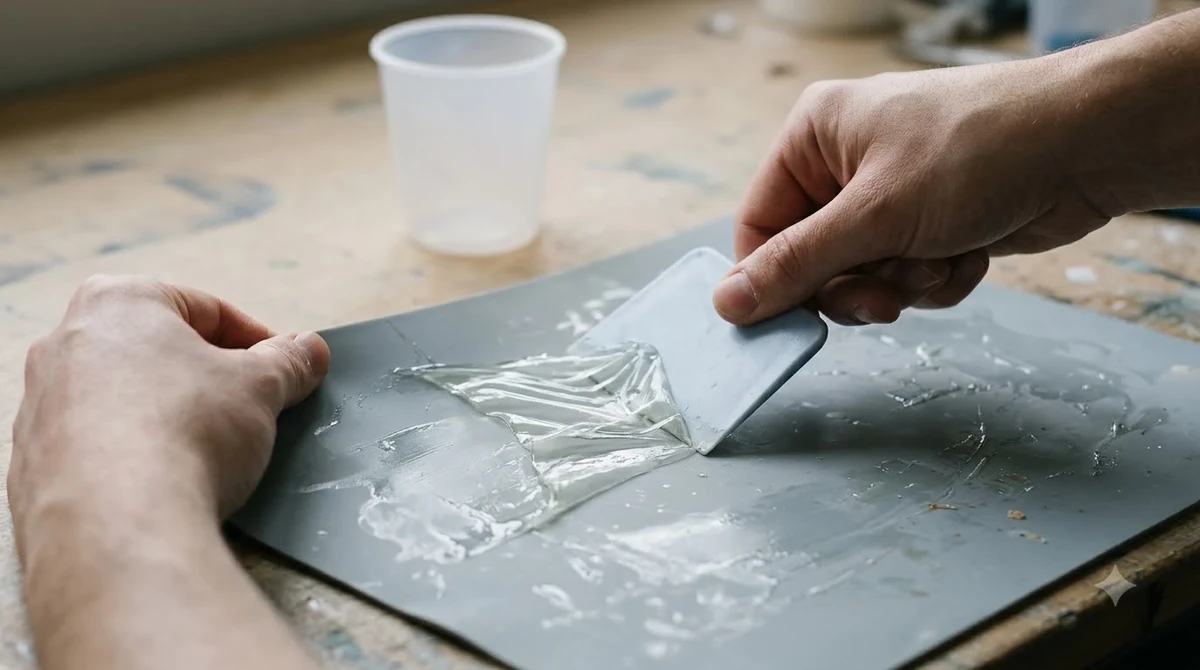
Epoxy vs UV Resin vs Polyester: What You Are Throwing Away
Each resin type leaves different waste, but the core rule is the same. Anything still liquid needs curing or a proper disposal route before it leaves your workspace.
| Resin type | Typical leftover | What to check first |
|---|---|---|
| Epoxy (tabletop or casting) | Unused liquid resin, drips, mixing cups with residue | The label and SDS for cure instructions and disposal directions |
| UV resin | Liquid in bottles, wipe-up paper, failed small pieces | The label for curing light instructions and any disposal notes |
| Polyester resin | Liquid resin mixed with hardener, rags and tools | The SDS and local rules, since many products are classed as hazardous when liquid |
Your product labels and safety data sheet (SDS) are the best starting point for each product. The EPA advises reading label disposal directions to reduce the risk of leaks or reactions on the way to a disposal site. Formlabs also recommends checking the SDS and local authorities for guidance on resin and solvent disposal.
How to Dispose of Epoxy Safely
Epoxy that is still liquid needs to be cured in a controlled way before it goes in the trash. The steps below follow the no-chemical-waste-stream method that Formlabs describes for liquid resin.
- Put on gloves. Use a new, clean pair of nitrile gloves. Formlabs notes that resin may cause skin irritation or an allergic skin reaction.
- Choose a container. Pick a labeled, transparent, resin-safe container. Keep only a small amount of liquid in it.
- Do not mix products. Keep the resin in its own container. The EPA warns that incompatible products might react, ignite, or explode.
- Set it in sunlight. Leave the uncovered container in sunlight. Formlabs says curing can take 1–10 days.
- Use light and heat if you can. Formlabs recommends 405 nm light and heat for the most effective curing. Follow your product label for specific curing directions.
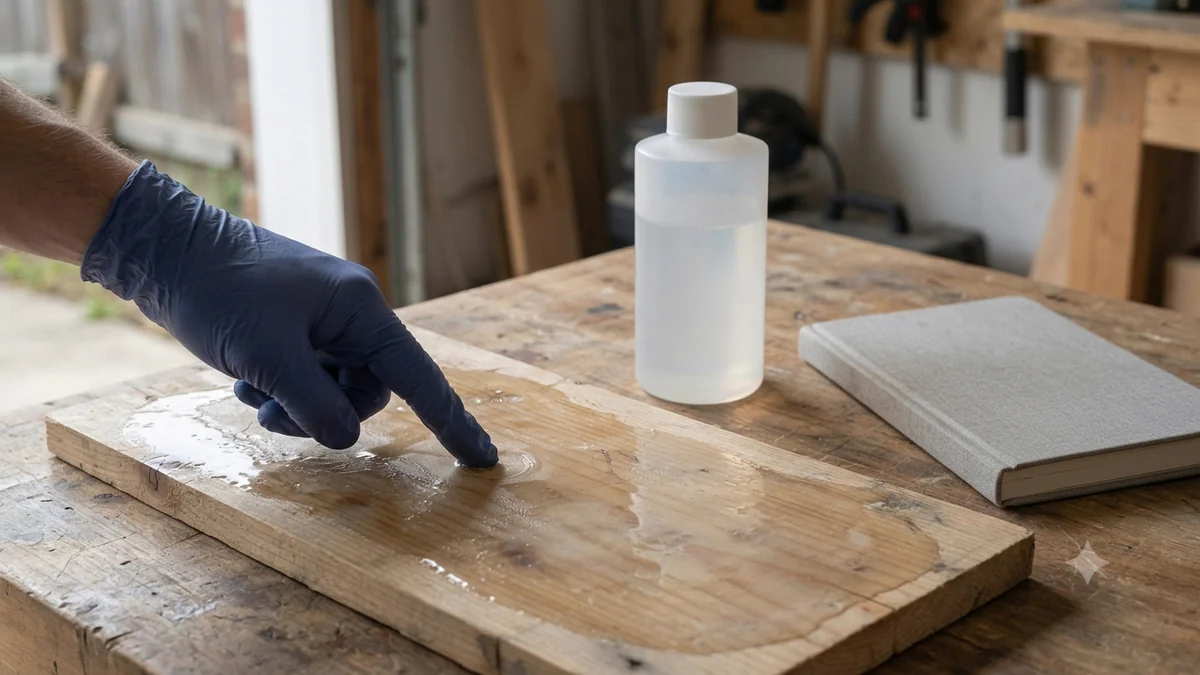
- Confirm it is hard. Touch the surface with a gloved finger. Any tacky or wet spot means it is not ready yet.
- Discard the cured material. Once fully hardened, Formlabs says the cured resin and container can go in household waste.
- Handle the rest carefully. Do not pour liquid or partially cured resin into drains. Do not put it in household waste while it is still liquid.
If your community has a chemical waste stream, Formlabs says liquid resin that has not been cured or dissolved in solvent can go there. Follow all applicable regulations for that route.
Safety: Work in a ventilated area, wear nitrile gloves, and keep the container away from children and pets. Check the SDS for any extra precautions.
How to Dispose of UV Resin
UV resin follows the same core rule: liquid must be cured before it goes in the trash, and it should never go down a drain. Because UV resin is cured with light, the curing step is usually quicker to set up at home.
MatterHackers advises curing unwanted resin until it has fully hardened. For spills or small leftovers, it suggests exposing the material to UV light until the resin has hardened before you throw it away. Those are general 3D-printing resin instructions, so compare them with the label on your bottle.
Keep your UV resin in its original container and do not transfer it into food containers. The EPA advises against storing hazardous products in food containers and recommends keeping labels intact. When you finish, follow the label directions and take the cured material to the trash.
What to Do With Leftover Epoxy
Leftover epoxy is usually small, but it still needs a plan. Your choices depend on how much remains, whether it is mixed, and whether you have access to a chemical waste stream.
Small amounts are often easiest to cure in a labeled container, as described above. Larger amounts or unusual mixtures may need a local collection event. The EPA says that if your community lacks a year-round program, it may hold designated collection days at a central location.
Never combine leftover epoxy with other chemicals to make it go away. The EPA also says leftover household hazardous waste should not be mixed with other products. If you are curious whether finished pieces are safe for kitchen use, see is epoxy food safe for a separate answer about cured surfaces.
Cured Scraps, Empty Containers, and Local Rules
Hardened resin is the easiest part to dispose of. Formlabs says cured resin cannot be recycled and can go in household waste. MatterHackers says fully cured material with no liquid left can go in normal trash.
Empty bottles and cartridges need more care. The EPA warns that empty household hazardous waste containers can still hold residual chemicals. Formlabs says that in the United States, resin cartridges emptied to below 3% (less than 30 mL left) are considered RCRA empty and can go with household waste. Outside the US, it recommends triple rinsing with clean solvent and adding the used solvent to your chemical waste stream.
Rules vary by location. Under the federal household hazardous waste exclusion, household waste is regulated as solid waste, and state requirements may be stricter. Contact your local environmental, health, or solid waste agency to learn about permanent or periodic collections near you. The EPA also suggests searching for “household hazardous waste” by zip code on the Earth 911 database. For more context on handling, see Resin Safety.
Tip: Write the date on the labeled container so you remember when curing started. That makes it easier to confirm it has hardened before you throw it away.
Frequently Asked Questions
Can I throw epoxy resin in the trash in the US once it has fully cured?
Yes, fully hardened resin with no liquid left can usually go in household trash, according to Formlabs and MatterHackers. Before you toss it, press the surface and check for any tacky or soft spots. Any wet area means the piece is not fully cured yet.
Is uncured epoxy or resin considered household hazardous waste?
The EPA lists some leftover household products as household hazardous waste when they can catch fire, react, explode, or are corrosive or toxic. Whether your resin fits that description depends on its label and SDS. Formlabs also says liquid resin may be classed as hazardous waste in some regions.
Where can I take household hazardous waste like resin near me?
Start by contacting your local environmental, health, or solid waste agency. They can tell you about permanent or periodic collection programs. The EPA also points to Earth 911 for searching household hazardous waste by zip code. If there is no collection site, some local businesses may accept certain products.
How long does it take to cure leftover resin before disposal?
Formlabs says leaving a small amount in sunlight can take 1–10 days to cure. It also recommends 405 nm light and heat for the most effective curing, so a lamp may be faster than natural light. Check the label for your product, then confirm the surface is hard before disposal.
Curing your leftovers before disposal keeps liquid out of drains and regular trash. Start with the label and SDS, then use your local collection options for anything you cannot cure safely at home.
More in Resin Safety
 Is There a Food Safe Epoxy? Yes, but Only When Fully CuredUpdated Nov 26, 2026
 How to Get Rid of Epoxy Smell: Fixes That Actually Reduce OdorUpdated Nov 26, 2026
 Can You Put Food in Resin? Safer Choices and How to Prevent RotUpdated Nov 26, 2026
 Do You Need a Respirator for Resin? When Ventilation Is Enough and When It Isn’tUpdated Nov 26, 2026
 Food Coloring in Resin: Results, Fading and Safer AlternativesUpdated Nov 26, 2026
 Is Epoxy Food Safe Once Fully Cured? What Makers Need to KnowUpdated Nov 26, 2026